

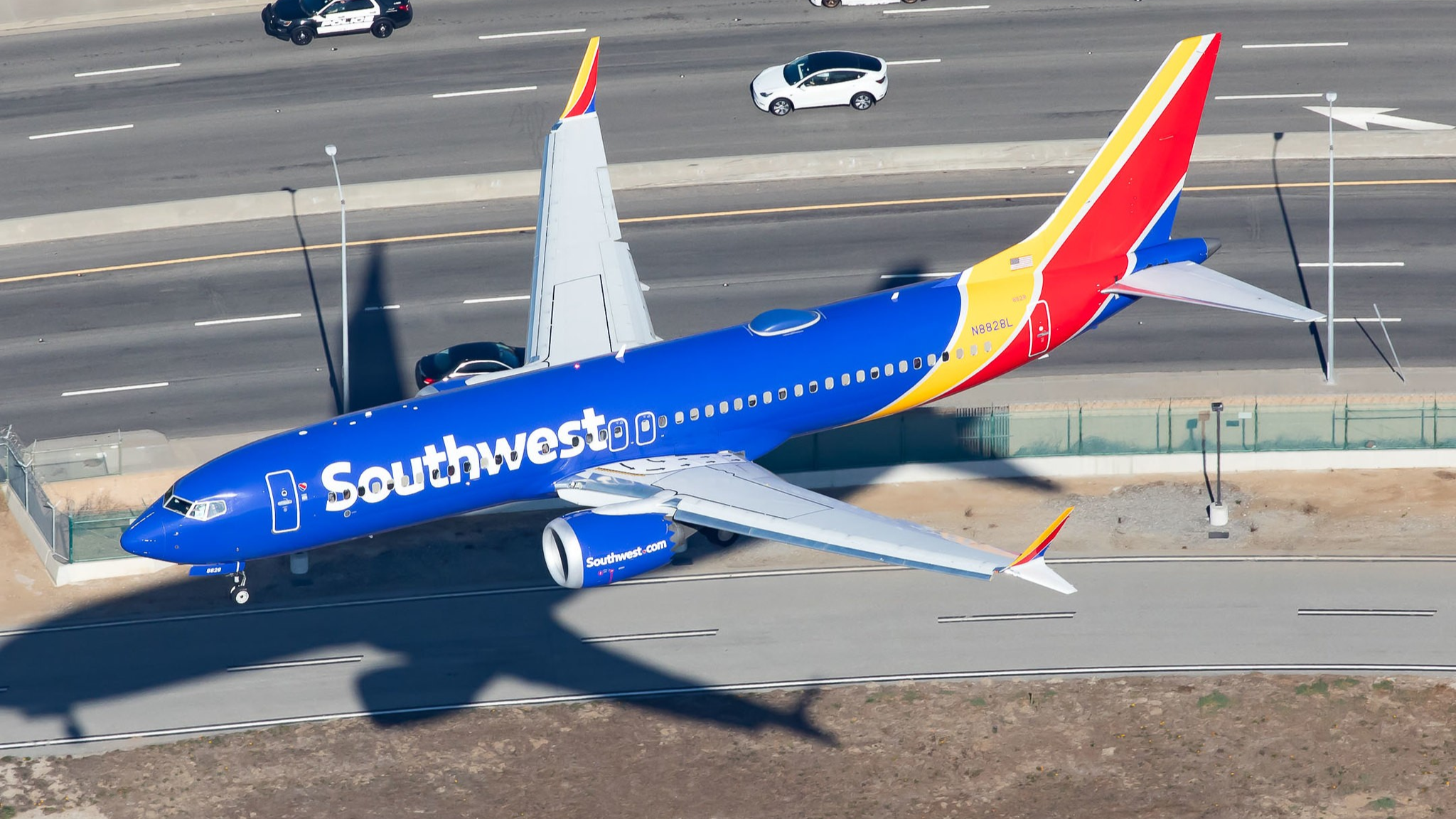
DALLAS- Southwest Airlines (WN) is making further boarding process rules changes on Wednesday to address overhead bin congestion that has left passengers frustrated and angry. The adjustments affect boarding priority at key stations, including Dallas Love Field (DAL).
The airline recently ended its 58-year open seating policy and introduced assigned seating, marking one of the biggest changes in company history.
According to PYOK, Southwest is now refining its boarding groups after a flood of complaints from once loyal customers over bin space shortages and operational teething issues.
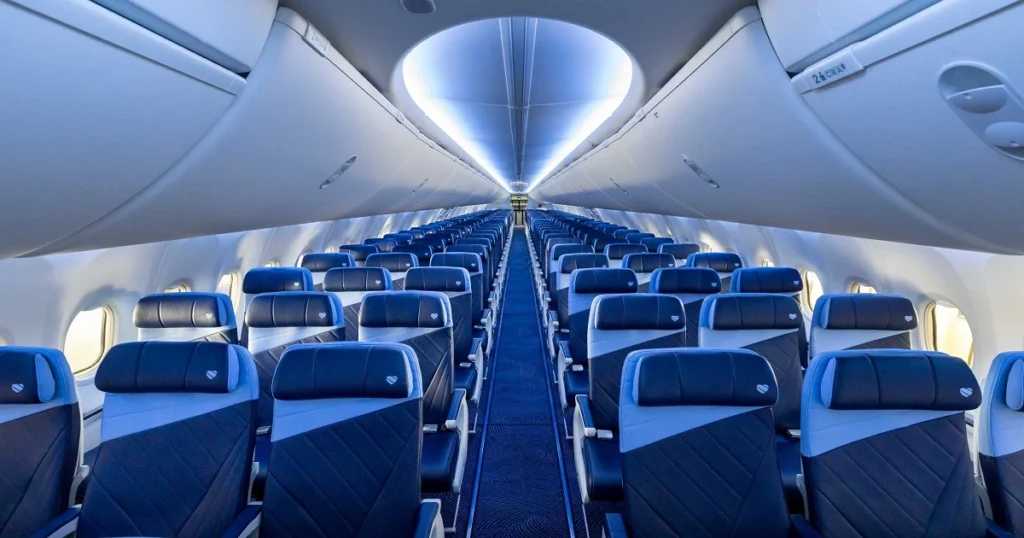
Southwest Boarding Rules Adjustments
On January 27, Southwest (WN) formally abandoned its iconic open seating model and transitioned to assigned seating.
The Dallas-based carrier implemented a structured boarding system designed to make boarding quicker and more predictable.
Despite months of preparation, the rollout has faced significant teething issues. Passengers have reported confusion, inconsistent group placement, and limited overhead bin availability in the forward cabin.
Original Boarding Group Structure
The airline introduced the following tiered system:
Priority and Pre-Board
- Customers with disabilities
- Active duty US military
- Customers who purchased Priority Boarding
Groups 1 and 2
- A-List Preferred members
- Choice Extra fares
- Extra legroom seat passengers
Groups 3 to 5
- A-List members
- Choice Preferred fares
Group 5
- Rapid Rewards credit card holders
Groups 6 to 8
- Choice fare
- Basic fare
The structure included deliberate flexibility. A-List Preferred members could board in either Group 1 or 2.
A-List members could board as early as Group 3 or as late as Group 5. However, many passengers found it frustrating that they did not know their final boarding group until the day of departure.
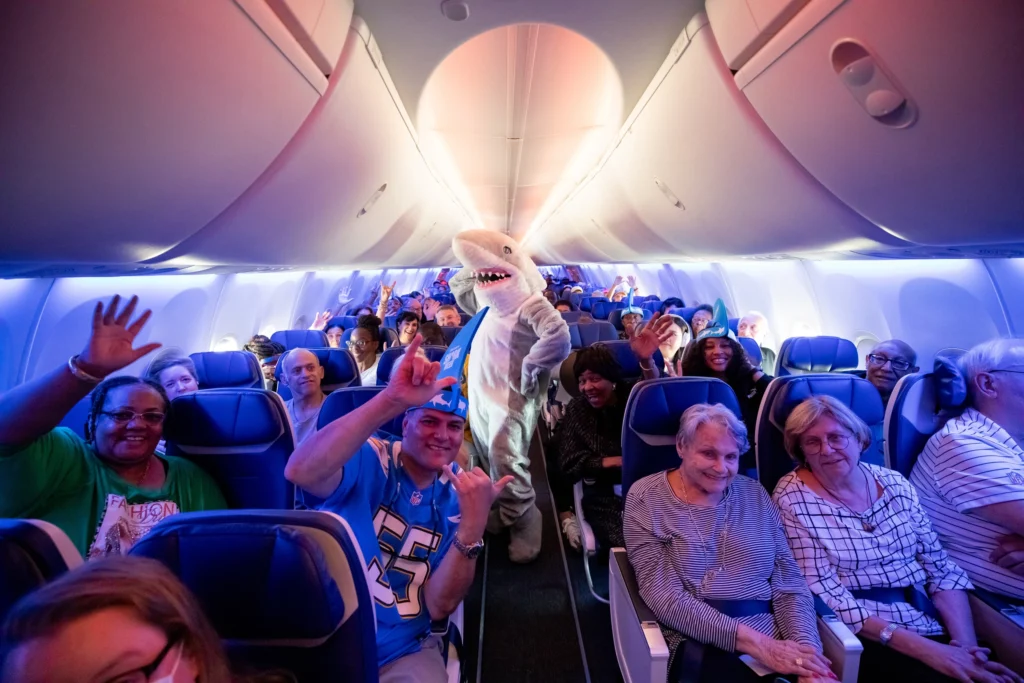
Overhead Bin Congestion and Customer Reaction
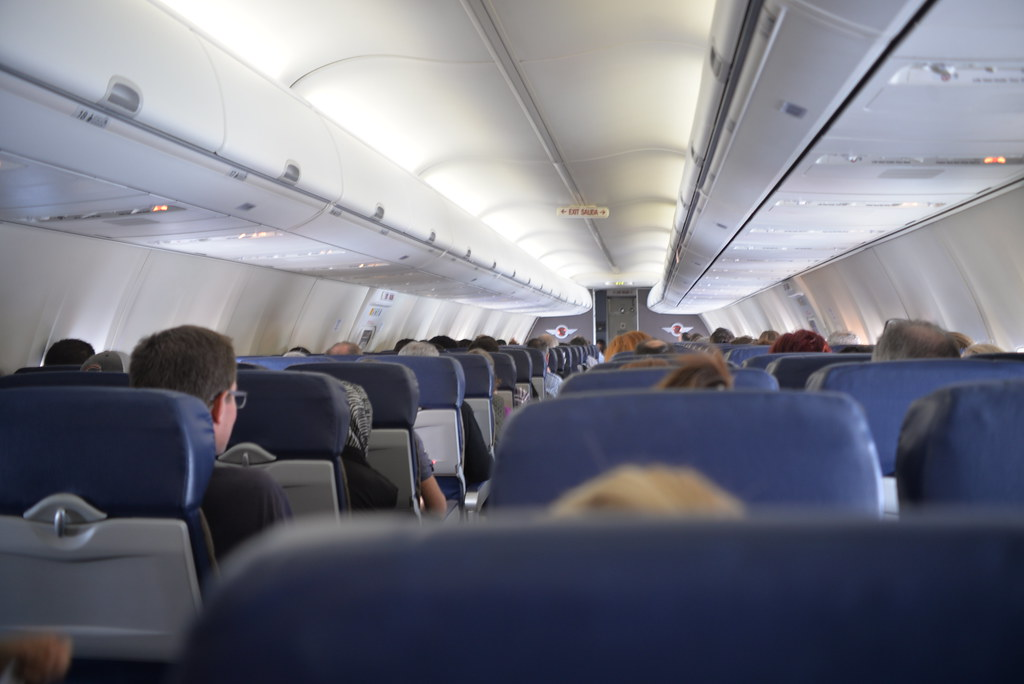
Forward cabin overhead bins began filling early in the boarding sequence. Late-boarding passengers frequently found no available bin space near their seats, leading to gate area congestion and jetbridge delays.
Southwest initially moved all extra-legroom seat passengers into Group 1 to distribute baggage more efficiently.
The change produced the opposite effect. It accelerated bin saturation in the first few rows and intensified the competition to board early.
The race to board first is not driven by a desire to depart the gate quickly. It reflects passenger attempts to secure limited overhead bin space for carry-on bags.
This pressure mirrors industry trends, where checked baggage fees encourage travelers to bring more belongings into the cabin rather than checking luggage.
February 18 Boarding Revision
Effective February 18, Southwest narrowed Group 1 eligibility to:
- Passengers seated in Rows 1 through 3
- Self-help emergency exit row passengers
Group 2 now includes:
- A-List Preferred members
- Choice Extra fare passengers
- All other extra legroom seat passengers
In an internal memo, the airline stated: “This is being done to help solve congestion in the jet bridge and bin space issues we saw this past week.”
The adjustment immediately triggered seat reassignment activity. Customers who booked extra legroom seats outside Rows 1 to 3 began scrambling to change seats in order to regain earlier boarding access.
Additional Cabin Configuration Changes
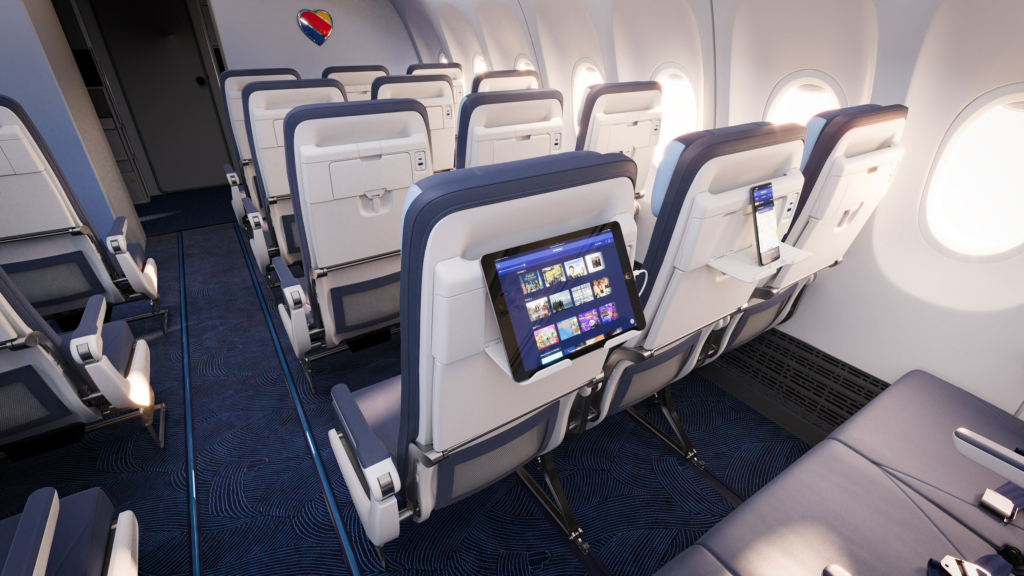
Southwest also relocated a reserved overhead bin previously designated for flight attendants from the front of the aircraft to the rear. The airline intended to free additional forward bin space for customers.
The decision drew criticism from the TWU 556 flight attendant union. The union attributed the airline’s avalanche of complaints to its own “poor planning,” rather than to crew bin allocation.
Broader Operational Implications
Southwest’s experience reflects a common global pattern. When airlines shift boarding incentives and charge for checked baggage, demand for overhead space increases sharply. Managing cabin storage allocation becomes as critical as seat assignment.
The airline now faces the operational challenge of balancing loyalty benefits, fare segmentation, boarding efficiency, and baggage distribution without eroding customer trust.
Stay tuned with us. Further, follow us on social media for the latest updates.
Join us on Telegram Group for the Latest Aviation Updates. Subsequently, follow us on Google News
