

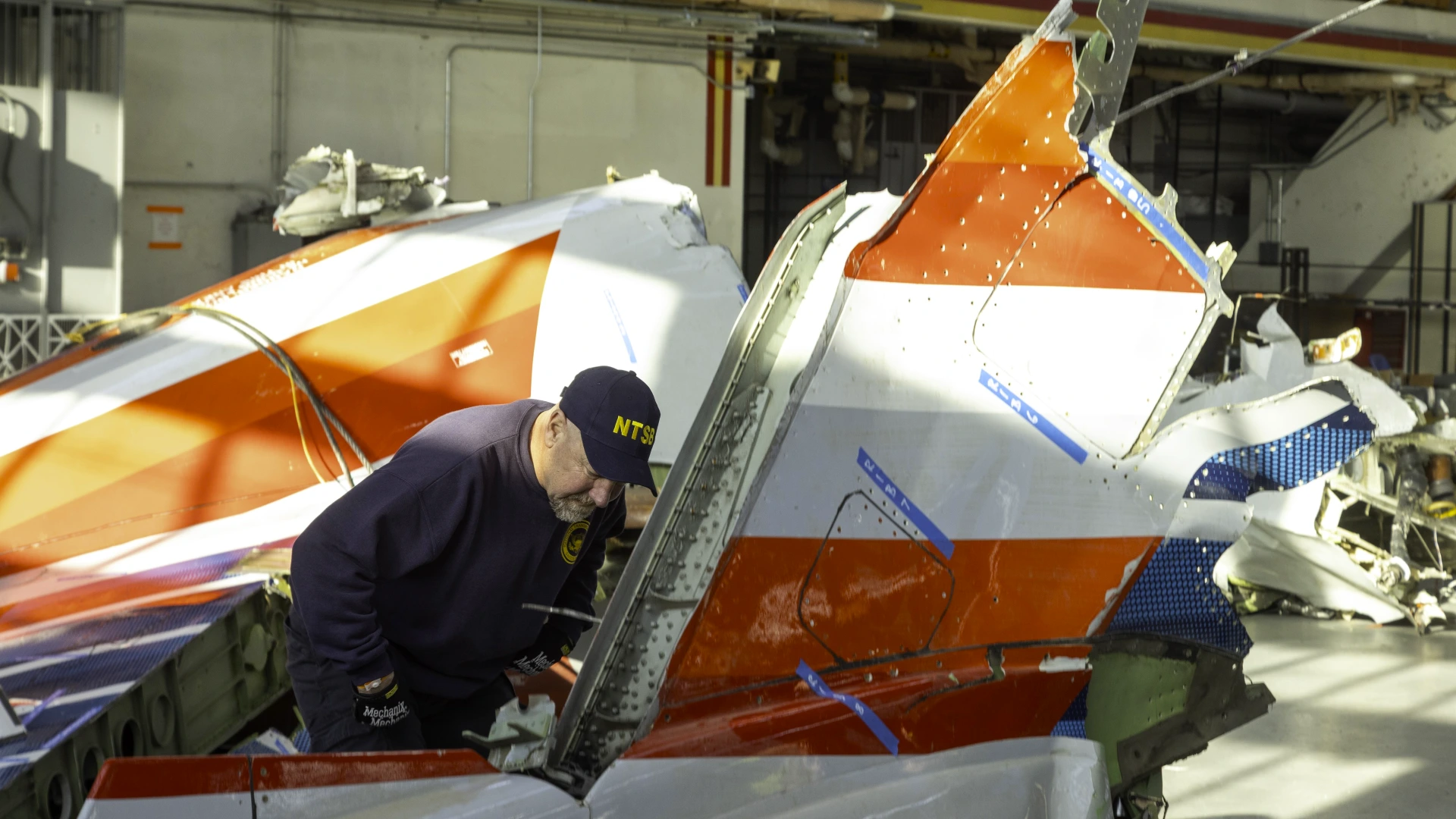
WASHINGTON- American Airlines (AA) now faces legal action after families of victims from the deadly Washington National Airport collision seek accountability for the January 2025 crash.
Washington National Airport (DCA) became the site of tragedy when an American Eagle regional jet and a U.S. Army Blackhawk helicopter collided, killing all 67 people on board both aircraft.
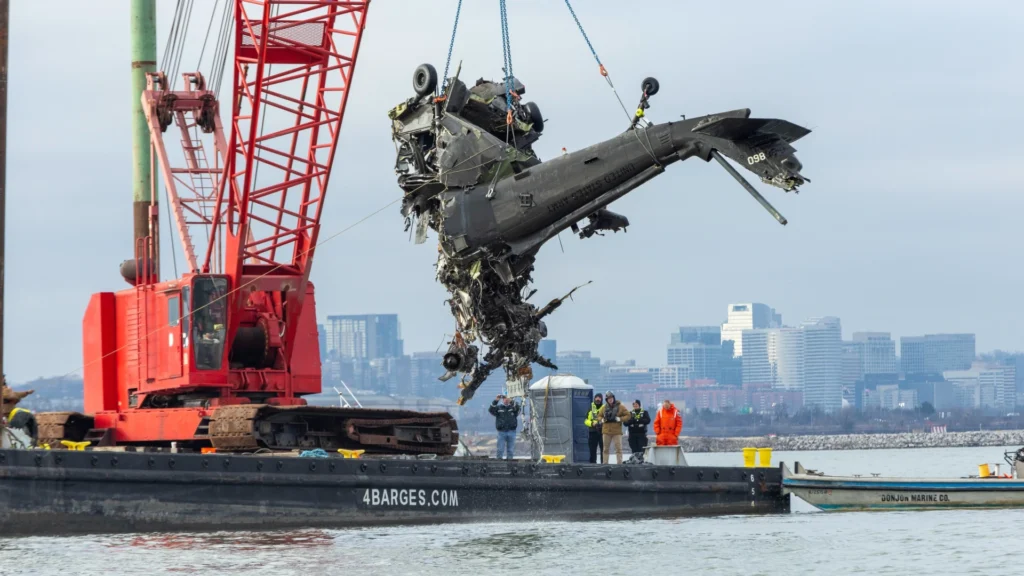
Lawsuit Follows Deadly Washington National Collision
The family of 16-year-old figure skater Cory Haynos has joined a growing lawsuit against American Airlines and its regional operator, PSA Airlines, after the fatal mid-air crash near Washington, D.C.
Haynos, described as a rising talent in U.S. figure skating, was returning home from a national development camp linked to the U.S. Figure Skating Championships in Wichita, Kansas, when the accident occurred. He had recently secured bronze at the 2025 Eastern Sectional Singles Final and was considered among the sport’s promising young athletes.
The lawsuit, filed in the District Court for the District of Columbia, accuses American Airlines, PSA Airlines, and U.S. government agencies of negligence and wrongful death. Families argue the crash could have been avoided with proper safety measures.
According to PYOK, several families have now joined a master complaint, consolidating legal efforts seeking damages and accountability for the disaster.

NTSB: Accident Was Completely Preventable
During testimony before the House Committee on Commerce, Science, and Transportation, National Transportation Safety Board Chair Jennifer Homendy described the crash as entirely preventable.
She stated that safety recommendations issued over decades had been ignored or delayed, directly contributing to the circumstances leading to the collision.
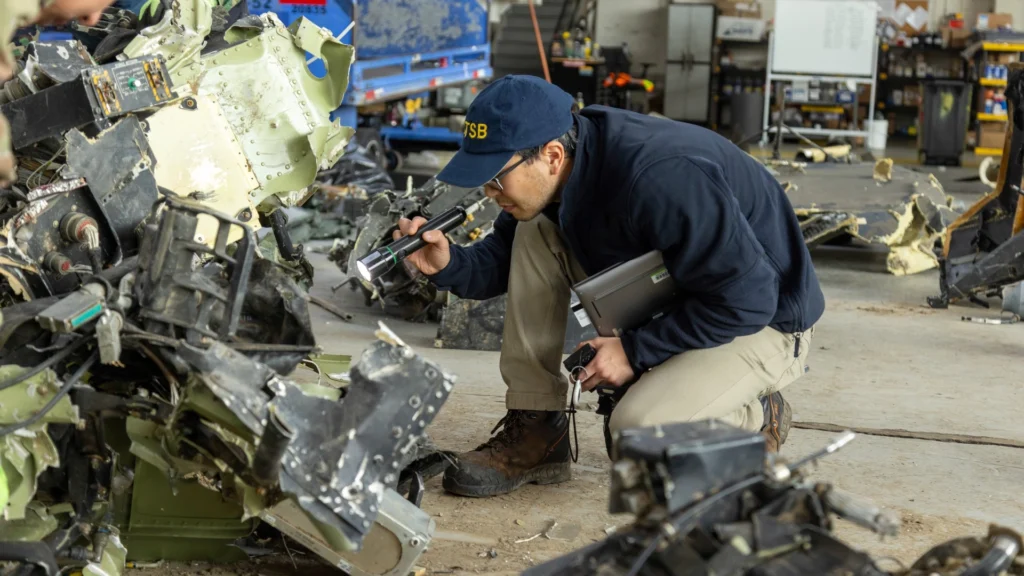
The investigation found that both aircraft lacked a critical safety technology that could have provided early collision warnings to pilots.
ADS-B Technology and Missed Warning Opportunities
Automatic Dependent Surveillance Broadcast, known as ADS-B, consists of two components:
• ADS-B Out broadcasts an aircraft’s precise location.
• ADS-B In receives nearby aircraft data and provides cockpit alerts.
Homendy explained that if ADS-B In had been installed, pilots on both aircraft would have received earlier collision alerts.
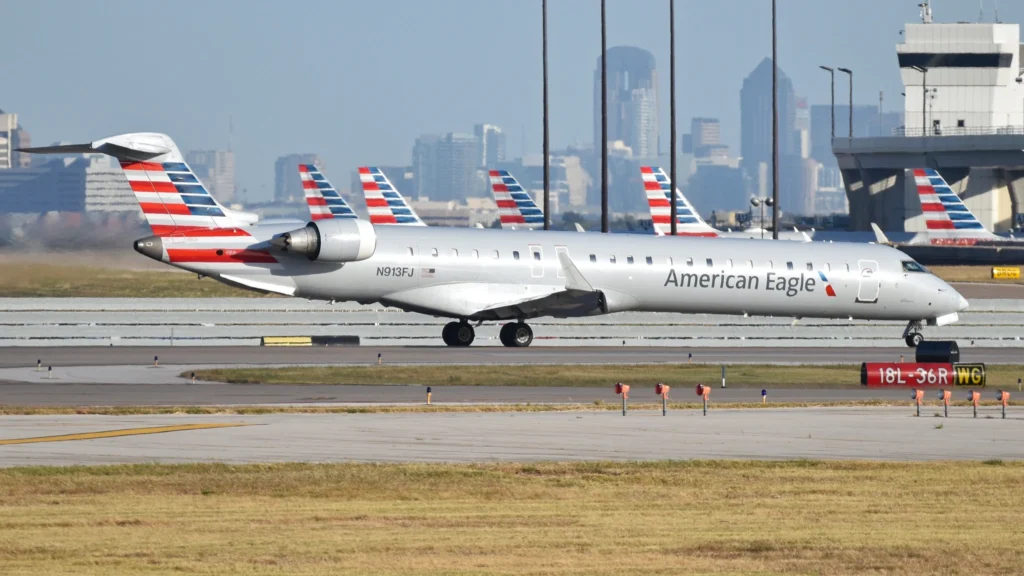
The Blackhawk crew reportedly received no alert, while the CRJ-700 regional jet crew had less than 20 seconds to react instead of nearly one minute of warning that the system could have provided.
Despite NTSB recommendations dating back nearly two decades, the Federal Aviation Administration mandated only ADS-B Out in 2020. ADS-B In remains optional, and certification for CRJ-700 aircraft was not approved at the time of the accident.
Airlines Already Using the Technology
Homendy noted that many airlines voluntarily install ADS-B In systems. American Airlines reportedly operates more than 300 Airbus A321 aircraft equipped with the technology.
She emphasized that installation costs are minimal compared to safety benefits, often requiring only modest hardware additions and compatible cockpit devices.
Regulatory inaction, she argued, allowed preventable risks to remain in operation.
Growing Legal and Safety Pressure
Families of victims continue to seek answers and compensation while lawmakers review safety oversight responsibilities involving the FAA, military aviation authorities, and commercial airlines.
The lawsuit now adds pressure on regulators and operators to address gaps in collision avoidance measures to prevent future tragedies.
Stay tuned with us. Further, follow us on social media for the latest updates.
Join us on Telegram Group for the Latest Aviation Updates. Subsequently, follow us on Google News
