

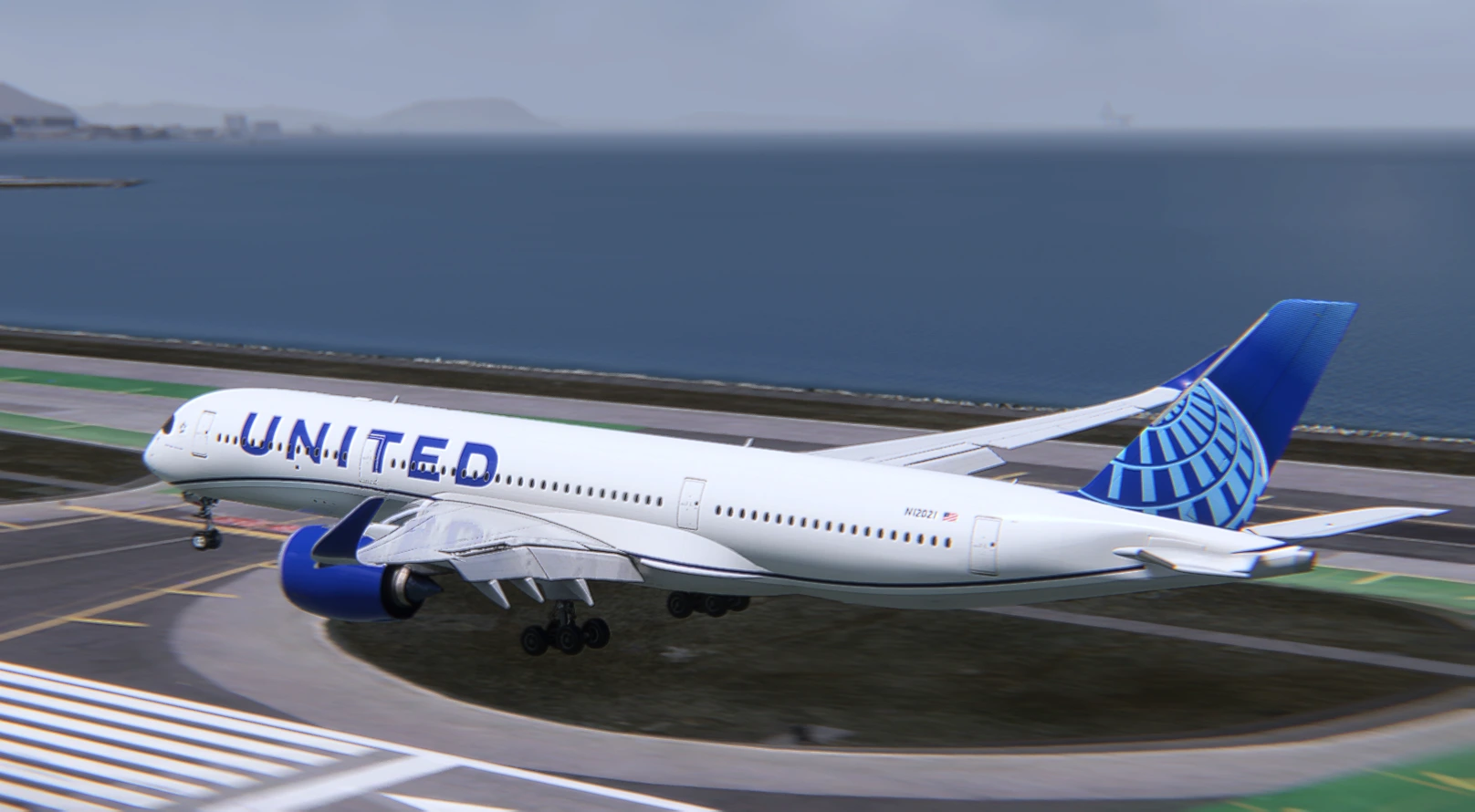
CHICAGO- United Airlines (UA) has removed the Airbus A350 from its expected future deliveries, signaling a major shift in long-term fleet planning.
The move follows a dispute with Rolls-Royce over engine agreements, raising uncertainty around the airline’s long-standing A350 order.
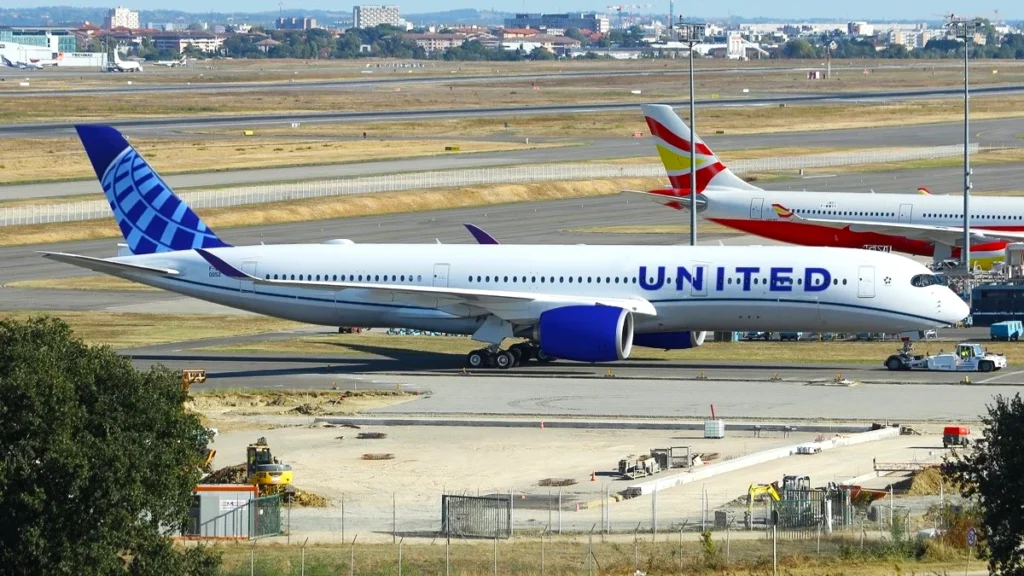
United Airbus A350 Strategy
United Airlines first ordered the Airbus A350 in 2009, later modifying the order multiple times before settling on 45 A350-900 aircraft. For years, deliveries were pushed further into the future while the order technically remained active.
Recent investor filings now show a decisive change. While the aircraft still appear under contractual commitments scheduled beyond 2027, they have disappeared entirely from United’s expected delivery tables. This signals the airline no longer plans operationally around taking the aircraft.
Earlier filings kept the A350 listed as part of long-term fleet growth. The latest disclosure removes them from planning assumptions, suggesting the aircraft shifted from a fleet plan to a dormant contractual option.
According to Simple Flying, this adjustment represents the strongest signal yet that United may never take delivery of the aircraft, even if formal cancellation has not occurred.
Engine Agreement Dispute Drives Uncertainty
United’s latest regulatory filing also revealed an ongoing dispute with Rolls-Royce concerning engine purchase and maintenance agreements.
The airline claims a breach related to agreements signed in 2010 and a $175 million commitment payment made in 2017. United later demanded repayment with escalation charges, while Rolls-Royce responded by terminating the agreements and asserting that United breached contract terms.
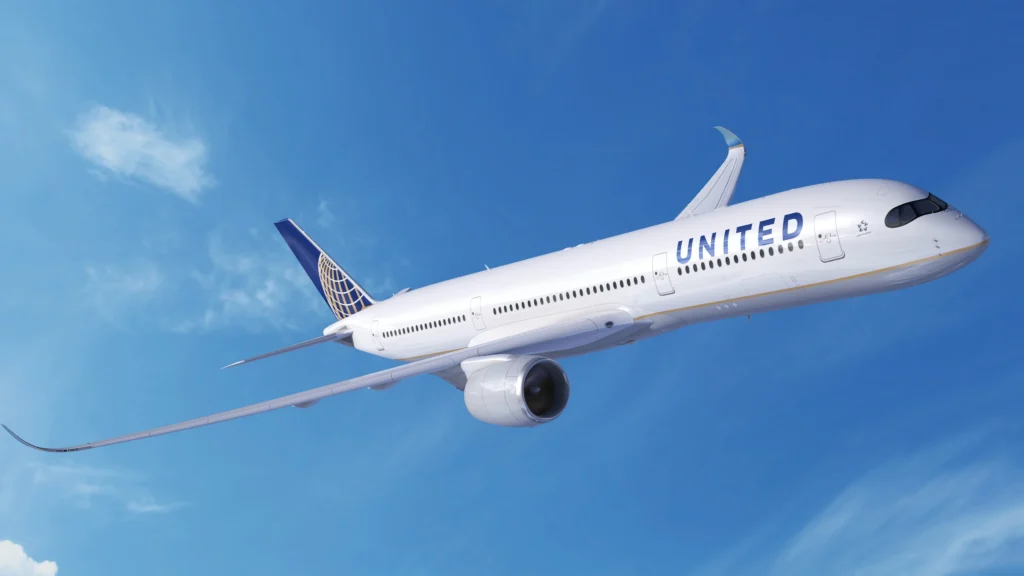
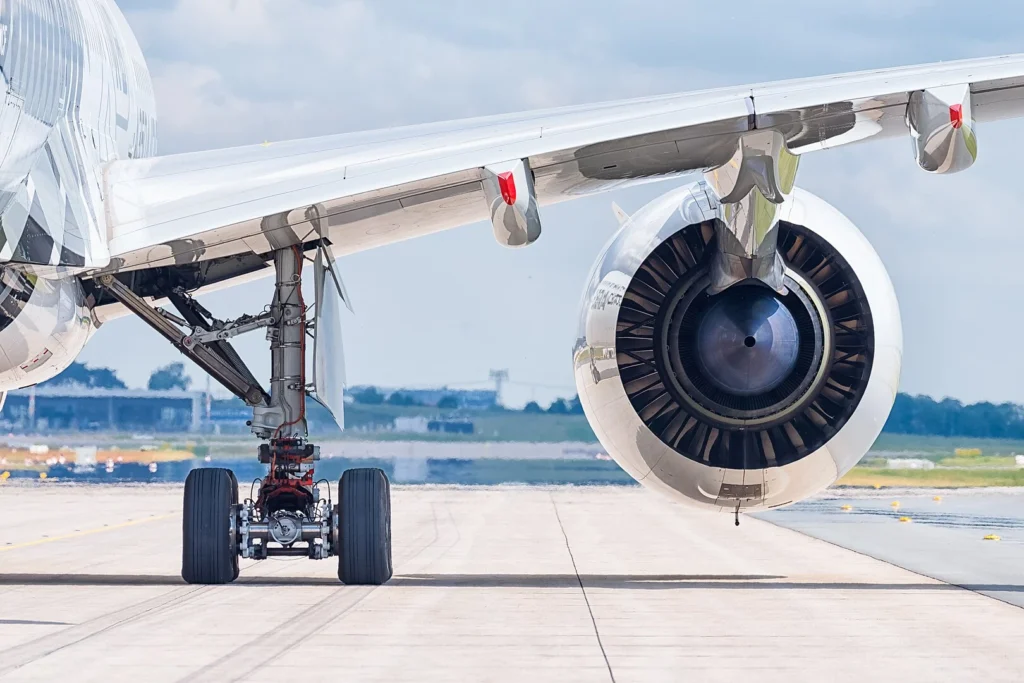
The conflict matters because the Airbus A350 uses only Rolls-Royce Trent XWB engines. Any breakdown in engine agreements directly affects fleet entry plans, making continued commitment to the aircraft difficult.
The filing also notes possible implications involving other parties, which industry observers interpret as references to Airbus and related contracts.
Contractual Orders Versus Operational Reality
United’s filings now show two different realities:
• Contractually, 45 A350 aircraft remain on order after 2027.
• Operationally, none appear in expected future deliveries.
Airlines often keep long-term contracts alive while postponing decisions. However, removing aircraft from expected deliveries typically indicates management does not plan to integrate them into fleet operations.
Airbus declined to comment publicly, while United and Rolls-Royce have not provided statements due to ongoing legal considerations.
Possible Outcomes for the A350 Order
Several scenarios remain possible as negotiations and legal matters continue.
Negotiated Cancellation
United could formally terminate the order through negotiations, though this may involve penalties or settlement adjustments.
Continued Deferral
The airline may keep the order technically alive as leverage or as a long-term option while expanding its Boeing 787 operations.
Order Conversion
Another possibility is converting economic value tied to the A350 order into other Airbus aircraft, such as additional A321neo family jets. This option would benefit Airbus but remove Rolls-Royce from future involvement.
Fleet Strategy Moving Forward
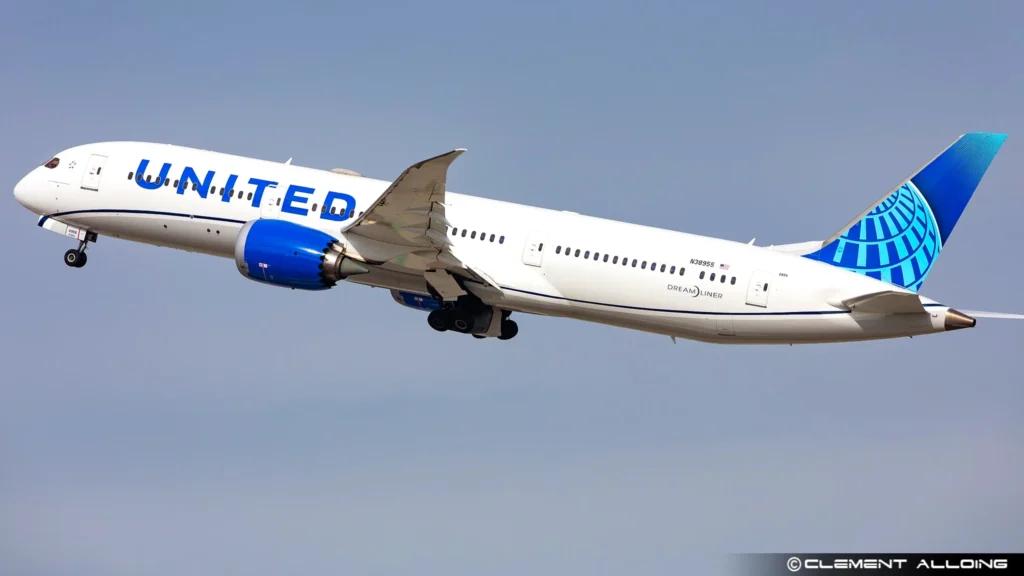
United continues expanding its Boeing 787 fleet, which already forms the backbone of its modern long-haul operations. As older Boeing 767 aircraft approach retirement, the airline appears focused on fleet simplicity rather than introducing a new aircraft type.
The latest filing does not officially cancel the Airbus A350, but it clearly shows United no longer plans future operations around the aircraft. In aviation planning, such signals often appear well before formal announcements.
Stay tuned with us. Further, follow us on social media for the latest updates.
Join us on Telegram Group for the Latest Aviation Updates. Subsequently, follow us on Google News
