

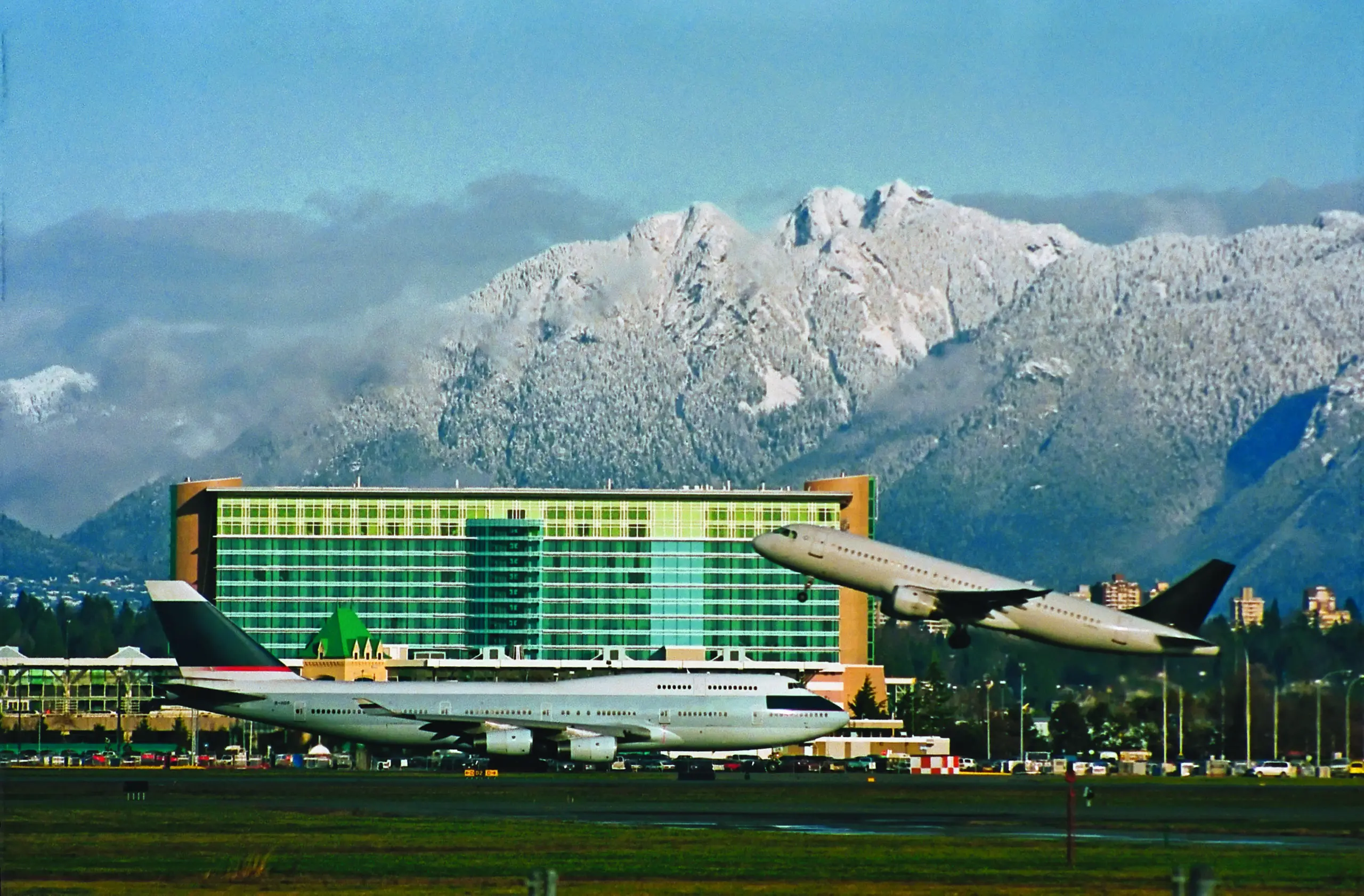
Vancouver has been named the greenest city in the world in a new global sustainability ranking, reinforcing its reputation as a leader in environmentally responsible urban living. The coastal Canadian city, served by Vancouver International Airport (YVR) and a major hub for Air Canada (AC), topped the list due to its strong performance across environmental and mobility indicators.
The ranking reflects growing interest among travelers in destinations that balance tourism growth with sustainability. As international air traffic continues to recover, cities with efficient public transport, clean energy adoption, and accessible green spaces are increasingly attractive to eco-conscious passengers and airlines alike.
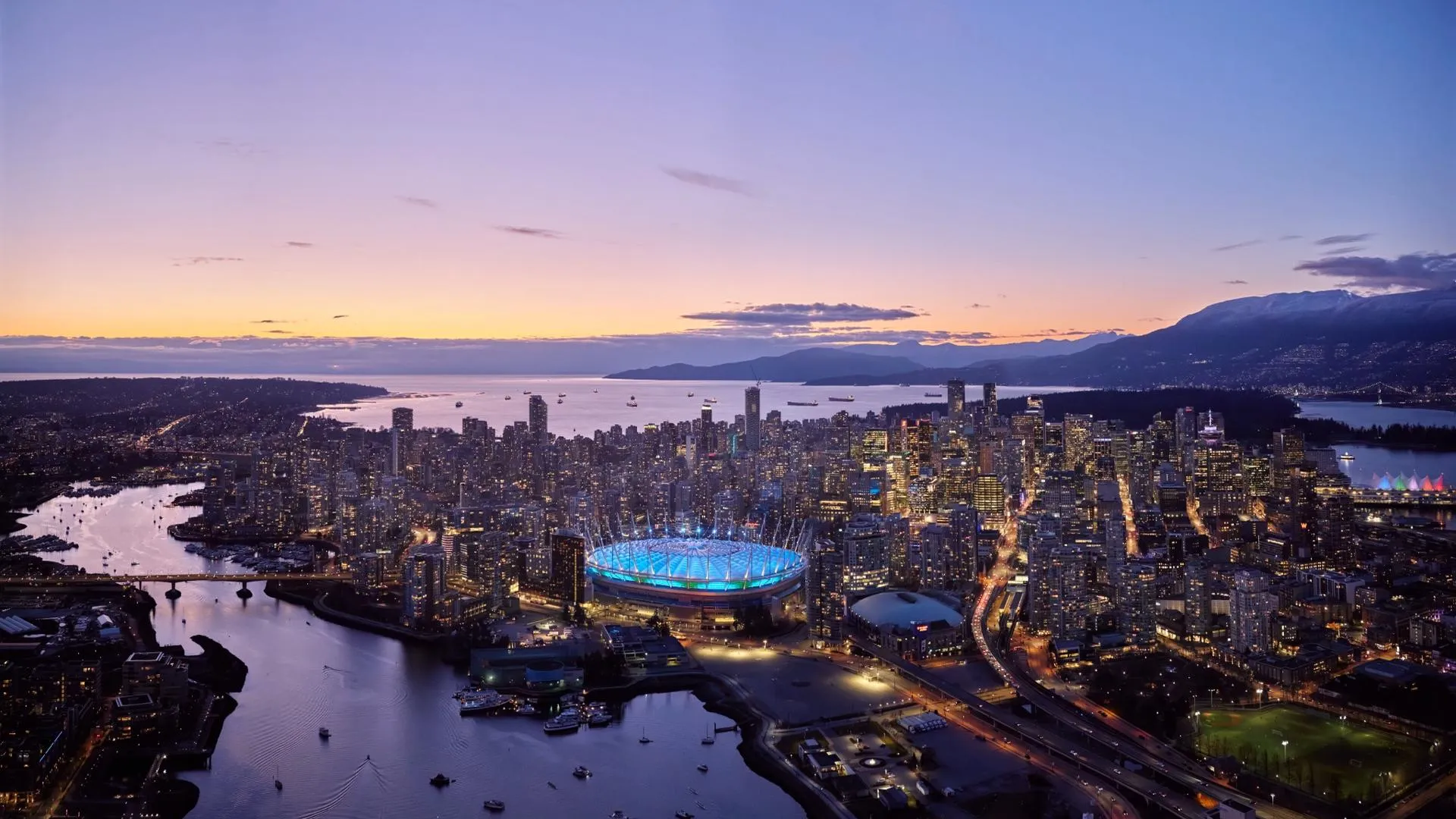
Vancouver Tops Sustainability Ranking
Vancouver secured the top position in the global study by excelling across multiple sustainability metrics.
According to Travel and Leisure, the city offers more than 1,200 square feet of green space per resident, giving both locals and visitors access to parks, waterfronts, and protected natural areas within the urban boundary.
Renewable energy adoption remains a defining strength, with 98 percent of Vancouver’s energy supply coming from renewable sources as of 2022. Air quality levels also ranked among the best in the study, supporting public health and improving the overall travel experience for arriving passengers.
Urban mobility further strengthened Vancouver’s position, with public transportation efficiency scoring 58.1 out of 100 and a bikeability score of 50.3. These factors reduce reliance on private vehicles and help limit transport-related emissions in a city that handles significant domestic and international travel volumes.
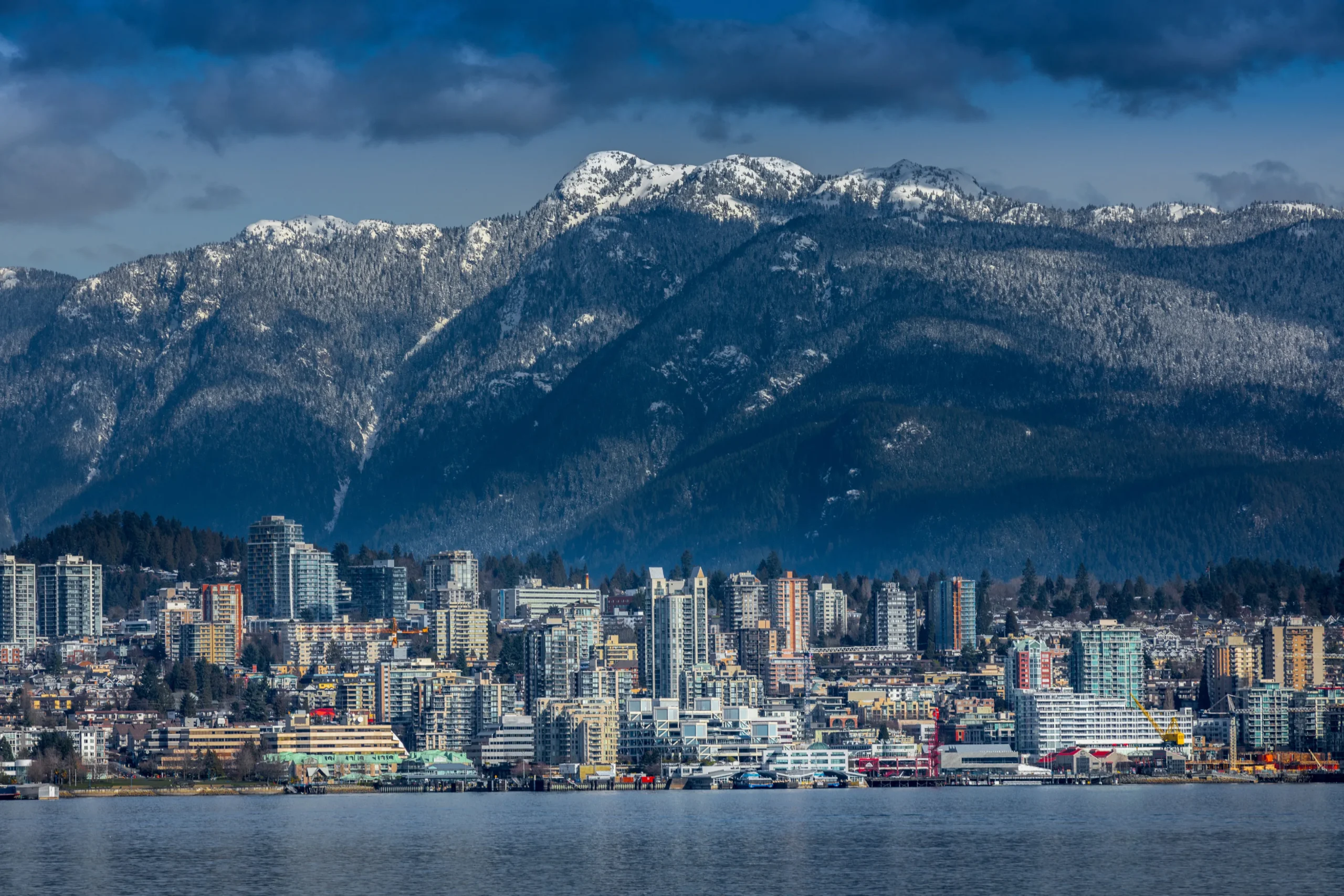
Global Green City List
While Vancouver led the ranking, several European cities closely followed. Oslo placed second overall, outperforming Vancouver in renewable energy usage, air pollution reduction, public transport efficiency, and bikeability, reflecting strong policy alignment across sustainability sectors.
Stockholm, Munich, and Zurich completed the top five, each demonstrating consistent performance across green space access, clean energy use, and low-emission urban transport. These cities benefit from long-term infrastructure investment and strict environmental standards.
North America had limited representation in the top 10. San Francisco ranked eighth and was the only US city to make the list, offering 226 square feet of green space per capita and a public transport score of 68.4. The city has converted 68 percent of its energy supply to renewable sources, supporting its sustainability credentials despite dense urban development.

Travel Industry Impact
The findings highlight how sustainability increasingly intersects with aviation and tourism planning. Cities with efficient transit systems and lower pollution levels reduce congestion around airports and improve surface connectivity for passengers.
For airlines, operating in environmentally advanced cities supports broader emissions reduction goals and aligns with traveler expectations. Airports in these regions often benefit from stronger public transport links, improved energy efficiency, and long-term resilience planning.
As sustainability becomes a competitive differentiator, green city rankings also influence destination marketing and route planning.
Travelers choosing leisure or business destinations increasingly weigh environmental performance alongside cost and connectivity.

Sustainability Initiatives in Vancouver
Vancouver, Canada, is known for its ambitious sustainability initiatives aimed at reducing environmental impact and preparing for future climate challenges.
The city’s Climate Emergency Action Plan builds on its earlier Greenest City Action Plan, aiming to cut carbon pollution in half by 2030 and push toward long-term carbon neutrality. These plans focus on cleaner buildings, better transportation, zero waste, and healthier ecosystems.
Vancouver promotes eco-friendly transportation with expanded bike lanes, pedestrian networks, and public transit options that lower reliance on cars. The Greenway Network prioritizes cycling and walking, creating safer, greener connections across neighborhoods.
Waste reduction is another priority: the city aims for zero waste by 2040 with programs like organics composting, recycling, and community engagement through the Zero Waste Ambassador Program.
Local government operations also go green, cutting emissions from fleet vehicles and reducing energy use in municipal buildings.
Beyond government action, Community Climate Action Grants support grassroots sustainability projects, helping neighbourhood groups launch initiatives that advance climate goals.
Together, these efforts reflect Vancouver’s ongoing commitment to environmental stewardship and community involvement in building a more sustainable urban future.

Measurable Environmental Policies Backed by City Data
Vancouver’s sustainability strategy is supported by policy instruments and performance tracking rather than broad vision statements alone.
The city has introduced green building requirements that mandate higher energy efficiency standards for new developments, including limits on emissions intensity and increased use of low-carbon heating systems.
These regulations are enforced through the city’s building bylaws and are reviewed regularly to ensure alignment with climate targets.
Another data-backed initiative is Vancouver’s protection of natural assets. The city maintains thousands of acres of parkland and has formal policies to preserve urban forests, wetlands, and coastal ecosystems.
Tree canopy coverage and biodiversity indicators are monitored to assess environmental health and guide restoration efforts. Vancouver has also integrated climate risk assessments into land-use planning, particularly in flood-prone and coastal areas.
Water conservation is addressed through metering, infrastructure upgrades, and stormwater management systems designed to reduce runoff and protect local waterways.
Per-capita water use has declined over time as a result of efficiency programs and public awareness campaigns. Together, these evidence-based policies demonstrate how Vancouver links sustainability goals to enforceable regulations and measurable environmental outcomes.

https://commons.wikimedia.org/wiki/File:Fort_Victoria_National_Historic_Site_of_Canada,_Victoria,_British_Columbia,_Canada_03.jpg
Impact on Canada as a Whole
Canada has implemented a range of nationwide green initiatives aimed at reducing emissions while supporting sustainable economic growth. At the federal level, carbon pricing forms a central pillar of climate policy, designed to incentivize emissions reductions across industries while returning proceeds to households.
Canada has also committed to achieving net-zero emissions by 2050, supported by investments in clean energy, including wind, solar, hydroelectric power, and emerging hydrogen projects. Programs promoting electric vehicle adoption, energy-efficient home retrofits, and sustainable agriculture further reinforce these goals.
In parallel, Canada has expanded protections for forests, oceans, and wildlife, recognizing the role of natural ecosystems in carbon sequestration and long-term environmental resilience.

Bottom Line
Vancouver’s top ranking underscores how urban sustainability and global travel can coexist when supported by clean energy, green infrastructure, and efficient mobility systems.
While European cities continue to set high benchmarks, Vancouver’s performance positions it as a model for future-focused destinations.
For travelers and airlines alike, the results signal a shift toward cities that prioritize environmental responsibility without sacrificing accessibility or quality of life.
Stay tuned with us. Further, follow us on social media for the latest updates.
Join us on Telegram Group for the Latest Aviation Updates. Subsequently, follow us on Google News
