

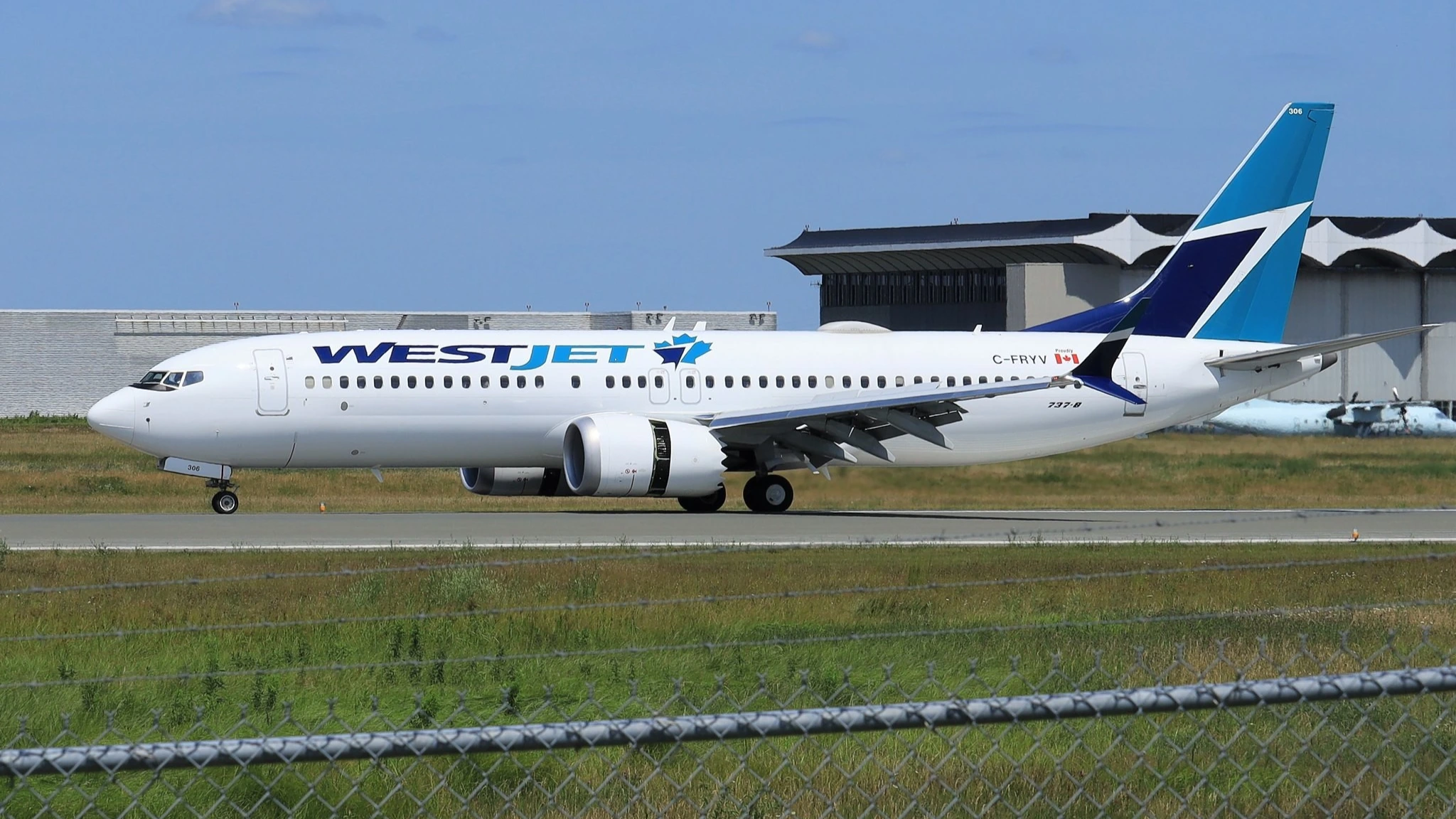
CALGARY- WestJet (WS) is removing 15 routes between Canada and the United States as transborder demand weakens, resulting in a major capacity reduction for Summer 2026.
Key hubs affected include Calgary (YYC), Vancouver (YVR), Toronto (YYZ), and Edmonton (YEG), as well as several major US gateways that are losing direct service.
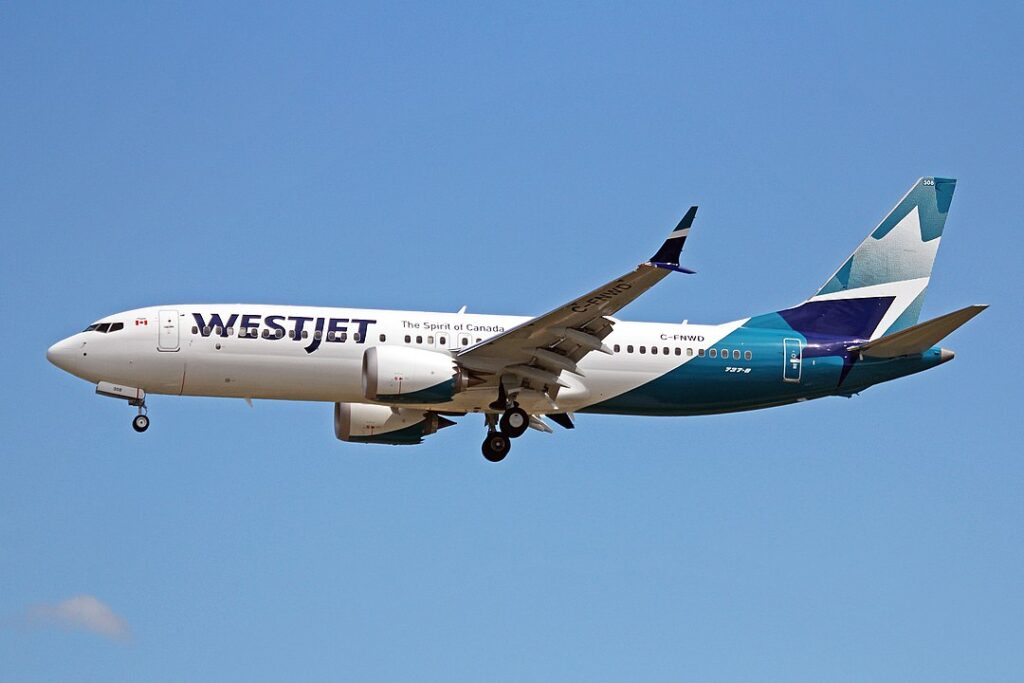
WestJet Cancels More US Routes
WestJet’s latest weekly schedule update, shared by Enilria, shows deeper reductions than initially reported. The airline first confirmed suspension of eight US routes, but updated data now shows 15 routes removed from planned schedules.
Nine of these suspensions were not previously disclosed, confirming a broader contraction in cross-border operations. Reduced demand from both Canadian and American travelers has weakened traffic flows between the two countries.
Compared with schedules published just weeks earlier, WestJet’s US network capacity for Summer 2026 drops by roughly 32 percent when measured in Available Seat Miles.
This marks one of the airline’s most significant single-season network corrections in recent years.
Earlier Route Predictions Now Confirmed
Recent schedule changes also confirm earlier industry expectations regarding WestJet’s network adjustments.
Analysts previously indicated that several planned route launches would be delayed, and many of those routes have now removed entirely. Reports last December also suggested WestJet could withdraw service to Raleigh-Durham, which now appears confirmed.
Calgary Airport earlier announced WestJet would add its 100th destination, but current schedule changes suggest the airline may not reach that milestone due to multiple route cancellations.
The following routes are now fully cancelled for 2026:
- Boston (BOS) – Edmonton (YEG)
- Boston (BOS) – Vancouver (YVR)
- Los Angeles (LAX) – Toronto (YYZ)
- Raleigh-Durham (RDU) – Calgary (YYC)
- San Diego (SAN) – Edmonton (YEG)
- San Diego (SAN) – Vancouver (YVR)
- San Francisco (SFO) – Edmonton (YEG)
- San Francisco (SFO) – Vancouver (YVR)
Several of these services never reached operational launch despite appearing in early planning schedules.

Full List of Routes Removed
The broader set of removed US routes includes:
- Atlanta (ATL) – Edmonton (YEG)
- Boston (BOS) – Vancouver (YVR)
- Chicago (ORD) – Edmonton (YEG)
- Las Vegas (LAS) – Toronto (YYZ)
- Las Vegas (LAS) – Winnipeg (YWG)
- Los Angeles (LAX) – Toronto (YYZ)
- Nashville (BNA) – Vancouver (YVR)
- Nashville (BNA) – Winnipeg (YWG)
- Orlando (MCO) – Vancouver (YVR)
- Raleigh-Durham (RDU) – Calgary (YYC)
- San Diego (SAN) – Vancouver (YVR)
- San Francisco (SFO) – Edmonton (YEG)
- San Francisco (SFO) – Vancouver (YVR)
- Seattle (SEA) – Edmonton (YEG)
- Seattle (SEA) – Kelowna (YLW)
Several markets are now unserved, while others continue through competing airlines.
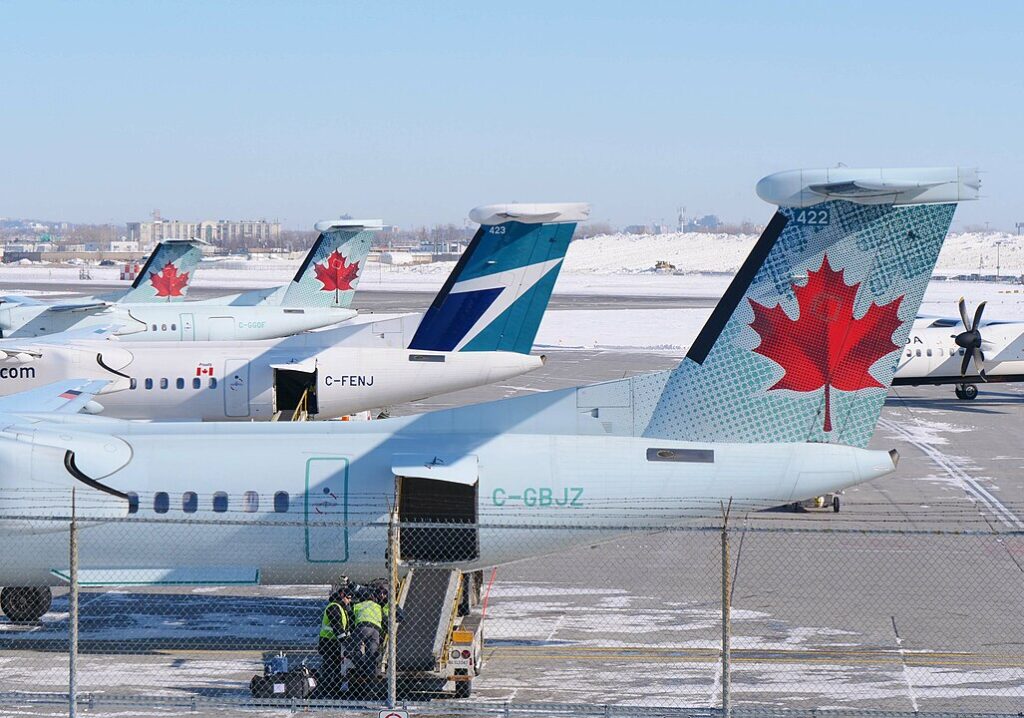
Schedule Data Shows Weak Market Support
Planning data shows many of these markets already had limited or inconsistent service before removal.
Examples include:
- Calgary–Raleigh/Durham showing no scheduled service despite earlier plans.
- Edmonton–Boston and Edmonton–San Diego are currently unserved.
- Vancouver–Boston and Vancouver–San Diego are showing fluctuating planned service before cancellation.
- Edmonton–San Francisco showing minimal planned service that never materialized.
In several cases, competing airlines continue operations, suggesting WestJet is shifting aircraft to stronger domestic or international markets instead of exiting markets completely.
Competing Airlines Continue Service on Key Routes
Not all affected markets lose service entirely. Competing carriers maintain operations on several city pairs:
- Vancouver–San Francisco continues with multiple daily services by Air Canada and United Airlines.
- Toronto–Los Angeles remains heavily served by Air Canada and Porter Airlines.
- Toronto–Las Vegas continues with reduced but ongoing service.
This indicates that reductions reflect WestJet’s network strategy rather than a full collapse in passenger demand.
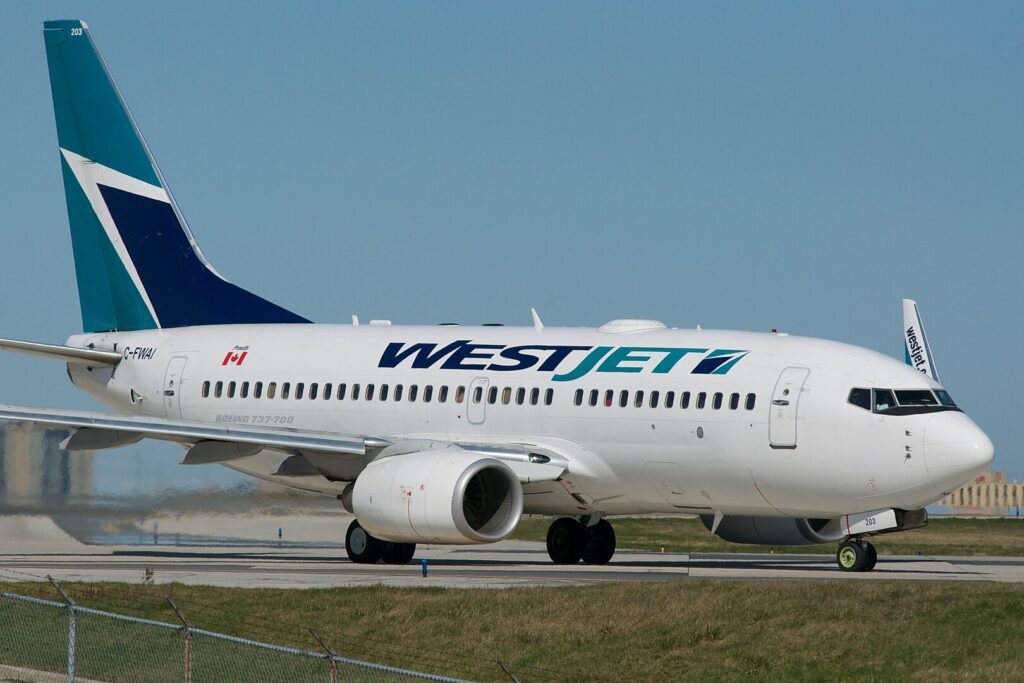
Operational Implications for Summer 2026
The capacity reduction shows WestJet prioritizing route profitability over expansion. Aircraft freed from weaker US routes may shift to domestic or leisure-focused international services.
Passengers in affected cities will likely require connections through hubs such as Calgary or Vancouver, increasing total travel time.
The changes also highlight ongoing caution among airlines regarding cross-border demand recovery between Canada and the United States.
Stay tuned with us. Further, follow us on social media for the latest updates.
Join us on Telegram Group for the Latest Aviation Updates. Subsequently, follow us on Google News
