

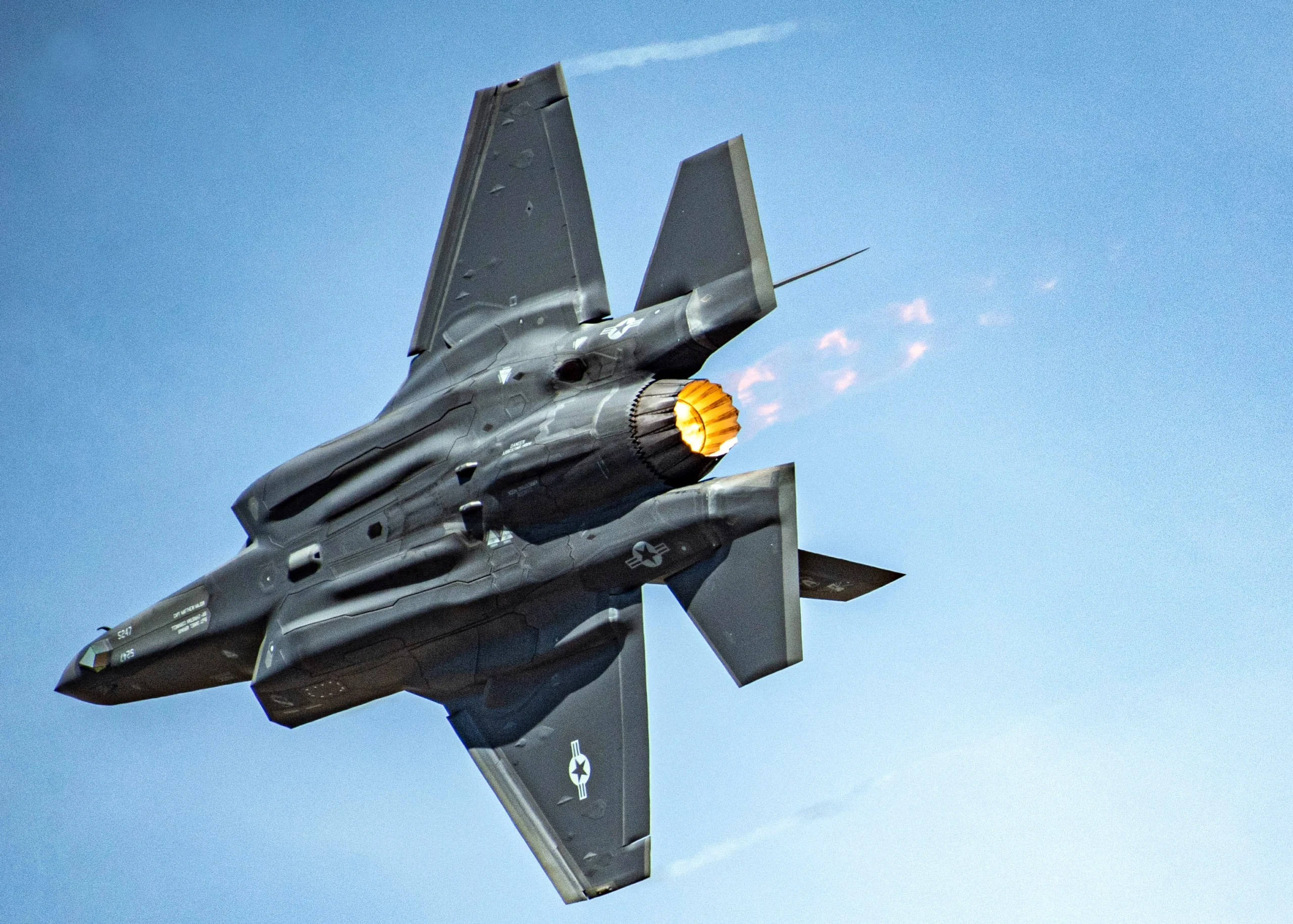
WASHINGTON- The United States (US) is repositioning advanced airpower and support aircraft toward the Middle East as tensions with Iran increase.
Recent movements of fighter jets, electronic attack aircraft, and refueling assets signal a broader pressure campaign while Washington weighs future military and diplomatic options.
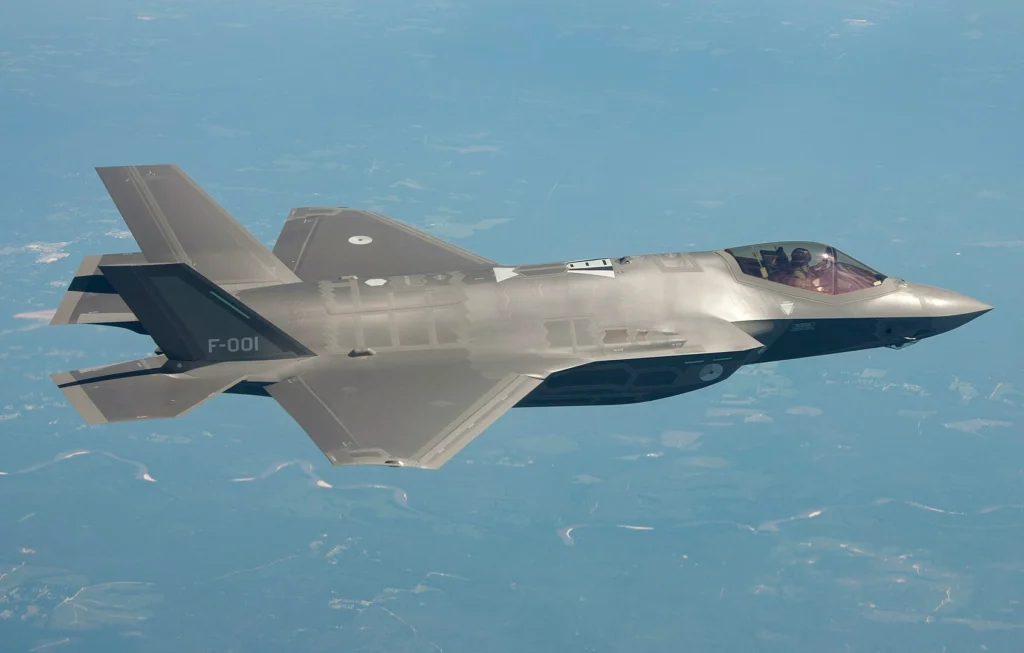
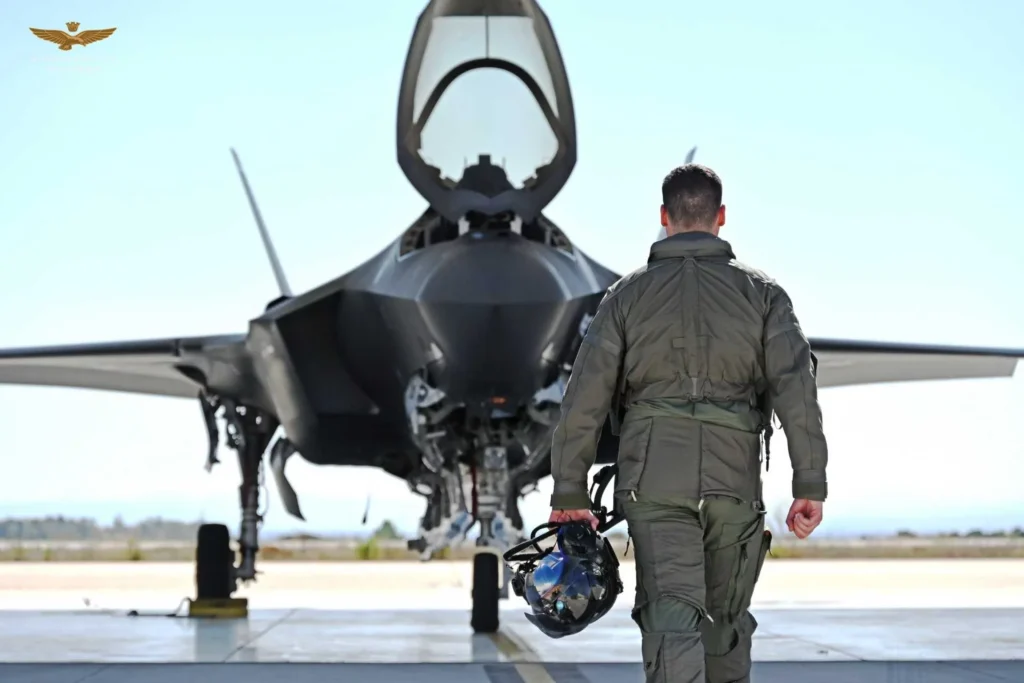
US Positions F-35 in the Middle East
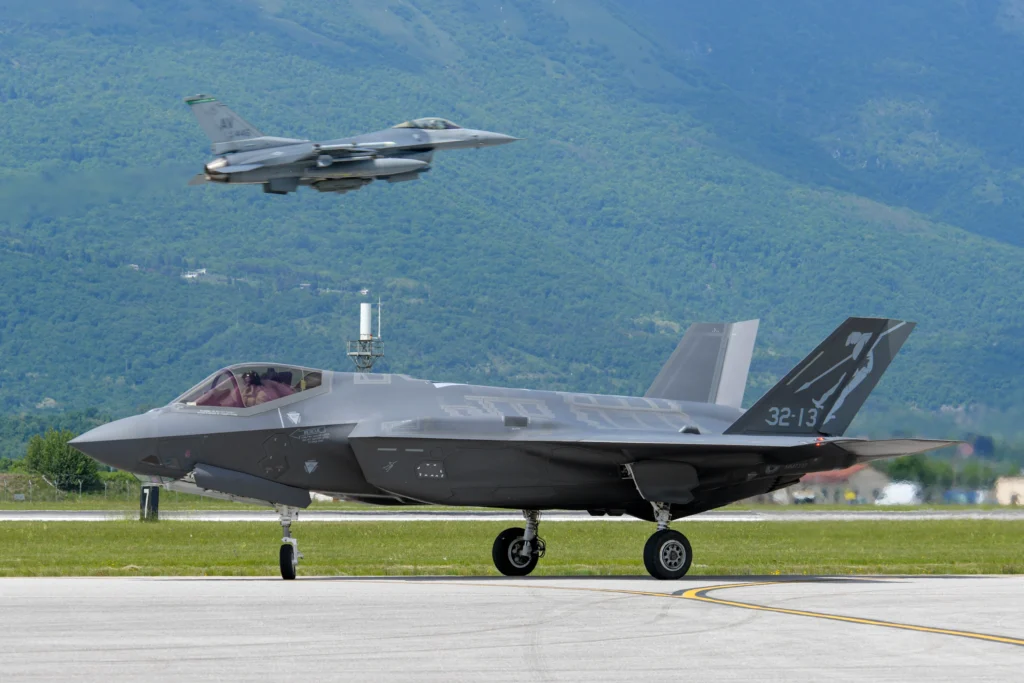
Flight tracking data and local aircraft spotters confirmed that six U.S. Air Force F-35A Lightning II fighters stopped at Lajes Field in the Azores on January 29 after crossing the Atlantic from Puerto Rico. The Azores often serve as a staging point for U.S. aircraft moving toward Europe or the Middle East.
The aircraft belongs to the Vermont Air National Guard’s 158th Fighter Wing, identifiable by VT tail markings. The unit specializes in suppressing enemy air defenses, a mission-critical in high-threat regions.
At the same time, U.S. Navy EA-18 Growler electronic attack aircraft appear to have redeployed from the Caribbean toward Spain. Transport and aerial refueling aircraft have also been moving steadily toward the Middle East, indicating preparations for sustained operations if required.
U.S. Central Command and the 158th Fighter Wing have not publicly commented on the deployments, Air and Space Forces reported.
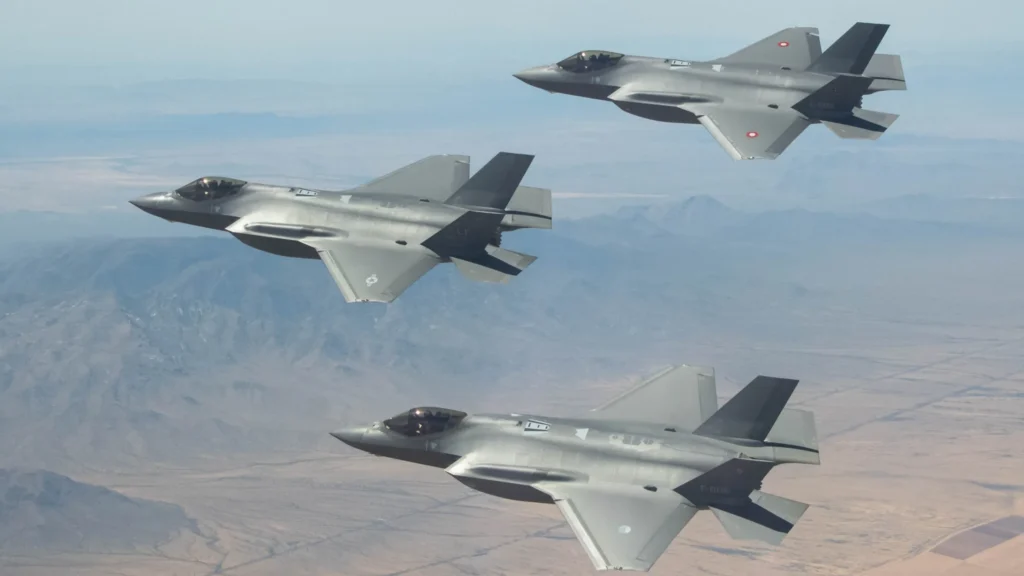
Current Force Levels in the Region
The United States already maintains significant combat power within the Middle East theater. Current forces reportedly include:
- Three squadrons of F-15E Strike Eagles
- One F-16 fighter squadron
- One A-10 attack squadron
- Carrier airpower from USS Abraham Lincoln, including F-35C, F/A-18 Super Hornets, and EA-18 Growlers
A deployed squadron typically includes about twelve aircraft, providing substantial strike capability. However, analysts note that a renewed large-scale strike would likely require further reinforcement.
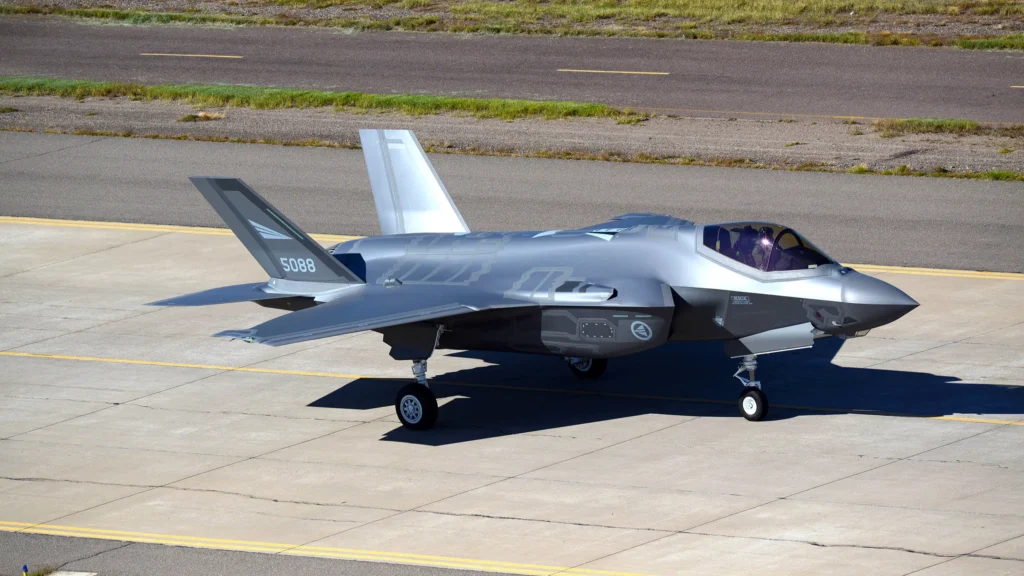
Strategic Context After Operation Midnight Hammer
Tensions escalated following Operation Midnight Hammer last June, when the U.S. launched a large-scale air and missile strike against Iranian nuclear facilities.
The operation involved approximately 125 aircraft, including seven B-2 Spirit stealth bombers, supported by F-22 fighters, F-35s, F-16 Wild Weasel aircraft, and cruise missiles launched from submarines. The strikes severely damaged facilities at Fordo and Natanz, though intelligence assessments indicate some nuclear material survived.
Air Force Global Strike Command officials later described the operation as a targeted action rather than a sustained campaign, noting that U.S. airpower resources are powerful but not unlimited.
Regional Constraints and Defense Concerns
Military planning is complicated by regional political realities. Saudi Arabia and the United Arab Emirates have reportedly declined to allow attacks on Iran to launch from or transit through their territory at this time.
Both nations fear Iranian retaliation, a concern also shared by Israel, which remains a primary target of Iranian hostility. To counter potential threats, the United States recently deployed additional Patriot and THAAD missile defense systems across the region.
CENTCOM has not publicly disclosed current basing locations for deployed aircraft.
Diplomatic and Economic Pressure Measures
The military movements may also serve as leverage to pressure Iran into negotiations regarding nuclear and ballistic missile programs.
Washington recently imposed sanctions on six Iranian officials linked to violent crackdowns against protesters. U.S. officials state that sanctions and diplomatic pressure will continue alongside military readiness.
Defense Secretary Pete Hegseth stated that U.S. forces stand ready to execute presidential orders if necessary, emphasizing continued opposition to Iran’s pursuit of nuclear weapons capability.
Stay tuned with us. Further, follow us on social media for the latest updates.
Join us on Telegram Group for the Latest Aviation Updates. Subsequently, follow us on Google News
