

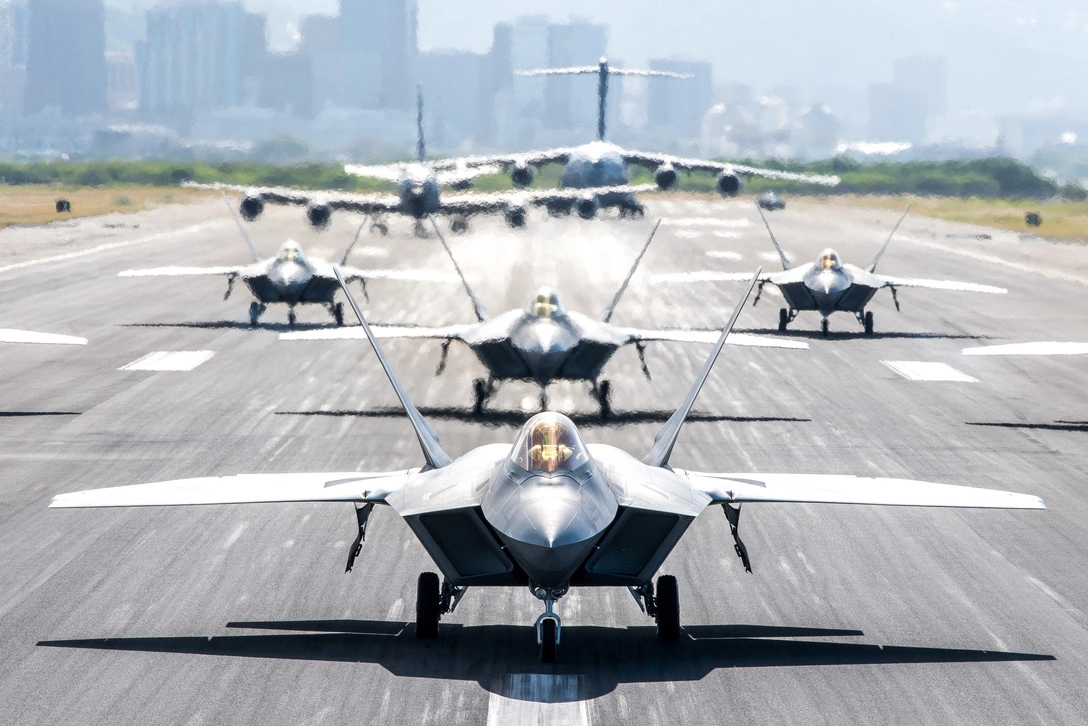
WASHINGTON, D.C- US Air Force and Marine Corps stealth fighters returned to Puerto Rico after supporting Operation Absolute Resolve, a joint mission that led to the capture of Venezuelan President Nicolás Maduro.
The Pentagon released official images showing the aircraft recovery phase, offering the first confirmed visual record of U.S. forces involved in the operation.
US Air Force Raids Venezuela
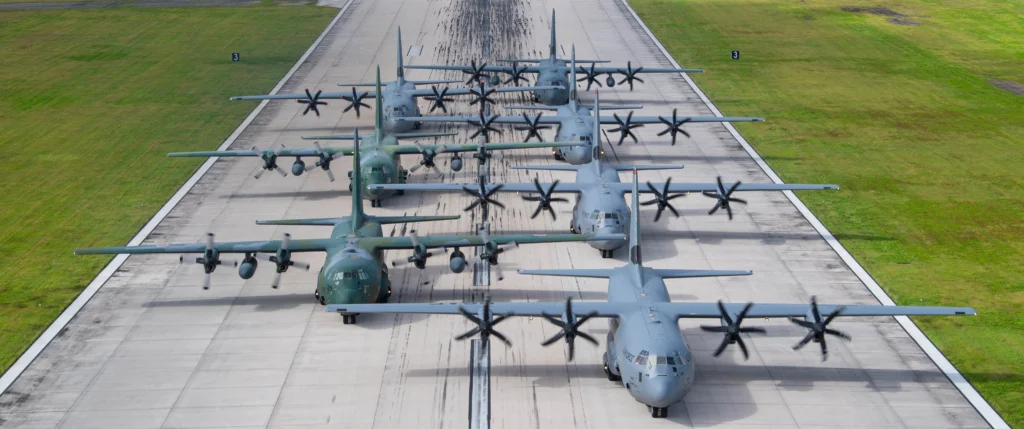
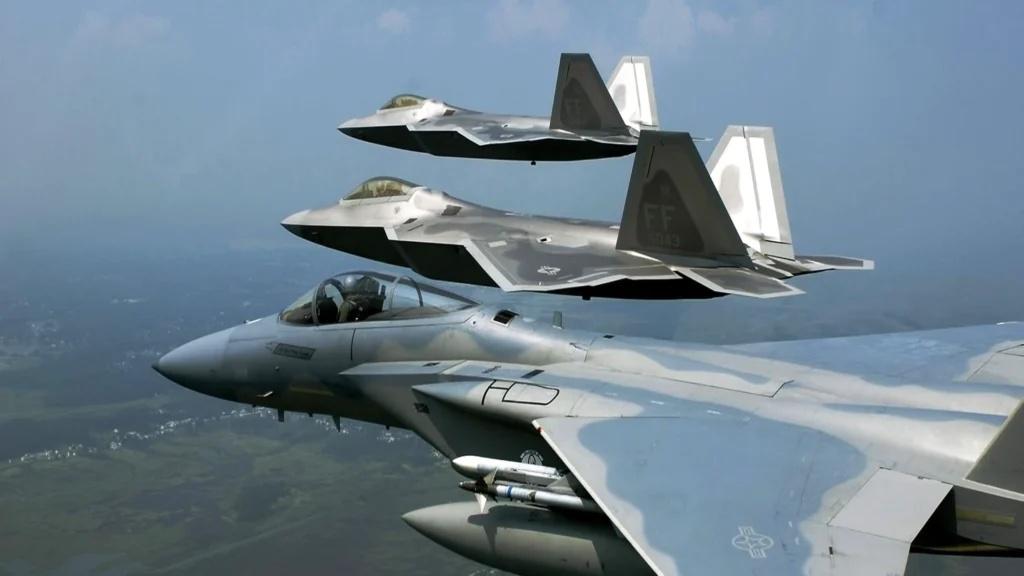
The U.S. Air Force released nearly a dozen images on January 6 showing F-22 Raptor and F-35 Lightning II fighters taxiing and parking at Roosevelt Roads Naval Station in Ceiba, Puerto Rico. The photos were taken in the early hours of January 3, shortly after the aircraft returned from active missions tied to military actions in Venezuela.
The imagery, captured by Air Forces Southern, also shows Marine Corps F-35B variants and multiple C-130 transport aircraft in the background. The base at Roosevelt Roads, recently reactivated, served as a key forward operating location during the operation.
While social media circulated unverified images of strikes across Venezuela, the Department of Defense did not release any visuals of aircraft conducting combat missions.
The only official imagery from the operation itself came from the White House, showing President Donald Trump and senior national security officials monitoring events from Mar-a-Lago in Florida.
Scale and Composition of the Air Campaign
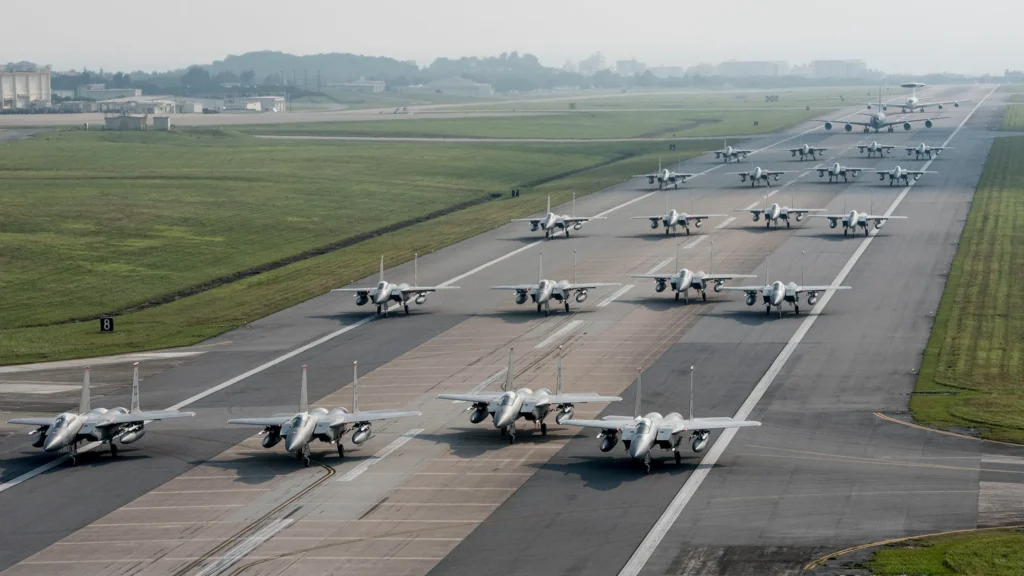
According to Air Force General Dan Caine, Chairman of the Joint Chiefs of Staff, more than 150 aircraft supported Operation Absolute Resolve. These assets covered a wide range of roles, including air superiority, strike, electronic warfare, surveillance, and transport.
Participating aircraft included B-1B Lancer bombers, F-22 Raptors, F-35A and F-35B fighters, F/A-18 Super Hornets, EA-18 Growlers, and E-2 Hawkeye airborne early warning aircraft. Intelligence, surveillance, and reconnaissance platforms, along with numerous unmanned systems, also played a critical role.
Helicopters from the Army’s 160th Special Operations Aviation Regiment conducted the insertion of ground forces. These aircraft approached Venezuela at very low altitude over water to avoid detection before reaching the target area near Caracas.
Suppression of Defenses and Mission Execution
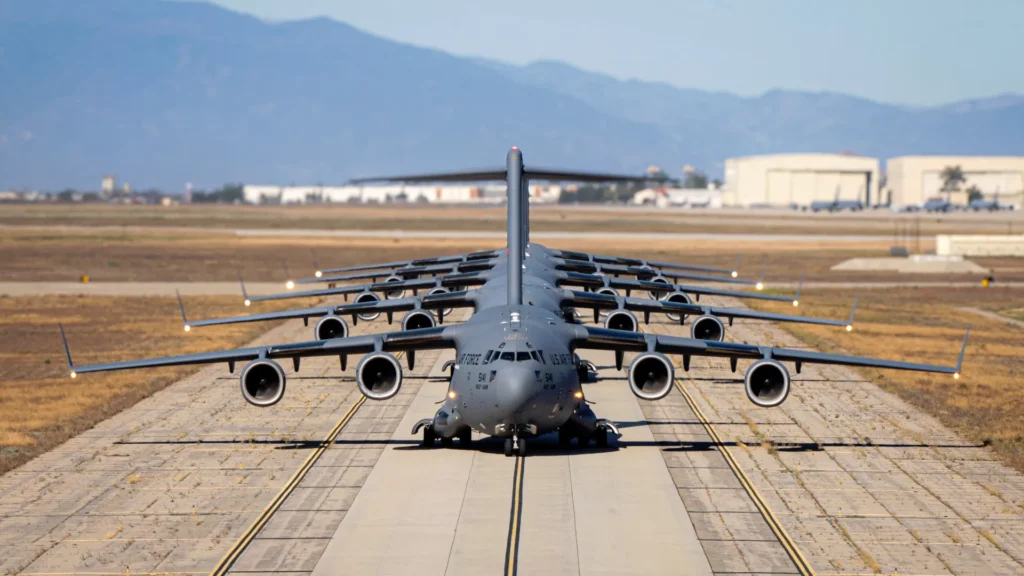
As U.S. forces approached the Venezuelan capital, the Joint Air Component began disabling air defense systems to protect the helicopter assault force. General Caine stated that air operations focused on ensuring safe entry, mission completion, and extraction of ground personnel.
U.S. Space Command, Cyber Command, and intelligence agencies, including the CIA, NSA, and National Geospatial-Intelligence Agency, supported the mission. The operation also involved disrupting electrical power in Caracas to limit coordinated response.
Despite coming under fire, all U.S. aircraft completed their missions. One helicopter sustained damage but remained flyable. Several U.S. personnel were injured, with no fatalities reported.
Post-Operation Developments and Strategic Context
By 3:29 a.m. Eastern Time on January 3, Nicolás Maduro and his wife were aboard the USS Iwo Jima, later transported to the United States for trial. Poor weather had delayed the mission for days, with final execution occurring during a narrow operational window.
Following the operation, F-22 fighters departed Puerto Rico on January 5, while F-35 aircraft remained forward deployed. U.S. forces also operated from more than 20 land and sea locations across the Western Hemisphere, including regional bases and naval platforms.
The operation coincided with the anniversary of Operation Just Cause, which led to the capture of Panamanian leader Manuel Noriega in 1989, underscoring the historical significance of the timing.
Stay tuned with us. Further, follow us on social media for the latest updates.
Join us on Telegram Group for the Latest Aviation Updates. Subsequently, follow us on Google News
