

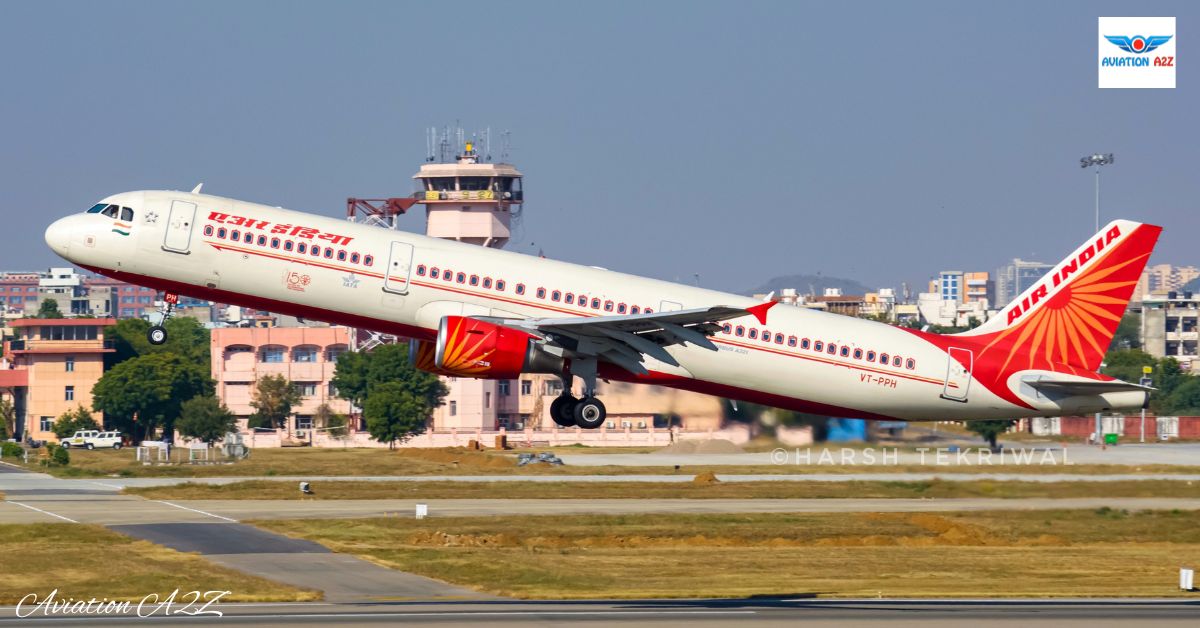
DELHI- Just when the industry was still buzzing over IndiGo’s announcement of its first Airbus A321XLR routes to Europe, Air India made an announcement. The announcement shall shift the conversation altogether.
Air India has confirmed an additional narrowbody aircraft order, comprising 20 Boeing 737 MAX 8s and 10 MAX 10s. While that in itself is notable, the more meaningful development lies elsewhere. As part of the same update, the airline has also converted 15 of its existing A321neo orders into the longer-range A321XLR variant.
This decision is significant because of what it enables Air India to do operationally. The XLR gives the airline a capability it has not had before. The airline will have the ability to operate medium- and long-haul routes with narrowbody economics, without committing to a widebody aircraft.
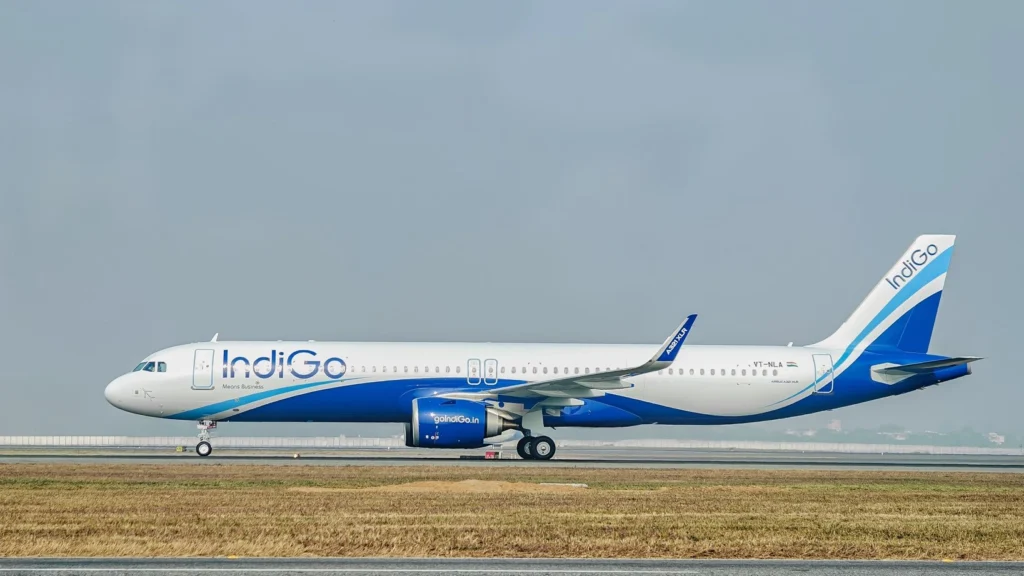
The timing of the announcement is also interesting. It comes just as IndiGo has outlined its own A321XLR plans, including its first long-haul routes. With both carriers now moving into the same aircraft category, the difference will lie not in the airframe itself, but in how it is used.
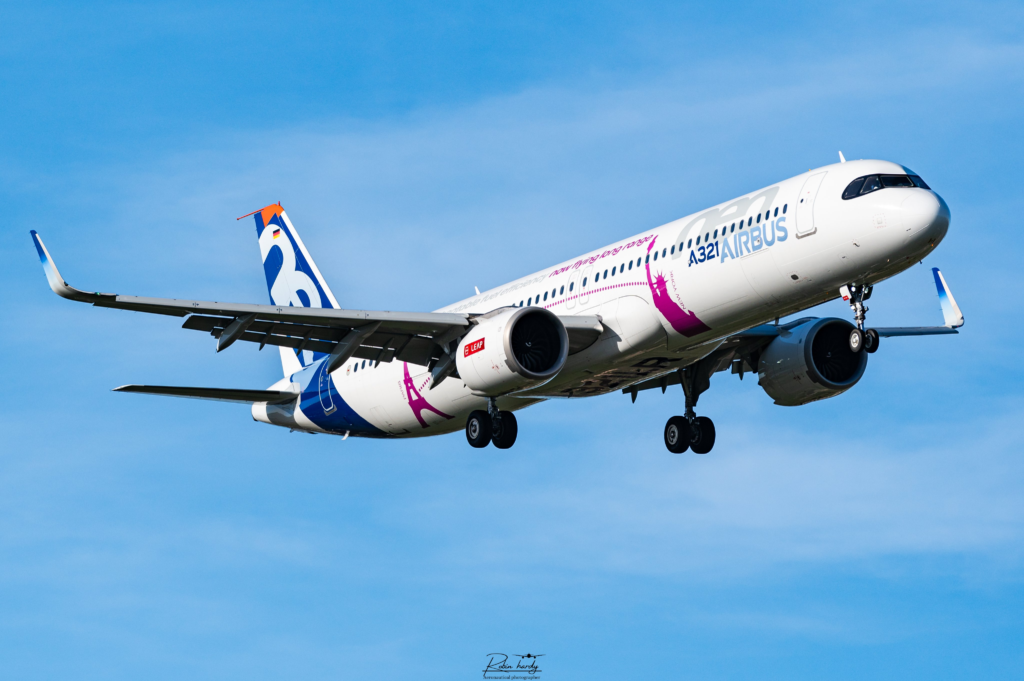
Air India A321XLR Expected Routes
For years, Air India’s international expansion has been with a widebody fleet on long-haul routes. Widebodies were often the only option for longer routes, which meant higher costs, higher risk, and less flexibility when opening new markets. In many cases, routes either had to be launched with large aircraft or not launched at all.
The A321XLR changes that equation. It allows Air India to serve medium-haul international markets that sit beyond the practical range of conventional narrowbodies while still offering better economics than a widebody. This is particularly useful for routes where demand exists but is not yet strong enough to justify larger aircraft.
From a network perspective, this opens up a wide range of possibilities. Routes from southern India to parts of East Asia, West Asia, Europe, and Australia become more viable. From western and northern India, the XLR allows Air India to look at longer sectors that previously required widebody deployment. In simple terms, the aircraft gives the airline more freedom to experiment and adjust capacity based on real demand.
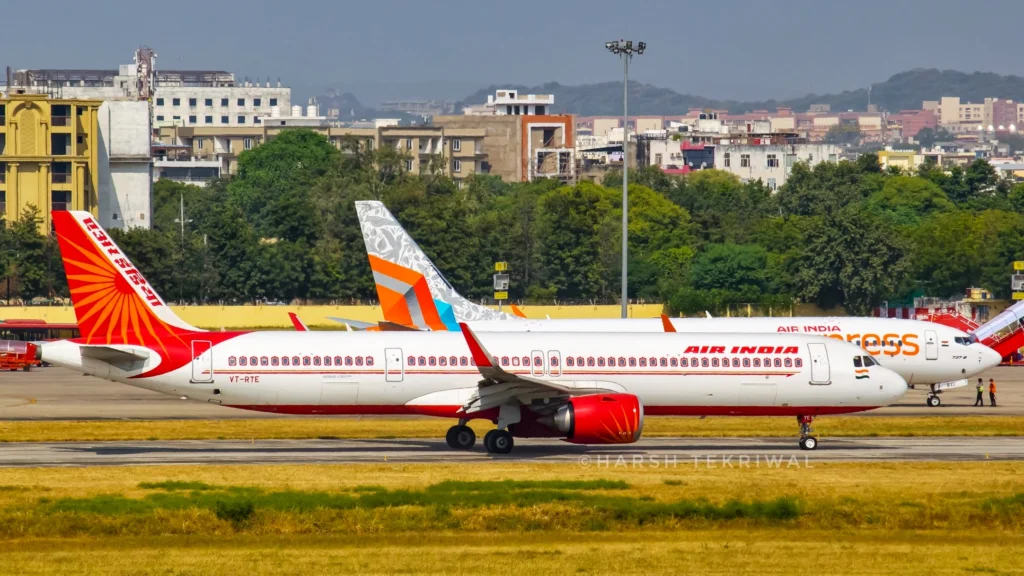
How could A321XLR Help Air India’s Network
Air India’s XLR conversion shows that the airline sees the potential of NB long-haul routes from India. This shall enable the airline to build a stronger network with less demand to warrant wide-body aircraft. A stronger network will help the airline attract more connecting passengers for International-to-International (I2I) transits.
Air India appears to be moving toward a more balanced and cautious expansion model. The airline can now test markets, build traffic gradually, and scale up only when routes prove sustainable. This is a more disciplined approach than what the airline followed in the past.
This thinking can actually prove to be a beneficial one for the airline. Rather than chasing rapid network growth, the focus seems to be on stability, efficiency, and long-term viability. The XLR fits neatly into that approach because it reduces financial exposure while still enabling network expansion.
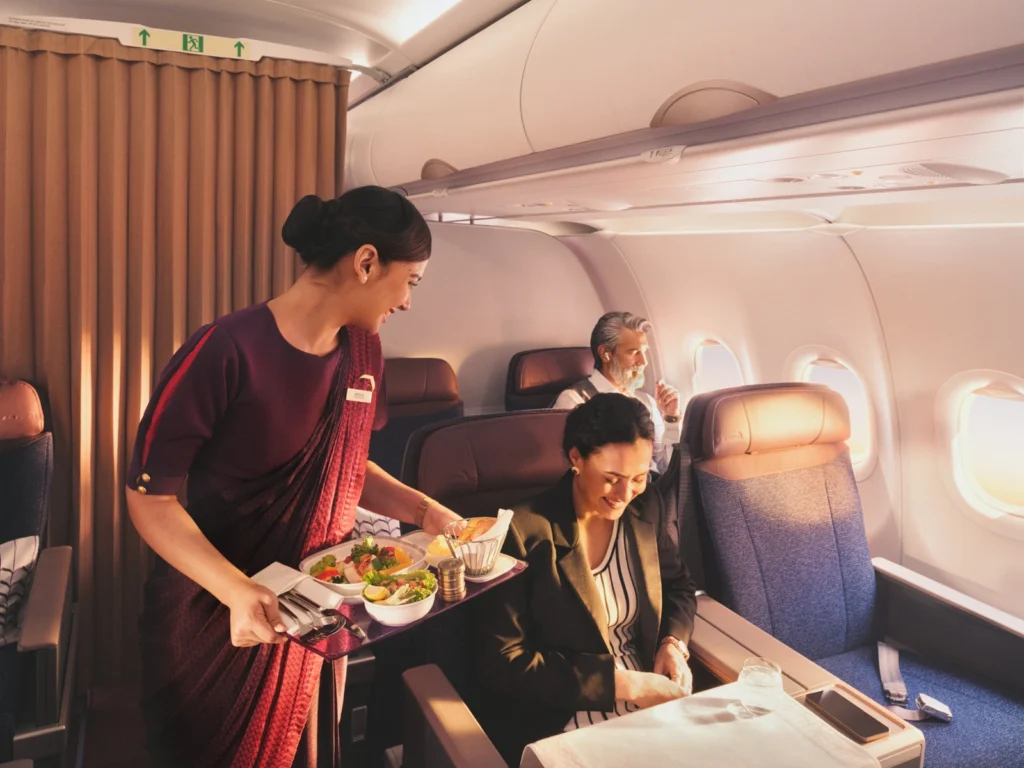
Cabin Configuration Will Be Key
Ever since the announcement of the A321XLR, range has been the most discussed and defining aspect of the aircraft. How Air India configures its XLR fleet will play a major role in determining the aircraft’s range and success.
The aircraft’s strength lies in its ability to fly long sectors efficiently. That advantage can easily be compromised if the cabin is configured too densely. A balanced layout with a proper business class and a comfortable economy section would allow the aircraft to operate longer routes without payload penalties while also offering a competitive product.
This is where Air India has an opportunity to differentiate itself. While IndiGo is operating high-density narrowbodies, a better onboard product can make a meaningful difference, particularly for business travelers and long-haul passengers.
A restrained seating configuration would also give the airline more operational flexibility, allowing it to serve a wider range of destinations without performance limitations.
How This Positions Air India Against Competitors
With both Air India and IndiGo introducing the XLR, comparisons are inevitable. However, the two airlines are approaching the aircraft with very different philosophies.
IndiGo’s strength lies in scale and efficiency, while Air India’s opportunity lies in product and network depth. If Air India uses the XLR to offer a more comfortable cabin and focuses on routes that benefit from a premium offering, it can carve out a distinct position in the market.
This becomes especially relevant on longer international routes, where passenger preference is influenced as much by comfort as by price. A well-configured XLR allows Air India to compete effectively without relying solely on fares.
While the decision to induct 15 XLRs is a solid start, it is a very small amount compared to IndiGo. IndiGo has 68 A321XLRs on order and has already taken delivery of 1 aircraft. Clearly, the airline can still not compete with India’s largest airline, IndiGo.
To also fully integrate the aircraft into its network, Air India will need a larger subfleet. More aircraft would allow for better scheduling, greater network reach, and more flexibility during maintenance cycles.
Given that the airline already has additional A321neo orders in place, converting more of them to the XLR variant wouldn’t be difficult in the future if the airline feels they would need more XLR variant aircraft.
A Practical Step Forward
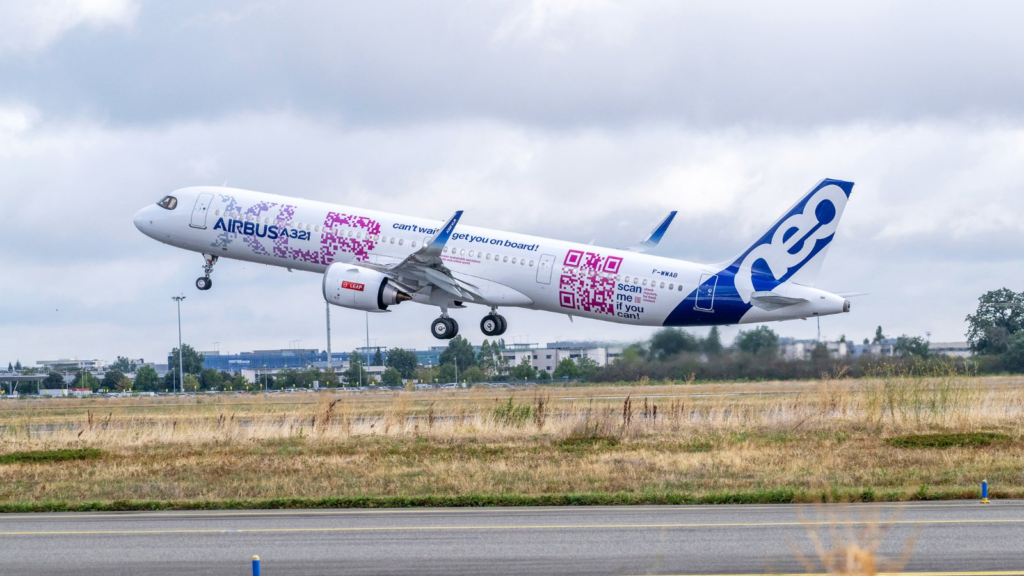
What stands out about this decision is its practicality, and that is precisely why it makes sense. The A321XLRs will give Air India a tool it has long needed. Air India will now have the ability to grow steadily, test new markets carefully, and avoid overcommitting resources.
It does not signal aggressive expansion but rather controlled growth. In the current aviation environment, that is often the smarter choice.
If executed well, the XLR could quickly become one of the most important aircraft types in Air India’s fleet over the next decade. It is not because it flies the longest routes, but because it allows the airline to make better decisions about where and how it flies.
And in the long run, that may matter more than any headline-grabbing announcement.
Stay tuned with us. Further, follow us on social media for the latest updates.
Join us on Telegram Group for the Latest Aviation Updates. Subsequently, follow us on Google News
