

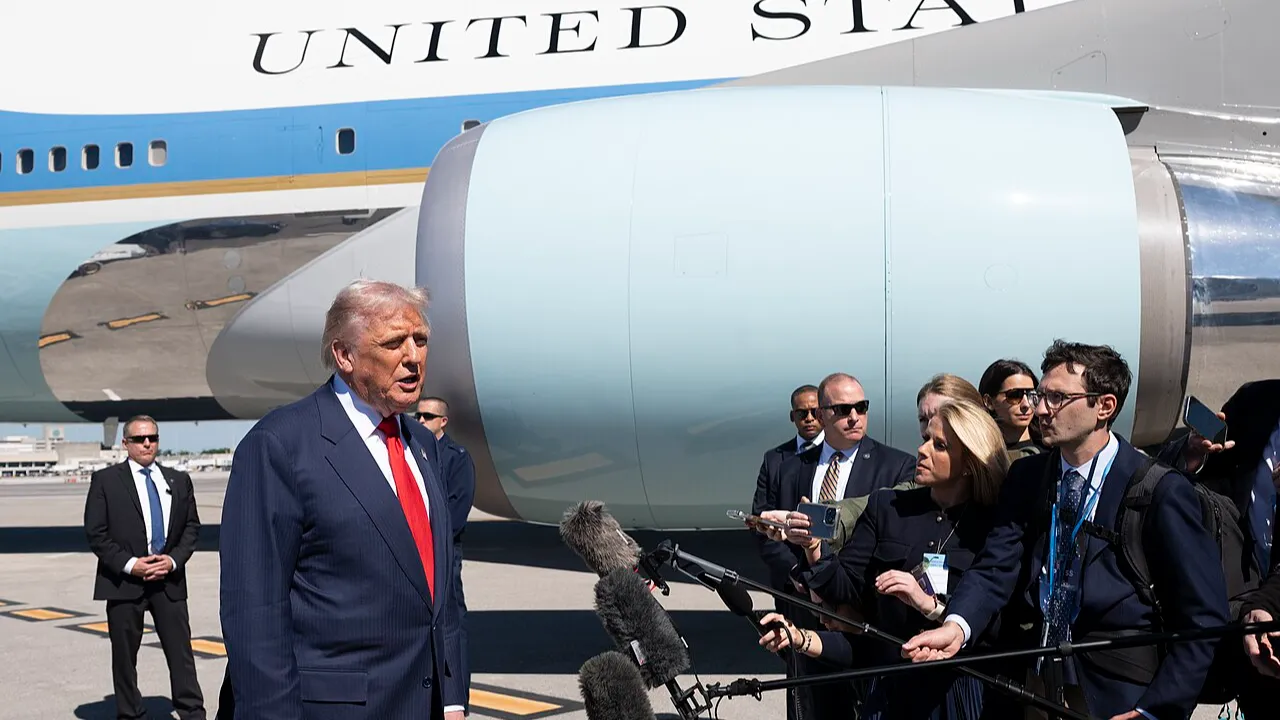
WASHINGTON- President Donald Trump has escalated tensions with Canada by threatening to decertify thousands of Canadian‑manufactured aircraft and impose steep tariffs in a dispute centered on business jet certification. The announcement was made via his Truth Social platform on 29 January.
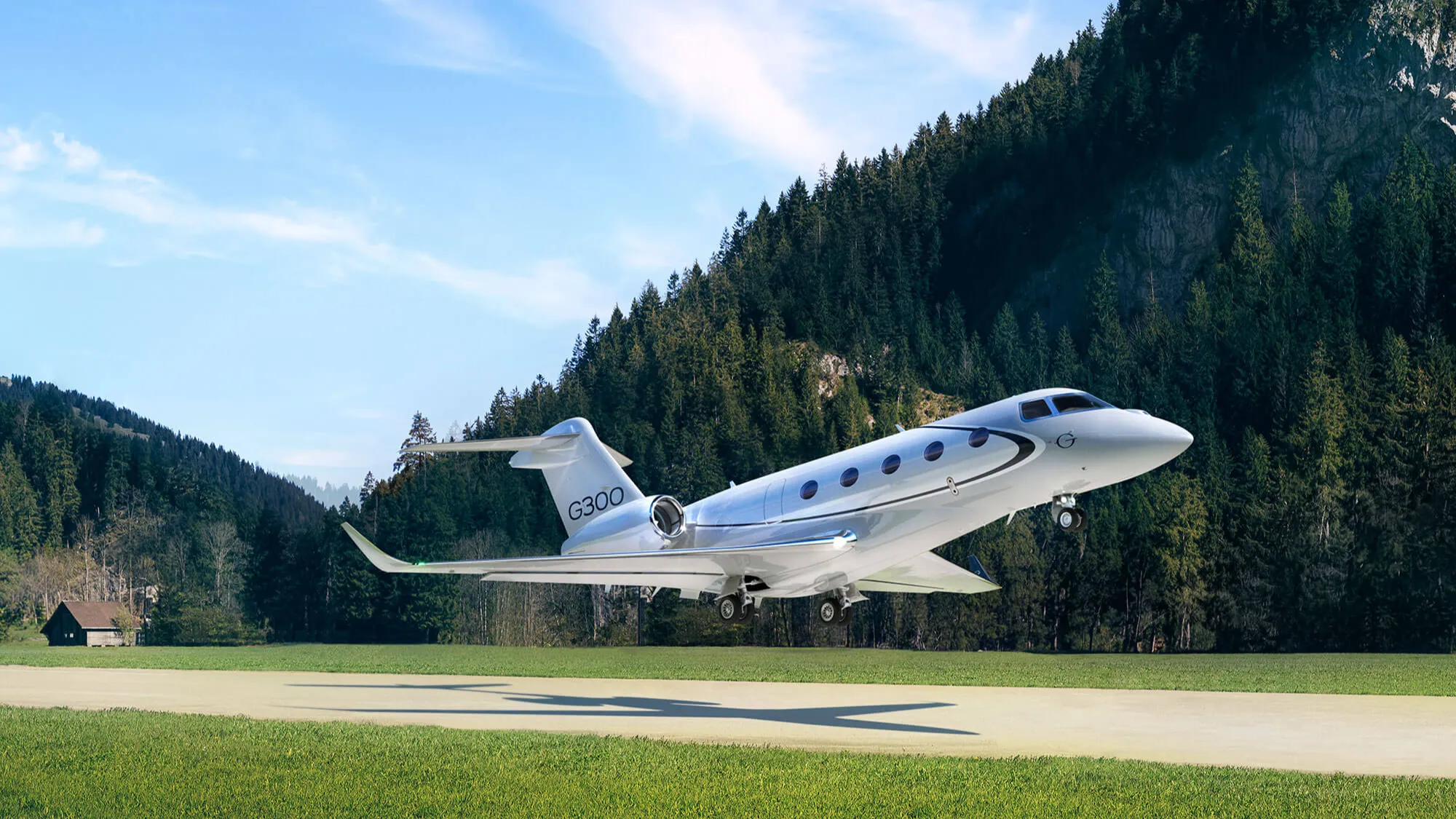
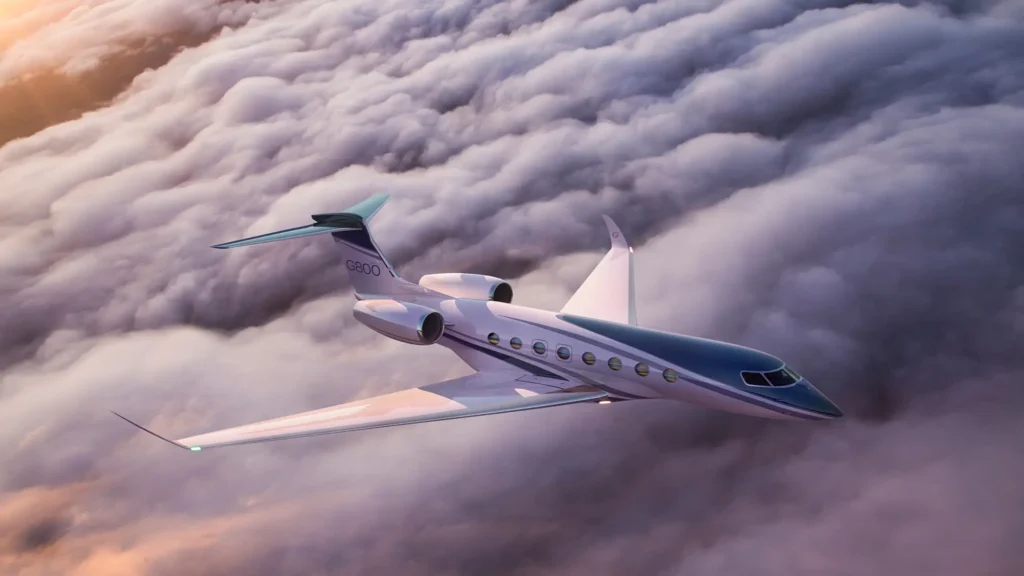
Trump framed the move as retaliation against what he described as Canada’s refusal to grant regulatory approval for key business jets from US manufacturer Gulfstream Aerospace. According to Trump, Transport Canada has “wrongfully” and “illegally” stalled on certifying the Gulfstream G500, G600, G700, and G800 jets.
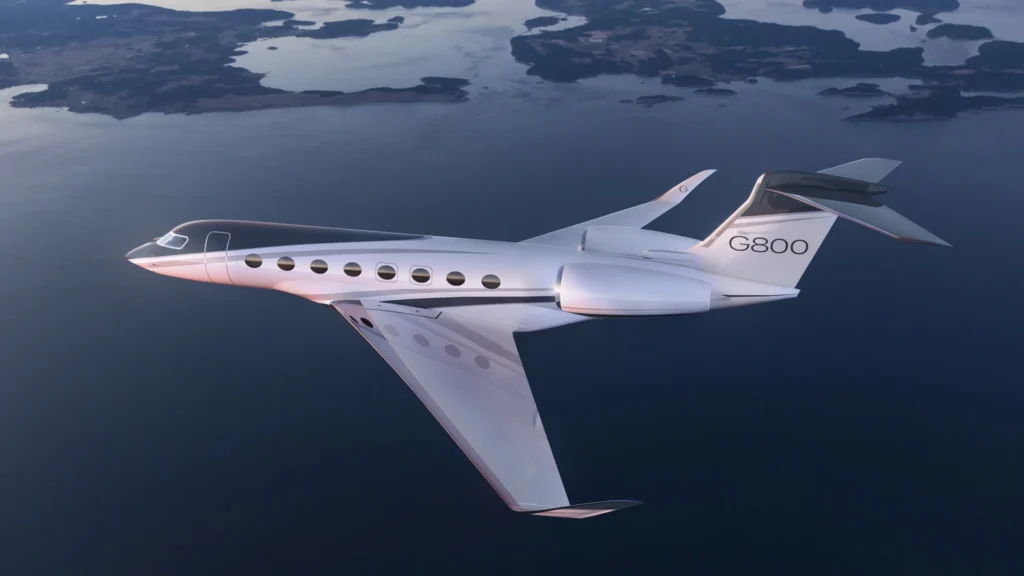
Trump Gulfstream Certification Clash
Trump’s public post asserted the lack of Canadian certification for Gulfstream jets has effectively barred these US‑built aircraft from the Canadian market — a claim Ottawa has not formally confirmed.
He declared that, unless Transport Canada reverses course, the United States will withdraw type certifications for Canadian aircraft, starting with Bombardier’s Global Express family.
The threatened regulatory action could, in theory, affect aircraft sold or operated in the US, but legal experts say the FAA typically revokes certification only on safety grounds.
Aviation regulatory practice does not normally permit unilateral decertification for economic reasons.
Tariff Threat Overview
In addition to regulatory retaliation, Trump warned of a 50% tariff on all aircraft sold from Canada into the United States if the certification dispute is not “immediately corrected”, Flight Global reported.
This unprecedented tariff threat, if enacted, would dramatically raise costs for Canadian‑built aircraft imported into the US and could reshape competition in the business and regional jet markets.
Bombardier, one of Canada’s largest aerospace employers, acknowledged the situation in public statements and said it has engaged with the Canadian federal government to seek clarity and resolution with minimal disruption.
Industry analysts warn that high tariffs and regulatory decertification could ripple through supply chains and damage longstanding trade frameworks that facilitate aviation safety cooperation between the FAA and Transport Canada.

Impact on Airlines and Operations
The aerospace industry already relies on thousands of Canadian‑built aircraft operating in the United States. Operators such as Delta Air Lines (DL), United Airlines (UA), and others use Canadian‑manufactured regional jets and business aircraft in daily service.
While specific aircraft models were not detailed in Trump’s statement, regional jets and business aircraft collectively represent a significant portion of cross‑border traffic.
Experts caution that practical and legal hurdles remain before any revocation of certification or tariffs could take effect. Regulatory processes are governed by bilateral agreements, and aviation safety standards typically cannot be breached for commercial leverage.
The dispute unfolds amid a broader backdrop of tense US‑Canada trade relations, including battles over other tariffs and bilateral agreements.
Canadian Prime Minister Mark Carney has not yet publicly responded to Trump’s latest comments, though officials in Ottawa have historically defended Canada’s regulatory independence.
Bottom Line
The Trump administration’s threat to decertify Canadian aircraft and impose a 50% tariff on Gulfstream jet certification marks a sharp escalation in US‑Canada aerospace and trade tensions.
While the practical impact remains uncertain, the move underscores rising geopolitical pressure on the aviation sector and could have lasting implications for cross‑border aerospace cooperation.
Stay tuned with us. Further, follow us on social media for the latest updates.
Join us on Telegram Group for the Latest Aviation Updates. Subsequently, follow us on Google News
