

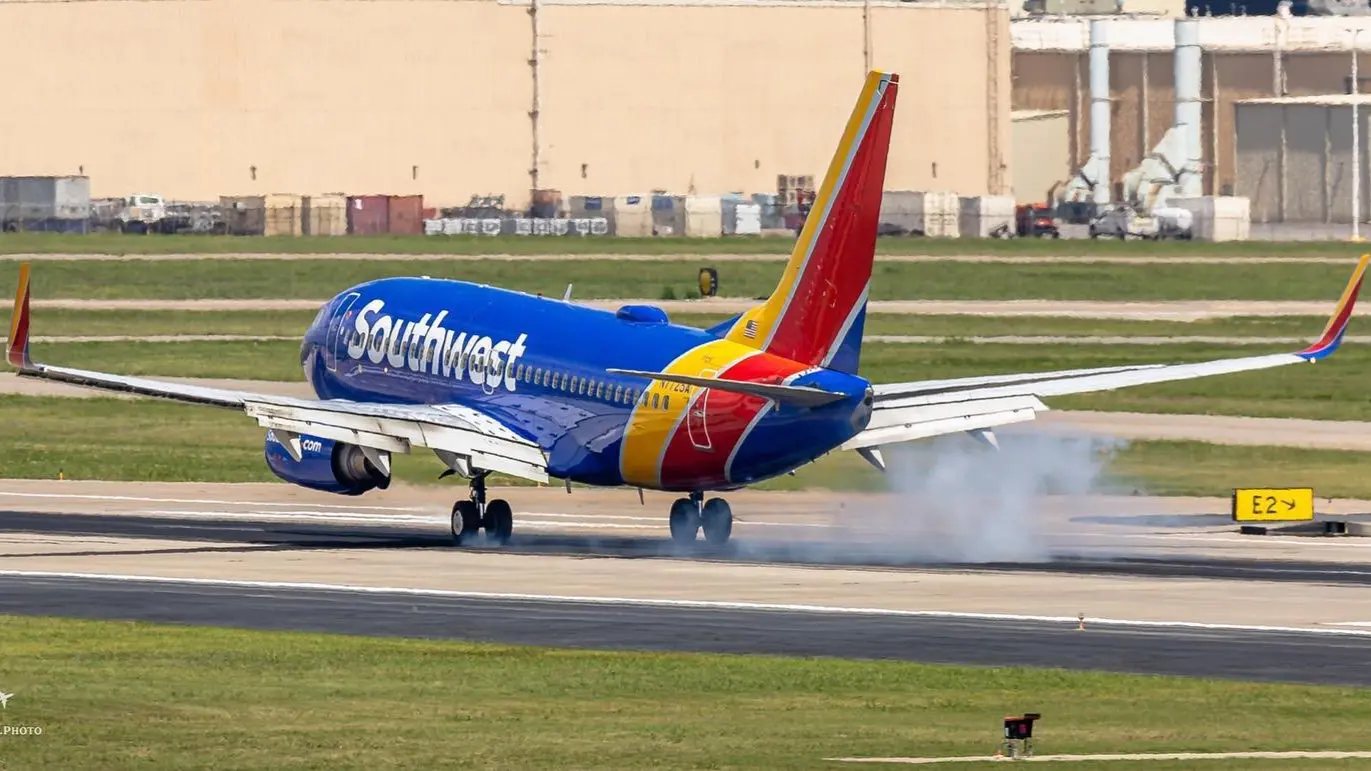
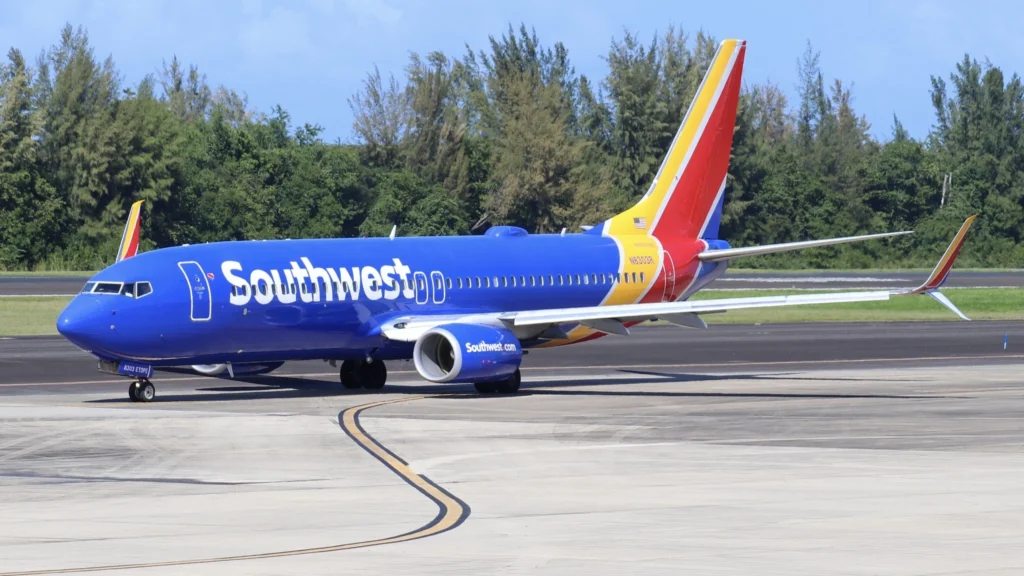
DALLAS- Southwest Airlines (WN) aborted a Boeing 737 takeoff at San Antonio International Airport (SAT) after a private aircraft entered the active runway during departure to Dallas Love Field (DAL).
The incident involved Southwest Flight 4996 and a Pilatus PC-12 and prompted an FAA investigation into runway safety, air traffic control actions, and airport surface operations.
Southwest Pilots Abort Takeoff
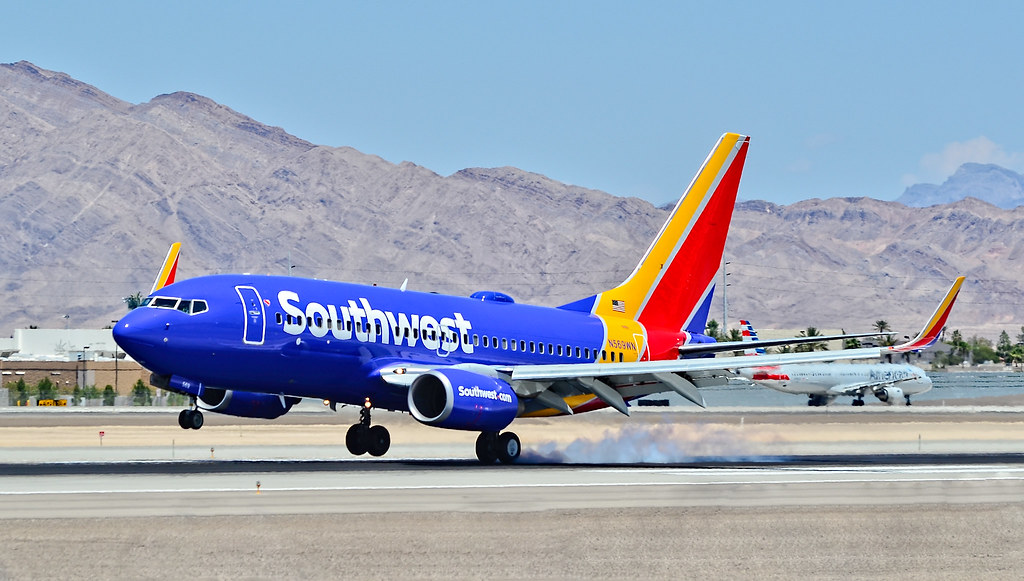
On Tuesday, January 27, 2026, at approximately 1:40 PM, Southwest Flight WN 4996, operating a Boeing 737, was cleared for takeoff from Runway 22 at San Antonio International Airport (SAT). The flight was scheduled to depart for Dallas Love Field (DAL).
As the aircraft accelerated down the runway, a private Pilatus PC-12 general aviation aircraft inadvertently turned onto Runway 22.
The runway was already active, and the conflict immediately created a high-risk situation.
Air traffic control reacted instantly after recognizing that the clearance they had just issued could no longer be used safely.
The tower transmitted an urgent warning, stating, “Oh sh*t, cancel takeoff clearance, cancel takeoff clearance.”
The Southwest crew rejected the takeoff and was able to stop the aircraft on the runway without incident.
ATC Communications and Aircraft Movements
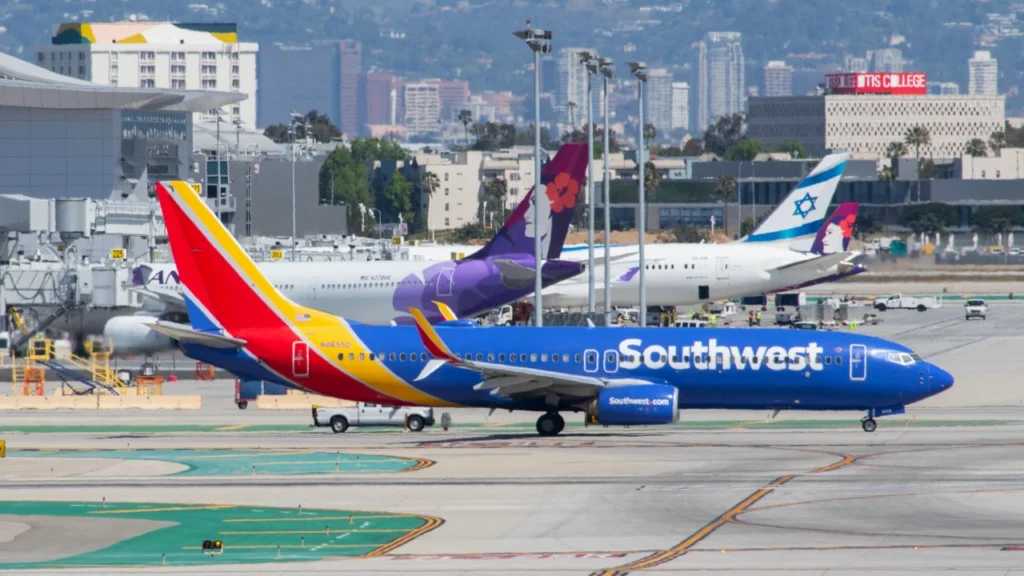
Before the runway incursion, air traffic control cleared Southwest 4996 for takeoff with the instruction “2-2-2 for takeoff,” along with wind information reported as 210 degrees at 9 knots.
Once the controller identified the conflict, they canceled the takeoff clearance and issued multiple instructions to manage traffic safely.
ATC instructed another aircraft on final approach to go around, fly runway heading, and climb to 4,000 feet to maintain separation.
ATC later instructed Southwest 4996 to hold its position on the runway while controllers stabilized the situation. The sequence required rapid coordination among several aircraft within a very short time window.
According to View from the Wing, the Southwest 737 was accelerating at approximately 100 knots when the takeoff clearance was canceled.
Although this is a high speed, it remains within certified limits that allow the crew to safely perform a rejected takeoff if they respond immediately.
A delayed response at this speed could have significantly reduced stopping margins. The crew’s timely action prevented a potential runway collision with the PC-12.
Infrastructure and Operational Constraints
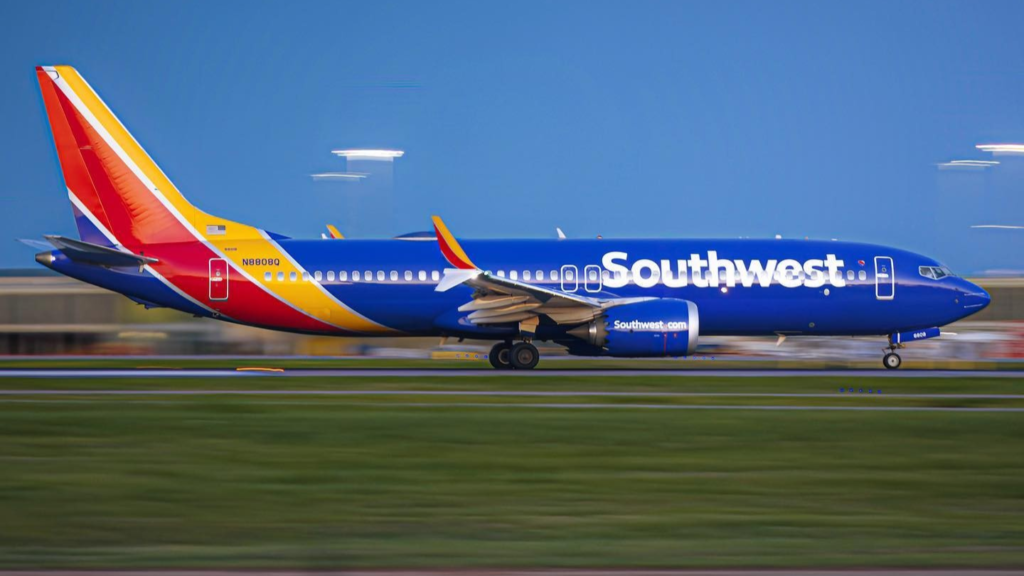
San Antonio International Airport is currently operating with reduced runway availability. Maintenance work has closed Runway 13R/31L for approximately two months, increasing traffic concentration on Runways 4 and 22.
The airport does not have ground radar, limiting the tower’s ability to track aircraft movements on taxiways and runway intersections.
Missed turns by general aviation aircraft are a known and recurring risk at this airport, especially when normal traffic flows change during runway closures.
These conditions increase workload for both pilots and controllers and raise the likelihood of surface movement errors.
FAA Investigation and Safety Implications
The Federal Aviation Administration has opened an investigation into the incident. The review will examine air traffic control procedures, pilot compliance with taxi instructions, and the role of airport infrastructure limitations.
The event underscores the importance of strict taxi discipline, clear surface guidance, and heightened situational awareness during periods of altered airport operations.
Stay tuned with us. Further, follow us on social media for the latest updates.
Join us on Telegram Group for the Latest Aviation Updates. Subsequently, follow us on Google News
