

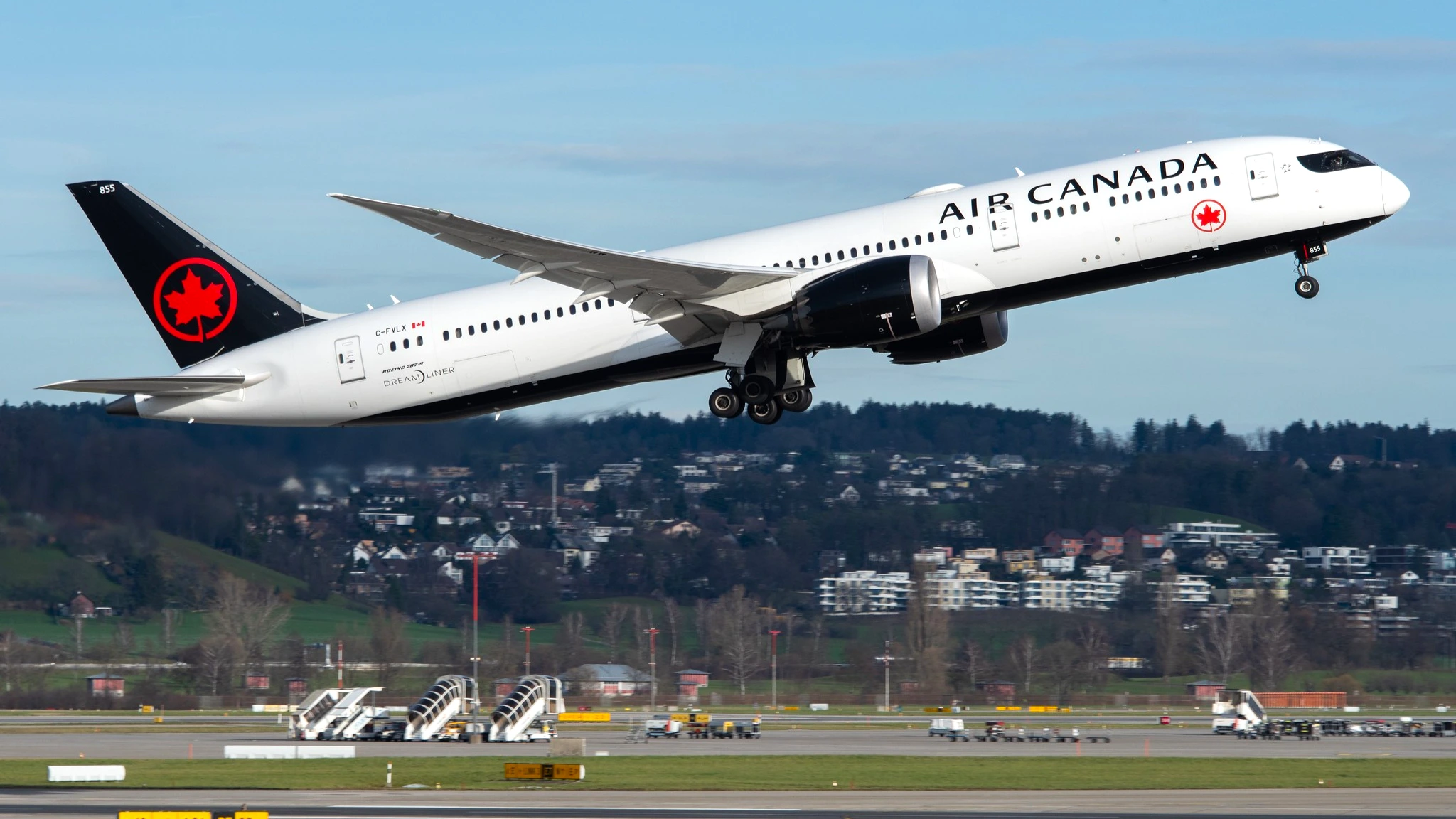
MONTREAL- Air Canada (AC) has announced a significant expansion of its winter 2026–27 network, adding new service to Quito while extending select Europe routes to year-round operations and restoring Mexico leisure flights from Calgary.
The expanded schedule reinforces Air Canada’s global hub strategy at Toronto Pearson (YYZ) and Montréal Trudeau (YUL), while adding connectivity to Quito (UIO), Manchester (MAN), Copenhagen (CPH), Cancun (CUN), and Puerto Vallarta (PVR).
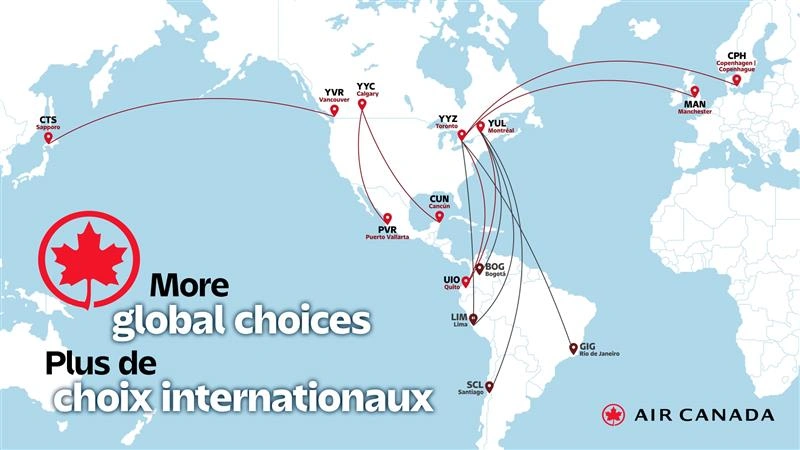
Air Canada New Flights
The winter expansion builds on Air Canada’s broader international growth strategy, following its earlier announcement to launch the only non-stop flights from North America to Sapporo, Japan. Together, these moves highlight the airline’s focus on long-haul connectivity, premium service, and efficient hub-based operations.
Toronto and Montreal remain central to this strategy, enabling seamless connections across North America, Europe, Latin America, and Asia.
The winter schedule also aligns fleet deployment with demand trends across leisure, business, and cargo markets.
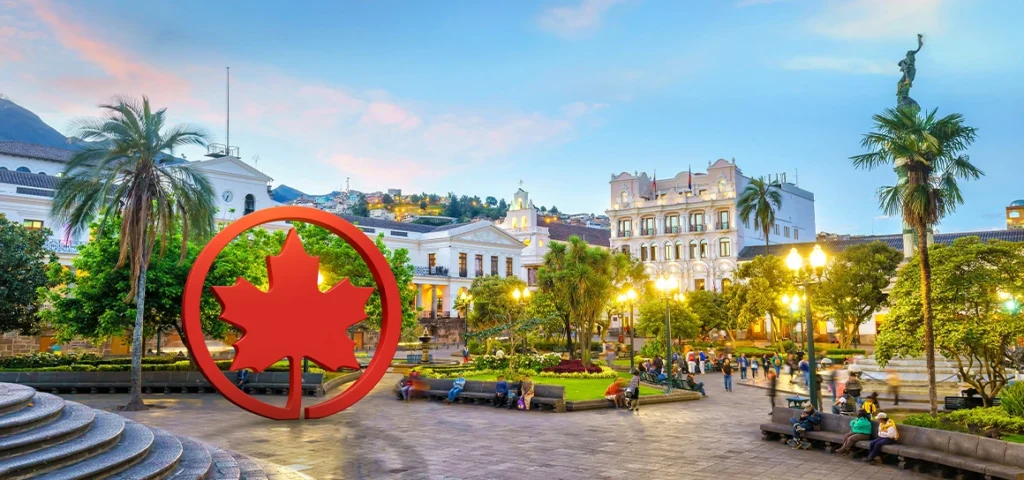
Quito Joins Air Canada’s South America Network
Air Canada will introduce new service to Quito, Ecuador, beginning in early December 2026.
The route will operate three times weekly from Montréal (YUL) and once weekly from Toronto (YYZ), using Boeing 787-8 Dreamliner aircraft.
Flights will feature Signature Class, Premium Economy, and Economy cabins. The schedule is designed to support onward connections through both Canadian hubs, improving access for travelers from North America and Europe. Services will operate through late March 2027, with schedules subject to change.
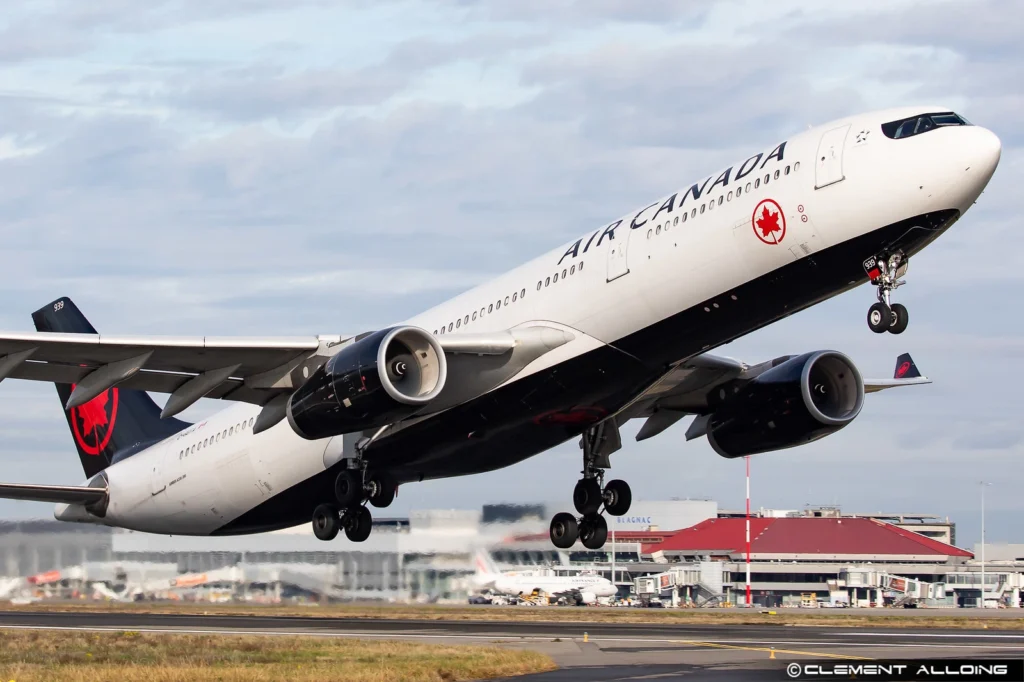
Expanded Latin America Capacity for Winter 2026–27
Air Canada is also increasing winter capacity across several South American markets. Flights from Toronto to Rio de Janeiro and Lima will resume on October 24, 2026, six weeks earlier than the previous winter season.
Service from Montreal to Lima will resume on October 25, 2026, also six weeks earlier, with both Toronto–Lima and Montreal–Lima increasing to three weekly flights.
Montreal–Santiago flights will return on November 26, 2026, three weeks earlier than the prior season, with frequencies rising to four weekly flights.
Flights between Montreal and Bogota will increase to four weekly services. Bogota flights will be operated by Boeing 787 Dreamliner aircraft in a three-cabin configuration, including Air Canada’s Signature Class with lie-flat seating.

Europe Routes Transition to Year-Round Service
Air Canada will convert its Toronto to Manchester and Toronto to Copenhagen routes to year-round operations starting in late October 2026.
Manchester service becomes year-round effective October 25, followed by Copenhagen on October 27.
Both routes will be operated using the Airbus A321XLR, marking the introduction of Air Canada’s first narrow-body aircraft equipped with Signature Class lie-flat seats. These services are enabled by the airline’s new A321XLR base at Toronto Pearson, complementing an earlier base announced at Montréal Trudeau.
Calgary Gains Non-Stop Mexico Sun Routes
From December 2026, Air Canada will restore non-stop flights from Calgary (YYC) to Cancun (CUN) and Puerto Vallarta (PVR).
Cancun will operate four times weekly, while Puerto Vallarta will operate three times weekly through April 2027.
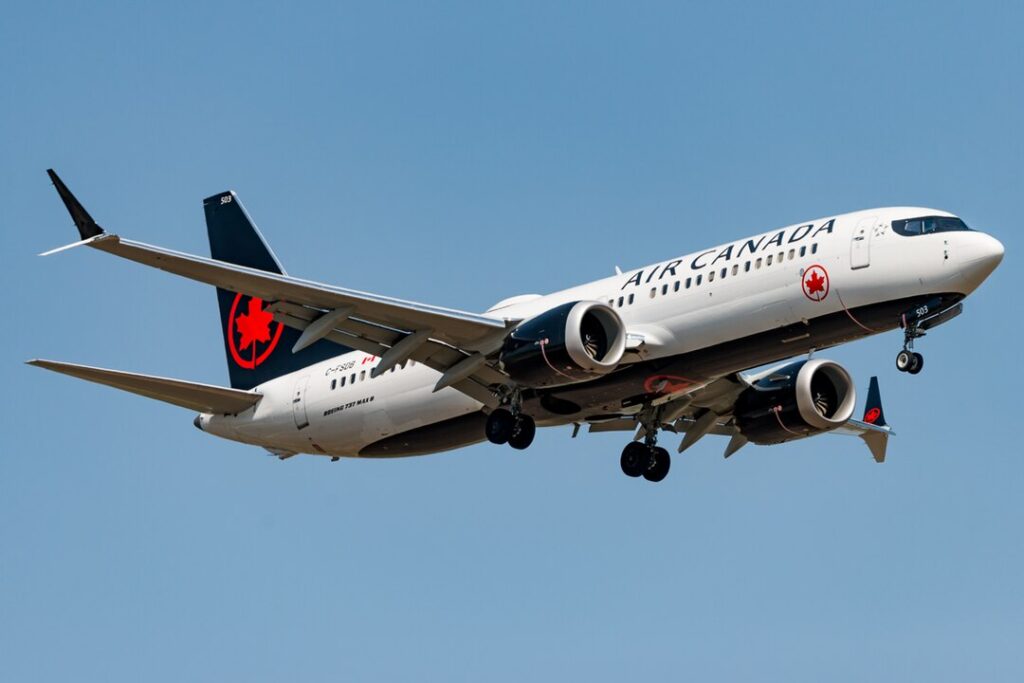
Both routes will be flown by Air Canada Rouge using Boeing 737 MAX aircraft. The product includes premium and economy cabins, complimentary beer and wine, Canadian snacks, and Wi-Fi access for Aeroplan members.
Quito Travel Guide
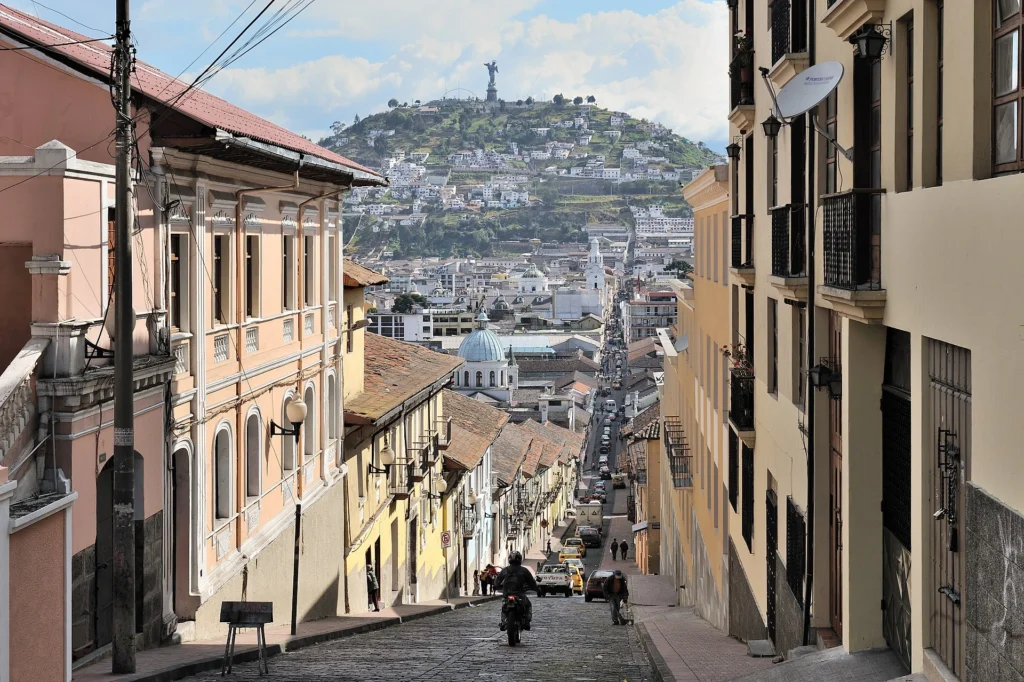
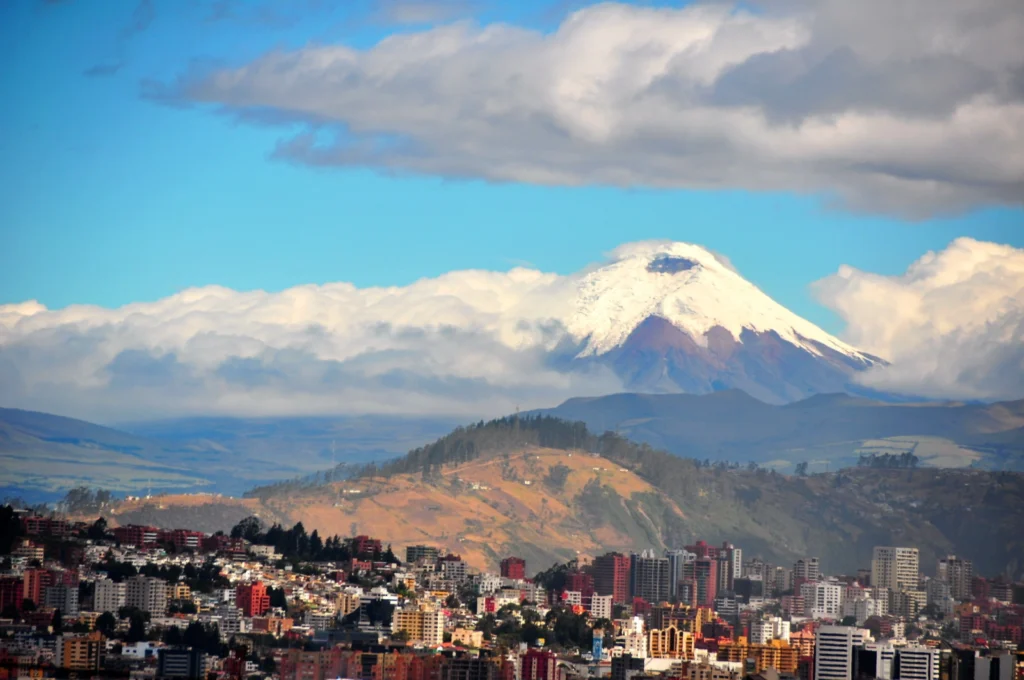
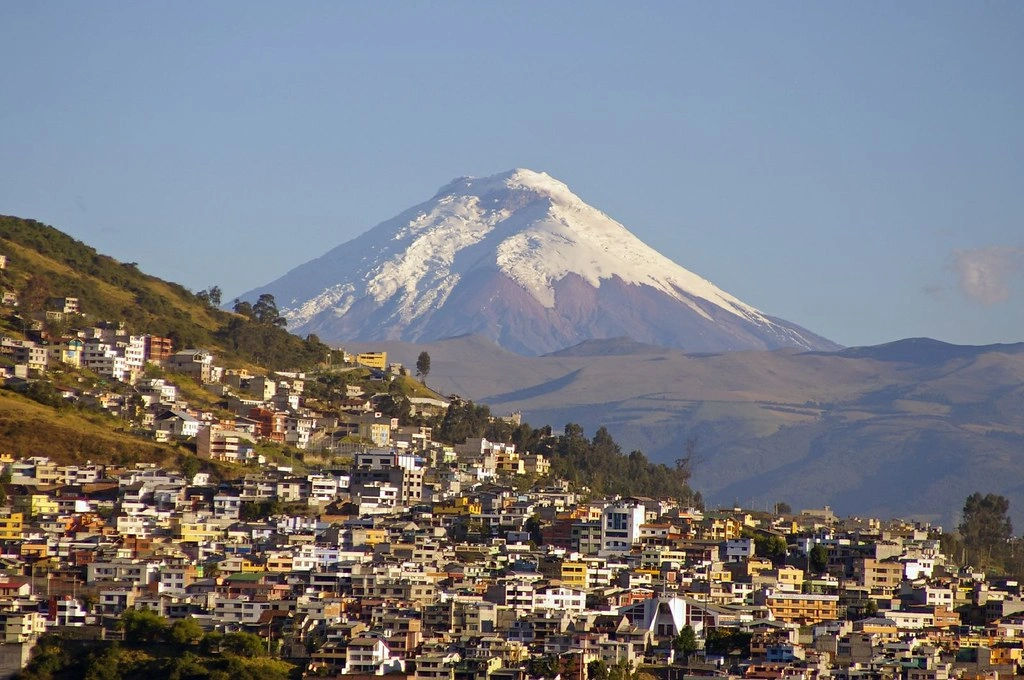
Quito is the political capital and cultural center of the country, set high in the Andes and framed by volcanic peaks. The city blends preserved colonial heritage with modern urban life.
Its UNESCO-listed Old Town, location near the equator, and strong local identity make Quito a rewarding stop for travelers exploring mainland Ecuador.
Understanding Quito Beyond the Basics
Quito sits at 2,850 meters above sea level, making it one of the highest capital cities in the world. Its altitude shapes daily life, climate, and travel pace. Visitors often notice cooler temperatures, thin air, and dramatic city views from almost every direction.
The historic center is among the best preserved in Latin America. Churches, monasteries, and civic buildings reflect Spanish colonial design layered over earlier Indigenous foundations. Outside the Old Town, Quito expands into modern districts with parks, museums, nightlife, and residential neighborhoods that show how the city functions today.
Historic Landmarks and Cultural Highlights
Quito Old Town
The Old Town is a UNESCO World Heritage Site and the city’s historical core. Plaza Grande anchors the area and is surrounded by key institutions such as the Presidential Palace, Metropolitan Cathedral, and government buildings. Narrow streets reveal centuries of architecture, religious art, and public squares.
Basilica del Voto Nacional offers panoramic city views and is one of the most visited landmarks in Quito due to its scale and location.
Churches and Monasteries
La Compañía de Jesús stands out for its gold-covered interior and layered architectural styles. Construction took over 160 years, resulting in one of Ecuador’s most elaborate religious buildings.
Monasteries such as San Diego, Santo Domingo, and San Agustín reflect early colonial history. San Diego dates back to 1534 and remains the oldest church in Ecuador, with original elements still visible despite earthquake repairs.
Geography, Views, and Outdoor Spaces
El Panecillo
El Panecillo is a hill overlooking central Quito and is topped by a 140-foot aluminum statue of the Virgin of Quito. The site offers wide city views and historical context, as it once held an Inca temple and later a Spanish lookout point. Visits are safest by taxi or organized transport.
TelefériQo Cable Car
The TelefériQo ascends the slopes of Pichincha Volcano to over 12,000 feet. On clear days, visitors can see multiple volcanoes and large sections of the city. Hiking trails extend from the upper station but require good weather and physical preparation due to the altitude.
Parks and Green Areas
Parque Metropolitano is the city’s largest green space, covering over 1,400 acres with trails, viewpoints, and picnic areas. It is also a strong spot for birdwatching.
La Carolina Park houses the Quito Botanical Garden, which showcases Ecuador’s ecosystems, orchid collections, bonsai trees, and native plant species.
Markets, Neighborhoods, and Daily Life
Local Markets
Quito’s markets offer insight into regional food, crafts, and daily routines. Mercado Artesanal La Mariscal focuses on handicrafts, textiles, and souvenirs. Inaquito Market and Santa Clara Market are better for local food and produce.
Otavalo Market, located outside Quito, is the most famous Indigenous market in the region and is often visited as a day trip.
Neighborhoods to Know
La Mariscal is a nightlife and tourist hub with bars, restaurants, and hostels. Prices are higher, but it is active and well connected.
La Floresta attracts locals with cafes, galleries, street art, and independent cinemas. It offers a quieter and more creative atmosphere.
Safety and Practical Awareness
Quito has a low risk of violent crime, but petty theft is common in crowded areas and on public transport. Visitors should stay alert, avoid displaying valuables, and use registered taxis or rideshare services.
Certain areas, such as El Panecillo and parts of the Old Town, are best avoided at night. Neighborhoods like Plaza Foch, La Ronda, and República del Salvador are considered safer after dark.
Travel insurance is strongly recommended to cover health issues, theft, or trip disruptions.
Costs, Budget, and Accommodation
Quito remains affordable for most travelers. Hostel dorms range from $6 to $15 per night, while budget hotels and private rooms typically cost between $25 and $100. Food is inexpensive, especially at markets and set lunch menus called almuerzos.
Backpackers can manage on around $30 per day, while midrange travelers average about $105 per day. Higher budgets allow for hotels, tours, and frequent dining out.
Popular hostel areas include La Mariscal and the Historic Center, offering easy access to major attractions.
Transportation and Getting Around
Public buses are the cheapest way to travel, with fares around $0.25 per ride. Buses stop running around 9 PM and can be crowded.
Taxis and Uber are widely available and affordable. Always ensure taxis use meters.
Quito also operates a free bike-sharing system called BiciQuito, though registration requires advance paperwork.
Best Time to Visit Quito
Quito has a mild but cool climate year-round due to its elevation. Average daytime temperatures hover between 15°C and 18°C. Evenings are cold, so warm layers are necessary.
Peak travel periods are June to September and December to January. Shoulder months offer fewer crowds and stable weather, making them ideal for city exploration.

Fleet Strategy Supporting Long-Haul and Leisure Growth
The winter schedule reflects Air Canada’s dual fleet approach. Widebody Boeing 787 aircraft support long-haul growth in South America, while the Airbus A321XLR enables efficient year-round transatlantic service on thinner routes.
This strategy allows Air Canada to scale capacity while maintaining product consistency across premium and leisure markets. Flights for the expanded winter schedule are now available for purchase via the airline’s official channels.
Stay tuned with us. Further, follow us on social media for the latest updates.
Join us on Telegram Group for the Latest Aviation Updates. Subsequently, follow us on Google News
