


COPENHAGEN— The Royal Danish Air Force (RDAF) is preparing to retire its final Lockheed Martin F‑16 fighter jets at a formal farewell ceremony scheduled for 18 January at Skrydstrup Air Base (SKS) in southern Denmark. This event marks the end of a distinguished 46-year chapter for the multi-role F-16 Fighting Falcon in Danish military service.
Denmark’s F‑16 fleet, first flown in 1980, has been a backbone of national and NATO air operations for decades. The jets performed combat and patrol missions in regions including Afghanistan, Iraq, and Libya, and played a key role in NATO Baltic Air Policing missions in Estonia and Lithuania.
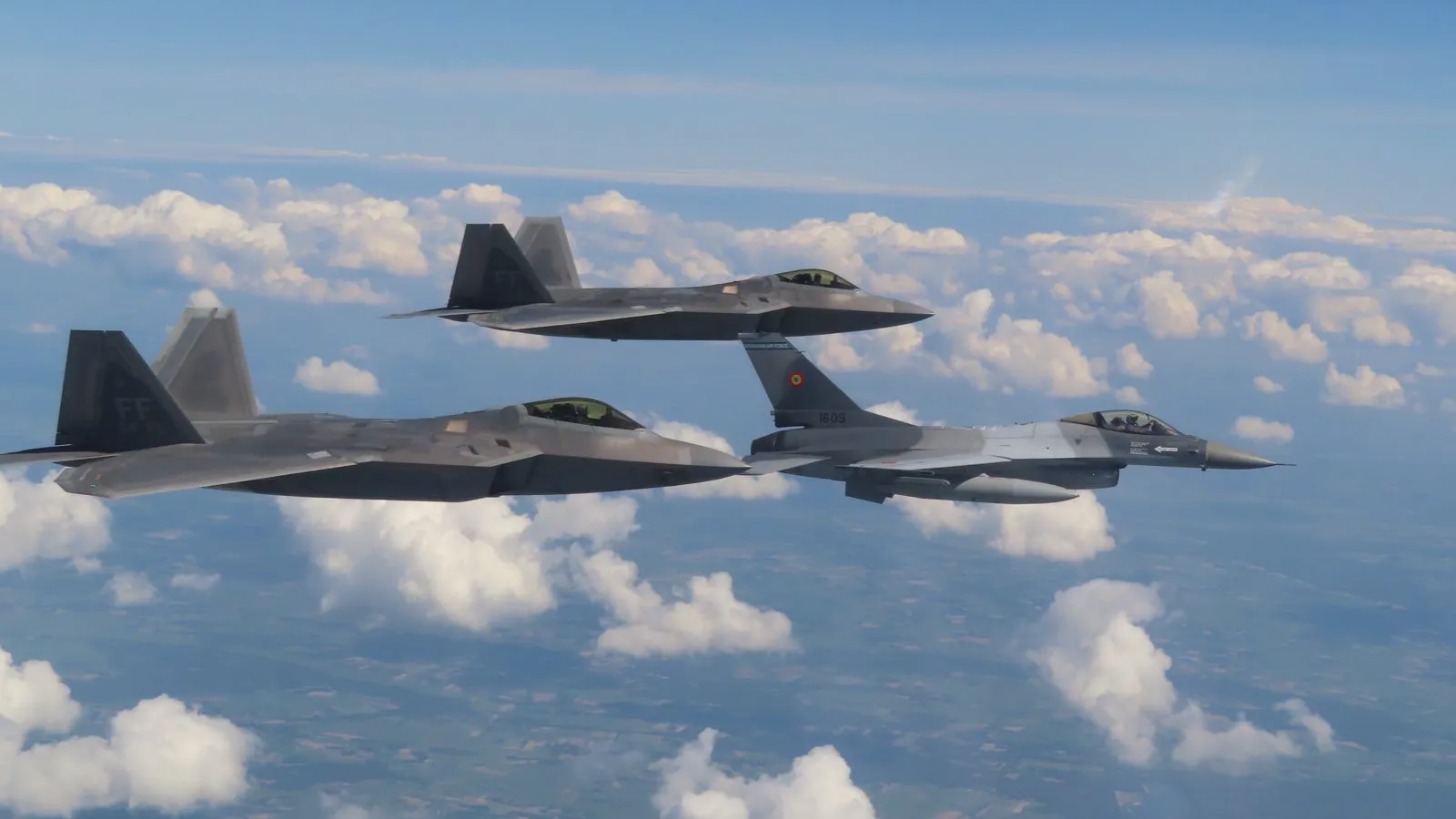
Denmark to Retire F‑16 Fighter Jet
The Danish Air Force originally acquired a total of 58 F‑16A/B models, and later received additional examples during the aircraft’s service life.
These jets were regularly deployed on international operations and NATO commitments, demonstrating Denmark’s contribution to collective defence.
Over the years, Danish F‑16s helped safeguard Icelandic and Greenlandic airspace, contributing to regional stability in the North Atlantic.
The Fighting Falcon’s adaptability allowed it to conduct air policing, interception, and ground attack missions on behalf of the RDAF.
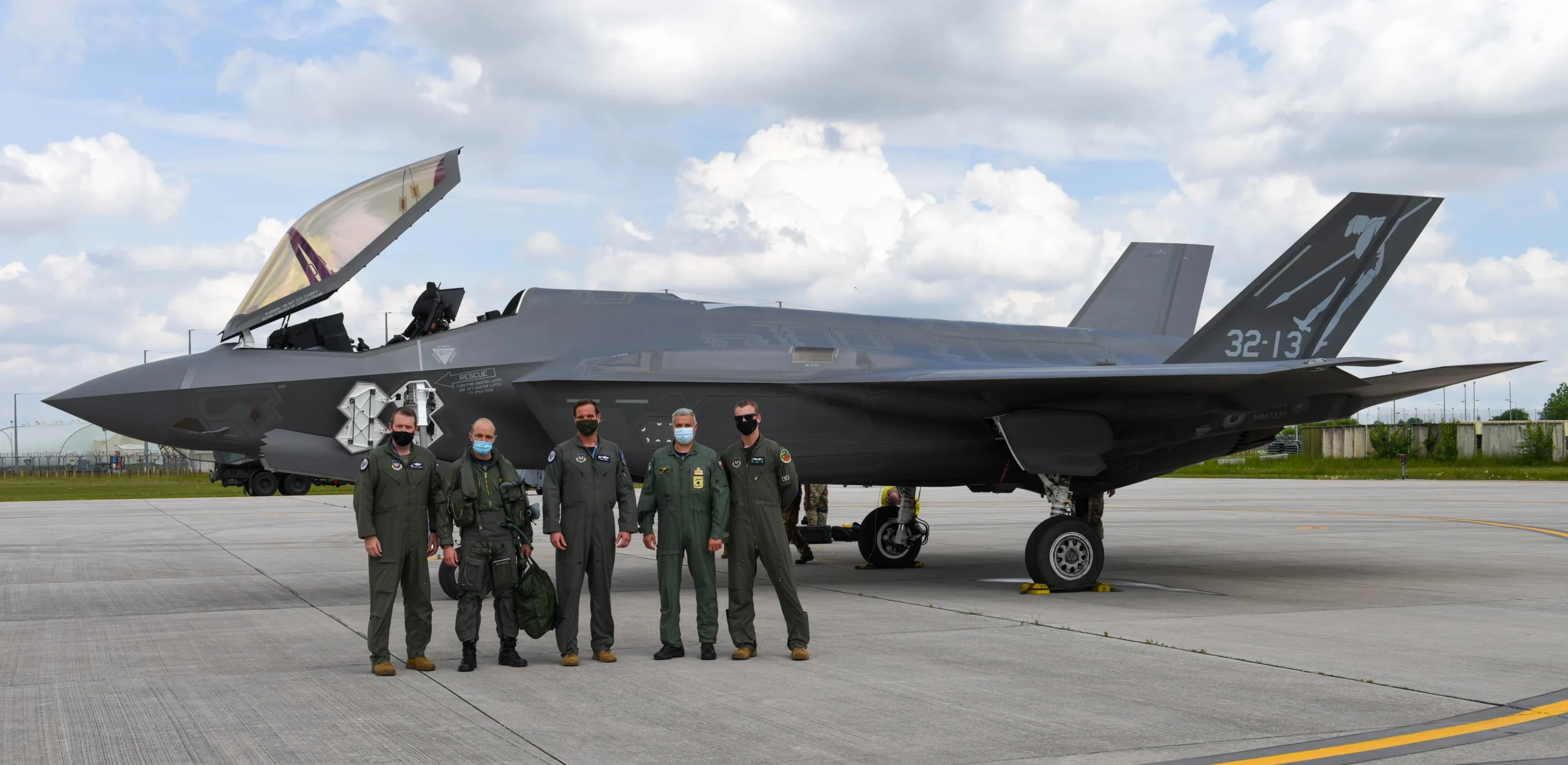
RDAF’s Transition to F‑35
In recent years, Denmark has been phasing in the fifth-generation Lockheed Martin F-35A Lightning II to replace its F-16 fleet. The RDAF now operates F‑35As at Skrydstrup Air Base alongside its legacy jets, with plans to expand the fleet significantly.
According to Flight Global, aviation analytics data shows Denmark has fielded 20 F‑35As and intends to grow its force to 43 aircraft, up from an earlier plan of 27 jets.
This expanded procurement is described by defence leadership as a historic strengthening of Danish air power.
The farewell event will feature the F‑35 alongside the outgoing F‑16s, highlighting the evolution of Denmark’s air combat capability. Denmark’s defence minister, Troels Lund Poulsen, and air force commander Major General Jan Dam are slated to attend.
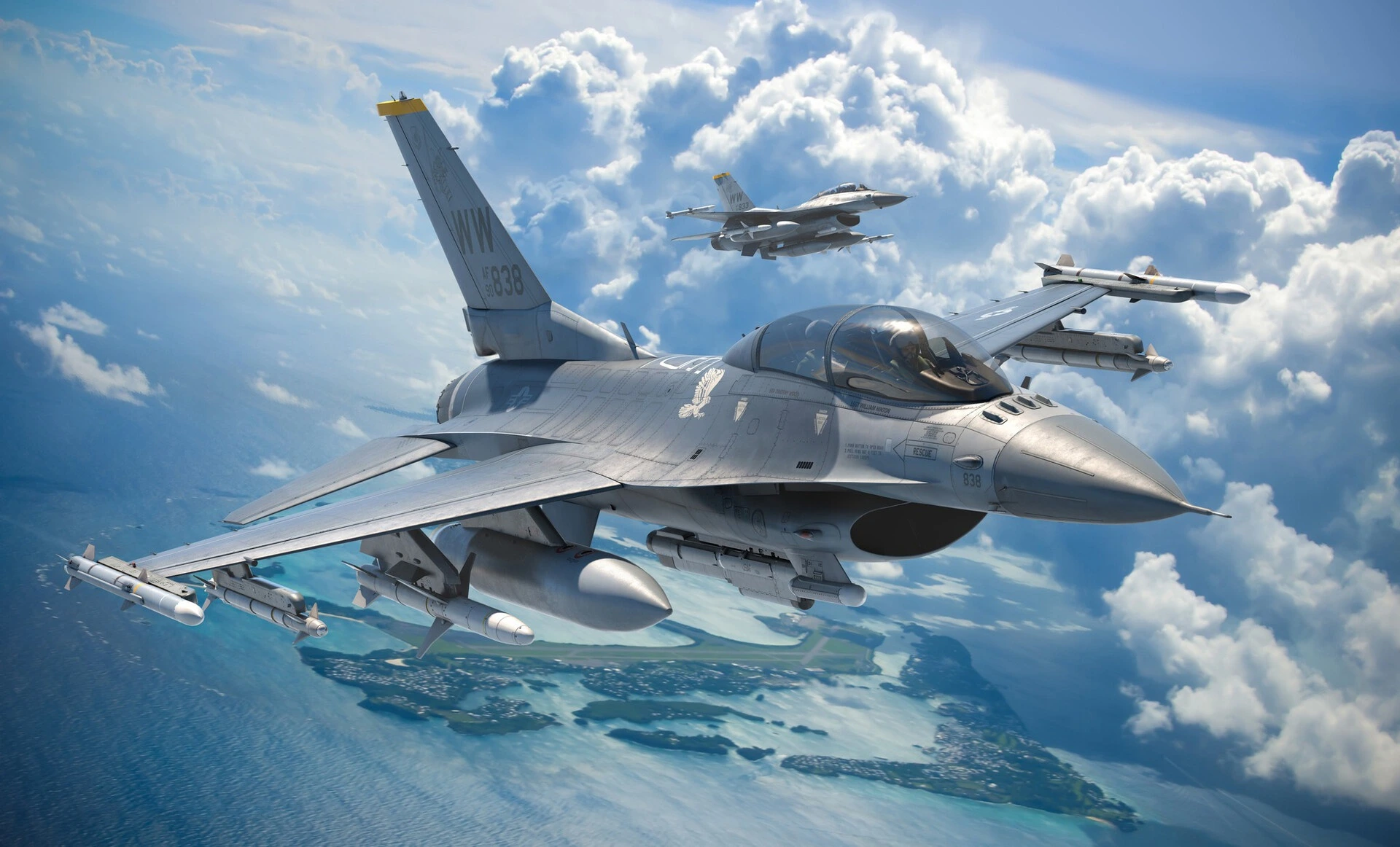
Disposal and Reuse of F‑16s
Despite their age, many of the remaining F‑16s are in sound condition thanks to meticulous maintenance by the RDAF. The Danish defence ministry states that this has allowed some jets to be repurposed rather than scrapped outright.
Several F‑16s, along with spare parts and training support, have been donated to Ukraine’s armed forces to bolster their air defence capabilities amid the ongoing conflict. This contribution forms part of Denmark’s broader support for Ukraine.
The remaining jets have been sold to Argentina, which began receiving its first aircraft in December 2025 as part of a larger deal for 24 surplus fighters. These jets are expected to enhance Argentina’s air combat capability after years without modern supersonic fighters.
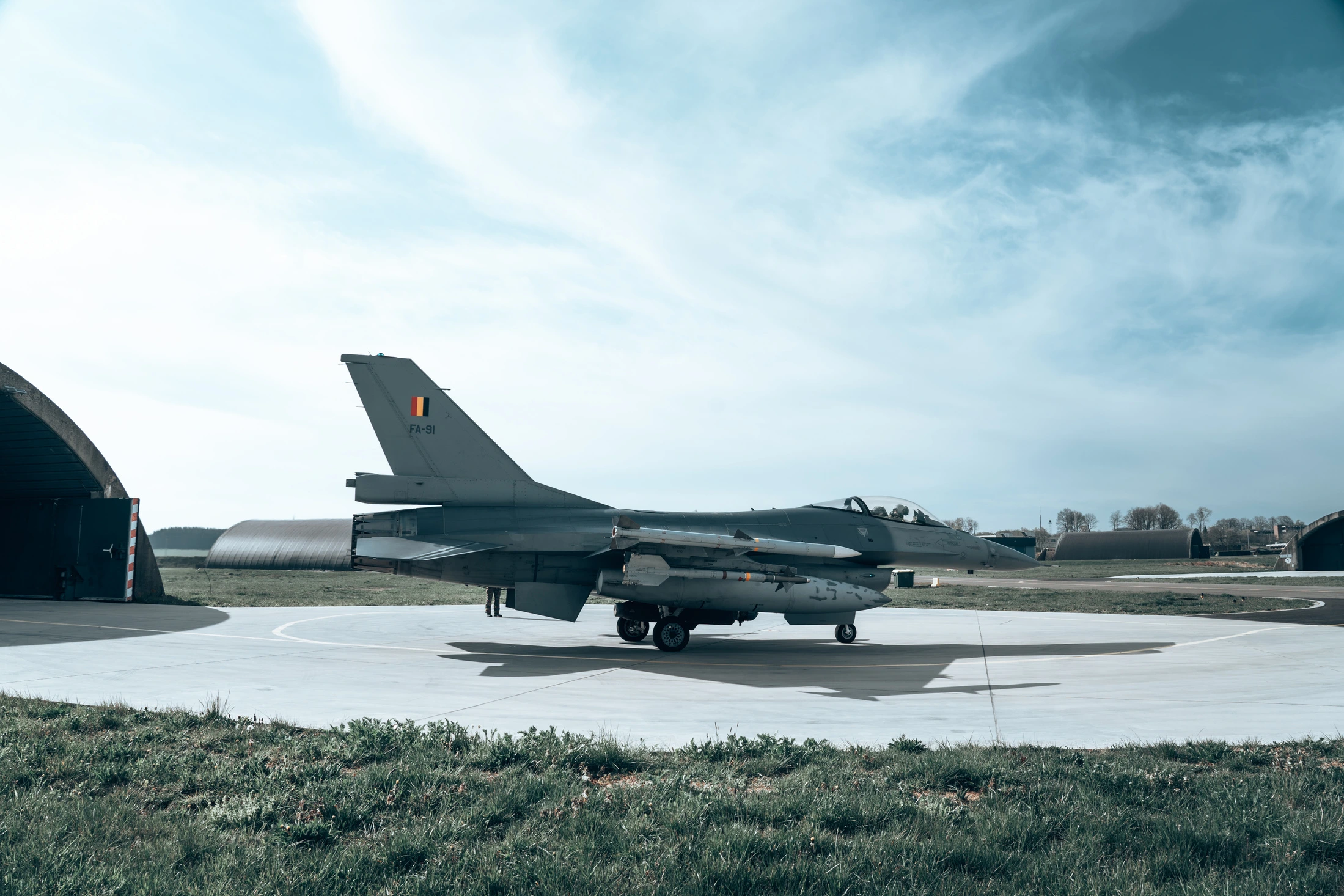
NATO Role and Impact
Denmark’s F‑16s have been instrumental in NATO’s air policing and defence missions. RDAF fighters were routinely deployed under NATO’s Baltic Air Policing scheme, helping protect the airspace of Estonia and Lithuania, where local air forces lack their own fighter fleets.
The F‑16’s versatility allowed it to conduct Quick Reaction Alert duties, standing ready to intercept unidentified aircraft approaching allied airspace.
The transition to F‑35s will see these tasks gradually taken over by the more advanced platform as it reaches full operational capability.
Bottom Line
The Royal Danish Air Force’s retirement of its final F‑16 fighters closes a significant chapter in the nation’s defence history.
Skrydstrup Air Base’s 18 January farewell will not only commemorate four and a half decades of service but also showcase the shift to a modern F‑35A fleet.
With several aircraft destined for Ukraine and Argentina, Denmark’s legacy in the F‑16 community will endure beyond its own skies.
Stay tuned with us. Further, follow us on social media for the latest updates.
Join us on Telegram Group for the Latest Aviation Updates. Subsequently, follow us on Google News
