


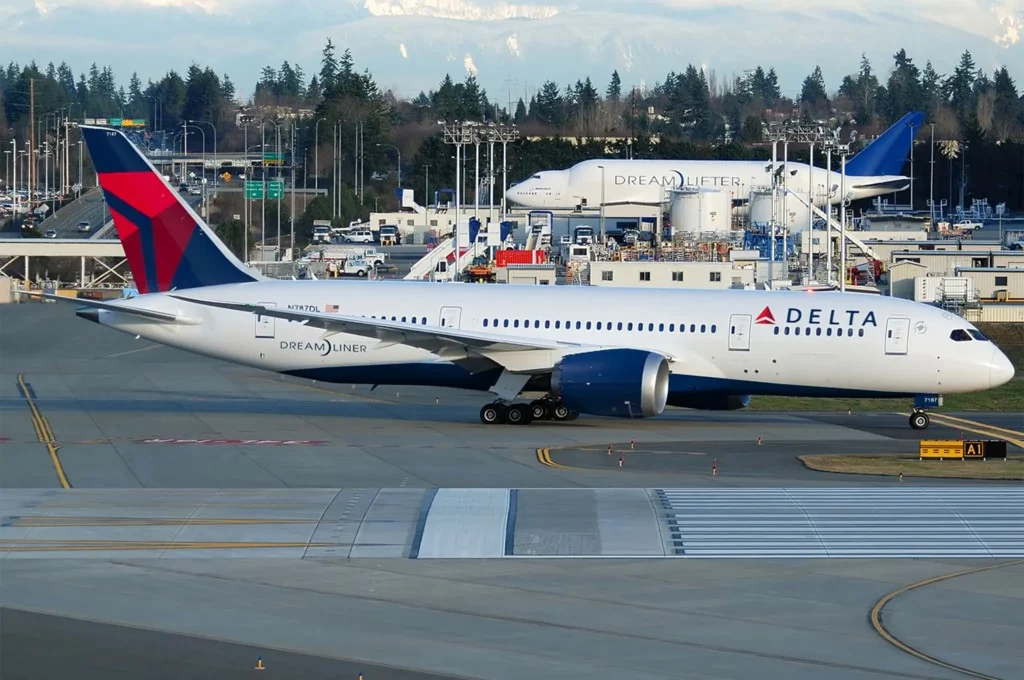
SEATTLE- Boeing has secured a major widebody order from Delta Air Lines (DL), marking the U.S. carrier’s first direct purchase of the 787 Dreamliner family. The deal covers 30 Boeing 787-10 aircraft, with options for 30 more, aimed at long-haul growth and fleet renewal.
Delta Air Lines (DL), headquartered in Atlanta (ATL), plans to deploy the Boeing 787-10 on high-demand international routes across Europe and South America. Deliveries are scheduled to begin in 2031, aligning with the airline’s long-term replacement strategy for aging widebody aircraft.
Delta Orders Upto 60 Boeing 787-10s
The Boeing 787-10 is the largest variant of the Dreamliner family, positioned above the 787-8 and 787-9 in seating capacity.
In a typical high-density configuration, it can accommodate up to 336 passengers, although Delta’s final layout will depend on its premium-heavy cabin design.
The aircraft delivers around 25 percent lower fuel consumption per seat compared with the jets it replaces. This gives the 787-10 the lowest operating cost per seat of any widebody aircraft currently in production, making it well-suited for dense long-haul markets.
Delta’s agreement with Boeing consists of:
- 30 firm Boeing 787-10 orders
- Options for up to 30 additional aircraft
This structure provides flexibility as Delta phases out older widebodies while adjusting capacity to future international demand.
ALSO READ: Delta Don’t Fly Boeing 787 Because of Unbuilt 797, Why?
Why the 787-10 Fits Delta’s Network
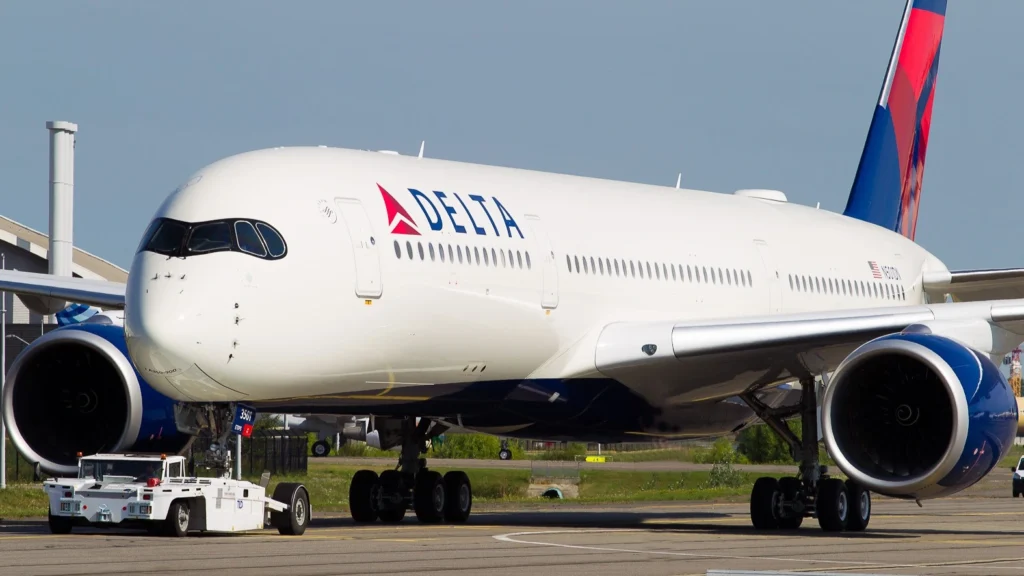
The 787-10 offers the range required to operate Delta’s full Europe and South America network without the higher trip costs of larger aircraft like the Airbus A350.
Compared with the Airbus A330-900neo, the 787-10 is slightly larger and delivers stronger per-seat economics on high-demand routes.
Passenger comfort is another factor. The Dreamliner features larger windows, improved cabin humidity, and lower cabin altitude pressurization. These design elements aim to reduce fatigue on long-haul flights and improve the overall onboard experience.
How the Order Aligns With Fleet Replacement Plans
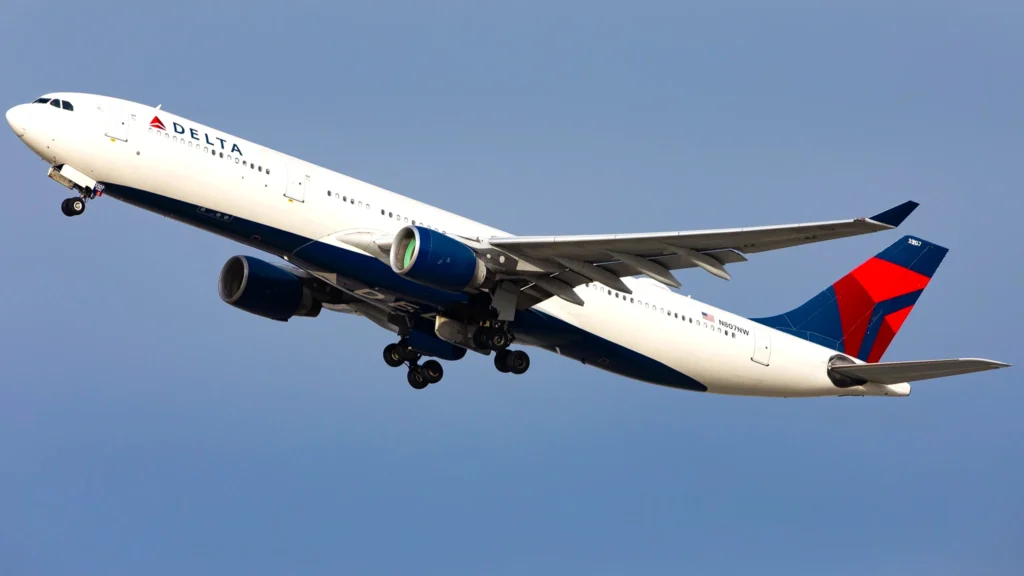
Delta’s current widebody renewal has focused heavily on Airbus aircraft. The airline operates 40 Airbus A350-900s, with additional A350-900 and A350-1000 aircraft on order, primarily for transpacific and ultra-long-haul services. It also flies 39 Airbus A330-900neo aircraft, mainly on transatlantic routes.
Alongside these newer jets, Delta continues to operate aging widebodies. The fleet includes 42 Airbus A330ceos, averaging 16 to 20 years in age, and 59 Boeing 767 aircraft.
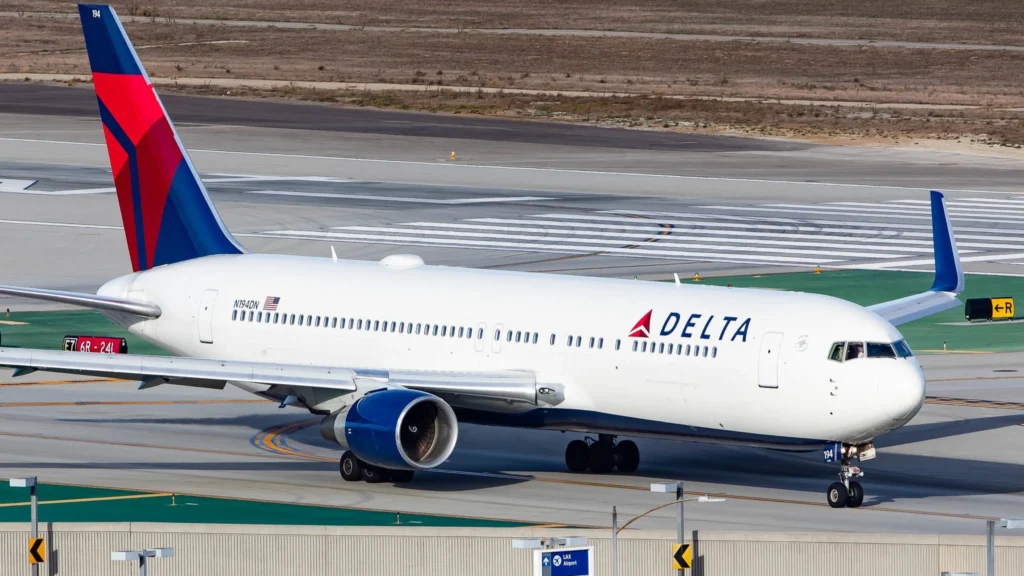
The Boeing 767-300ERs, in particular, are on average 25 to 30 years old and are expected to be withdrawn from international operations toward the end of the decade. The first 787-10 deliveries from 2031 align directly with this retirement timeline.
Capacity Implications for Delta’s Network
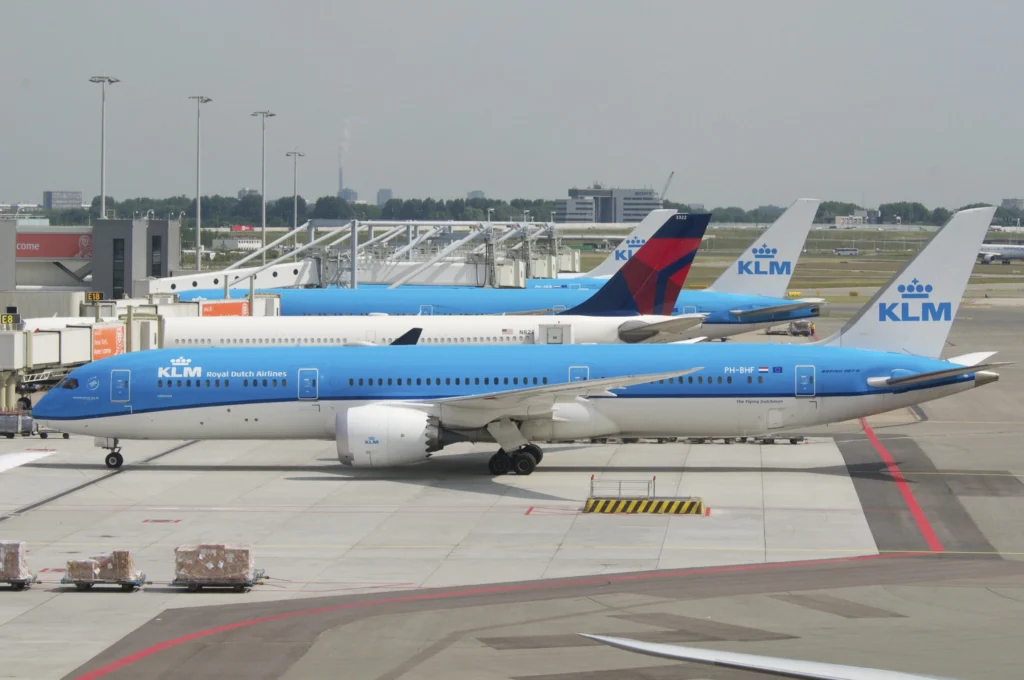
As new aircraft enter service, Delta’s smallest long-haul aircraft is likely to become the Airbus A330-900neo, which typically seats around 280 passengers in Delta configuration. This represents more than a 30 percent increase in capacity compared with the Boeing 767-300ER, which seats just over 210 passengers.
While this shift improves unit costs, it will require careful route planning in thinner international markets where demand may not always support larger aircraft.
The 787-10’s fuel efficiency directly supports Delta’s broader emissions reduction goals. Lower fuel burn translates into reduced carbon emissions per seat, aligning with the airline’s long-term sustainability commitments while also lowering operating costs.
Strengthening the Boeing–Delta Partnership
Delta currently operates more than 460 Boeing aircraft across its fleet, including both narrowbody and widebody models. With this order, Delta’s firm Boeing backlog rises to 130 aircraft, including 100 Boeing 737-10 jets.
For Boeing, the deal supports U.S. aerospace manufacturing and sustains jobs across its production system and supplier network, reinforcing its role as a major U.S. exporter.
Bottom Line
Delta Air Lines has placed a firm order for 30 Boeing 787-10 Dreamliners, with options for 30 more, marking its first direct purchase of the type.
Deliveries from 2031 will support long-haul growth, replace aging Boeing 767s, and rebalance Delta’s widebody fleet alongside the Airbus A330neo and A350. The 787-10’s strong per-seat economics make it a logical fit for Europe and South America, even as larger aircraft reshape capacity across Delta’s international network.
Stay tuned with us. Further, follow us on social media for the latest updates.
Join us on Telegram Group for the Latest Aviation Updates. Subsequently, follow us on Google News
