

ISTANBUL- An aviation journalist based in Istanbul has claimed that Turkish Airlines (TK) placed him on its internal no-fly list, raising concerns about press freedom and airline accountability. Ali Kıdık says the ban represents an effort to silence critical reporting about operational and safety-related issues at the national flag carrier.
The claim surfaced after Kıdık shared an email from Turkish Airlines confirming that he would not be permitted to travel on the airline for several months. The decision has triggered debate within Türkiye’s media and aviation circles about whether airlines can restrict access to journalists over critical coverage.
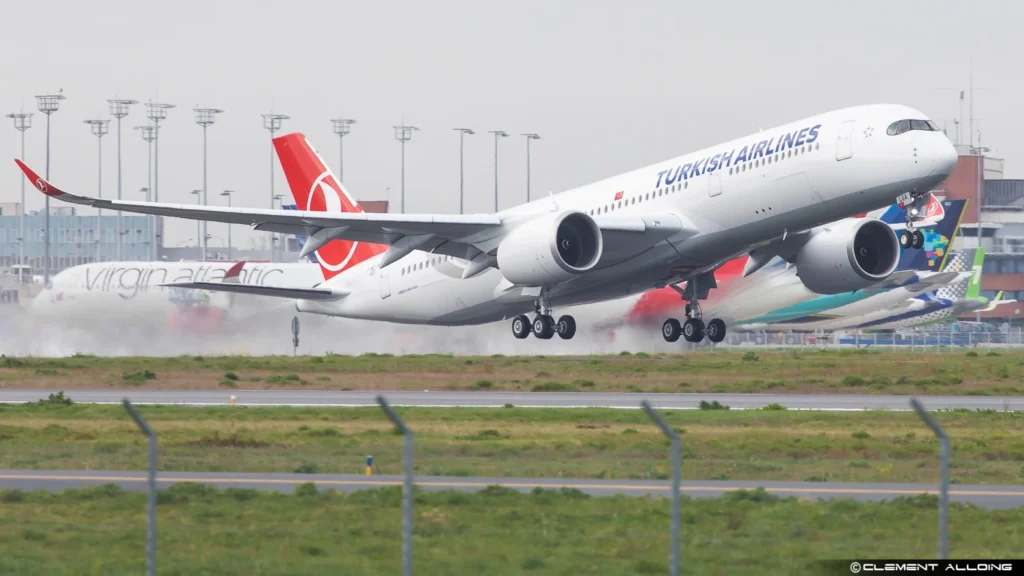
Turkish Airlines Bans Journalist
Ali Kıdık, a well-known aviation reporter with a large social media following, said Turkish Airlines informed him that he had been added to its Safe Flight Passenger Tracking System.
According to the email, the airline barred him from flying until July 12, 2026, citing conduct that could harm its brand image, reported Paddle Your Own Kanoo.
The message stated that airlines reserve the right to deny transport to passengers whose actions or shared content are deemed damaging. Turkish Airlines openly linked the ban to content it believes undermines its reputation, rather than to any onboard safety or behavioral incident.
Kıdık responded publicly, arguing that blacklisting a journalist for aviation reporting amounts to censorship.
He warned that such measures could discourage reporters from covering safety issues, operational problems, or alleged wrongdoing within the airline industry.

Official Remarks
While Turkish Airlines did not specify the exact trigger for the ban, it followed reporting by Kıdık about internal uniform policies.
He had claimed that cabin crew were restricted from wearing certain pin badges, including symbols linked to the Turkish flag and Mustafa Kemal Atatürk.
The report sparked strong reactions online and prompted wider public discussion. Some commentators argued that the airline was enforcing long-standing uniform rules rather than introducing new restrictions, pointing to internal regulations that allow only approved seniority badges.
Despite the growing attention, the airline’s official spokesperson has not publicly commented on the journalist’s claims.
The lack of clarification has fueled further scrutiny of how airlines balance brand protection with tolerance for external criticism.
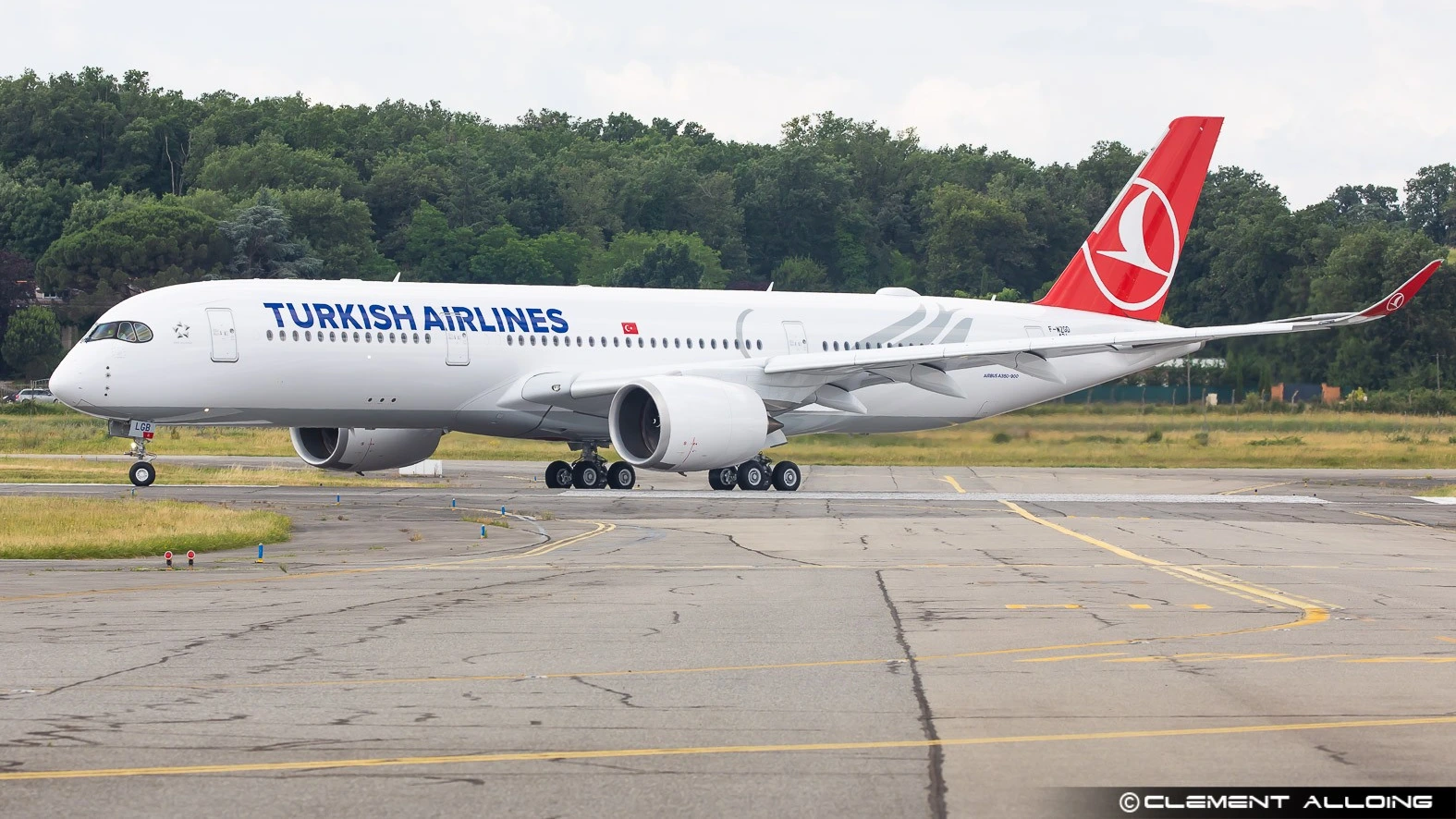
Bottom Line
The case highlights a broader tension between airlines and independent media voices in the digital age.
While carriers argue they must protect their brand image, journalists maintain that critical reporting plays a vital role in aviation safety and transparency.
Similar disputes have emerged globally, including cases where airlines restricted access to bloggers or reviewers after unfavorable coverage.
As airlines increasingly monitor online narratives, the boundary between reputation management and press freedom remains under sharp focus.
Stay tuned with us. Further, follow us on social media for the latest updates.
Join us on Telegram Group for the Latest Aviation Updates. Subsequently, follow us on Google News
