

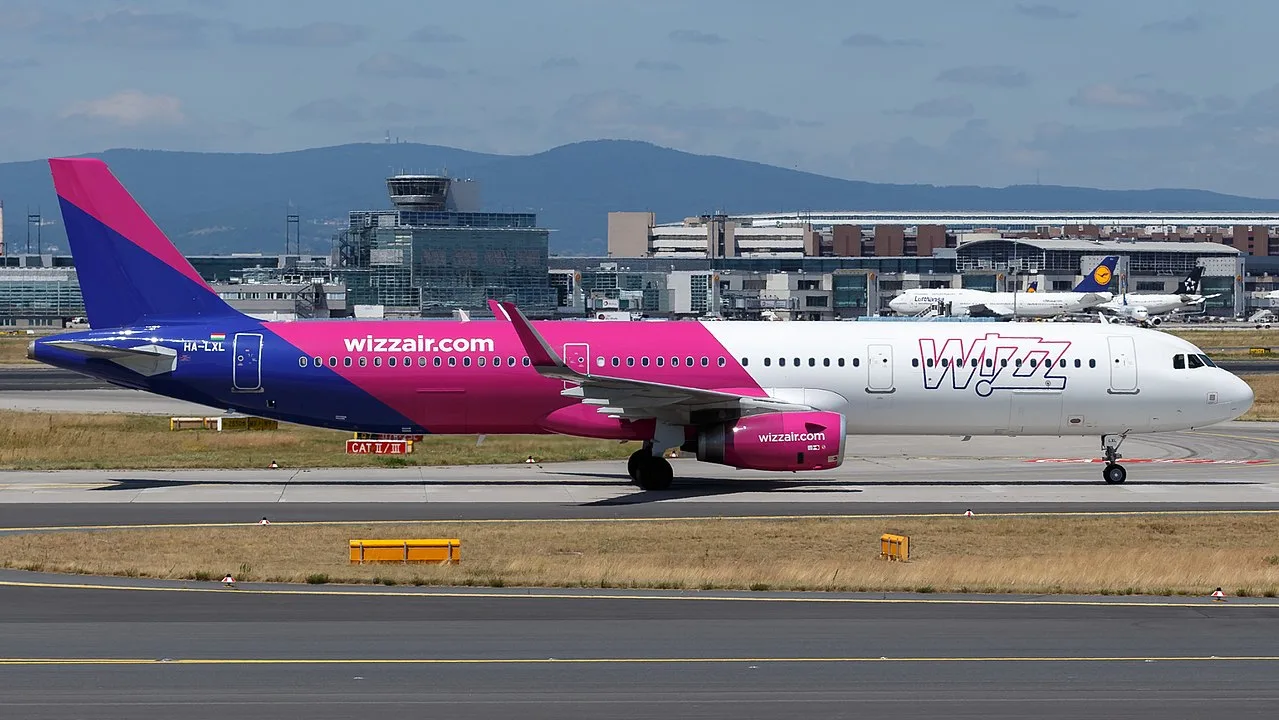
BUDAPEST- Wizz Air sees Ukraine as a strategic market and plans an immediate return once airspace reopens, while managing prolonged engine disruptions. The airline also faces investor pressure over grounded aircraft, rising costs, and a recalibrated growth strategy.
Despite short term financial strain from Pratt and Whitney engine issues, Wizz Air maintains strong liquidity and long term confidence. The carrier believes its all Airbus A321neo future and Central and Eastern Europe focus will restore competitiveness.
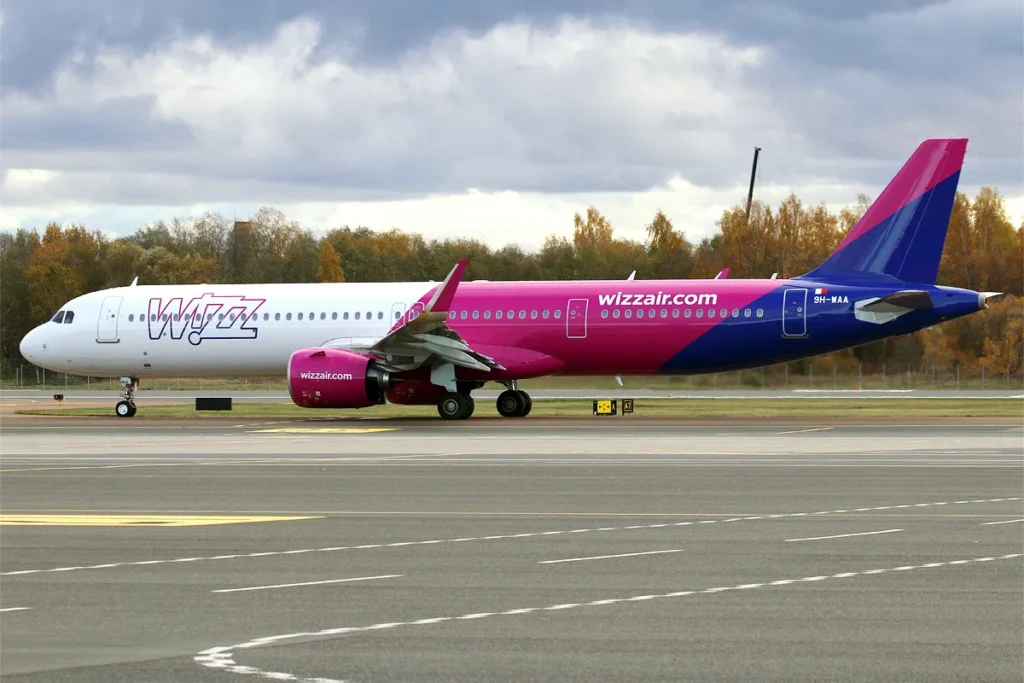
Wizz Air’s Ukraine Strategy
Wizz Air was the only non-Ukrainian airline with a permanent base in the country before the war.
Flights operated until the final hours before the invasion, underscoring the airline’s deep operational commitment.
Ukraine represents a high-volume, underserved market aligned with Wizz Air’s low-cost model.
Management plans to deploy dozens of aircraft and carry millions of passengers once infrastructure, air traffic control, and airport services are restored.
Kyiv Boryspil Airport (KBP) and Lviv Danylo Halytskyi Airport (LWO) were key hubs before operations ceased.
The airline confirms aircraft, crew, and routes are already planned, with execution dependent solely on safety clearance, G7 reported.
Aircraft Groundings and Engine Disruptions
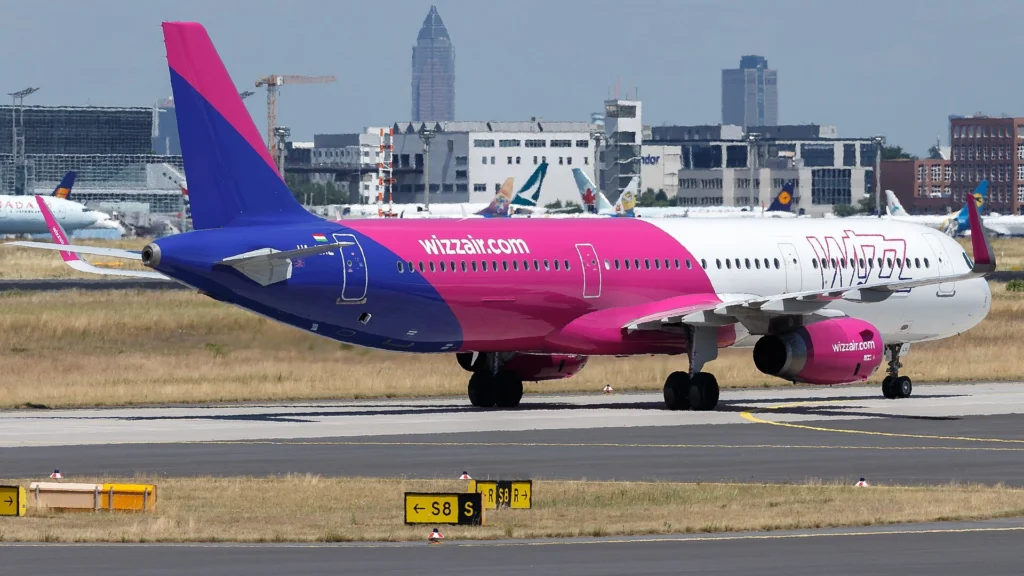
The grounding of 15 to 20 percent of the fleet due to Pratt and Whitney GTF engine inspections has reshaped operations. These affected aircraft are among the most fuel-efficient, meaning their absence raises unit costs.
Older Airbus A320ceo aircraft were retained longer to protect capacity. This decision increased fuel burn by roughly 17 percent and drove higher maintenance expenses.
Compensation from the engine manufacturer covers only direct shutdown costs. Lost revenue, operational inefficiencies, and delayed growth remain largely unrecovered.
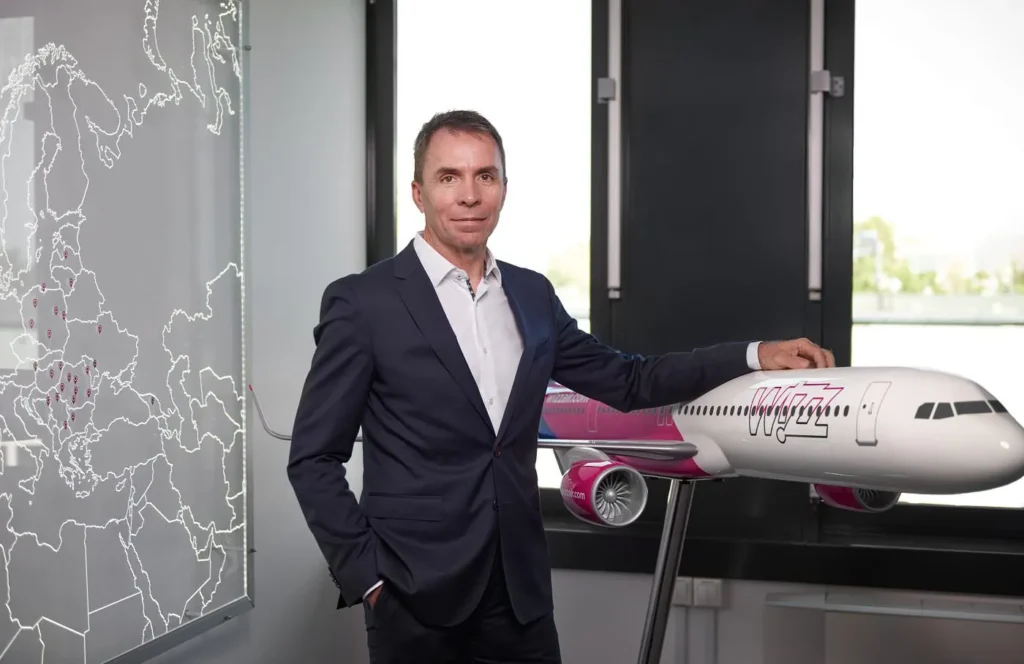
Financial Impact and Investor Concerns
High maintenance costs triggered a sharp market reaction, including a one-day stock decline of over 25 percent last summer. Management rejects claims that these costs stemmed from known lease obligations.
Decisions to extend leases or return aircraft early accelerated maintenance expenses that were originally scheduled years later. These costs emerged as a structural consequence of the engine crisis, not mismanagement.
Wizz Air reports roughly two billion euros in cash, maintaining liquidity above several European peers. Leadership firmly dismisses speculation around bankruptcy risk.

Growth Reset and Regional Focus
Earlier plans for 15 to 20 percent annual growth were set before the Ukraine war and engine issues emerged. The airline now targets around 10 percent growth, reflecting current geopolitical and supply constraints.
Central and Eastern Europe remains the core growth engine. Air travel penetration in the region is roughly one-third of Western Europe, offering long-term upside as incomes rise.
Even with flat population trends, higher life expectancy, and increased leisure travel support demand. Management estimates the region alone can sustain double-digit growth for the next decade.
Proposed European rules on free carry-on baggage raise safety and feasibility concerns.
Wizz Air states that aircraft cabin design cannot safely accommodate universal free bags.
Previous attempts to enforce such rules in Spain were overturned in court.
If implemented across Europe, ticket prices would rise to offset added weight and handling costs.
Sustainability and Fleet Transformation
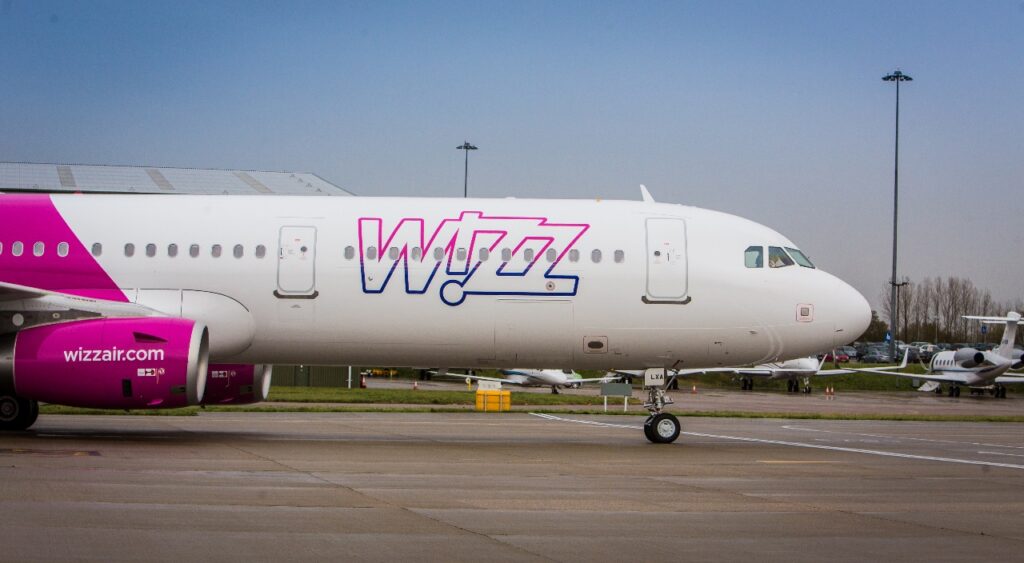
Wizz Air operates one of Europe’s youngest fleets, prioritizing fuel efficiency and lower emissions per passenger. Management argues point to point low cost operations outperform legacy hub models on environmental metrics.
The airline invests in sustainable aviation fuel projects in the US and UK. It also works with Airbus on hydrogen-powered aircraft as a long-term solution.
Leadership views the next 20 to 30 years as a transition phase. Until zero-emission aircraft mature, efficiency and SAF adoption remain the primary tools.
Leadership Outlook
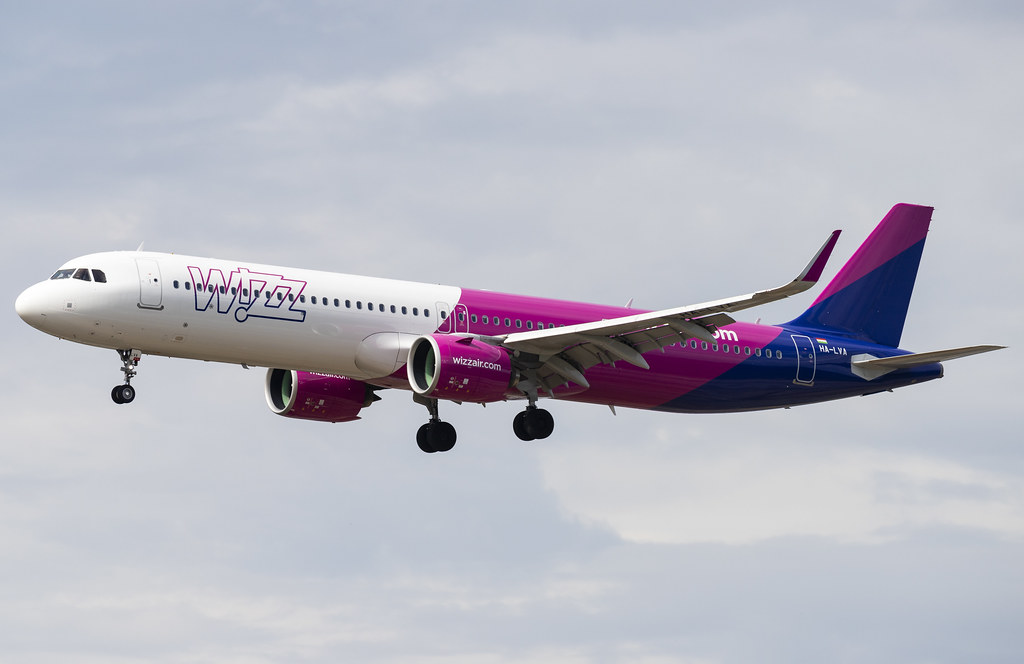
After more than two decades as CEO, management remains focused on resolving current constraints. The stated goal is a fully converted Airbus A321neo fleet within two to three years.
If achieved, Wizz Air projects a future scale of 100 million passengers and 300 aircraft. Management believes this would place the airline on equal competitive footing with Europe’s largest carriers.
Stay tuned with us. Further, follow us on social media for the latest updates.
Join us on Telegram Group for the Latest Aviation Updates. Subsequently, follow us on Google News
