

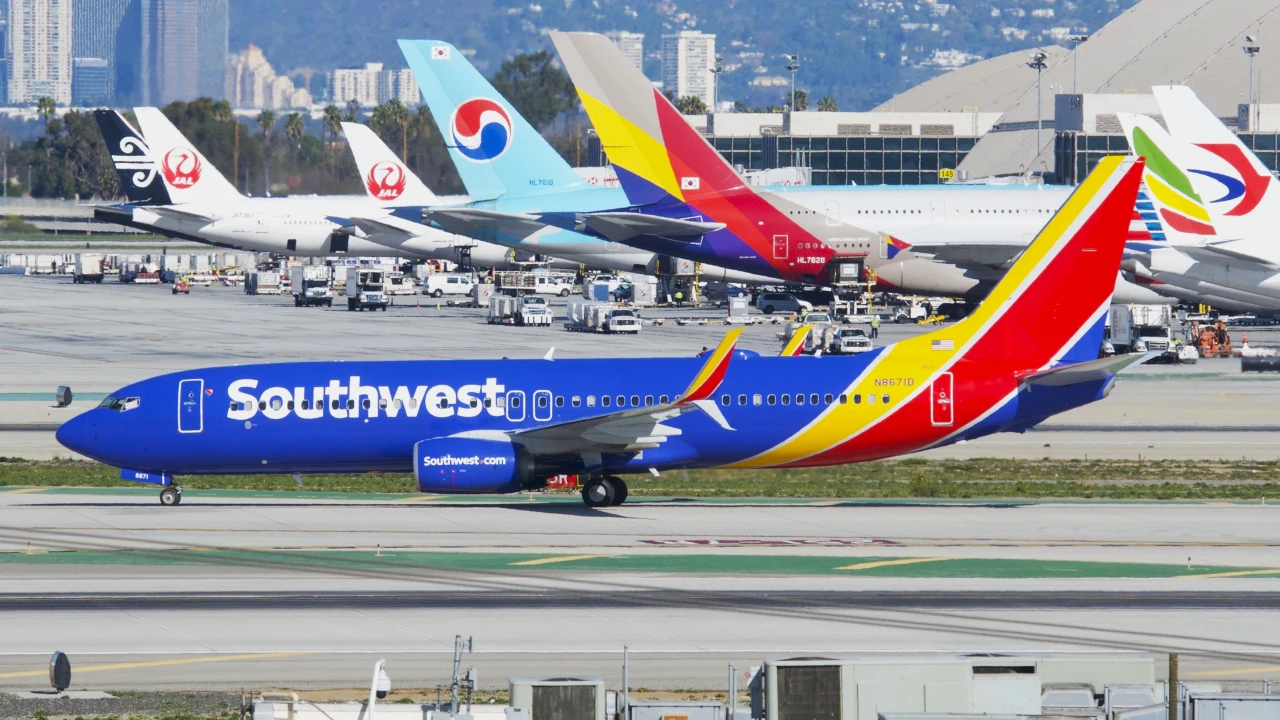
DALLAS- Southwest Airlines (WN) is challenging a $48 million penalty imposed by the Transportation Security Administration over unpaid refunds of the 9/11 security fee. The case centers on canceled trips, expired travel credits, and who is legally responsible for returning the fee to passengers.
The dispute was argued before the Fifth Circuit Court of Appeals, where a judge openly laughed at the TSA’s claim that it cannot process refunds at scale. Southwest is headquartered near Dallas Love Field Airport (DAL), placing the airline at the center of a ruling that could reshape refund practices across the US airline industry.
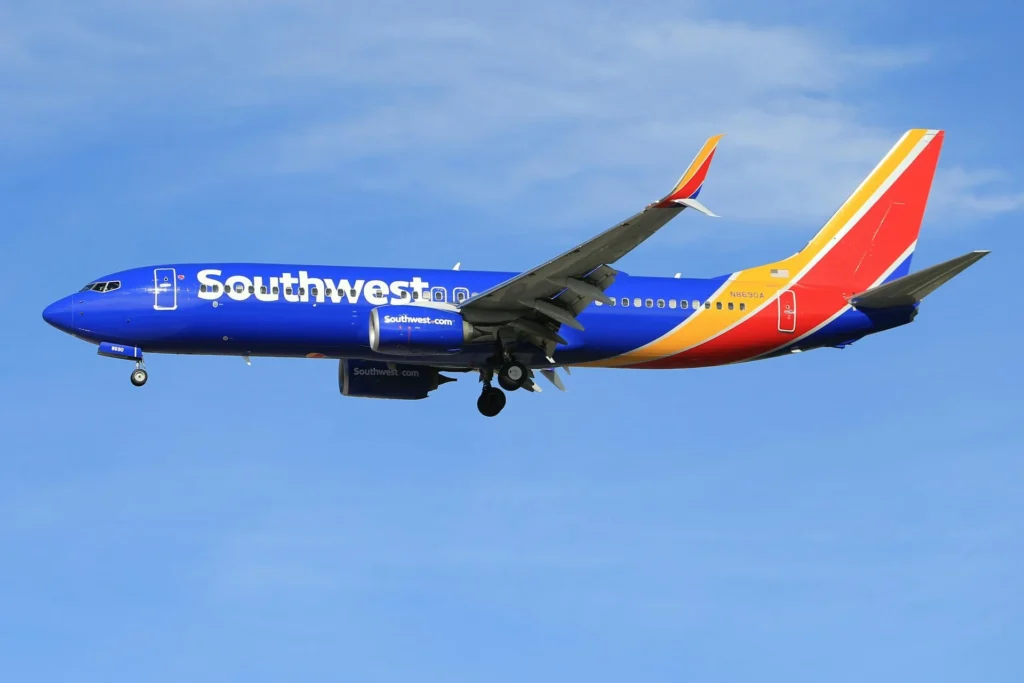
Southwest Challenges $48 Million Fine
The TSA alleges that Southwest failed to refund the September 11th Security Fee to passengers who canceled flights and never traveled. In many cases, customers received travel credits instead of cash refunds, and some credits later expired unused.
Federal law treats the security fee as government money collected in trust by airlines. Under 49 U.S.C. § 44940 and 49 CFR 1510, the fee is charged per flight segment and is refundable when travel does not occur. If a passenger cancels and never flies, the fee is no longer due and must be returned in cash.
TSA audits covering 2015 to 2019 concluded that Southwest owed roughly $48 million in refunds and penalties. That period includes years when Southwest credits expired, before the airline shifted to non-expiring credits and later returned to expiration policies, Viewfromthewing reported.
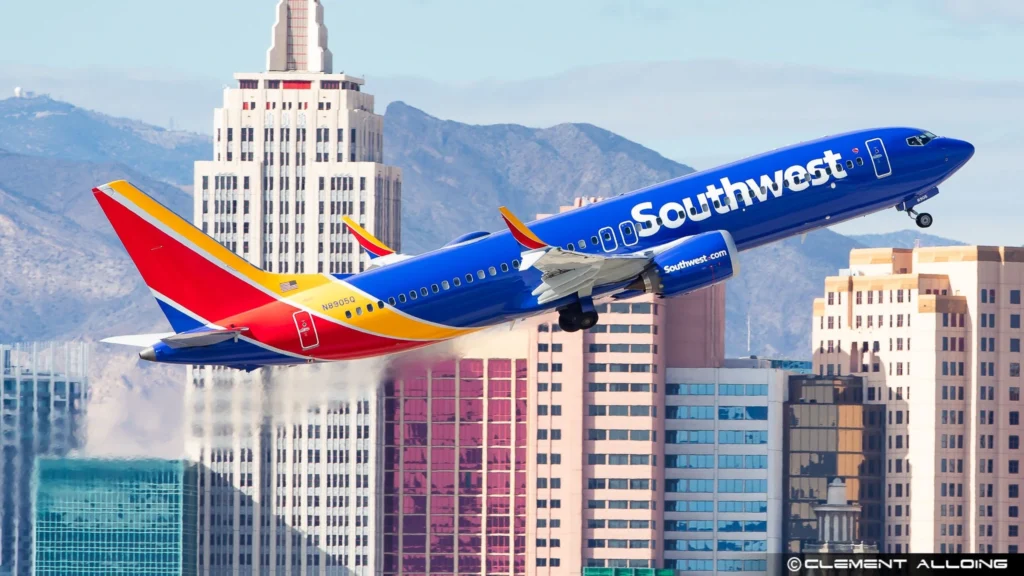
Argument Against the Penalty
Southwest argues that providing a travel credit satisfied its refund obligation at the time of cancellation. The airline maintains that federal law does not require a second step to issue a cash refund if the passenger later allows the credit to expire.
The airline also points to the statute language stating that TSA may refund fees paid by mistake or overpayment. Since the fee is a federal charge and not airline revenue, Southwest argues that TSA holds the authority and responsibility to issue refunds directly to passengers.
TSA counters that airlines should refund passengers first and then deduct those amounts from future remittances to the agency.
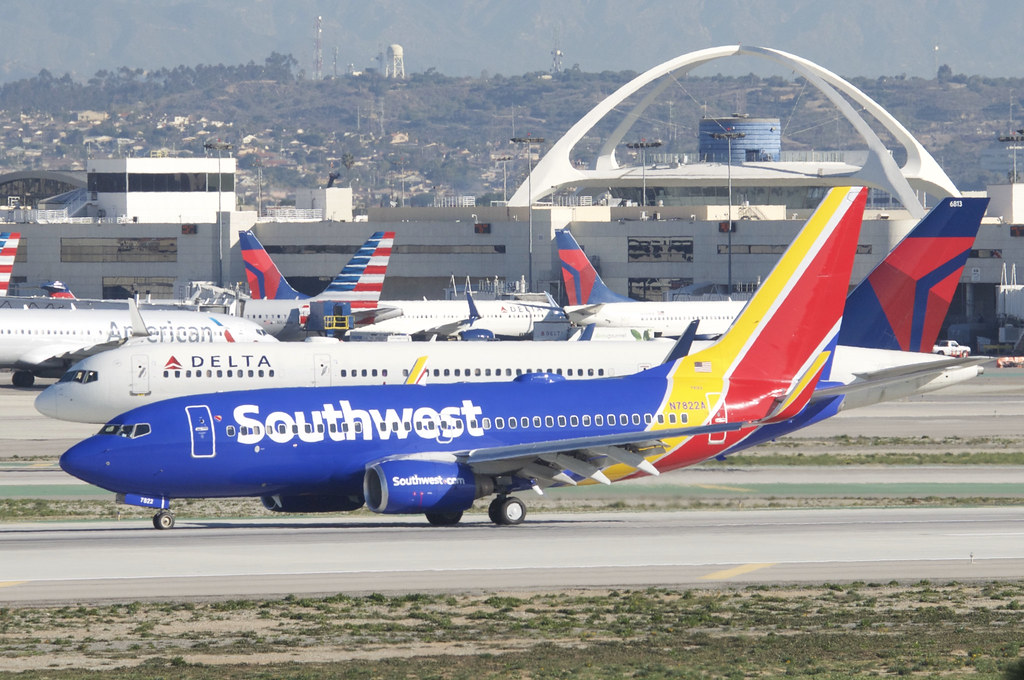
Court Reaction Raises Broader Questions
During oral arguments, TSA’s attorney stated that the agency is not equipped to issue refunds to millions of passengers. This prompted audible laughter from a Fifth Circuit judge, highlighting the tension in the government’s position.
The court’s reaction underscores a central issue of fairness. TSA is penalizing Southwest for not doing something the agency itself admits it cannot do at scale. This raises concerns about whether enforcement is being used to shift a federal administrative burden onto private companies.
The outcome of this case extends far beyond the $48 million penalty. A ruling against Southwest could set a precedent requiring airlines to issue cash refunds for security fees whenever travel credits expire unused.
Such a decision would affect airline refund policies industry-wide and shape passenger expectations when canceling flights. It would also clarify whether airlines are required to operate as refund agents for federal fees. The oral argument in Southwest Airlines v. TSA was held on Thursday and is publicly available.
Stay tuned with us. Further, follow us on social media for the latest updates.
Join us on Telegram Group for the Latest Aviation Updates. Subsequently, follow us on Google News
