

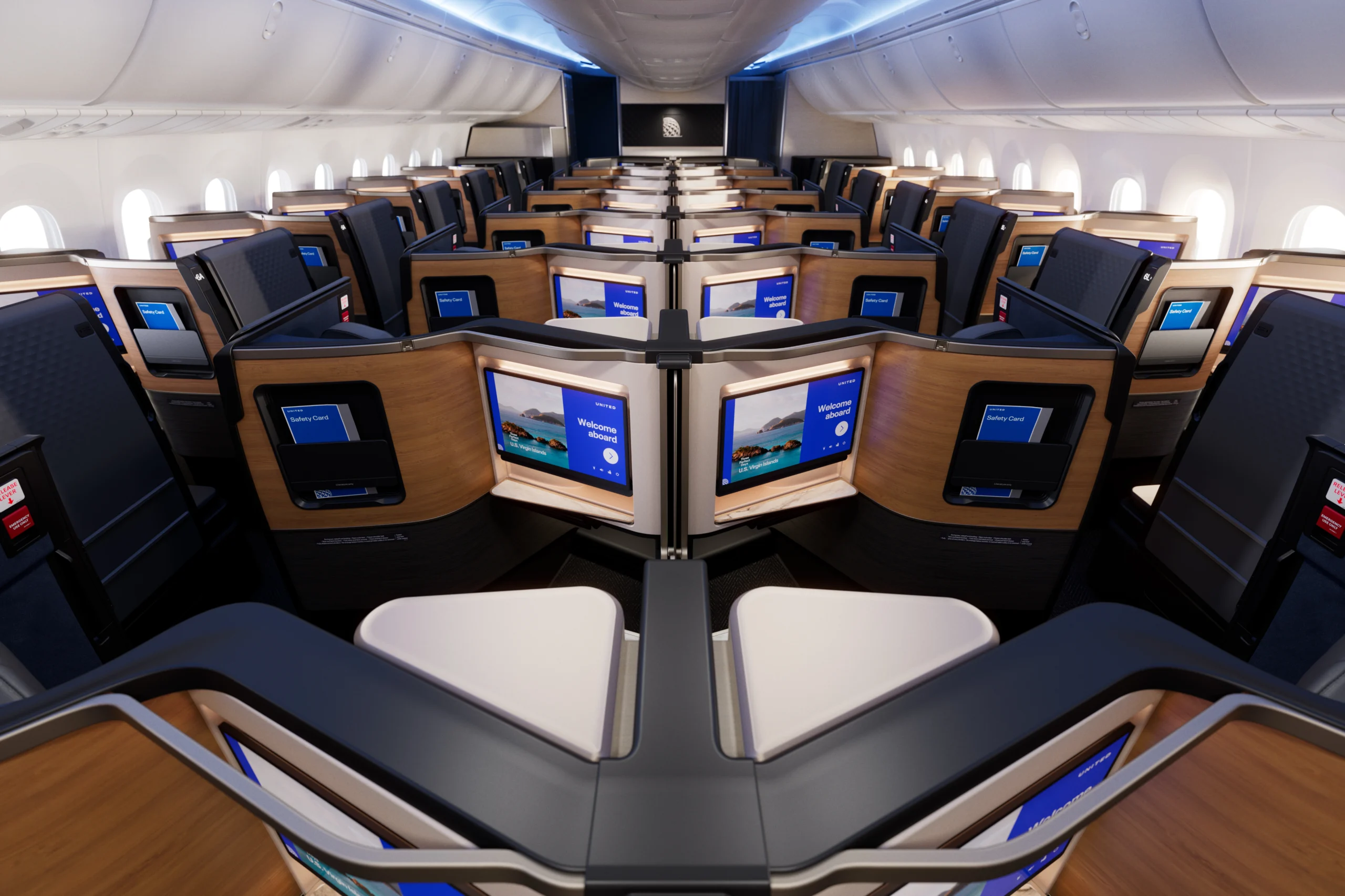
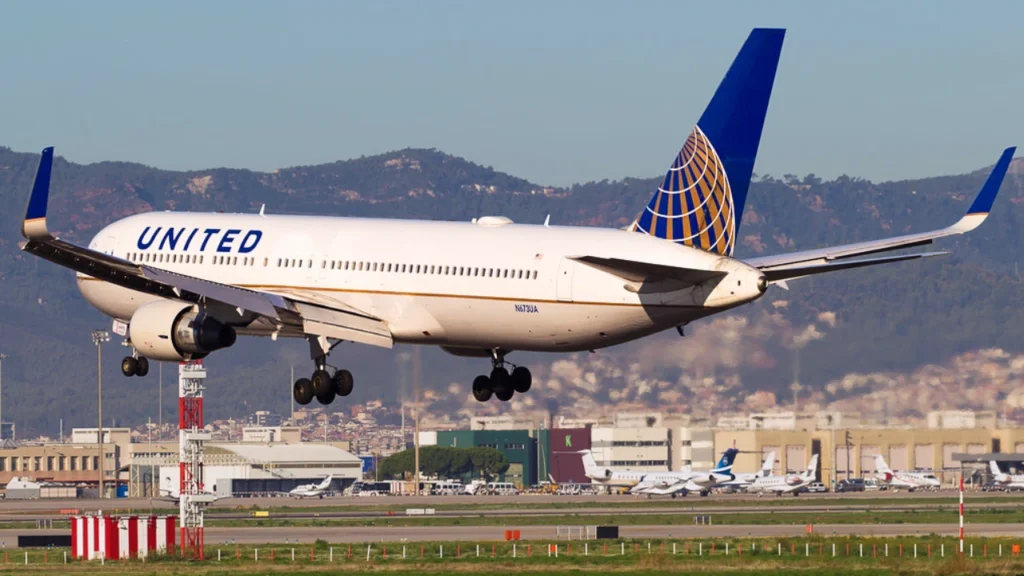
CHICAGO- Gayle King flew with United Airlines (UA) in business class from Maui (OGG) to Newark (EWR) and found her window seat did not actually have a window. The United Airlines (UA) service was operated on a Boeing 767-300ER.
The flight from Maui (OGG) to Newark (EWR) placed the TV presenter in a Polaris style business seat, but the seat positioning meant there was no view outside the aircraft. The issue gained attention after King shared her experience publicly.
United Polaris Seating Layout Confusion
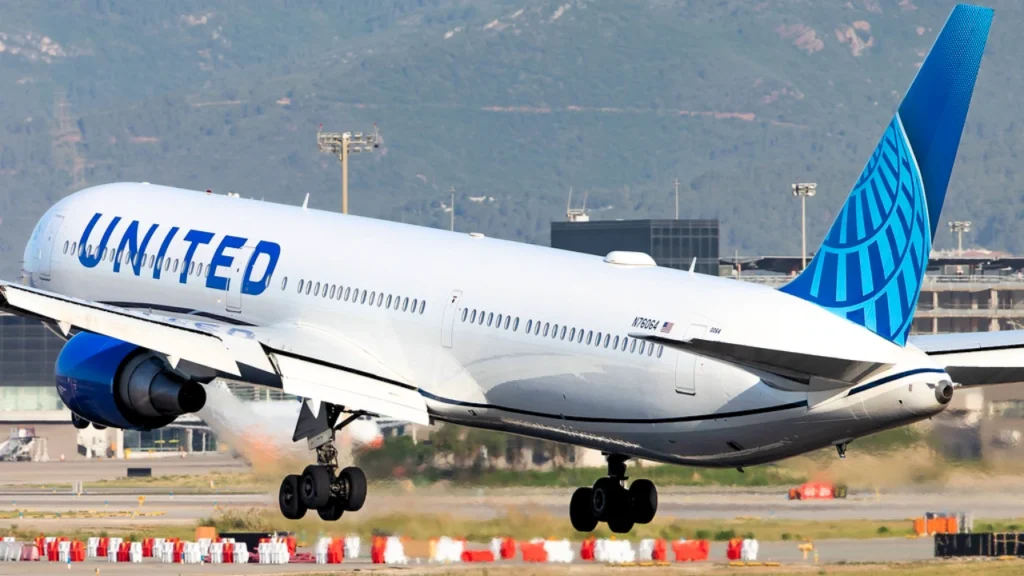
United Airlines (UA) operates the Boeing 767-300ER with a Polaris seating layout arranged in a 1-1-1 configuration. While every passenger has aisle access, the offset layout means not every so-called window seat sits directly beside a window.
In some rows, the seat is positioned away from the fuselage, placing a bulkhead wall between the traveler and the window. This is especially common toward the rear of the business class cabin.
Gayle King selected a seat typically known for its privacy near the window. However, when seated, she found there was no usable window beside her. She then attempted to look toward other windows but discovered none were visible from her position.
According to Live and Let’s Fly, the post quickly generated debate, with some sympathizing and others dismissing it as a minor inconvenience.
Why The Issue Matters To Travelers
The key concern here is labeling. Seat maps and boarding passes still categorize these seats as window seats.
Many travelers choose window seats specifically for the view or the wall to rest against. When the window is missing, expectations are not aligned with reality.
This setup is not unique to United Airlines. Several long-haul aircraft types across multiple airlines feature staggered business class layouts where some window seats are offset. Travelers who value a true window experience often rely on detailed seat map tools to confirm availability before travel.
Background On United Polaris 767 Cabins
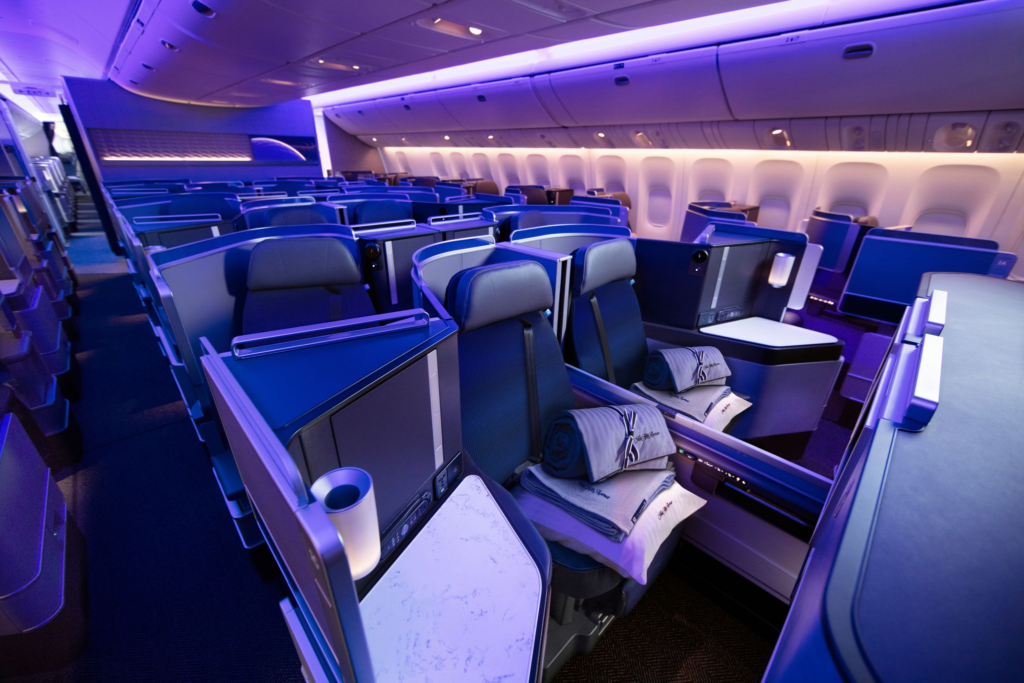
United’s Boeing 767-300ER business class includes 46 Polaris seats. The configuration delivers privacy and aisle access but sacrifices window alignment on certain rows.
Some passengers welcome the privacy of inward facing seats, while others value the outside view more highly.
These aircraft often serve leisure heavy routes such as Hawaii to the US mainland, meaning expectations around comfort and experience are naturally higher.
Social Media Response And Broader Context
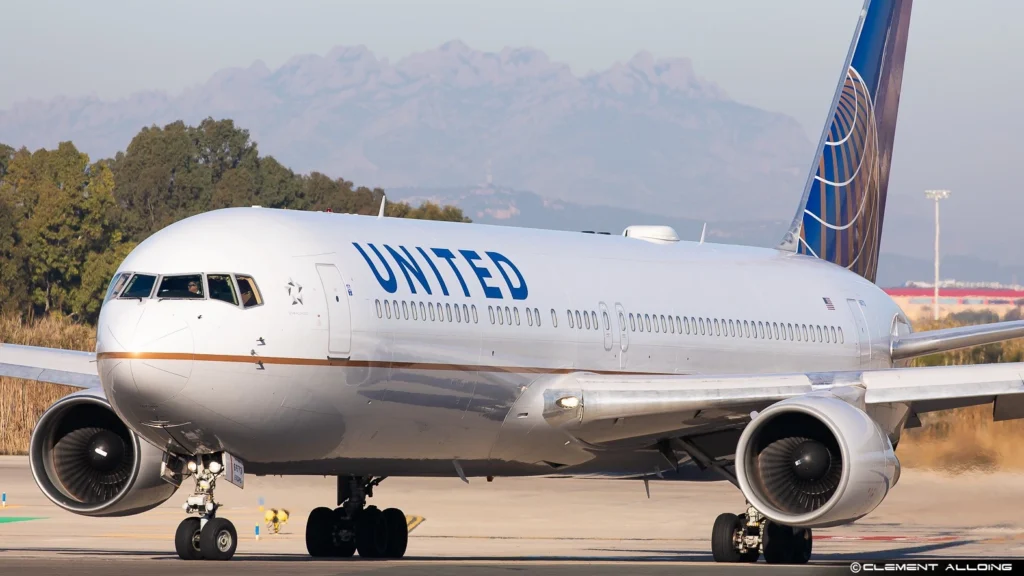
The reaction to King’s comments was mixed. Some viewed the complaint as trivial. Others argued that accuracy in seat labeling matters, particularly in premium cabins. There has previously been legal attention on window labeling in economy class, where customers paid extra for a window seat that did not include one.
The discussion highlights how marketing language and aircraft design can clash. A seat classed as a window seat but lacking one can understandably create disappointment.
Travelers who value window views should always review detailed seat layouts before travel. Tools that display aircraft cabin diagrams can show where the windows are missing. This prevents surprises on long-haul flights. The learning here is simple: a seat labeled as a window seat may not always provide one.
Bottom Line
Gayle King’s experience illustrates a wider seating reality on certain long-haul aircraft. While the business class product delivers comfort, not all window seats guarantee a view.
Travelers who care about the window should verify aircraft layouts before flying to avoid disappointment.
Stay tuned with us. Further, follow us on social media for the latest updates.
Join us on Telegram Group for the Latest Aviation Updates. Subsequently, follow us on Google News
