


For more than two decades, civilian aviation has treated speed as a solved—or abandoned—problem. After Concorde’s final landing in 2003, the industry pivoted decisively toward efficiency, range, and cabin experience, quietly accepting that nothing certified for civilian use would ever again flirt with the sound barrier.
The Bombardier Global 8000 disrupts that assumption—not by reviving supersonic travel, but by redefining how close a modern, in-production aircraft can operate to it.
The Global 8000 does not chase Concorde’s ghost. It does something arguably more difficult: it stretches subsonic flight to its absolute limit while remaining fully compliant with today’s regulatory, environmental, and operational constraints.
Understanding why the Global 8000 holds this distinction requires looking beyond headline speed figures and into aerodynamics, propulsion philosophy, certification boundaries, and how Bombardier deliberately chose performance trade-offs that other manufacturers avoided.
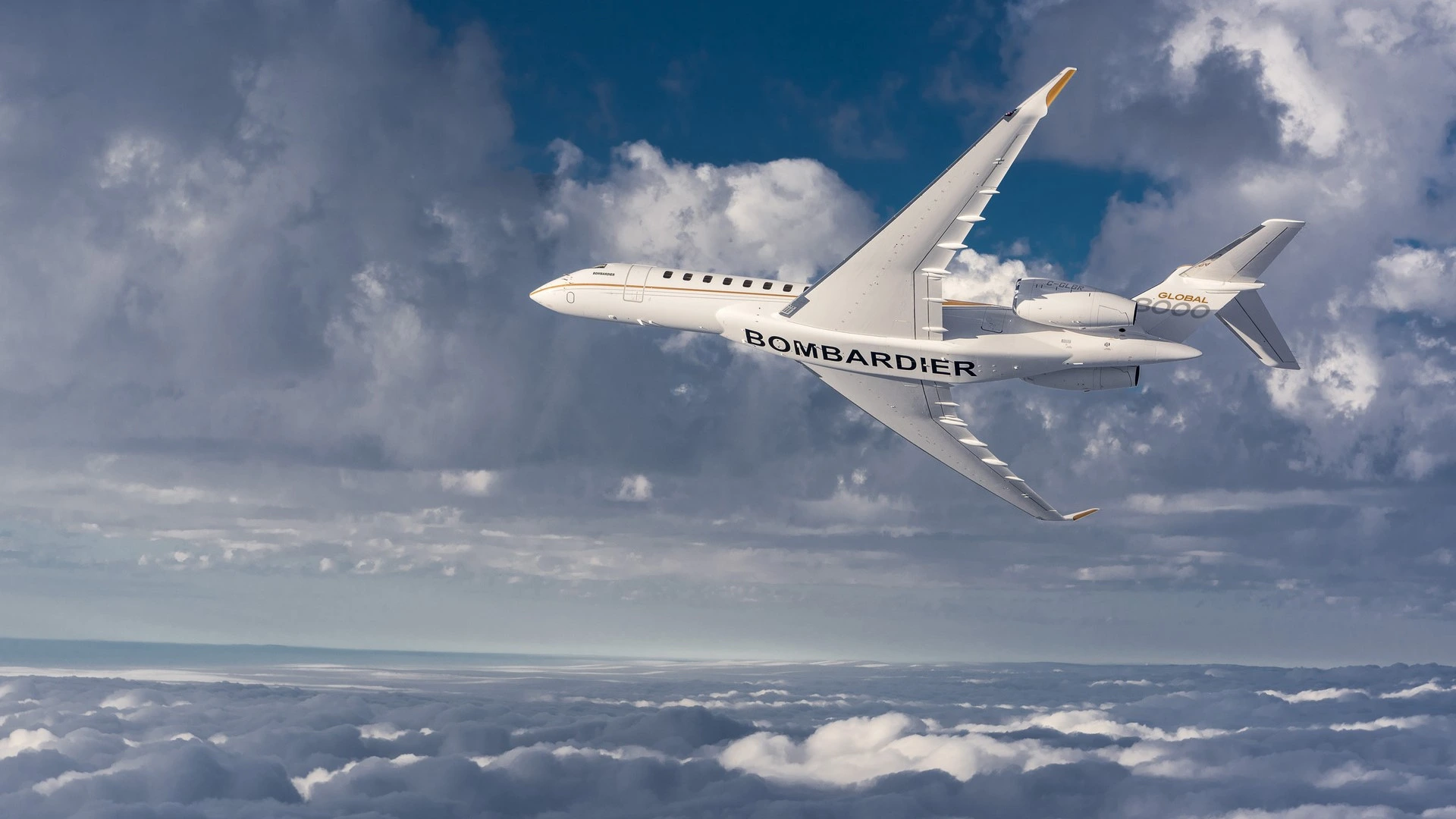
Global 8000: “Fastest Since Concorde”
Speed claims are common in business aviation marketing. What makes the Global 8000 different is not a marginal advantage, but the territory it occupies.
The aircraft is certified with a maximum operating Mach number (MMO) of Mach 0.95, and a normal high-speed cruise of Mach 0.92. These figures place it at the very edge of the transonic regime—where airflow begins to behave unpredictably, shockwaves form, and drag rises exponentially.
In practical terms, this means the Global 8000 spends sustained portions of its missions in a speed band that other civilian aircraft only briefly touch, if at all.
Unlike earlier “fast” jets that sacrificed range to sprint, the Global 8000 pairs near-supersonic cruise with intercontinental endurance, eliminating the classic speed-versus-distance compromise.
That combination—speed and reach—is what elevates the aircraft beyond being merely quick.
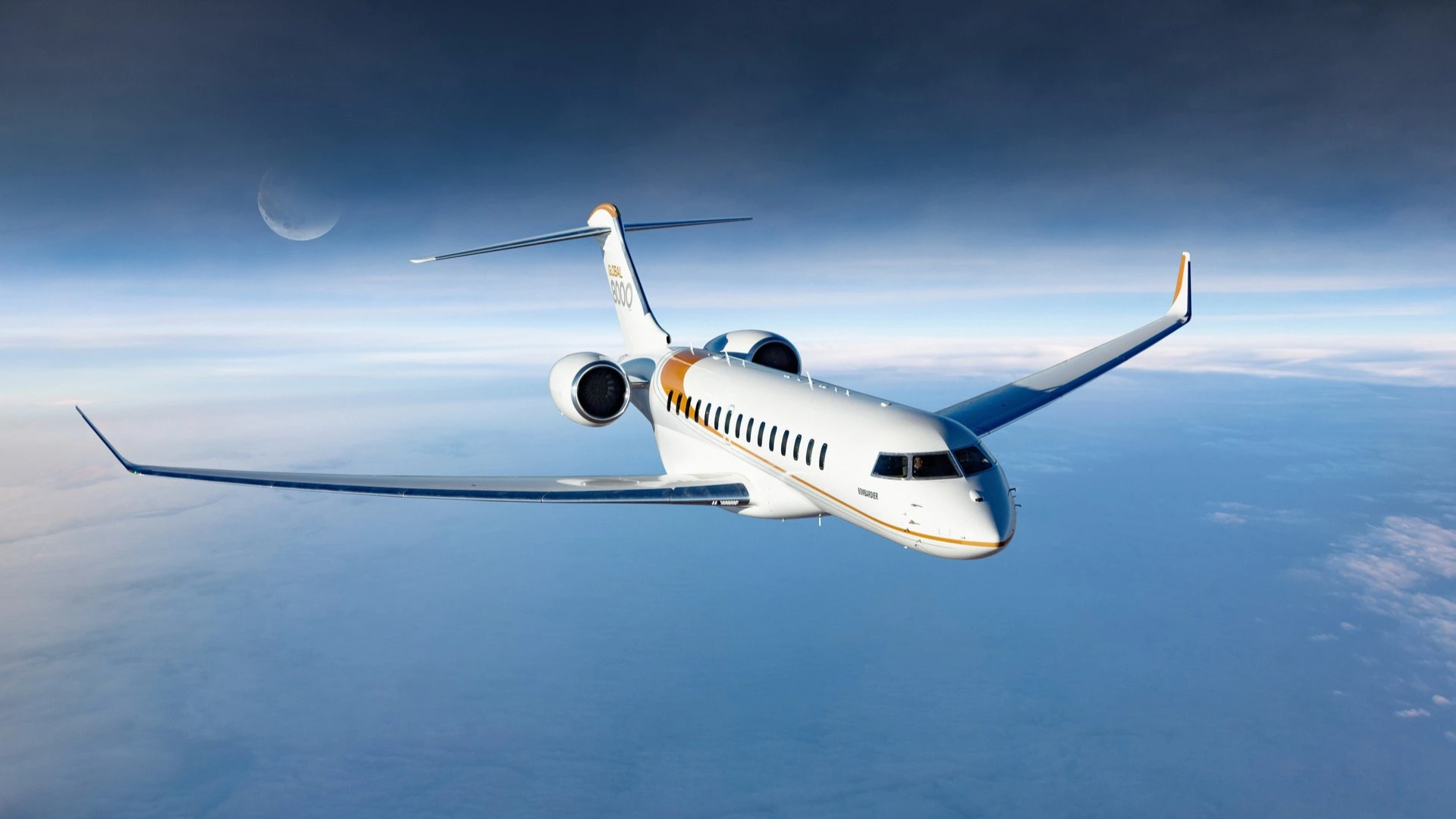
Aerodynamics of Global 8000
The aircraft’s speed advantage is rooted first and foremost in aerodynamics.
The Global 8000 employs a highly refined, swept-wing design optimized for high-altitude, high-Mach cruise. The airfoil geometry is shaped to manage shockwave onset, while the wing’s structural stiffness ensures aerodynamic consistency even under transonic loads.
Crucially, this is not a “dash speed” configuration. The wing is designed to sustain these Mach numbers without imposing prohibitive drag penalties or handling compromises.
This distinguishes the Global 8000 from earlier fast business jets whose maximum speeds were operationally impractical over long distances.
Bombardier’s approach reflects a philosophy more commonly associated with advanced military aircraft—adapted, for the first time at this scale, to certified civilian transport.
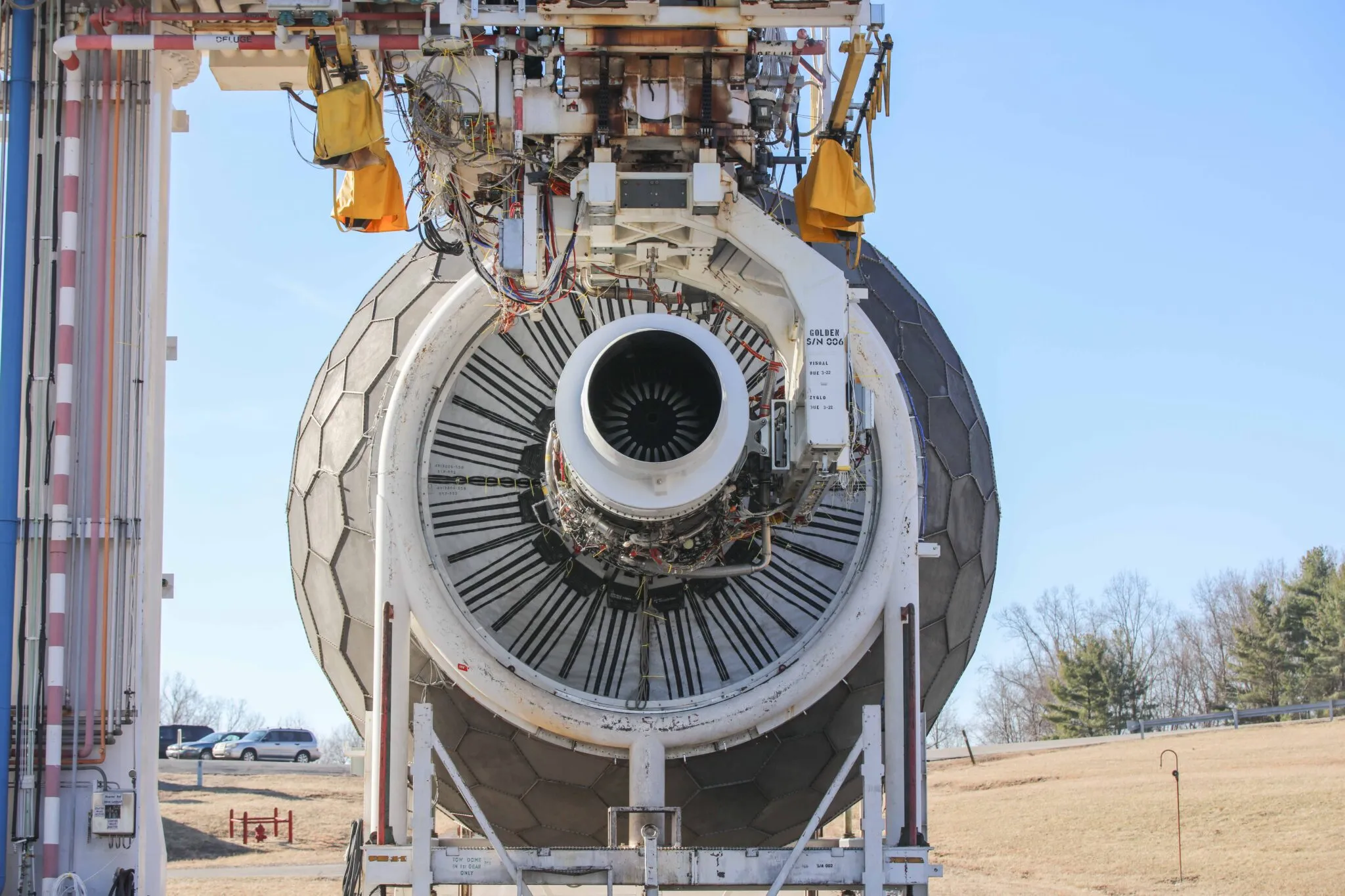
Engines Built for Thin Air and High Speed
Speed alone is meaningless without propulsion capable of supporting it efficiently. The Global 8000 is powered by GE Passport turbofan engines, developed specifically for Bombardier’s Global family.
These engines are optimized for high-altitude thrust retention, delivering strong performance where air density is minimal and aerodynamic margins are narrow. At cruise altitudes approaching 51,000 feet, the Passport engines provide the sustained thrust needed to maintain very high true airspeeds without excessive fuel penalties.
Equally important is what the engines don’t do: they remain compliant with modern noise and emissions regulations. This is a critical distinction from Concorde, whose Olympus engines belonged to an era unconstrained by today’s environmental frameworks.
The Global 8000 proves that near-supersonic performance does not require abandoning modern regulatory realities.
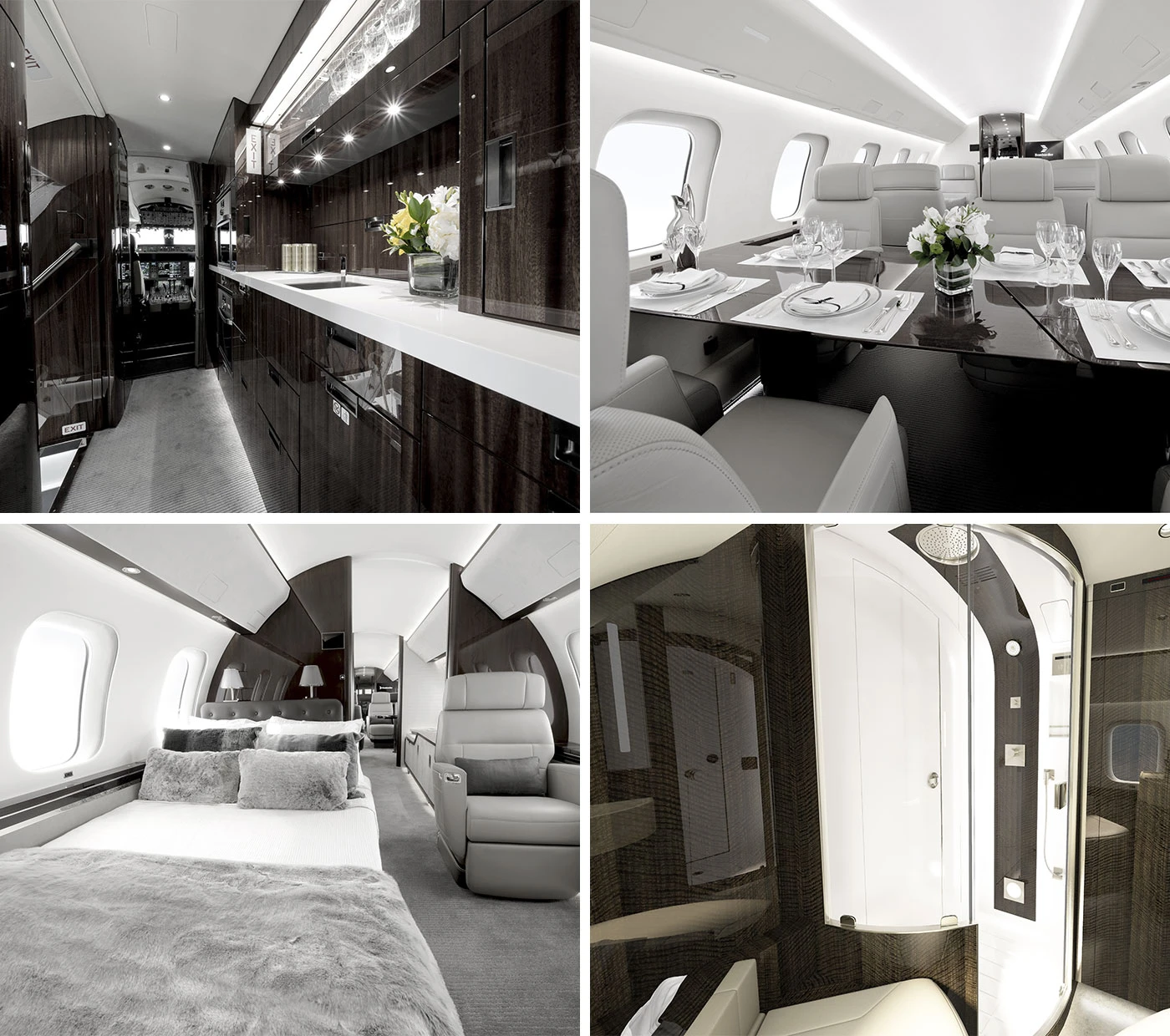
Global 8000 vs Ultra-Long-Range Jets
The business aviation market is crowded with highly capable aircraft, but none occupy the same performance niche.
Jets like the Gulfstream G700 or Dassault Falcon 10X emphasize efficiency, cabin volume, and balanced performance. Their cruise speeds, typically between Mach 0.85 and Mach 0.90, reflect a design priority centered on fuel optimization rather than outright velocity.
The Global 8000 makes a deliberate trade: it accepts higher fuel burn at top speed in exchange for unmatched point-to-point velocity. Unlike retired speed-focused aircraft such as the Cessna Citation X, it does so without sacrificing range or mission flexibility.
This is why comparisons to Concorde persist—not because the missions are similar, but because the performance envelope is uniquely aggressive.
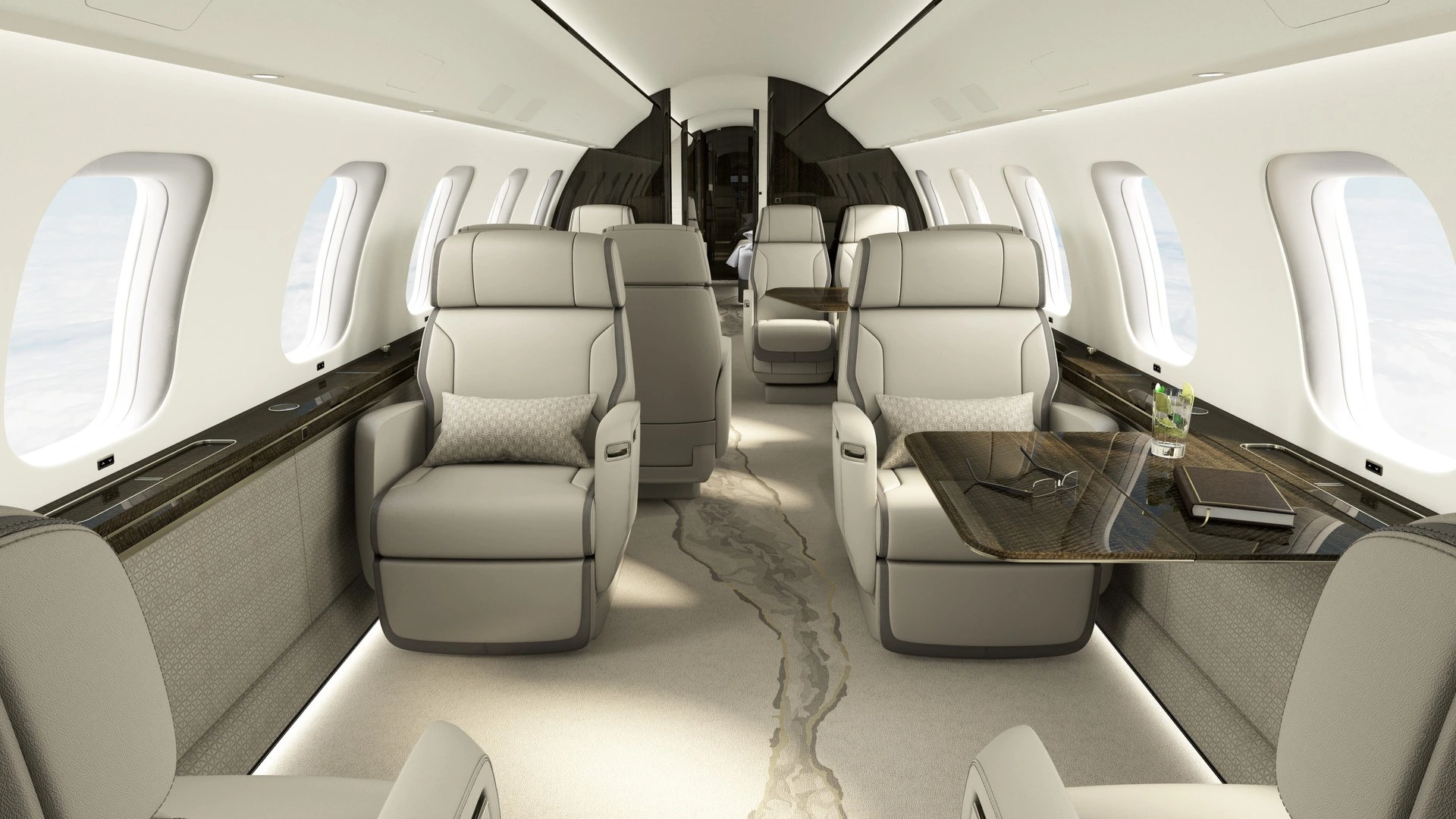
The Limits of Bombardier
It is important to be precise about what the Global 8000 is and what it is not.
It is not a supersonic aircraft. It does not routinely exceed Mach 1 in service. It does not replicate Concorde’s sustained Mach 2 cruise.
However, it is the fastest certified, in-production civilian jet operating today. Many faster aircraft fall outside that definition: retired supersonic transports, experimental platforms, or military-derived designs without civilian certification.
Within the boundaries that define modern civil aviation—noise rules, emissions limits, certification standards—the Global 8000 sits alone at the top.

Bottom Line
The Bombardier Global 8000 earns its place in aviation history not by reviving supersonic travel, but by redefining what is possible within the limits of modern civilian certification.
No other in-production, fully certified civil aircraft operates as close to the speed of sound while retaining true intercontinental range, operational flexibility, and contemporary comfort standards.
Stay tuned with us. Further, follow us on social media for the latest updates.
Join us on Telegram Group for the Latest Aviation Updates. Subsequently, follow us on Google News
