

At first glance, counting international airbases sounds like a straightforward exercise. In reality, it is anything but. The answer depends less on arithmetic and more on definitions of territory, sovereignty, permanence, and even what qualifies as an “airbase” in the first place.
Is an airfield international if a country claims it as its own, but the rest of the world disagrees? Do rotational deployments count the same as permanent bases? And how should aircraft carriers—mobile airbases by design—be factored into the equation?
Largest Air Forces by Int’l Bases
This article looks at how states project air power beyond their homelands, focusing on airbases located outside a country’s core territory. For clarity, Alaska and Hawaii are treated as part of the US homeland, while overseas departments such as French Guiana are not treated as metropolitan France.
The US Navy and Marine Corps are considered together, while the US Army—despite operating the world’s largest helicopter fleet—is excluded.
The United States
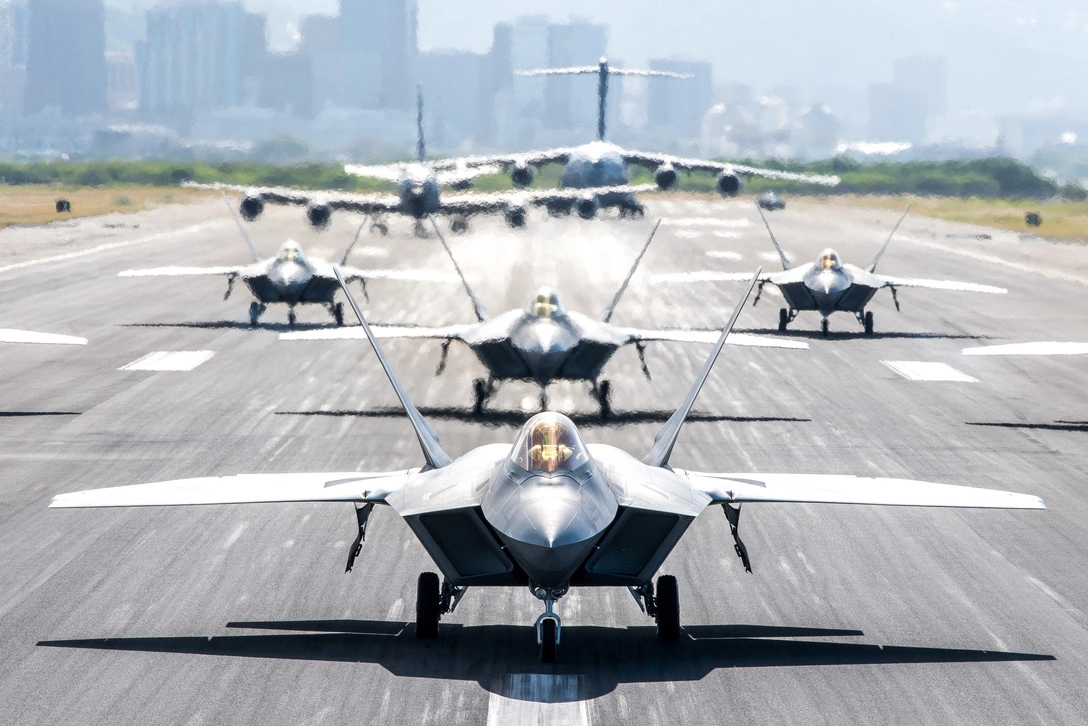
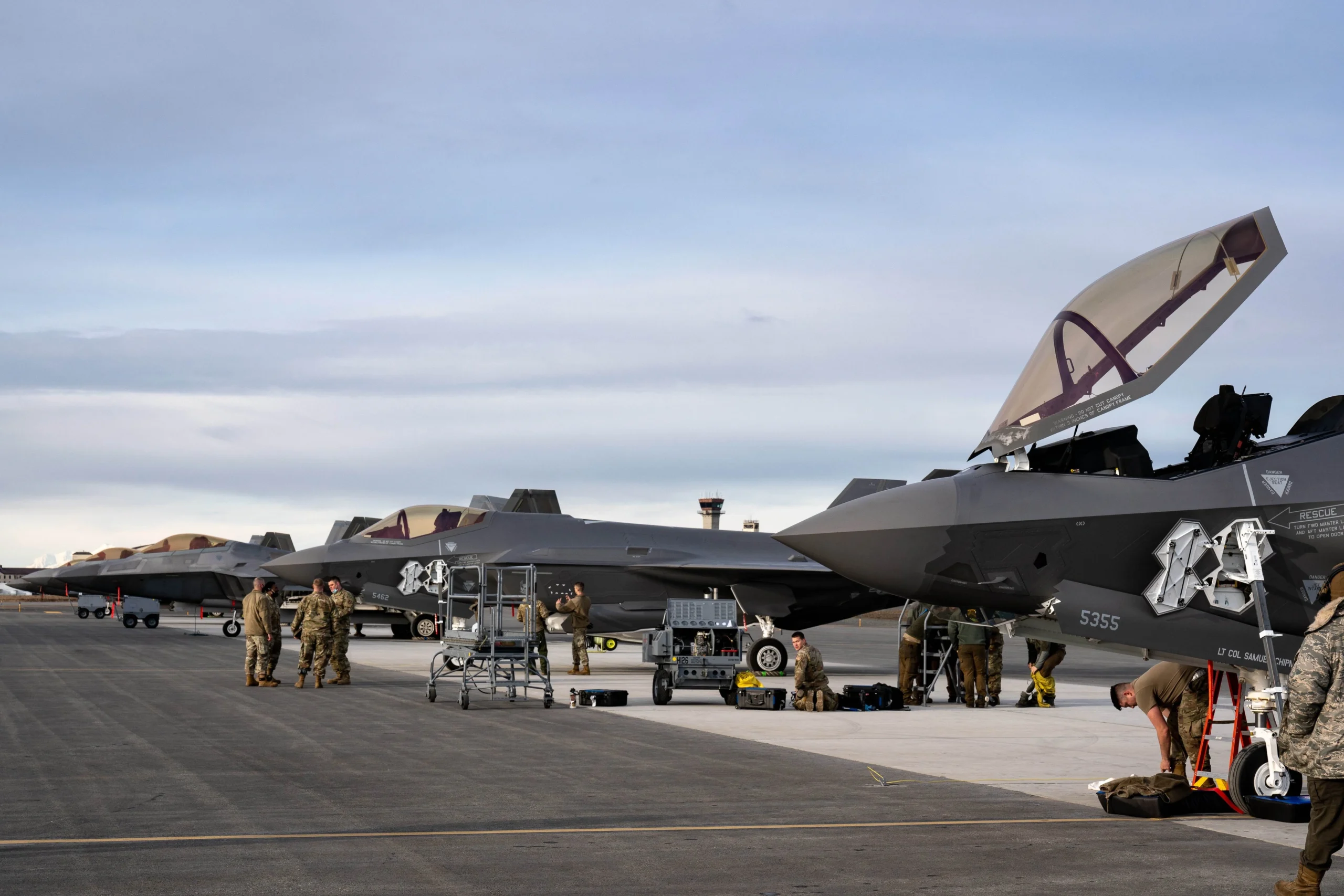
No country comes close to matching the United States in terms of overseas airbase presence. Even under the most restrictive definitions, the US Air Force operates more than 45 airbases outside sovereign US territory, with broader interpretations pushing that number well beyond 60, reports Simple Flying.
These installations form a global lattice stretching across Western Europe, the Middle East, and East Asia. Major hubs include Ramstein in Germany, Kadena in Japan, Osan in South Korea, Al Udeid in Qatar, Incirlik in Turkey, Aviano in Italy, and RAF Lakenheath in the UK.
Beyond permanent facilities, the USAF also maintains rotational and contingency access in countries such as Australia, Norway, and the Philippines.
The scope of this network is not just geographic—it is also physical. Many US overseas bases are enormous by global standards, hosting dozens of frontline aircraft and tens of thousands of personnel. RAF Lakenheath alone permanently hosts around 100 US fighter jets, a number that exceeds the entire fast-jet inventory some air forces deploy abroad worldwide.
The picture grows even larger when US territories are included. Andersen Air Force Base on Guam is one of the most strategically important airbases on the planet, anchoring American airpower in the western Pacific.
The US also maintains a presence on Wake Island, the Northern Mariana Islands, American Samoa, and Puerto Rico.
Adding further complexity, the US Space Force—created in 2019—operates installations that blur the line between airbase, radar station, and space domain infrastructure, including facilities in Greenland and the South Atlantic.
The US Navy and Marine Corps
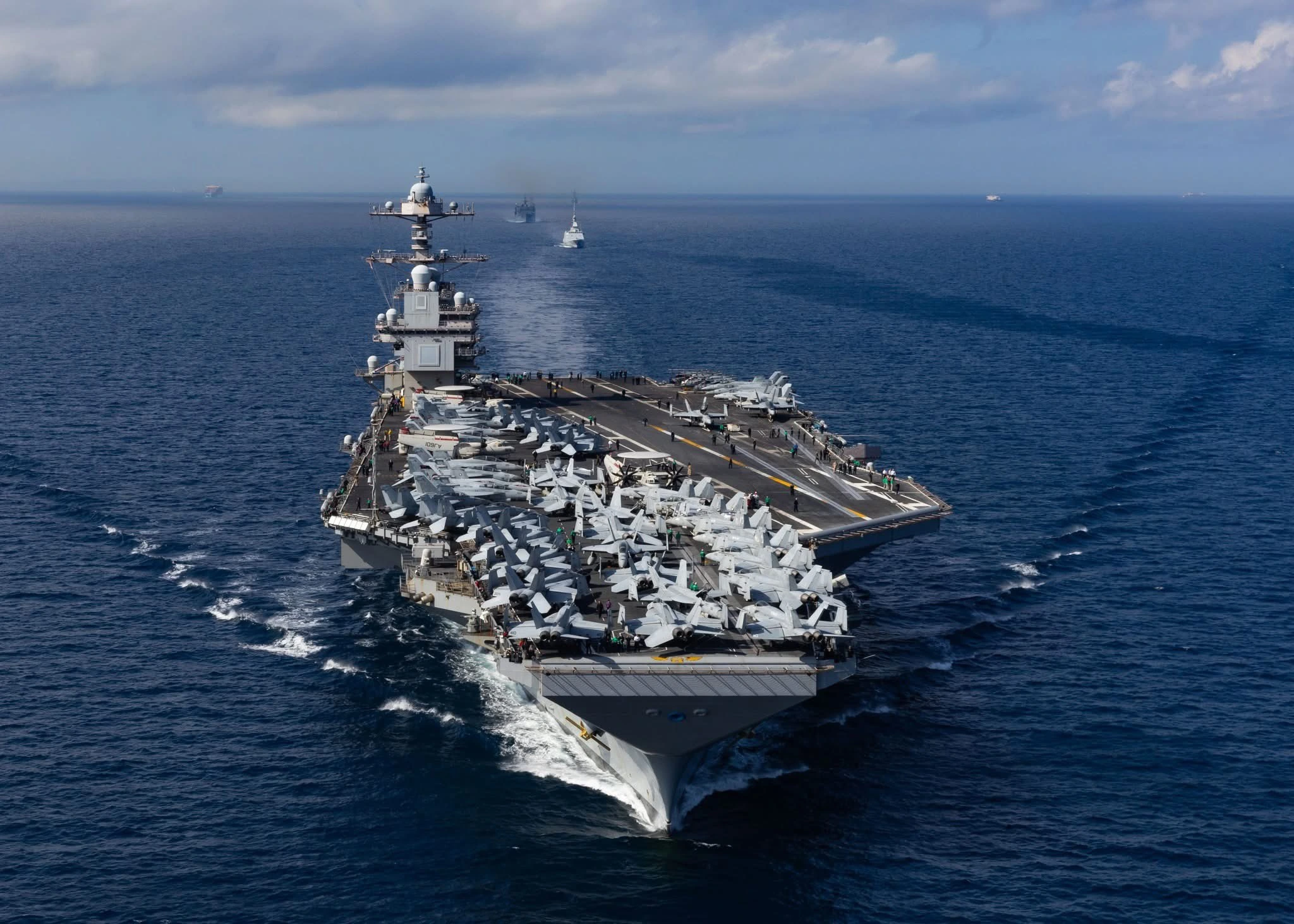
If the US Air Force dominates land-based aviation overseas, the US Navy and Marine Corps redefine the concept of an international airbase altogether.
Their aircraft carriers and amphibious assault ships function as mobile, sovereign airfields, able to operate anywhere international waters allow.
Ashore, the Navy and Marines operate major aviation hubs in Japan (Atsugi, Iwakuni, and Kadena), Bahrain, Italy (Sigonella), Spain (Rota), and Djibouti, among others. Diego Garcia—officially British territory but operated by the US Navy—remains one of the most strategically critical air and naval facilities in the Indian Ocean.
Some installations, such as Naval Station Guantánamo Bay in Cuba, persist due to unique historical and legal arrangements.
Others are joint-use facilities shared with the US Air Force, further illustrating how tightly integrated American overseas basing has become.

The United Kingdom
The UK no longer maintains a global base network on the scale of its imperial past, but the Royal Air Force still punches above its weight. Its overseas airbases are concentrated in strategic territories and key alliances rather than sheer numbers.
Permanent RAF installations include Mount Pleasant in the Falkland Islands, Ascension Island, Gibraltar, and the Sovereign Base Areas in Cyprus—particularly RAF Akrotiri.
The UK also maintains a presence in the Gulf, including Qatar and the UAE, and operates training facilities in Kenya and Canada.
Beyond land bases, Britain’s two Queen Elizabeth–class aircraft carriers significantly extend its airpower reach. Operating F-35B fighters jointly with the RAF, these carriers allow the UK to project combat airpower globally despite a relatively modest number of fixed overseas airfields.
France
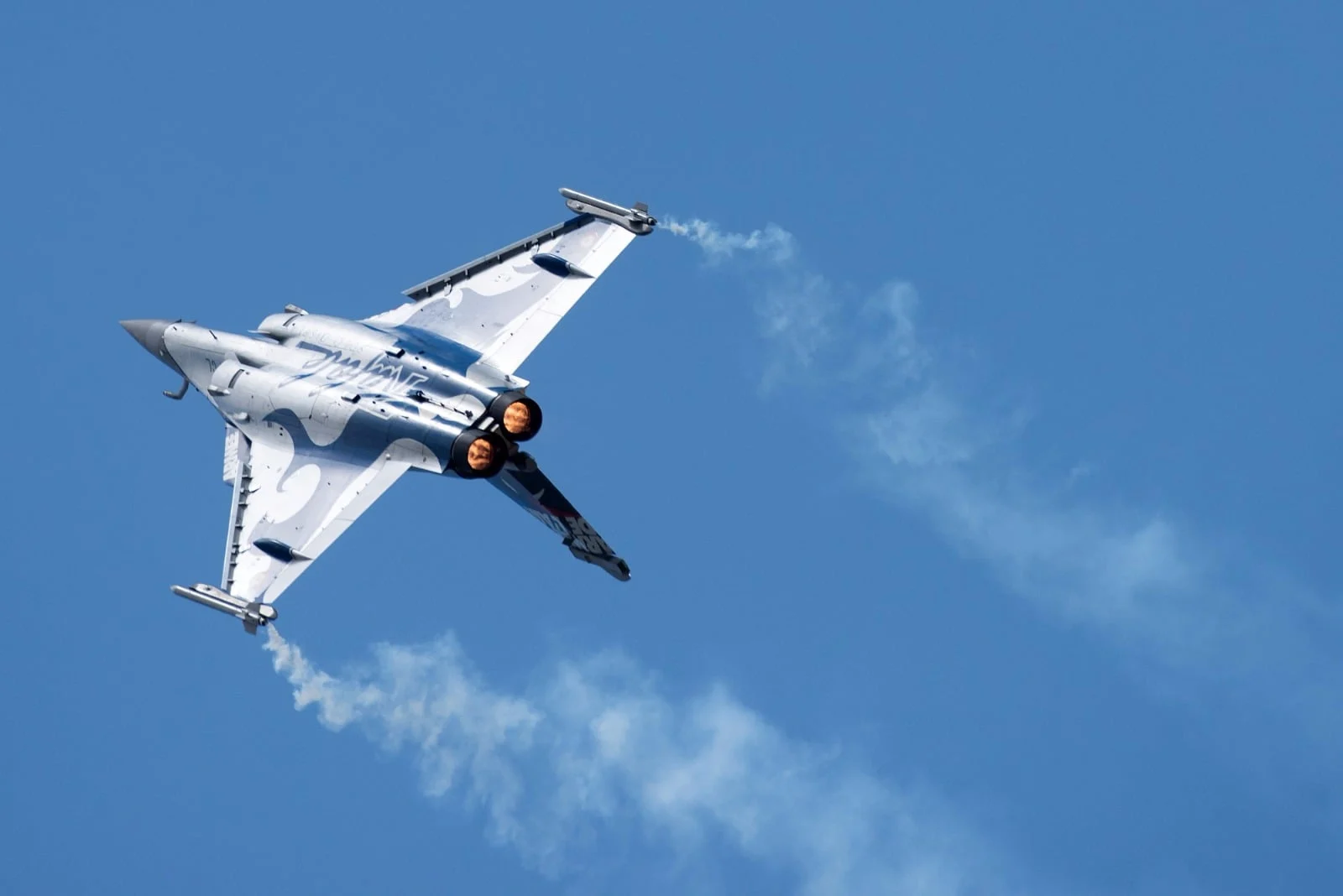
France’s overseas airbase network reflects both its remaining overseas territories and its long-standing role in Africa. For decades, French airpower relied on a web of bases across the Sahel and West Africa. That network has shrunk dramatically.
In recent years, France has withdrawn from or handed over facilities in Mali, Burkina Faso, Niger, Chad, the Ivory Coast, and Senegal. The handover of Dakar’s Camp Geille in 2025 marked a symbolic endpoint for much of France’s African basing posture.
Today, France retains a permanent presence in Djibouti, a reduced footprint in Gabon, and access to Al Dhafra Air Base in the UAE. Beyond this, French airpower is anchored in overseas territories such as Réunion, New Caledonia, French Polynesia, and French Guiana.
France’s nuclear-powered aircraft carrier, Charles de Gaulle, further enhances its global reach, making France the only country besides the US capable of sustained nuclear carrier air operations.
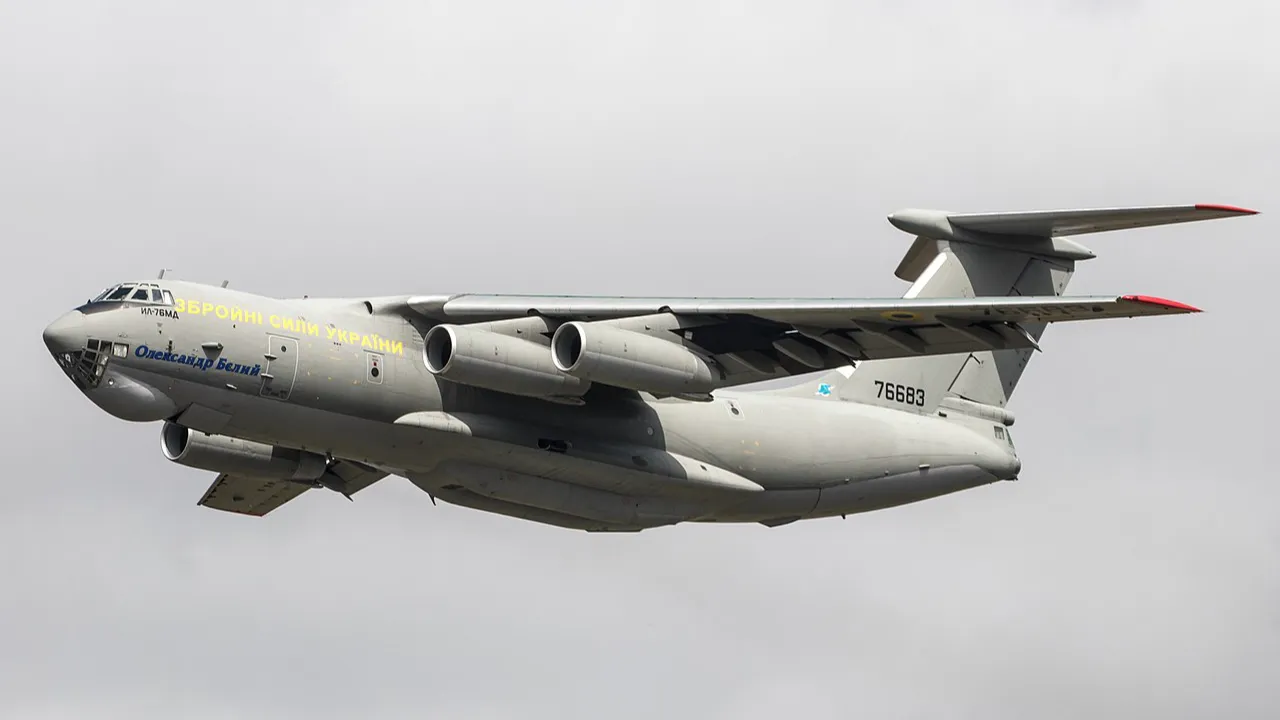
https://commons.wikimedia.org/wiki/File:Ilyushin_IL-76MD_-_Ukrainian_Air_Force_-_76683_(48367735331_cropped).jpg
Russia
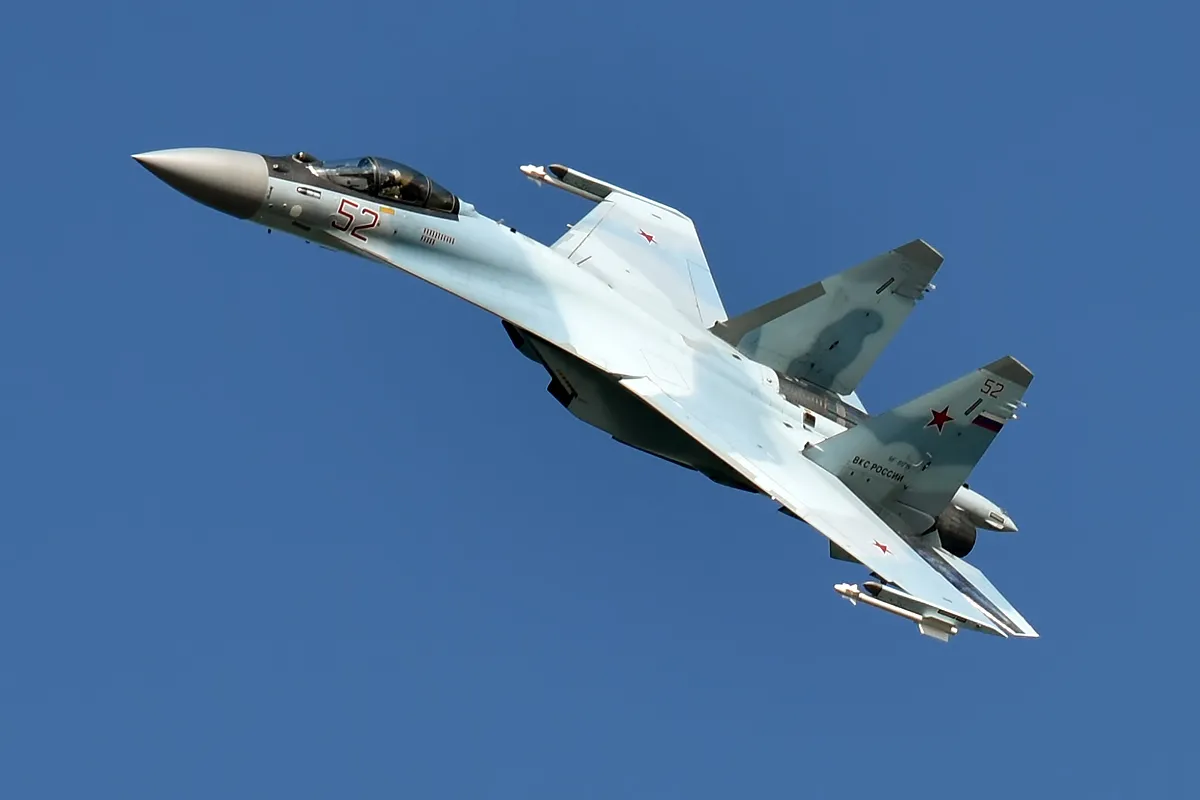
Russia’s overseas airbase footprint is smaller and far more politically contested. Its most clearly defined foreign airbase is Khmeimim in Syria, though the long-term viability of that presence has become uncertain following political upheaval in late 2024.
Elsewhere, Russia maintains air facilities across parts of the former Soviet Union, including Armenia, Kyrgyzstan, Belarus, Kazakhstan, and Tajikistan. Some of these are embedded within larger military bases rather than stand-alone air installations.
The situation becomes murkier in territories such as Crimea and Abkhazia—recognized by Moscow as Russian or independent, but internationally viewed as occupied regions.
Russia’s activities in Africa further complicate the picture, shifting from Wagner Group operations to the state-aligned Africa Corps, with limited but notable aviation assets deployed across the Sahel and Libya.
China, Turkey, and Smaller Air Powers
China’s overseas airbase presence remains limited. Its only widely acknowledged foreign military base is in Djibouti, though its construction of airstrips in the South China Sea blurs the line between domestic, disputed, and international basing.
China also maintains varying degrees of access to foreign airfields, notably in Pakistan.
Turkey operates combat aircraft from Northern Cyprus, which it recognizes as an independent state but which is internationally regarded as occupied Cypriot territory.
Smaller but strategically minded air forces—such as those of Singapore and the UAE—maintain overseas basing arrangements primarily for training and capacity constraints rather than power projection. Singapore, for example, bases aircraft in Australia and the United States due to its limited domestic airspace.
Bottom Line
When it comes to international airbases, the United States stands alone. No other country approaches the scale, permanence, or global dispersion of American airpower overseas.
Below that, the UK and France form a second tier, leveraging legacy territories, alliances, and aircraft carriers to maintain influence well beyond their borders.
Russia’s footprint is narrower, politically contested, and increasingly uncertain, while China has yet to build a comparable global basing network.
For most other countries, permanent overseas airbases with combat-ready fast jets remain the exception—not the rule.
Stay tuned with us. Further, follow us on social media for the latest updates.
Join us on Telegram Group for the Latest Aviation Updates. Subsequently, follow us on Google News
