


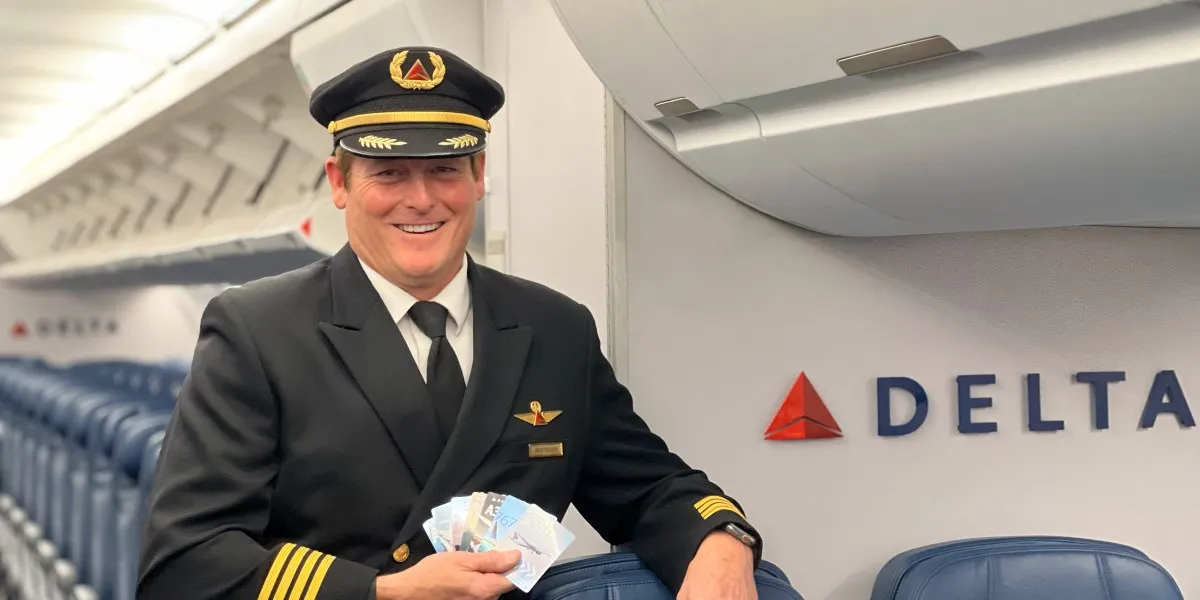
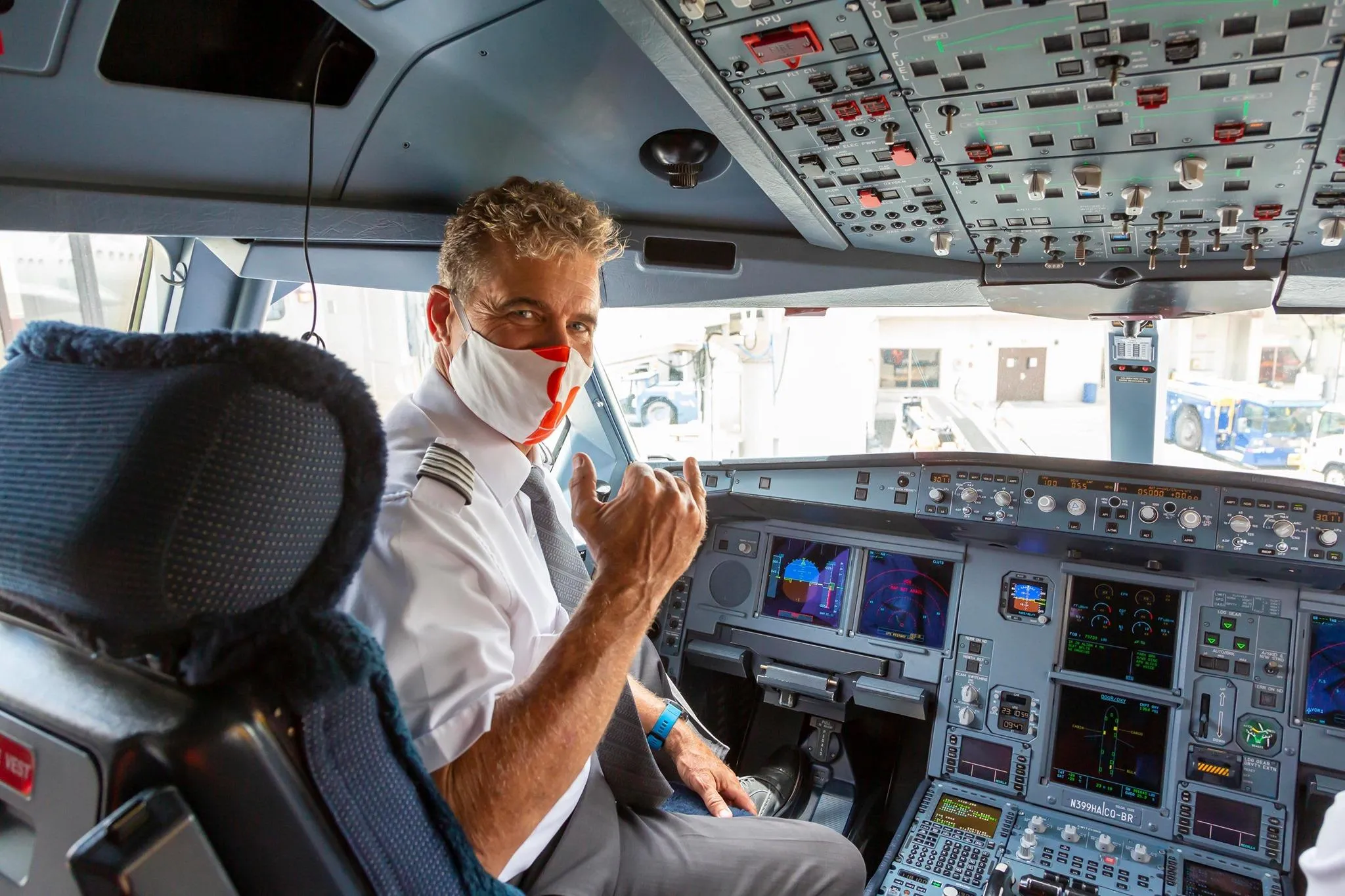
In-flight theft remains a quiet but persistent concern in commercial aviation, particularly on long-haul routes where passengers sleep, and personal belongings sit unattended. A recent account shared by a travel writer, whose father flew for Delta Air Lines (DL), has renewed attention on practical anti-theft habits shaped by cockpit conversations and decades of airline experience.
The advice is rooted in lessons learned across major hubs such as Atlanta Hartsfield-Jackson International Airport (ATL), where high passenger volumes create both operational efficiency and security challenges. According to the writer, her father’s guidance was clear and consistent: valuables should always stay in personal items kept within sight and reach during the flight.
Growing up in a pilot household meant safety discussions extended beyond turbulence and weather. Stories exchanged among flight crews highlighted how opportunistic theft often occurs mid-flight, especially when passengers rely on overhead bins or seatback pockets for essential items.

Pilot Safety Mindset
The pilot’s approach focused on prevention rather than recovery. Important items such as passports, wallets, electronics, and jewelry were never placed in carry-on suitcases stored overhead, where visibility is limited during the cruise.
Instead, the emphasis remained on underseat personal bags that could be monitored at all times.
According to Travel and Leisure, even brief lapses, such as standing to stretch or visiting the lavatory, were considered moments of vulnerability.
This mindset continues into adulthood, with the writer noting she still carries her personal bag while moving around the cabin. The principle remains simple: inconvenience is preferable to the permanent loss of irreplaceable items.
Anti-theft essentials
Several low-cost tools form the backbone of this in-flight security routine. Small locking carabiners secure zippers together, making silent access more difficult and deterring casual attempts.
TSA-approved combination locks serve as visible deterrents on both overhead and underseat bags. While not impenetrable, they discourage quick access and shift attention toward easier targets.
Tracking devices, such as compact Bluetooth tags, add another layer of protection by signaling accountability. Though in-flight tracking is limited, their presence alone can dissuade theft once the aircraft lands.
Cabin storage risks
Seatback pockets remain one of the most common locations for lost or stolen items. Phones, wallets, and earbuds placed there are easily forgotten or accessed by others during boarding and deplaning.
Organizers designed for electronics help reduce this risk by keeping items grouped and harder to remove discreetly. Privacy screen filters on laptops also protect sensitive information from visual data theft during flight.
Hard-shell carry-on luggage with locking zippers adds security for items that must be stowed overhead. However, pilot guidance still prioritizes placing high-value belongings in personal items kept under the seat.

Bottom Line
The insights shared by a pilot’s family highlight that in-flight theft prevention relies more on habits than expensive gear.
Simple tools costing as little as five dollars, combined with constant awareness, can significantly reduce risk and improve passenger security throughout the journey.
Stay tuned with us. Further, follow us on social media for the latest updates.
Join us on Telegram Group for the Latest Aviation Updates. Subsequently, follow us on Google News
