

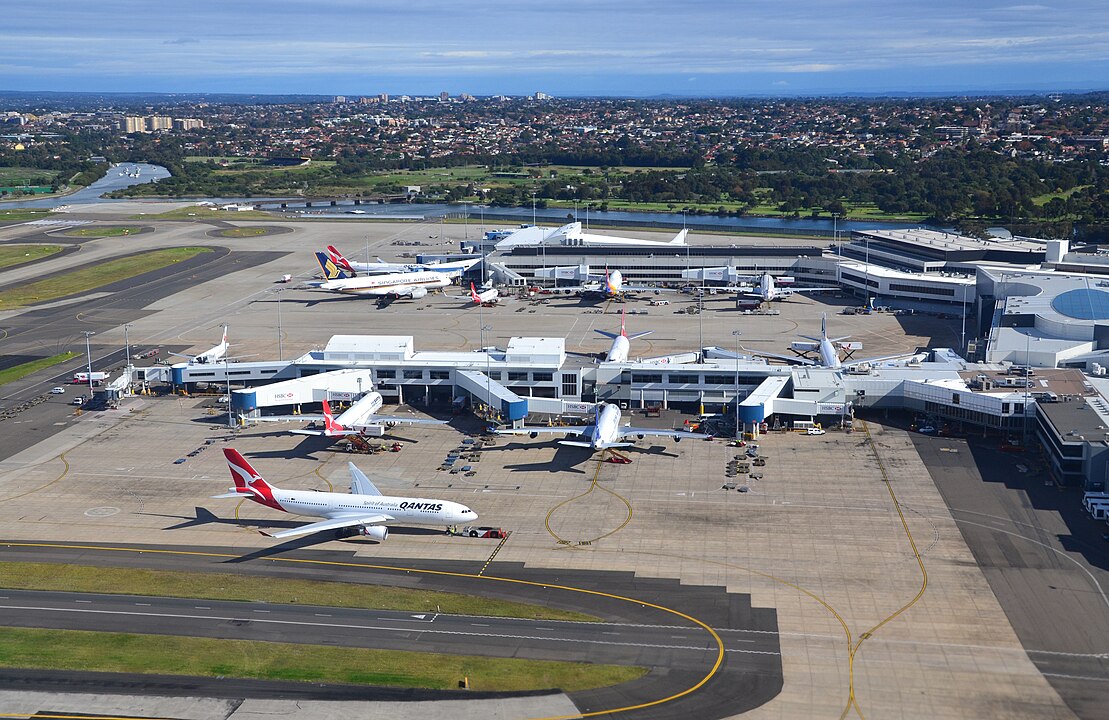
SYDNEY- Qantas (QF) passengers and visitors at Sydney Airport (SYD) have been urged to monitor for measles symptoms after confirmed exposure involving a domestic flight. NSW has now recorded its third measles case in recent days, linked to travellers returning from Southeast Asia.
NSW Health has identified exposure at the Qantas Terminal 3 arrivals hall and on Qantas flight QF748 from Adelaide Airport (ADL) to Sydney Airport (SYD), along with a separate exposure window at Concord Repatriation General Hospital.
Measles Exposure Linked To Airport Arrivals
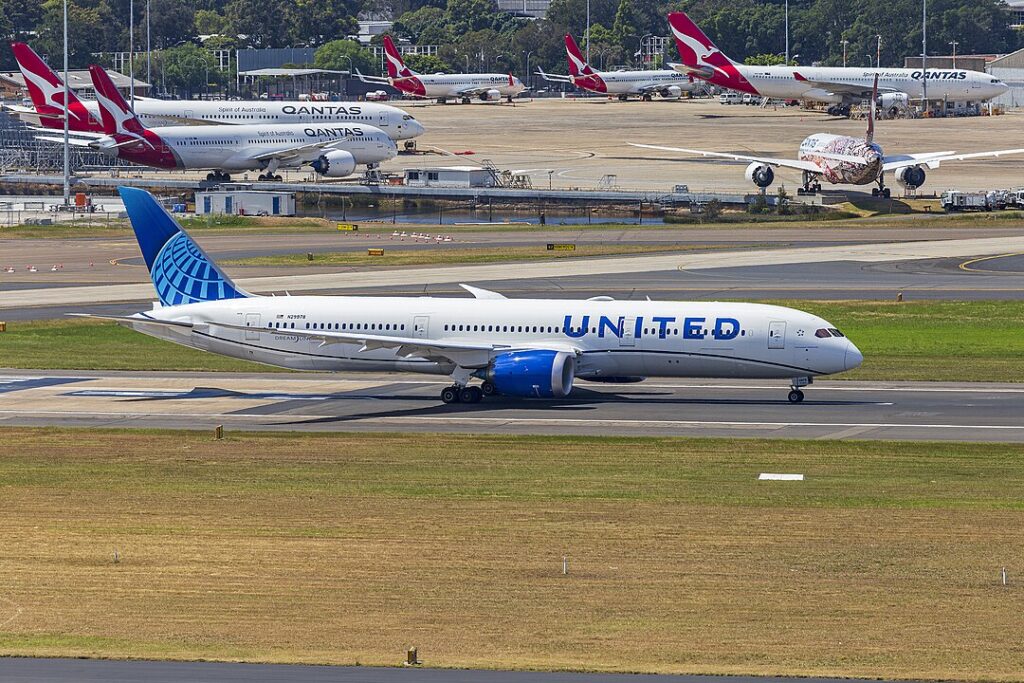
Sydney Airport’s Terminal 3 domestic arrivals hall and Qantas flight QF748, which landed between 10.30 pm and 11 pm on December 29, have been confirmed as measles exposure sites. Passengers on the flight and anyone in the Qantas arrivals hall at that time are advised to remain alert for symptoms until January 16.
A further exposure alert has been issued for the Emergency Department at Concord Repatriation General Hospital. Anyone who attended between 1 pm and 4.10 pm on January 3 should monitor for symptoms until January 21.
These alerts follow three confirmed cases in NSW involving travellers returning from countries in Southeast Asia that are currently experiencing outbreaks.
NSW Health reports that more than 50 exposure locations have been identified since early December, including train services, supermarkets, restaurants, multiple hospitals, and Sydney Airport’s domestic and international terminals. Officials confirm there is no ongoing risk at any listed sites.
Contact tracing is underway, and close contacts are being notified where possible.
Understanding Measles Transmission And Risk
Measles spreads easily through the air when an infected person coughs or sneezes. Symptoms usually appear about 10 days after exposure.
Early signs often resemble the flu, including fever, cough, tiredness, runny nose, and sore red eyes. A rash typically appears a few days later, starting on the face and spreading across the body.
About one in three people with measles may experience complications. These can include ear infections, pneumonia, and diarrhoea. In rare cases, measles can cause brain inflammation or death. Infants, pregnant women, and people with weakened immune systems face a higher risk.
Vaccination Remains Key Protection
Western Sydney Local Health District Acting Director of Public Health, Dr Conrad Moreira, reminded residents that vaccination offers strong protection.
Anyone born after 1965 should have received two doses of the measles vaccine. The vaccine is free in NSW for eligible people who require catch-up doses.
Children usually receive the measles-mumps-rubella (MMR) vaccine at 12 and 18 months. However, children as young as six months may be vaccinated before international travel if required.
Current measles outbreaks are being reported in Indonesia, including Bali, as well as Vietnam, Thailand, and the Philippines.
What To Do If You May Have Been Exposed
People who were at the listed locations during the exposure windows should:
- Watch for symptoms for the advised period
- Seek medical care promptly if symptoms develop
- Call ahead before visiting a GP or hospital so infection control steps can be taken
- Avoid public places if unwell
Those unsure of their vaccination status are encouraged to check their records or speak to a healthcare provider.
NSW Health states there is no continuing risk of exposure at any of the identified locations, but urges the public to remain aware, especially when travelling.
Stay tuned with us. Further, follow us on social media for the latest updates.
Join us on Telegram Group for the Latest Aviation Updates. Subsequently, follow us on Google News
