

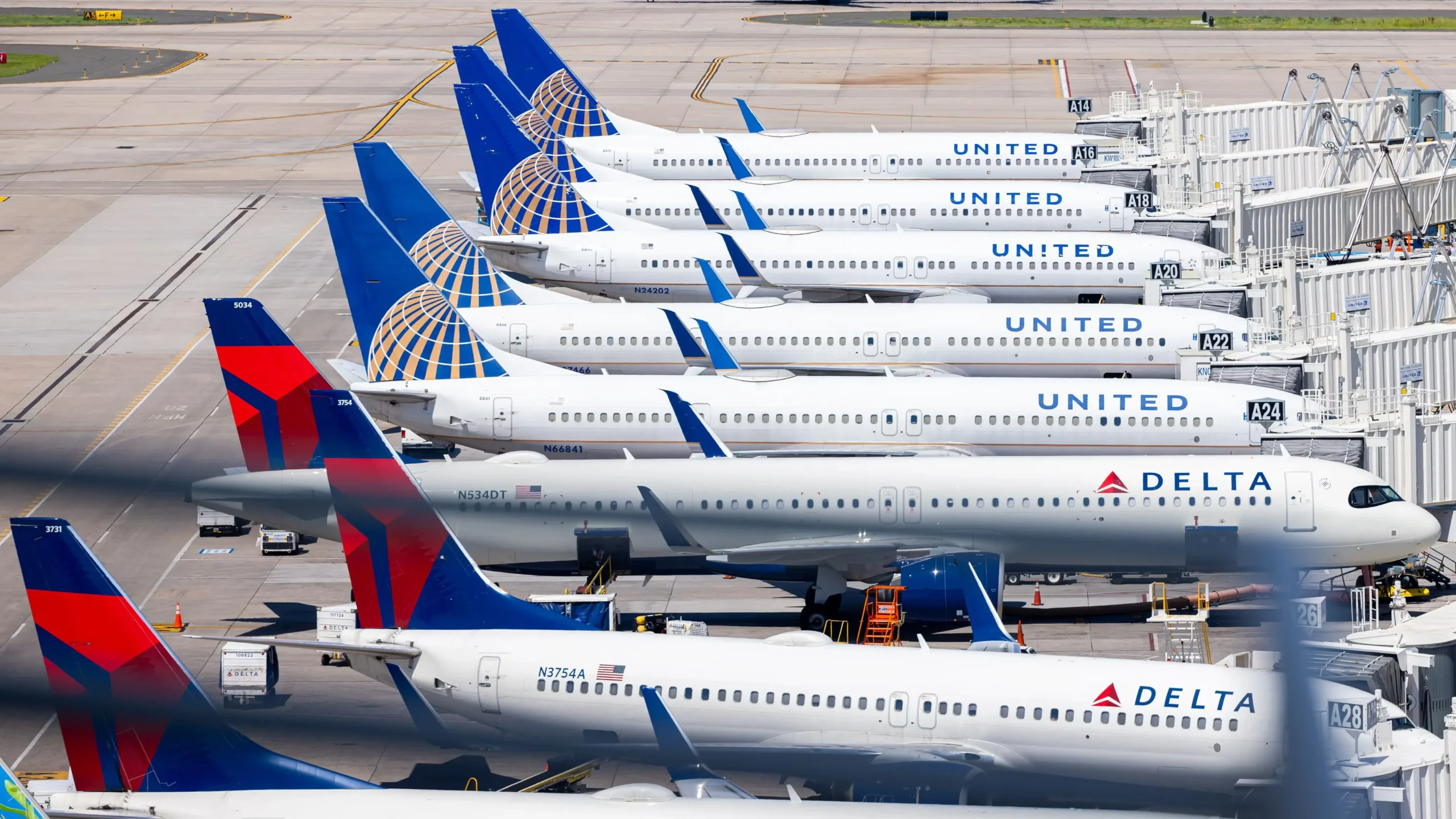
NEW YORK- A major carrier has emerged as a focal point in the debate over airline punctuality, as new performance figures raise questions about Delta Air Lines (DL) and its long-held reputation for reliability.
Delta’s performance is now being compared more closely with United Airlines (UA), its largest network rival, as competitive gaps narrow across key metrics. Industry observers note that reliability, once a defining advantage for Delta, is increasingly becoming a shared expectation rather than a differentiator in the U.S. airline market.

Delta Loses On-Time Crown
Recent year-to-date figures circulating within the aviation community suggest that Delta has posted a higher combined cancellation rate than United.
The data, which weighs mainline operations more heavily than regional flights, places United at a 1.15 percent cancellation rate, compared with Delta at 1.22 percent.
The divergence becomes more pronounced when examining recent activity at New York-area airports. Delta reportedly canceled more than five percent of seats during the period analyzed, while United’s cancellations remained closer to one and a half percent.
Such a gap represents a notable reversal from historical norms, when Delta consistently led peers in completion factor and on-time performance.
For Delta, the shift is significant because reliability has long been central to its brand positioning. Past achievements, including extended streaks without a single mainline cancellation, reinforced the airline’s image as the most dependable among U.S. global carriers, OMAAT flagged.
United Reliability Gains
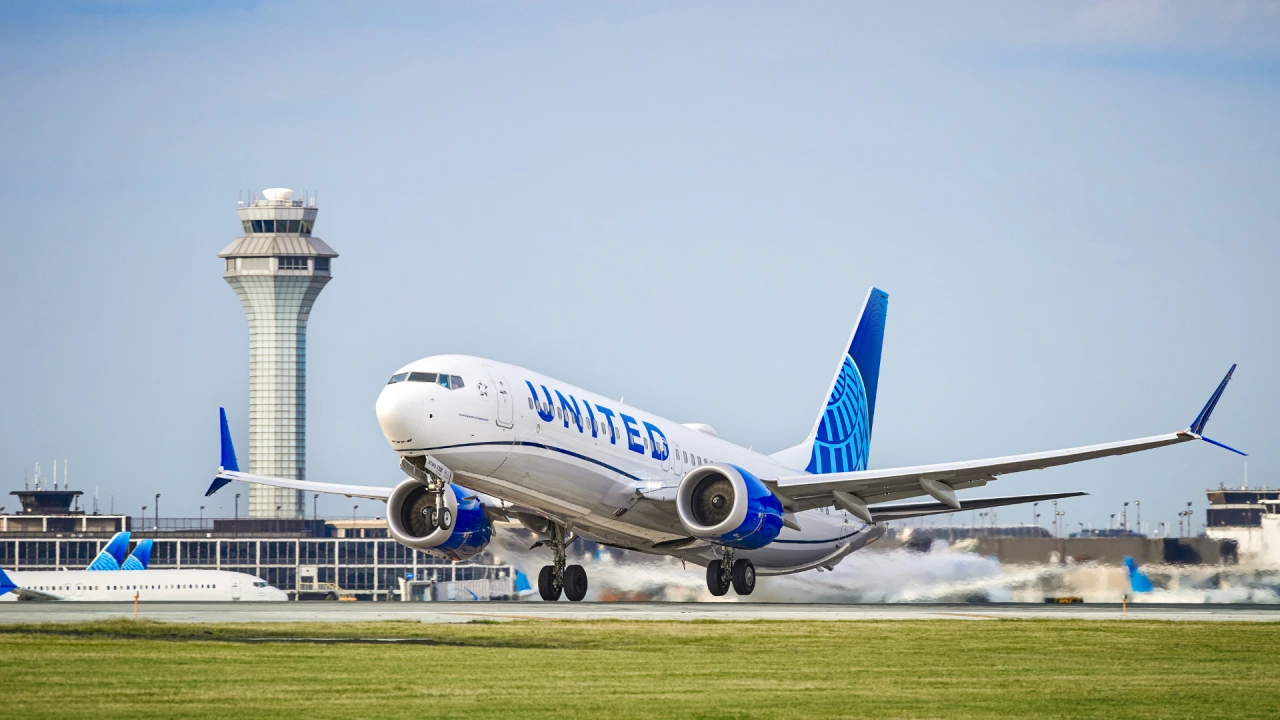
United’s recent performance reflects years of investment aimed at closing the reliability gap. The airline has focused on operational technology, crew scheduling systems, and network resilience to reduce disruption during irregular operations.
These efforts appear to be yielding measurable results, particularly at congested airports where margins for error are thin. Improved recovery times after weather events and fewer last-minute cancellations have helped United narrow a once-substantial performance divide.
At the same time, external pressures affect all carriers. Air traffic control congestion and capacity constraints in the Northeast have intensified, limiting how much control airlines can exert over day-to-day punctuality.
In this environment, relative performance, rather than absolute perfection, has become the primary benchmark.
Delta Competitive Position
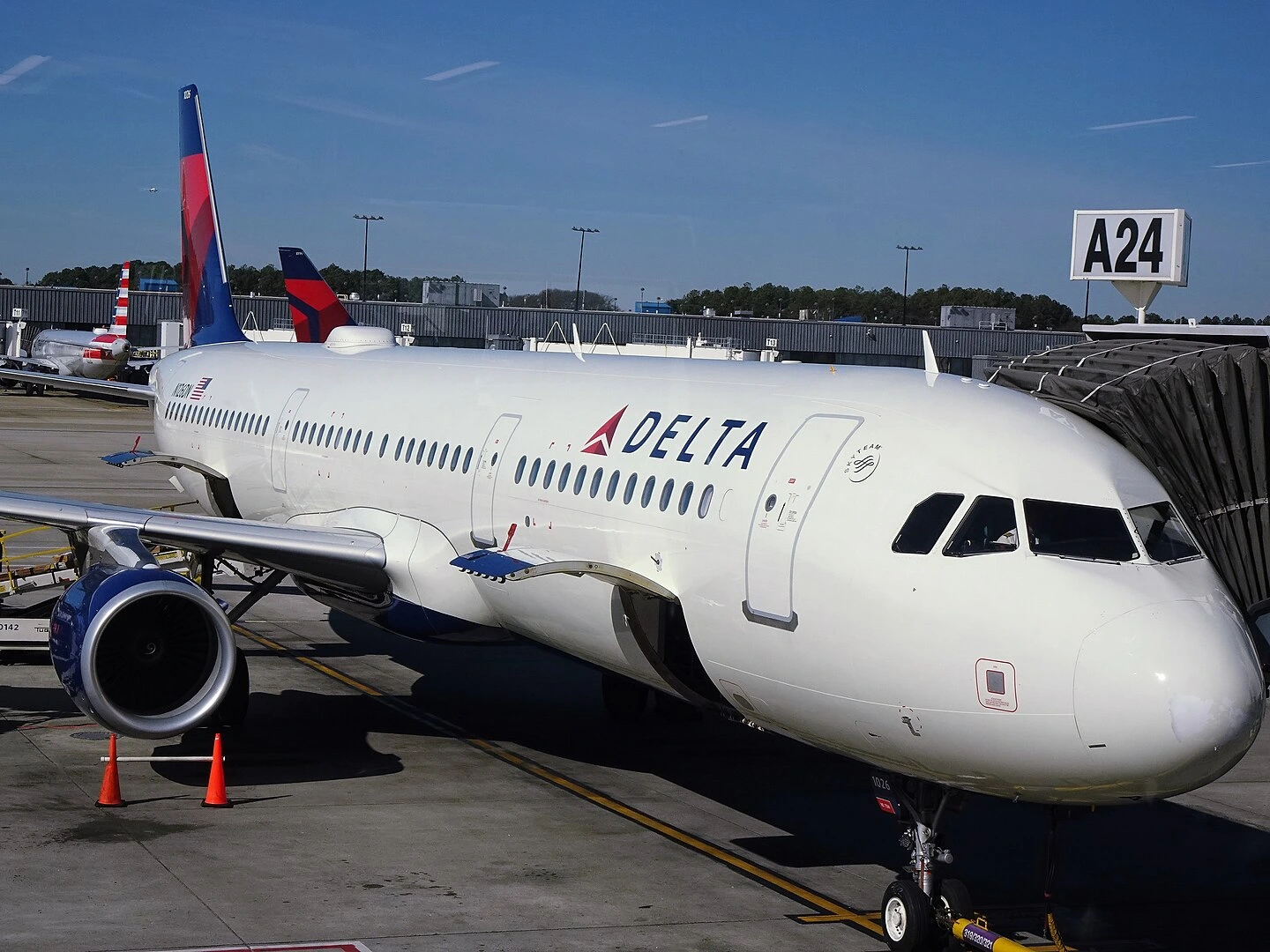
Delta’s evolving workforce and leadership priorities have also shaped outcomes. The airline experienced significant talent turnover during the pandemic, resulting in a more junior operational base than in previous years.
While Delta continues to invest heavily in customer-facing initiatives and brand partnerships, critics argue that these efforts do not directly translate into improved completion rates.
The result is a competitive landscape where Delta remains strong, but no longer clearly separated from rivals on reliability alone.
This convergence does not imply underperformance by Delta, but rather progress by competitors. United’s gains highlight how operational excellence has become a baseline requirement rather than a unique selling point.
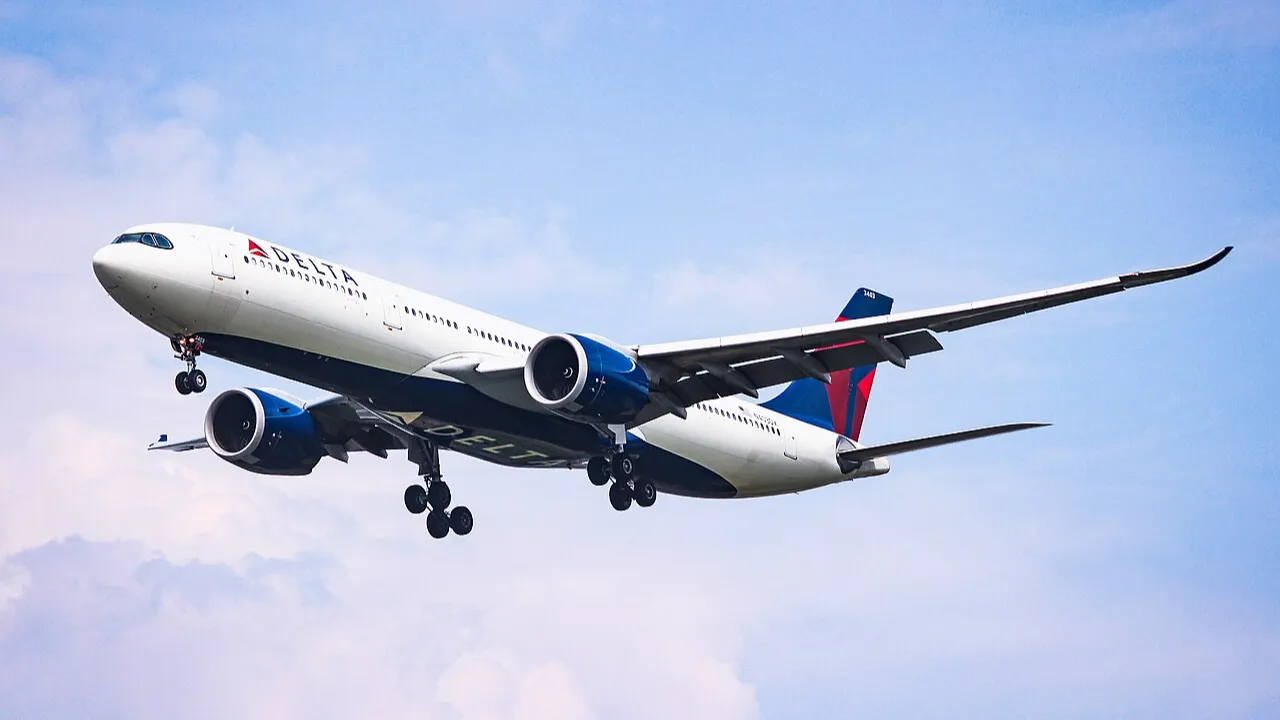
https://commons.wikimedia.org/wiki/File:Delta_Airlines_Airbus_A330neo_-_N403DX.jpg
Bottom Line
Delta’s status as the industry’s “on-time machine” is no longer unquestioned. Available data suggests United has caught up, and in some markets surpassed Delta, on cancellation performance.
Final government statistics will provide confirmation, but the trend indicates that operational reliability is now a closer contest among U.S. network carriers.
Stay tuned with us. Further, follow us on social media for the latest updates.
Join us on Telegram Group for the Latest Aviation Updates. Subsequently, follow us on Google News
