


ISTANBUL- Türkiye’s flag carrier Turkish Airlines (TK) has set an ambitious long-term target to rank among the world’s top five airlines by 2033, aligning the goal with its 100th anniversary. The plan centers on fleet expansion, network scale, and financial self-reliance as the airline positions itself for the next decade of growth.
Speaking in Rize on the Black Sea coast, near Rize–Artvin Airport (RZV), CEO Bilal Ekşi outlined how the airline views itself as a national carrier representing Türkiye’s 84 million citizens. He emphasized that Turkish Airlines’ growth strategy reflects both commercial ambition and national pride.
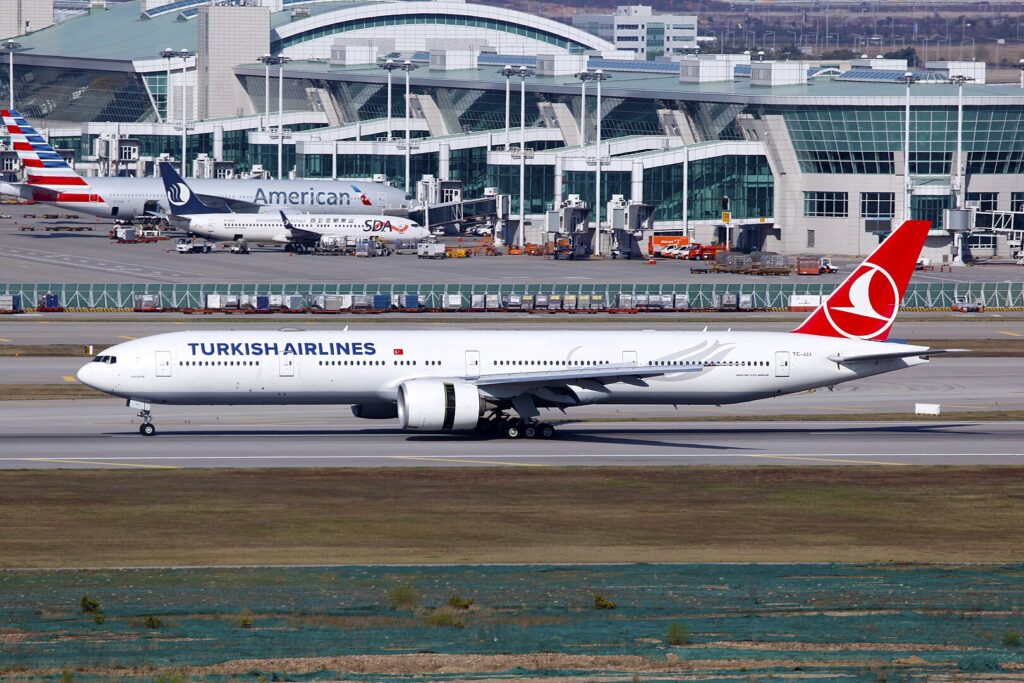
Turkish Airlines to Rank in
Turkish Airlines has grown rapidly over the past two decades, expanding its fleet from 65 aircraft in 2003 to 514 aircraft today.
This growth has lifted the airline from 35th place globally by fleet size to ninth, placing it among the largest carriers in the world.
By 2033, the airline expects its fleet to reach 813 aircraft, a figure that would firmly place it in the global top five.
Ekşi stated that nearly 600 aircraft have already been ordered and are scheduled for delivery over the next 10 to 12 years, reported Caspian Post.
A key element of the strategy is financial independence. Turkish Airlines plans to fund all aircraft acquisitions through its own resources, signaling strong confidence in its balance sheet and long-term revenue outlook.
Ekşi described the expansion as equivalent to building a second airline alongside the existing operation. The fleet doubling will significantly increase capacity across short-haul, medium-haul, and long-haul markets.
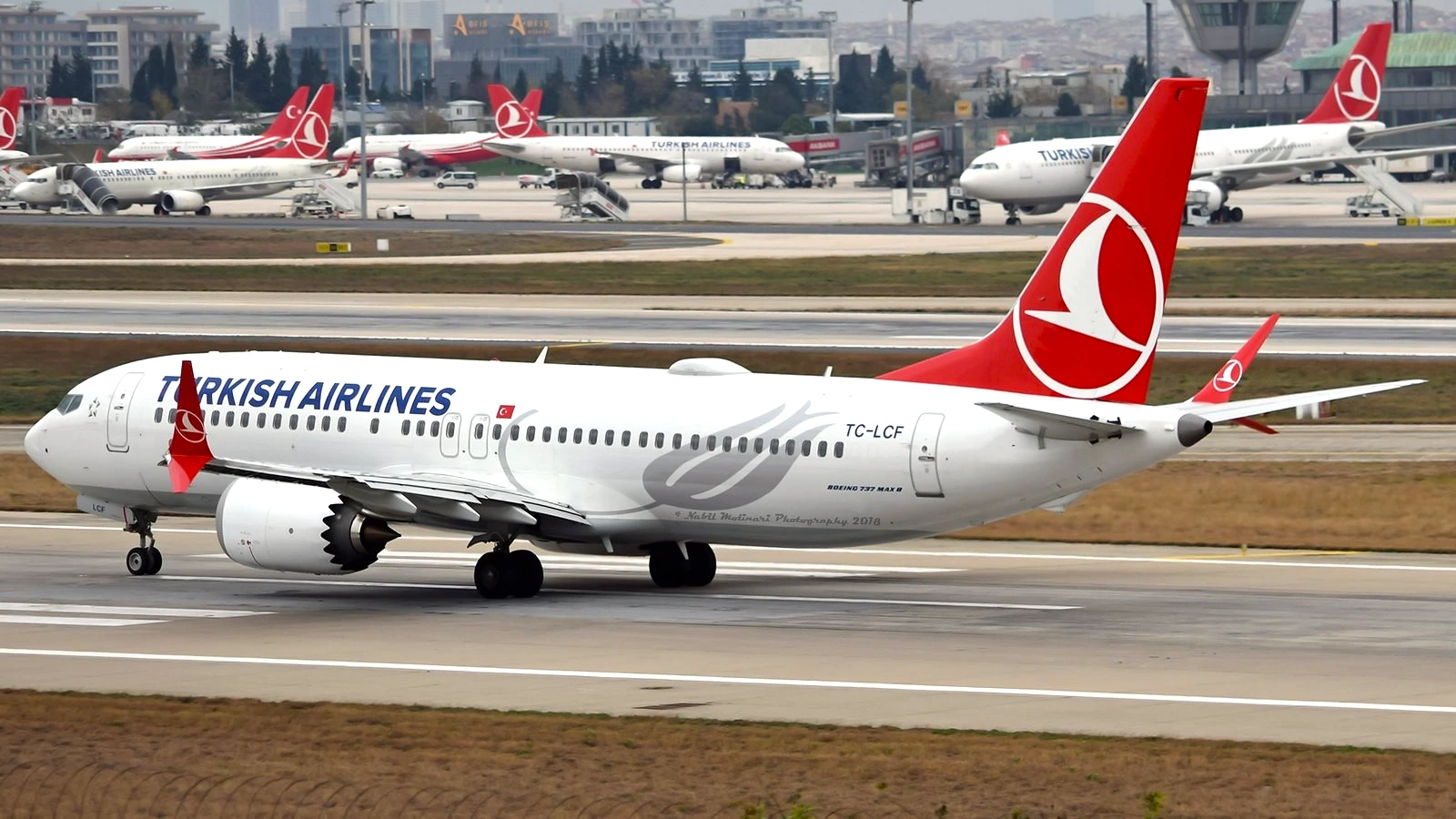
Turkish Airlines Global Network Scale
Network breadth remains one of Turkish Airlines’ strongest competitive advantages. The carrier currently operates flights to 132 countries, more than any other airline globally.
Ekşi highlighted the scale gap between Turkish Airlines and its closest competitors. Most rival global carriers serve fewer than 90 countries, underlining the uniqueness of the Turkish Airlines network model.
With operations in 132 of the world’s 193 countries, the airline can reach roughly 95% of the globe using its own aircraft.
This extensive reach supports Istanbul’s role as a global aviation hub linking Europe, Asia, Africa, and the Americas.
The airline’s wide geographic footprint also provides resilience. Diversified markets help balance regional demand fluctuations and support sustained long-term growth.
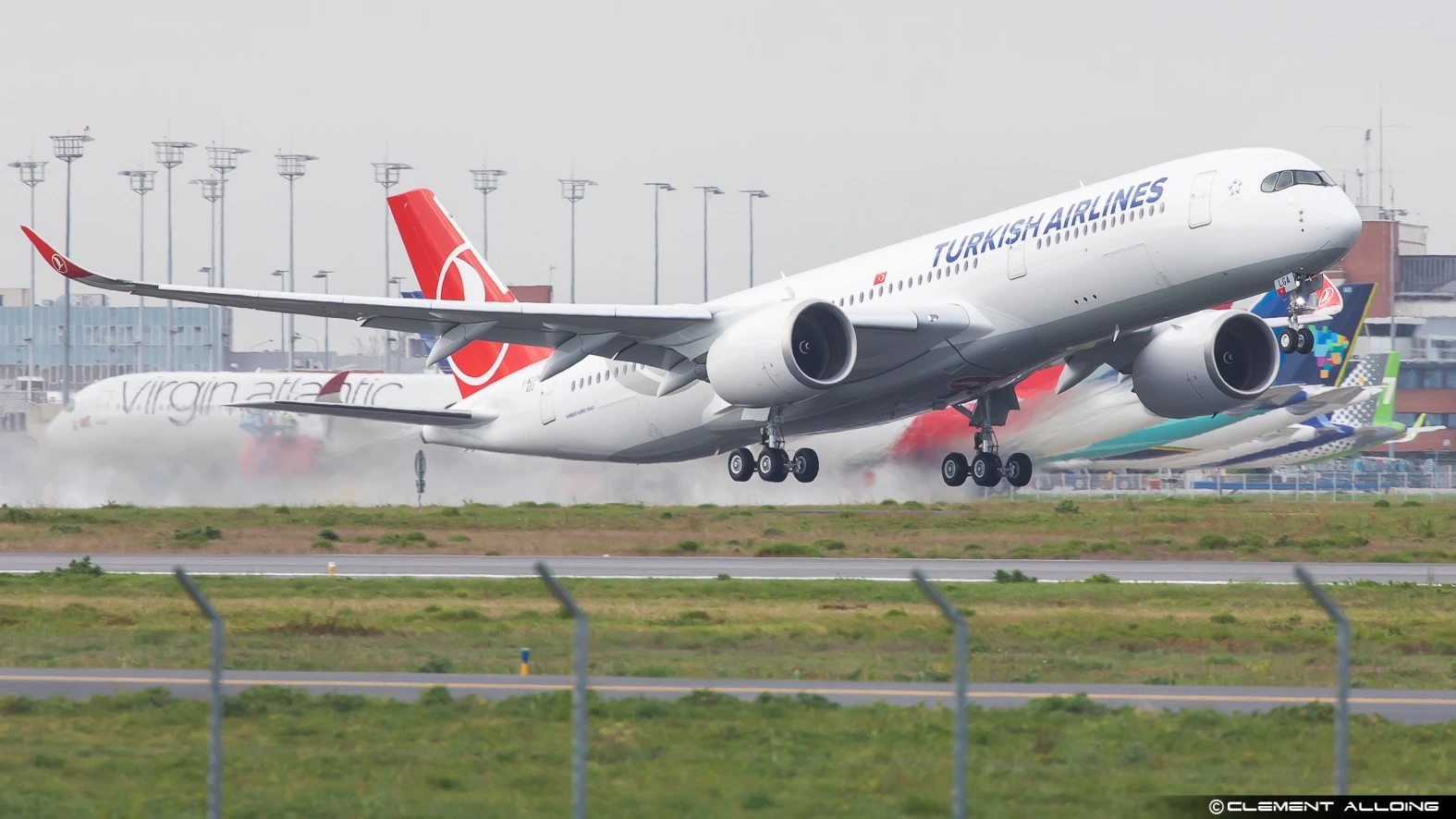
Bottom Line
Turkish Airlines’ plan to reach 813 aircraft by 2033 reflects one of the most aggressive growth strategies in global aviation.
By combining fleet expansion, financial self-sufficiency, and unmatched international coverage, the airline aims to secure a permanent place among the world’s top five carriers as it marks its centenary.
Stay tuned with us. Further, follow us on social media for the latest updates.
Join us on Telegram Group for the Latest Aviation Updates. Subsequently, follow us on Google News
