

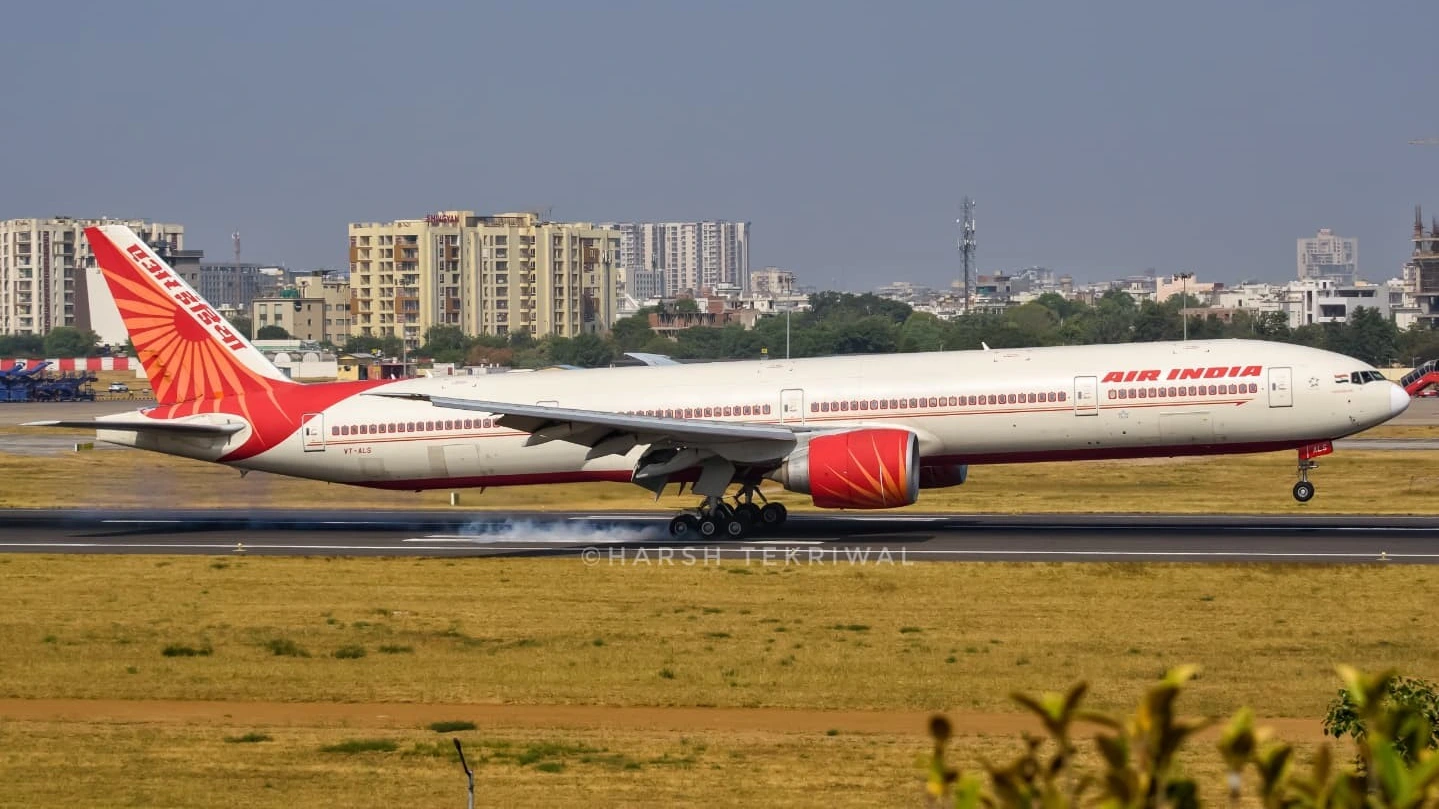
DELHI- Tata Group-owned Air India (AI) removed a Boeing 777 pilot from duty at Vancouver Airport (YVR) after he allegedly failed an alcohol test before operating Flight AI186 to Delhi (DEL) via Vienna (VIE) on December 23, 2025.
Canadian authorities detained the Air India pilot at Vancouver Airport (YVR) after a duty-free store employee reported suspected intoxication shortly before the flight. A breathalyser test was conducted, and the pilot did not pass, according to a Times of India report.
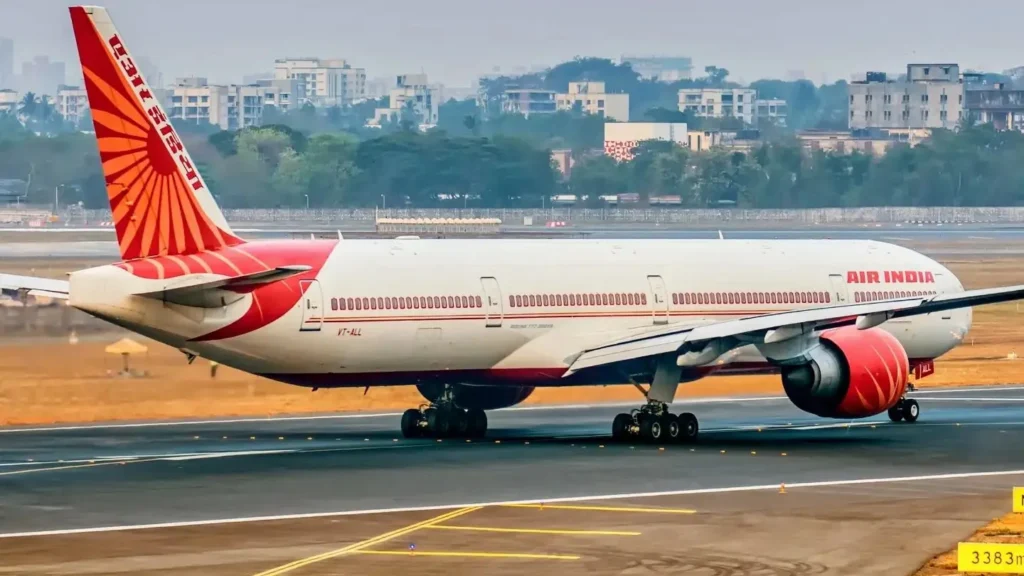
Air India 777 Pilot Found Drunk
The duty-free staff member reportedly noticed signs of alcohol consumption. Some reports state that the pilot smelled of liquor while purchasing a bottle, while others mention that she saw him sipping wine that had been offered.
The exact trigger for the report remains unclear. Once authorities confirmed intoxication, the pilot was detained and removed from flight duty.
The Boeing 777 operating AI 186 departed Vancouver after a delay of about two hours once a replacement pilot took charge of the first sector to Vienna. After arrival in Vienna (VIE), a different crew operated the onward leg to Delhi (DEL) to comply with duty-time rules and flight safety standards.
The detained pilot was flown back to Delhi a few days later. He is currently under investigation, and the case has been reported to India’s Directorate General of Civil Aviation (DGCA), which is examining the circumstances and regulatory violations.

Official Remarks
Air India confirmed that the pilot has been grounded pending the outcome of the probe.
The airline stated that the matter will be handled sternly and that strict disciplinary action will follow if the violation is confirmed. It also expressed regret for the inconvenience caused to passengers.
The incident prompted discussion on aviation safety forums and social media platforms. Several users highlighted the risks associated with alcohol consumption by operating crew and noted that enforcement mechanisms are essential to prevent such events.
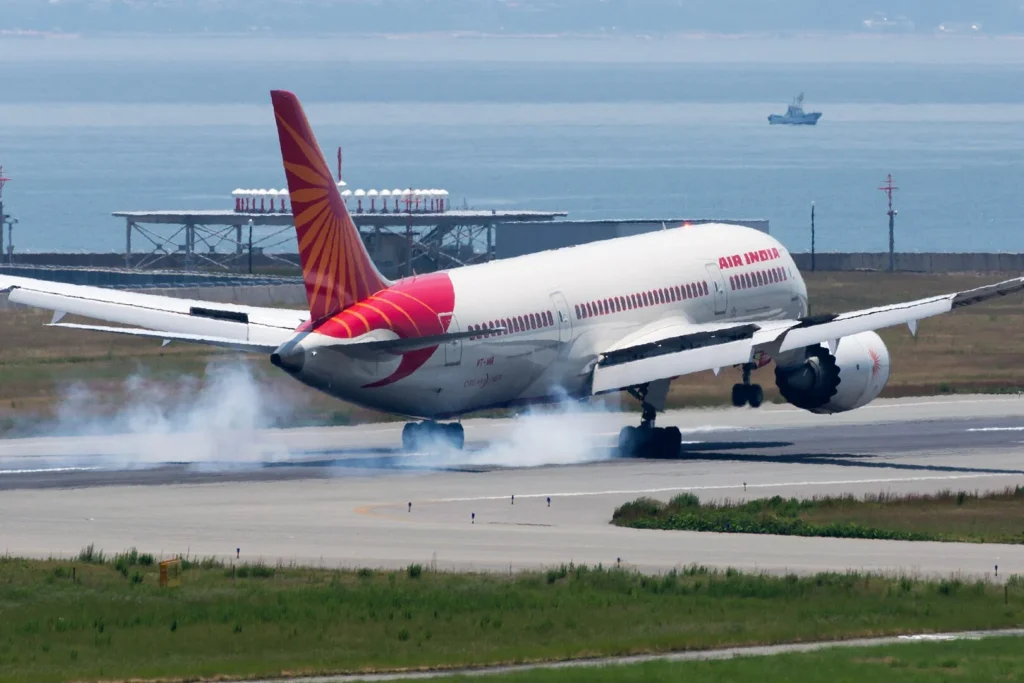
Another Incident
Air India is under regulatory scrutiny after operating flights between Delhi (DEL) and Tokyo Haneda (HND) despite repeated technical problems with the aircraft.
The DGCA said crews flying Air India services AI358 and AI357 accepted the aircraft even though they were aware of system degradation and MEL limits.
The notice stated that the crews proceeded without fully understanding the Minimum Equipment List (MEL) restrictions, system interaction, or the associated risk.
MEL compliance forms a mandatory part of India’s Civil Aviation Requirements (CAR), and the regulator highlighted that multiple defects had already been reported across earlier flights.
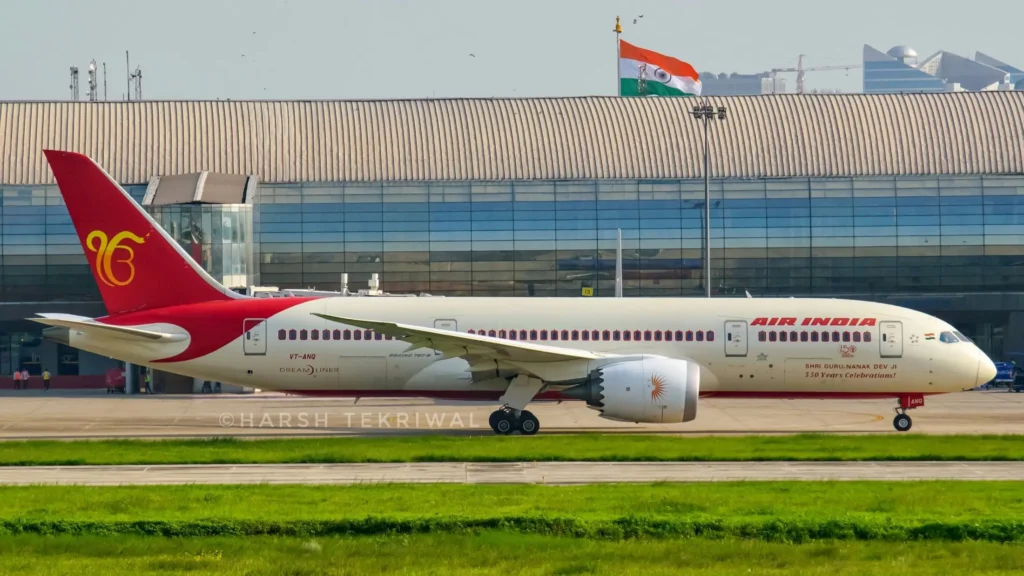
DGCA focuses on MEL compliance and operational judgement
According to the DGCA notice issued on December 29, the repeated snags were linked to the same aircraft systems, indicating known and ongoing degradation before the Delhi-Tokyo operations. One cited case related to MEL O conditions on June 28, 2025, involved the lower right recirculation fan on flight AI358.
The regulator said the crew failed to assess the combined operational and safety implications of multiple inoperative systems. Under CAR, flight crews must evaluate how system issues may interact to increase risk.
The review found that these duties were not completed to the required standard, and MEL provisions appeared to be applied without adequate consideration of linked system performance.
DGCA records showed that system faults had been reported repeatedly. Despite this, the aircraft continued to operate, raising concerns over operational discipline, maintenance controls, and risk assessment standards. Notices have been issued to both the airline and the pilots.
Air India and the involved crew members have been given 14 days to respond. DGCA will decide on enforcement measures based on these submissions under the Aircraft Rules and CAR provisions. The review forms part of a broader regulatory focus on flight safety oversight and decision-making on the flight deck.
The notice follows heightened safety attention during the ongoing investigation into the Air India AI171 accident at Ahmedabad involving a Boeing 787 on June 12, which resulted in 260 fatalities. That investigation is still underway.
Industry expert links issue to safety culture
Aviation safety expert Amit Singh of the Safety Matters Foundation said the case reflects wider airline safety culture challenges rather than isolated pilot choices.
He highlighted repeated aircraft dispatch despite known technical issues, reliance on paperwork rather than risk-based judgement, and a pattern of attributing responsibility to crews while aircraft continue operating with unresolved defects.
He warned that when technical and procedural failures become routine, the risk of serious incidents increases.
Stay tuned with us. Further, follow us on social media for the latest updates.
Join us on Telegram Group for the Latest Aviation Updates. Subsequently, follow us on Google News
