


DELHI- Tata Group-owned Air India (AI) has received a show cause notice from India’s aviation regulator after operating flights between Delhi (DEL) and Tokyo Haneda (HND) despite repeated technical snags.
The DGCA said crews operating Air India (AI) flights AI358 and AI357 accepted the aircraft with prior awareness of system degradation and MEL restrictions.
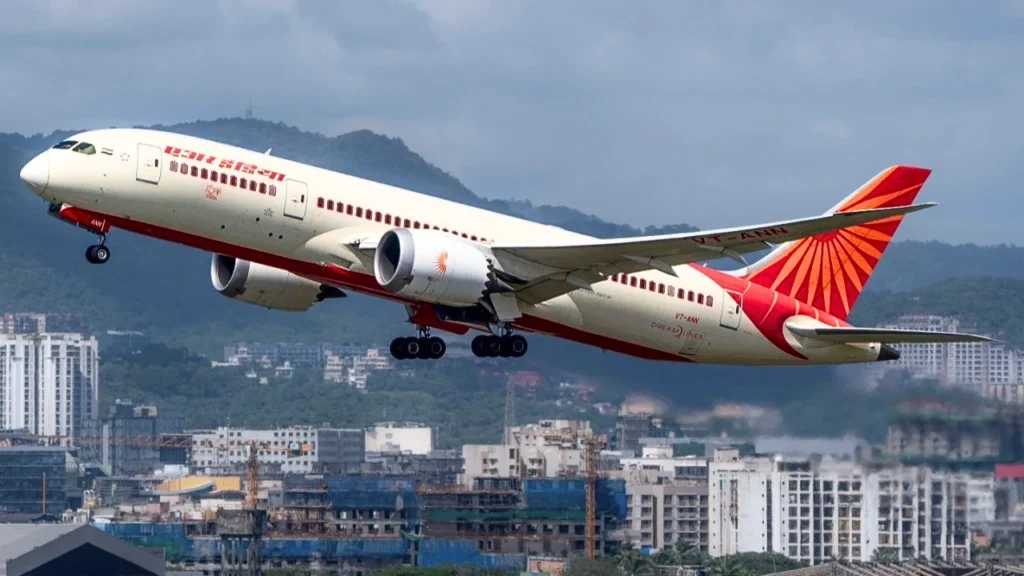
DGCA Issues Notice to Air India Amid Violation
According to the DGCA notice dated December 29, the operating crew accepted the aircraft without fully understanding the Minimum Equipment List (MEL) limits and system interdependence.
MEL compliance is a mandatory element of the Civil Aviation Requirements (CAR). The regulator said repetitive snags linked to the same systems had been recorded across five earlier sectors, which indicated known and ongoing system degradation before the Delhi-Tokyo flights.
The DGCA cited a specific case of non-compliance on June 28, 2025, linked to MEL O conditions involving the lower right recirculation fan on AI358.
The regulator said the crew did not properly assess the combined operational and safety effects of multiple inoperative systems, as required under CAR. Notices have been issued to both Air India and the involved pilots, Business Today reported.
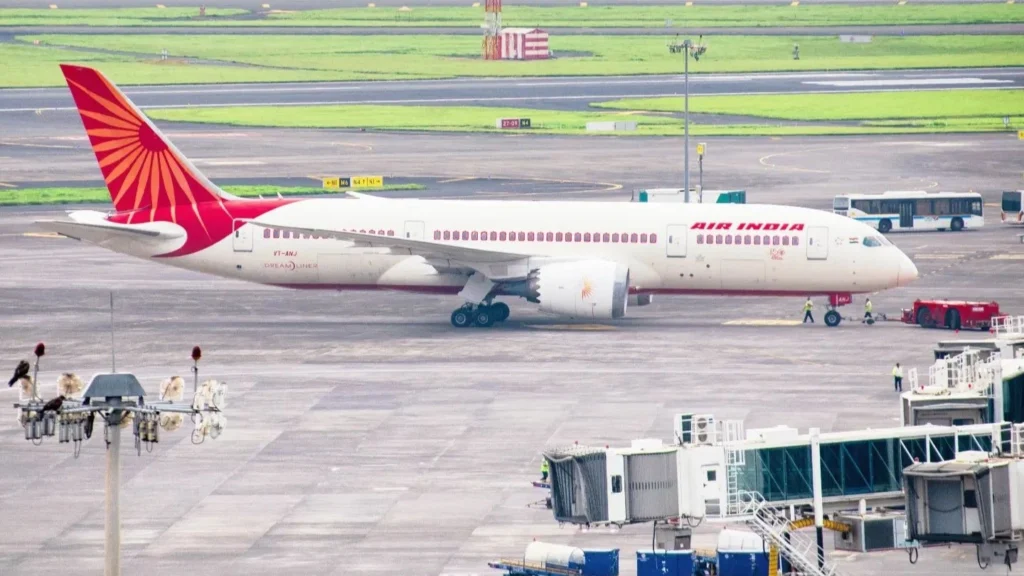
Repeated Technical Snags Raised Safety Risk
The regulator’s review showed that faults affecting the same systems had been reported multiple times. The aircraft was still dispatched despite this known history. This raised concerns over operational judgement, risk assessment, and adherence to structured maintenance and dispatch controls.
CAR requires that flight crews evaluate how multiple issues might interact to increase risk. The DGCA said this duty of assessment was not carried out to the required standard and that MEL provisions appeared to be applied without sufficient consideration of linked system performance.
Air India and the flight crew members have been given 14 days to respond. Based on these responses, DGCA will decide on enforcement under the Aircraft Rules and CAR. The review forms part of a wider focus on operational discipline and regulatory oversight.
The regulator’s notice comes while an investigation continues into the Air India AI171 crash at Ahmedabad involving a Boeing 787 on June 12, which resulted in 260 fatalities. That investigation remains ongoing and has further sharpened scrutiny of airline safety practices.
Expert Remarks
Aviation safety expert Amit Singh, who leads Safety Matters Foundation, said the incident reflects deeper safety culture issues rather than isolated crew decisions.
He pointed to repeated dispatch despite known technical defects, reliance on paperwork over risk-based assessment, and a trend of blaming pilots when aircraft continue operating with unresolved snags.
He warned that when safety failures become routine, accidents no longer come as a surprise.
Similar Incident
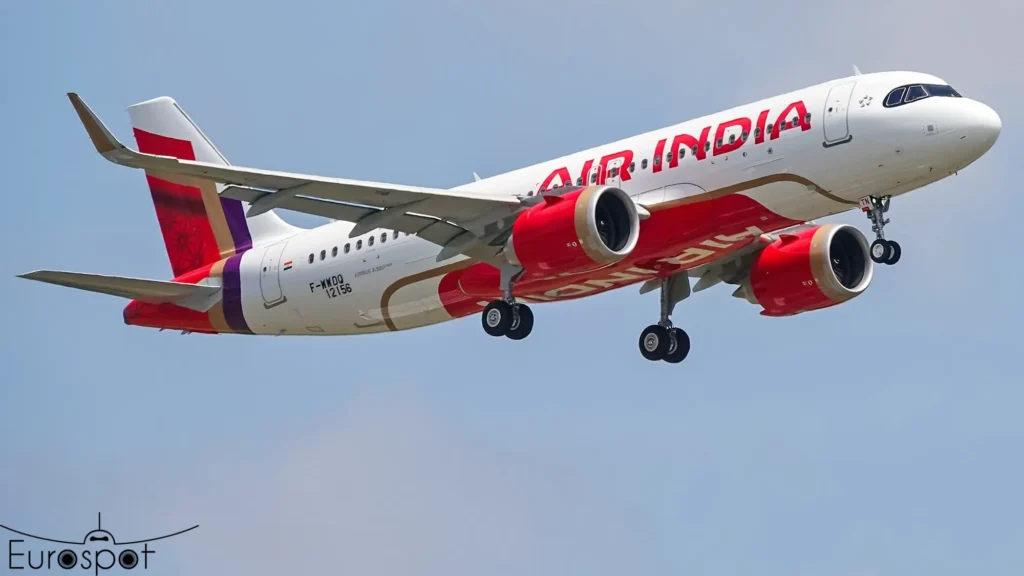
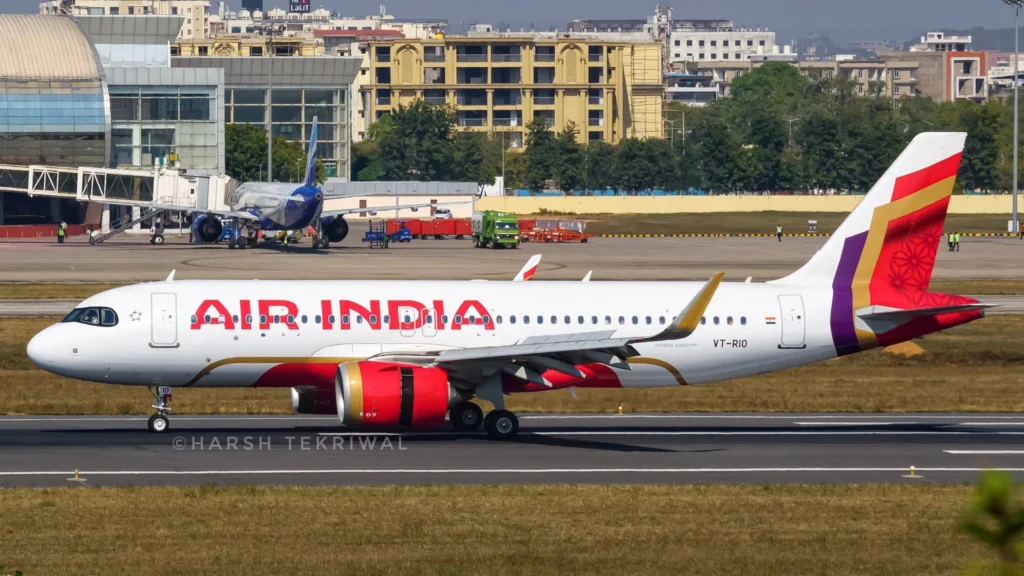
Air India Airbus A320 operated eight domestic flights after its airworthiness certificate expired.
The aircraft was grounded once the lapse was detected, and the regulator opened a formal investigation into compliance failures.
Airworthiness lapse under regulatory review
The incident concerns a 164-seat Airbus A320 that continued commercial service after its Certificate of Airworthiness expired. Engineers identified the oversight only after the aircraft completed eight sectors on November 24 and 25.
The Directorate General of Civil Aviation (DGCA) began a detailed inquiry to understand how the aircraft was dispatched without a valid certificate in place.
The certificate requires annual renewal following periodic maintenance and safety checks. Operating any aircraft without a valid certification is treated as a major violation under Indian aviation law. Air India suspended all staff linked to the technical release of the aircraft and grounded the jet pending investigation. The airline also notified the DGCA and initiated its own internal review.
Details not yet disclosed publicly
Public reports have not identified the aircraft registration, the flight numbers, or the specific routes involved. Passenger loads and operational impacts have also not been disclosed. There is no indication of any safety incident during the affected flights, but the absence of valid certification is considered a serious breach in itself.
The airline’s Continuing Airworthiness Management systems are designed to track renewal schedules and compliance tasks. Aviation experts note that missing a certificate renewal is rare in such systems, which raises questions about internal quality controls and procedural discipline.
Possible penalties and operational impact
Authorities may impose penalties if negligence or systemic weaknesses are confirmed. These may include fines and suspension of accountable personnel responsible for engineering oversight and operational control. The lapse could also expose the airline to risk with lessors and insurers, since non-compliant operation can affect insurance coverage terms.
Regulators continue to perform random audits, but responsibility for continuous airworthiness rests with the operator at all times. Government officials have described the lapse as a serious failure that compromised the assurance of flight safety, even though flights operated without incident.
Stay tuned with us. Further, follow us on social media for the latest updates.
Join us on Telegram Group for the Latest Aviation Updates. Subsequently, follow us on Google News
