

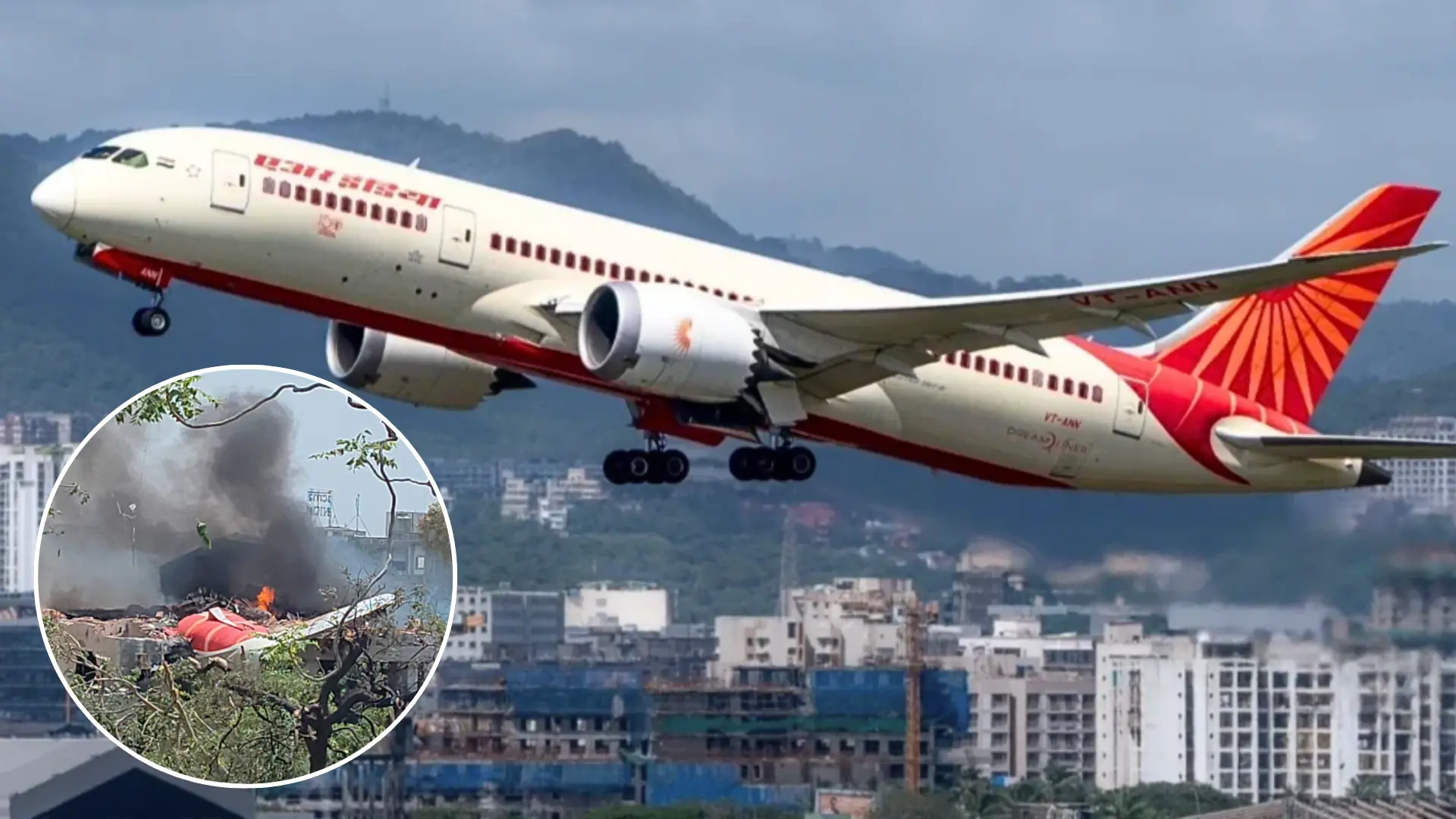
ARLINGTON- The crash of an Air India (AI) Boeing 787 Dreamliner in Ahmedabad has reignited global scrutiny of aircraft safety and investigation standards. A Boeing whistleblower has warned against rushing to blame pilots before examining the aircraft itself.
Former Boeing manager Ed Pierson revealed in an exclusive interview with FirstPost that long-standing electrical and manufacturing flaws in the 787 program demand deeper attention, especially as the official probe increasingly leans toward pilot error.
Boeing Whistleblower Flags 787 Issue
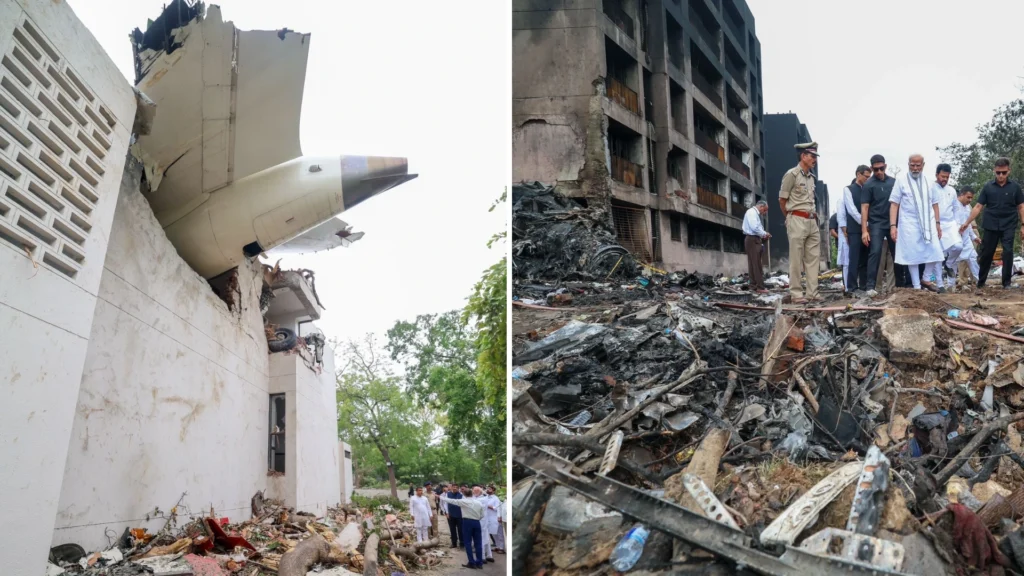
On June 12, 2025, at 13:39 local time, Air India flight AI171, a Boeing 787-8 Dreamliner, departed Ahmedabad for London Gatwick. Minutes later, the aircraft crashed into a densely populated area near BJ Medical College, killing more than 260 people, including 242 passengers and crew.
Ed Pierson, a former senior Boeing manager turned whistleblower, has publicly challenged the narrative forming around pilot error.
He has described the 787 as an electrical monster, pointing to its extreme system complexity and Boeing’s history of quality control lapses. According to Pierson, investigators risk missing systemic failures by focusing too early on cockpit actions.
Manufacturing Pressure and Quality Control Failures
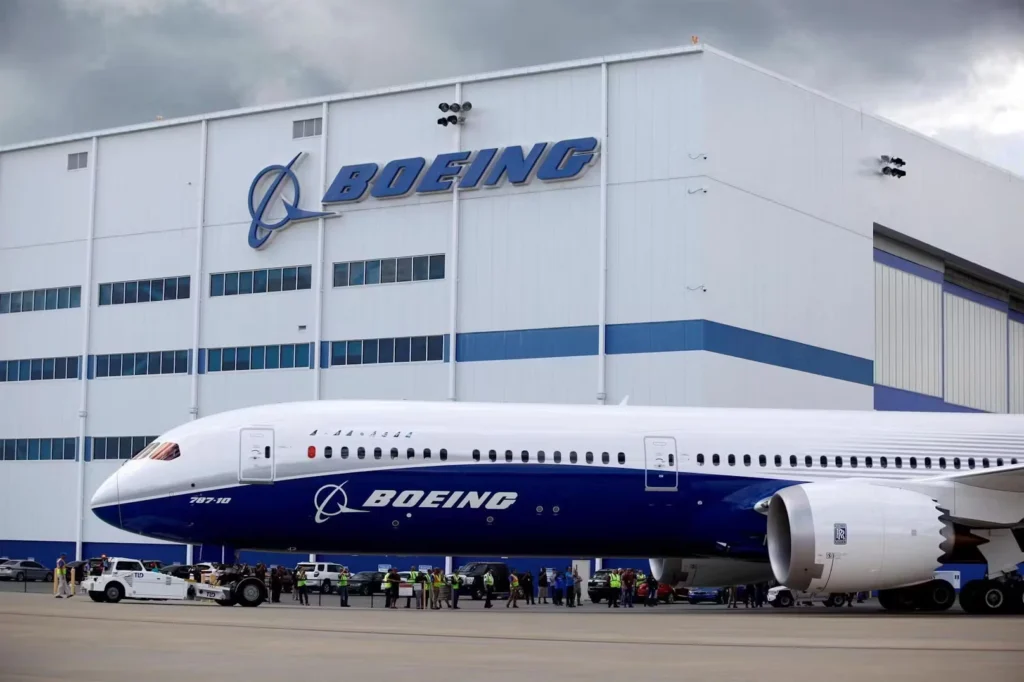
Pierson has repeatedly stated that Boeing’s production culture placed intense pressure on workers to meet deadlines. He says this environment contributed to repeated errors across critical aircraft systems.
Quality control reports, according to Pierson, flagged issues in flight controls, electrical wiring, hydraulics, and pressurisation systems. These were not isolated findings. They appeared across multiple aircraft and facilities, suggesting structural weaknesses rather than one-off defects.
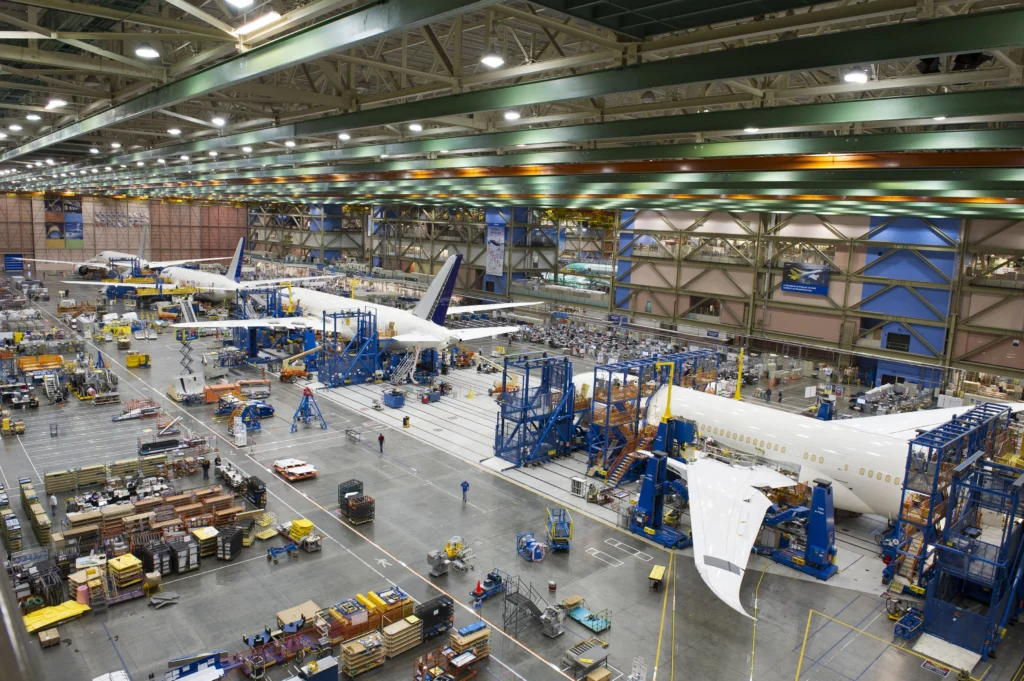
Despite automation, aircraft assembly still relies heavily on human labor. Pierson emphasized that mistakes on the factory floor, combined with long working hours and communication breakdowns, can directly affect aircraft safety.
System Test Failures and Early 787 Program Concerns
Pierson has also drawn attention to repeated failures during system-wide functional tests, which are designed to confirm that all aircraft systems operate correctly before delivery.
He linked these failures to early problems in the 787 program, including a group of aircraft informally known as the terrible teens. These jets required extensive rework due to serious production defects.
In Pierson’s view, the complexity of the Dreamliner’s electrical architecture increases the risk of cascading failures if even one component malfunctions.
Rejecting the Pilot Error Narrative
Pierson has strongly rejected claims that pilot error should be the primary focus at this stage of the investigation. He argues that blaming pilots before exhausting all technical explanations is both premature and unfair, especially when the pilots cannot defend themselves.
He has criticized media coverage that hints at cockpit mistakes while the investigation remains incomplete.
Pierson says such reporting follows a familiar pattern where doubt is quickly cast on flight crews, while manufacturers and regulators escape early scrutiny.
Gaps in the Preliminary Investigation Report
According to Pierson, the Aircraft Accident Investigation Bureau’s preliminary report omitted several critical data points.
He highlighted the absence of detailed information on sensors, stabilizers, and the full cockpit voice recording.
He also noted that no data was released from systems such as ACARS, which transmits aircraft and maintenance data, or the aircraft health management system that monitors real-time performance. Pierson described the lack of transparency as alarming and damaging to public trust.
Questions Over Investigation Expertise
Pierson has questioned why pilots and aviation maintenance technicians were not part of the initial investigation team. He argues that technicians who work on aircraft daily often have deeper practical insight into system behavior than designers or engineers alone.
India’s Supreme Court has since observed that public confidence in the pilot error theory is low, reinforcing calls for a broader and more balanced inquiry.
Regulator Trust Under Strain
Pierson has expressed limited confidence in the upcoming coordination between India’s AAIB and the US National Transportation Safety Board. He claims the NTSB’s independence has eroded since the Boeing 737 Max crashes, citing missed opportunities to act on known electrical issues.
He also criticized the US Federal Aviation Administration, calling it disconnected from factory realities. In contrast, Pierson praised the European Union Aviation Safety Agency for grounding Airbus A320 aircraft over software concerns, calling it an example of decisive safety-first regulation.
Are Modern Crashes Being Investigated With Outdated Tools?
At the core of Pierson’s argument is a broader concern that accident investigation frameworks have not kept pace with modern aircraft complexity.
He believes today’s highly integrated, software-driven jets require deeper forensic capabilities and greater transparency.
As families of the victims wait for answers, the Ahmedabad crash has become a test case for whether global aviation safety systems can adapt to the realities of modern aircraft design.
Stay tuned with us. Further, follow us on social media for the latest updates.
Join us on Telegram Group for the Latest Aviation Updates. Subsequently, follow us on Google News
