

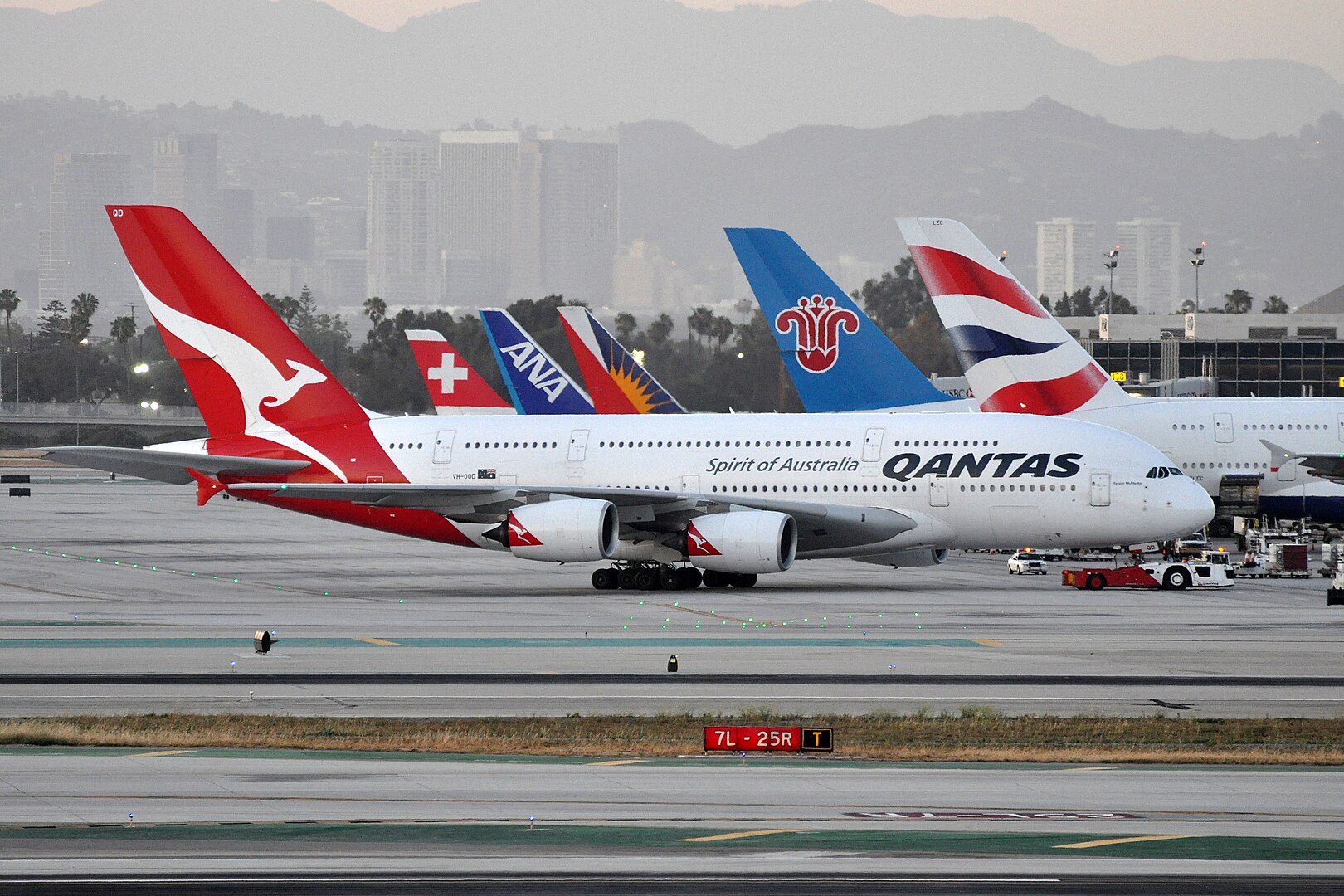
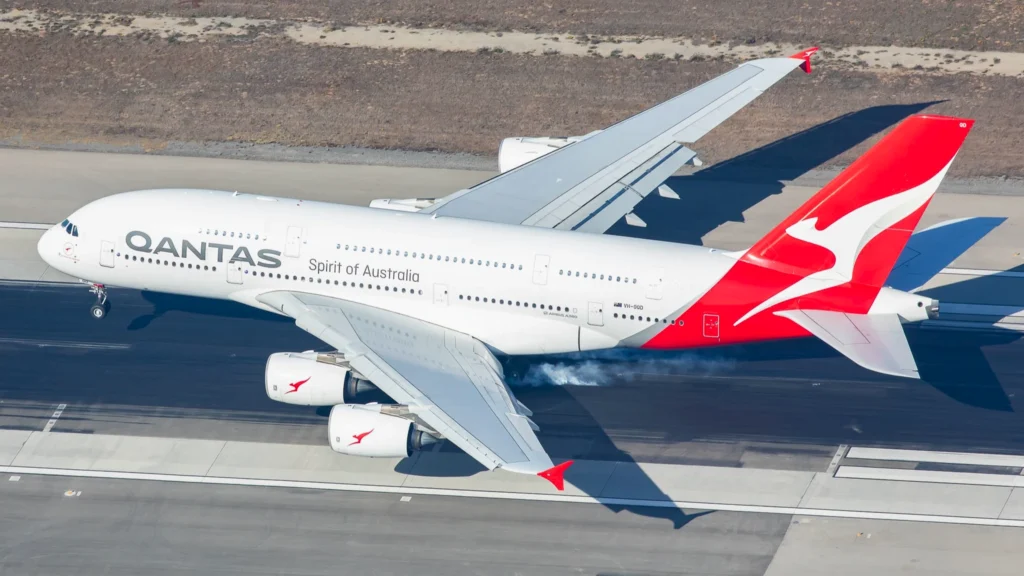
MASCOT- Qantas (QF) operated an Airbus A380 from Sydney Airport (SYD) to Dallas Fort Worth International Airport (DFW) with a 33-centimeter maintenance light accidentally left inside its wing.
The Australian Transport Safety Bureau (ATSB) found the light remained in the wing through the international return trip because of a breakdown in Qantas’ tool accountability processes. Maintenance staff recovered it 2 days after the aircraft returned to Sydney.
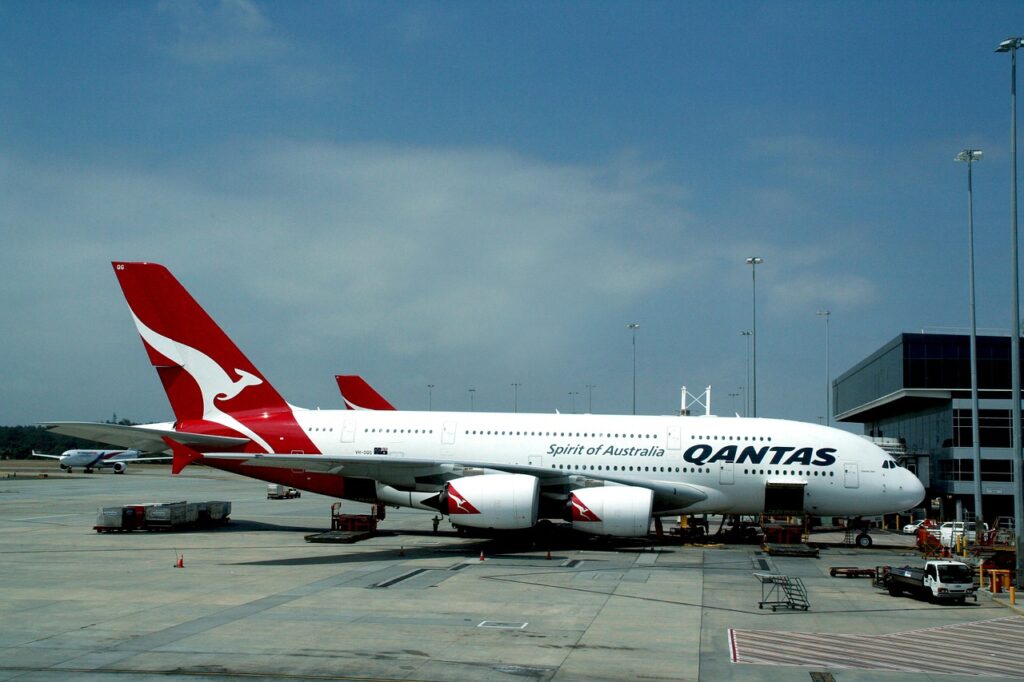
Qantas A380 Completed International Trip With Light Inside Wing
The maintenance light was left inside the aircraft’s wing after work on its air conditioning system in Sydney on January 7. The A380 was subsequently cleared to carry passengers and flew to Dallas-Fort Worth before returning to Sydney.
After the aircraft returned, maintenance staff identified that the light was missing and recovered it from the wing 2 days later. The ATSB found that the light did not damage the wing and had no reported impact on the operation of the aircraft.
The absence of damage did not remove the safety concern. The ATSB said foreign objects left inside aircraft can create a significant risk to safe operations, making accurate accounting of maintenance equipment an important part of aircraft maintenance.
The investigation concluded that the incident resulted from a breakdown in tool-accountability processes at Qantas.
ATSB chief commissioner Angus Mitchell said even well-established maintenance processes can become vulnerable when they depend heavily on consistent human performance.
Aircraft maintenance can take place in challenging environments and under operational pressure. The ATSB said tool-control systems therefore need safeguards that can detect errors and help recover missing equipment rather than relying only on workers completing every step correctly.
The finding places the focus on the effectiveness of the overall process, rather than on a single missed item. A tool-control system must make it difficult for equipment to remain unaccounted for and provide a clear way to identify discrepancies before an aircraft is released.
EDITOR’S NOTE: To get the latest and timely Aviation and News Update, make us your Preferred Source.
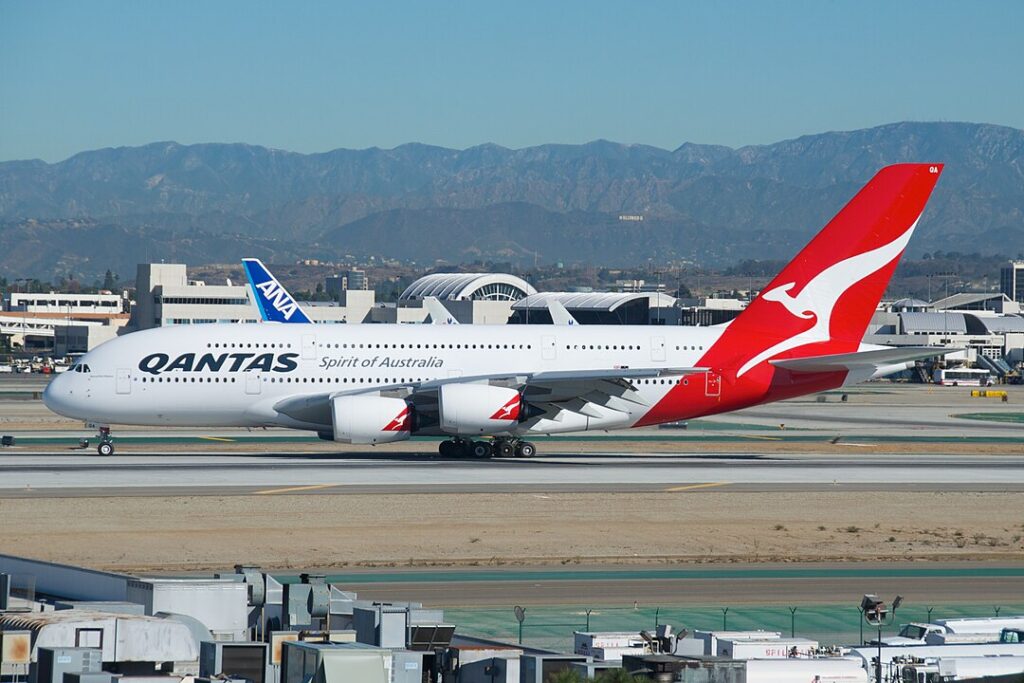
Qantas Introduces New Tool-Control Checks
Qantas issued a safety directive following the incident to address changes to its tooling-control processes and procedures. The airline also established a tooling working group to examine tool-accountability practices.
Qantas said it voluntarily reported the incident to the ATSB and confirmed that the maintenance light had no impact on the aircraft’s operation.
The airline has since strengthened its tool-control procedures by introducing a mandatory pre-clearance check. The additional check is designed to confirm that all tooling has been accounted for after maintenance before the aircraft is cleared.
The changes are intended to reduce the risk of maintenance equipment being left inside an aircraft and improve the detection of missing items before the aircraft returns to service.
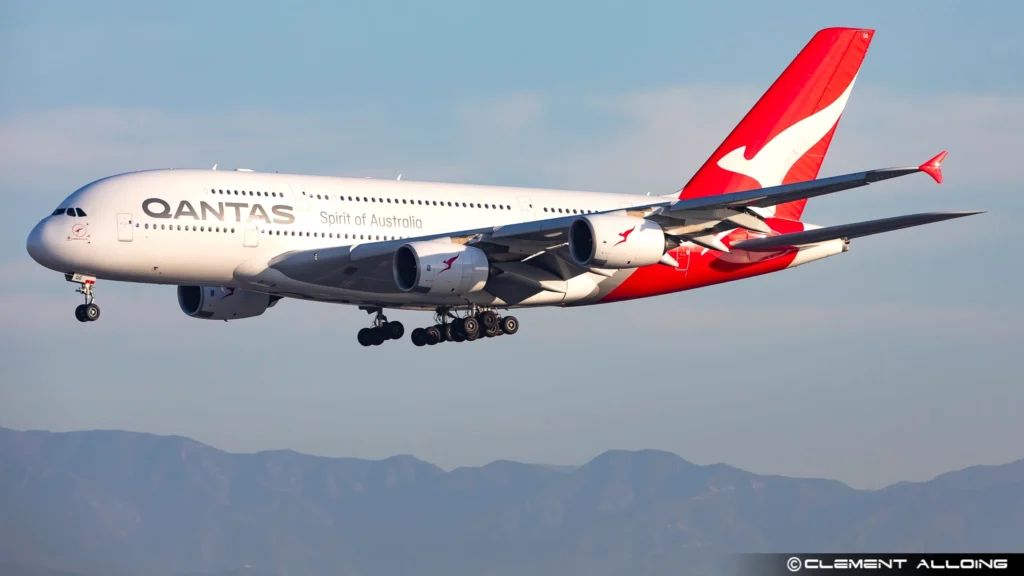
Second Tool Incident Involved Engine
The wing-light incident is the second reported case involving maintenance equipment left inside a Qantas A380.
In December 2023, a Qantas A380 flew multiple international trips before maintenance staff discovered a 1.25 meter nylon turning tool inside one of the aircraft’s outboard engines.
An ATSB report found that maintenance staff had lost the turning tool during maintenance. The aircraft was cleared for service and continued operating multiple flights between Australia and the United States before the tool was discovered.
According to ABC, The earlier incident and the latest case both involved maintenance equipment remaining unaccounted for after work had been completed, although the circumstances and locations of the items were different.
Unaccounted Objects Remain Safety Concern
CQUniversity aviation expert and associate professor Steven Leib said any object found inside an aircraft without proper accountability represents a real safety concern.
A maintenance light or tool may appear insignificant, but an unsecured object can potentially move during flight and jeopardise aircraft safety. The risk depends on where the object is located and whether it can interfere with aircraft systems or components.
Leib also said the 2 incidents alone were not enough to show that Qantas had a systemic maintenance problem.
He pointed to the accountability system as an important part of the response. In the latest case, maintenance records helped staff trace when the light had last been used, when it should have been returned and what work had been performed.
That traceability allowed the missing equipment to be identified and recovered, showing why prevention and recovery mechanisms are both important in aircraft maintenance.
Recent Qantas A380 Disruption
The maintenance incidents come after another Qantas A380 disruption involving passengers in South Africa.
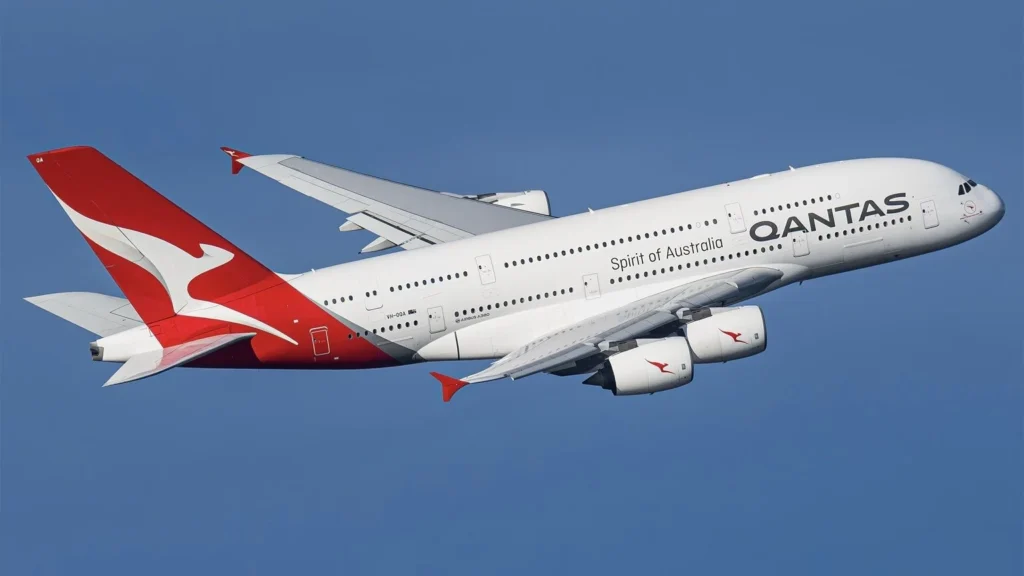
Qantas passengers were left stranded in Johannesburg for three days after a problem with the aircraft’s nose wheel caused their flight to Sydney to be cancelled. Qantas subsequently sent another aircraft to bring the stranded passengers home.
The Johannesburg disruption was separate from the ATSB investigation into the maintenance light and did not form part of the tool-accountability findings.
ATSB Investigation
The ATSB’s findings highlight the need for aircraft maintenance systems to do more than rely on workers remembering where every item was used.
Tool accountability must include checks that identify missing equipment, records that allow staff to trace its last known use and procedures that prevent an aircraft from being cleared when a discrepancy remains unresolved.
For Qantas, the mandatory pre-clearance check and tooling working group represent changes made after the incident. The effectiveness of those measures will depend on how consistently they are applied across maintenance operations.
The incident did not result in damage to the A380 or an operational impact, but it demonstrates why foreign-object prevention and accurate tooling control remain important elements of aviation safety.
Stay tuned with us. Further, follow us on social media for the latest updates.
Join us on Telegram Group for the Latest Aviation Updates. Subsequently, follow us on Google News
