

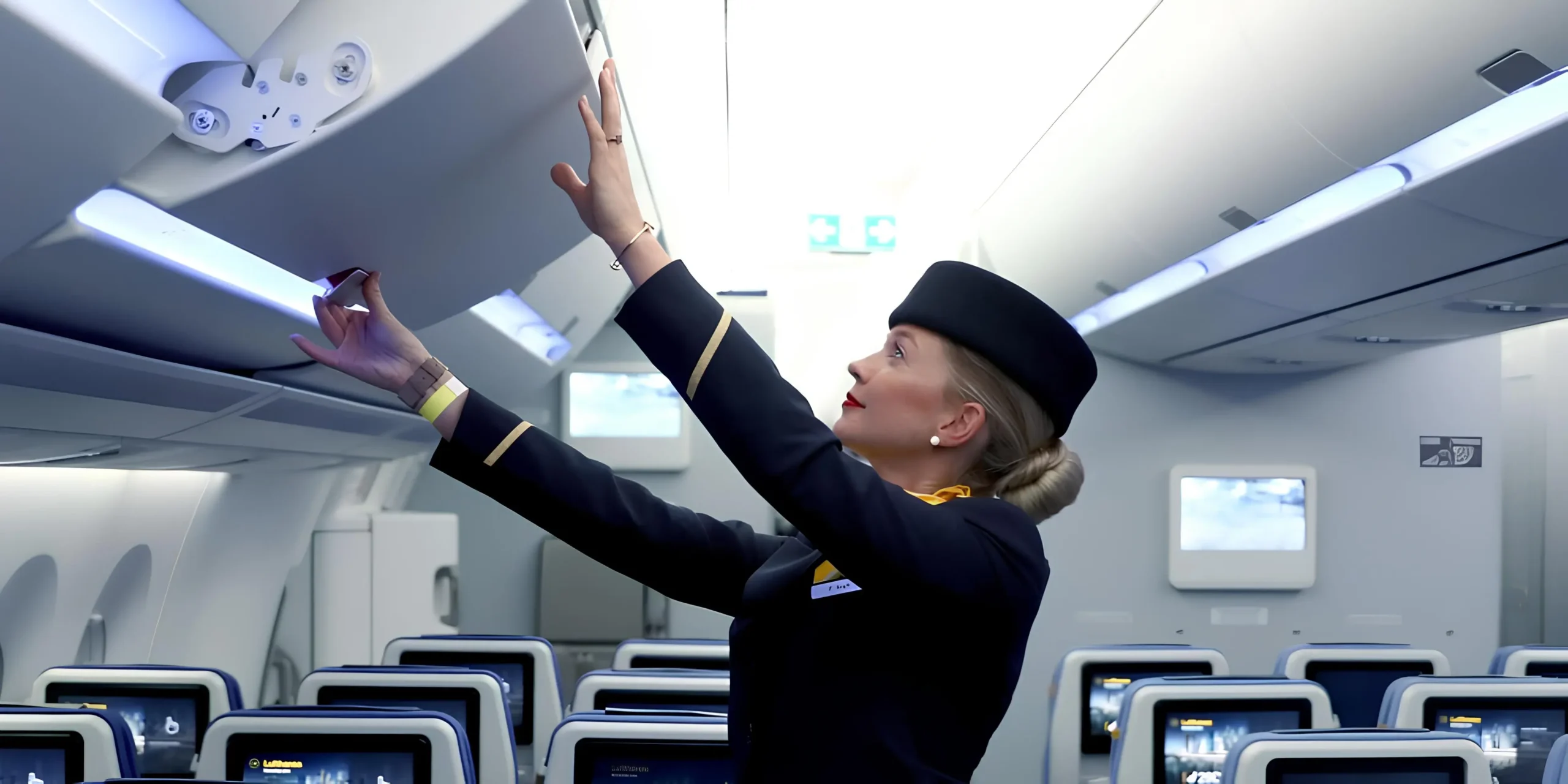
For years, the cabin was treated as a kind of sanctuary — once the doors closed and the aircraft climbed, the dangers of the street seemed to fall away. But across Asia’s busiest air corridors, that assumption is being quietly dismantled, one overhead bin at a time.
Airlines, police forces, and aviation analysts are now confronting a pattern that has become too consistent to ignore: organised theft rings exploiting crowded cabins, long-haul fatigue, and gaps in onboard surveillance to steal cash, credit cards, and high-end luxury goods mid-flight.
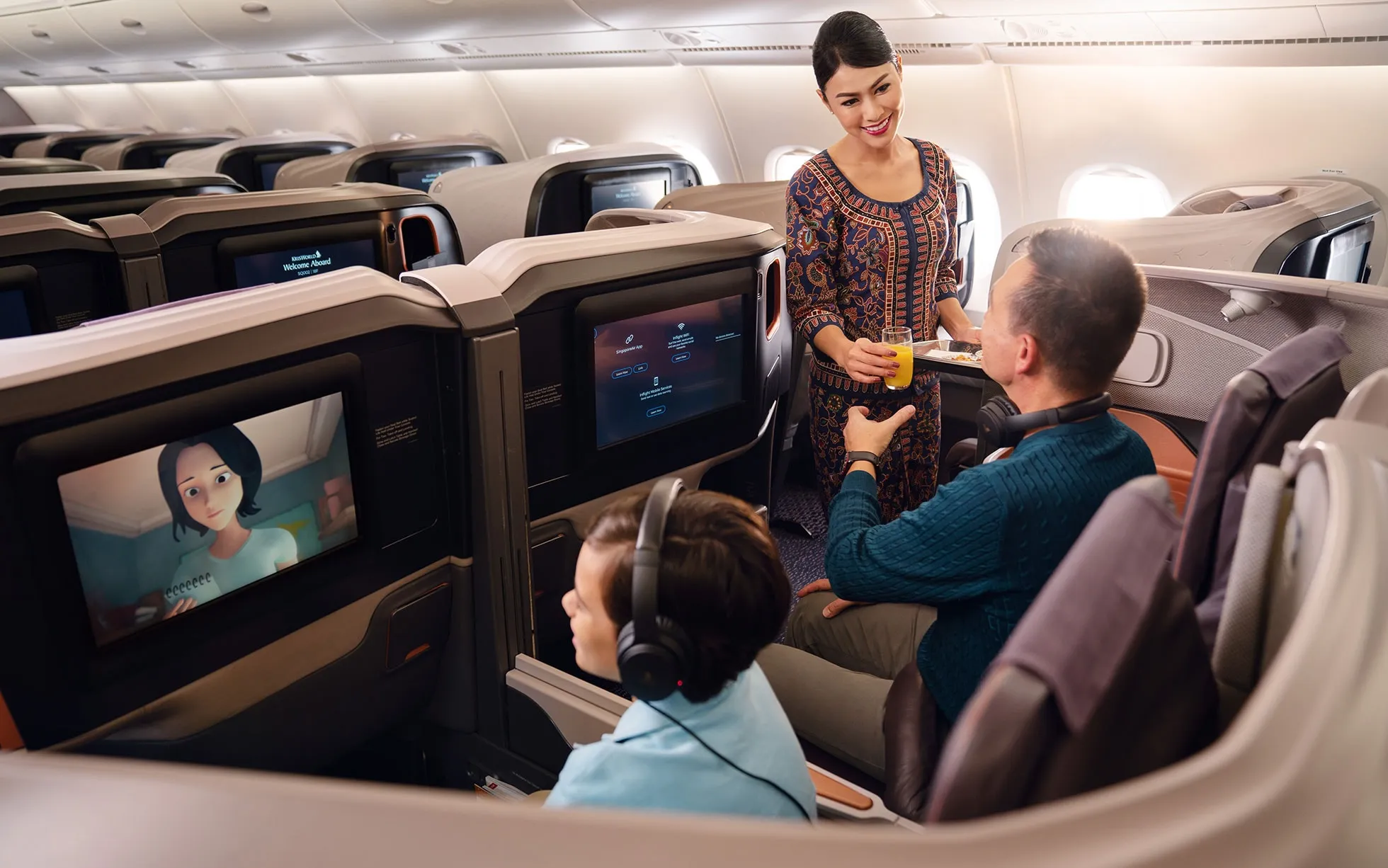
Mile-High Crime Club
In-flight theft rarely looks dramatic. There are no raised voices or sudden confrontations.
Instead, criminals blend into the rhythms of air travel — standing to stretch, opening bins under the pretext of retrieving jackets, hovering near premium cabins where business travellers stow valuables.
The crime often goes unnoticed until landing, when passengers discover wallets emptied or watches gone, long after suspects have melted into arrival halls.
According to the SCMP, Malaysia and Hong Kong recorded a roughly 70 per cent jump in reported in-flight thefts in 2024, while Japan’s Narita airport and Singapore’s Changi have each confirmed a steady stream of cases involving international arrivals.
The Association of Asia Pacific Airlines notes that international passenger traffic surged more than 30 per cent last year — a rebound that has also expanded the hunting ground for theft syndicates.
“Busy routes, high passenger turnover and a sense of safety once airside all work in the criminals’ favour,” said one regional aviation security consultant. “The cabin environment is predictable. That predictability is what organised groups exploit.”

Syndicates, Not Solo Thieves
Investigators say many of the thefts share common traits: suspects travelling in small groups, coordinated movements through the cabin, and a focus on high-value items easily resold — luxury watches, branded handbags, foreign currency.
Arrests in Singapore, Hong Kong, and Malaysia have repeatedly pointed to Chinese nationals linked to organised crime networks, a trend that intensified after pandemic-era travel restrictions were lifted.
Nick Careen, a senior executive at the International Air Transport Association, has described the surge as “organised and systematic,” noting that some suspects appear to have flights — including business class seats — financed by syndicates as part of the operation.
The investment can pay off quickly: a single successful theft can yield tens or even hundreds of thousands of dollars.
Singapore has made a point of publicising prosecutions to send a deterrent message. In one widely reported case, a 26-year-old man received a 20-month prison sentence after stealing a bag containing more than US$100,000 in cash and luxury watches on a long-haul flight.
Authorities said swift reporting by passengers allowed police to intercept the suspect before he could leave the airport.
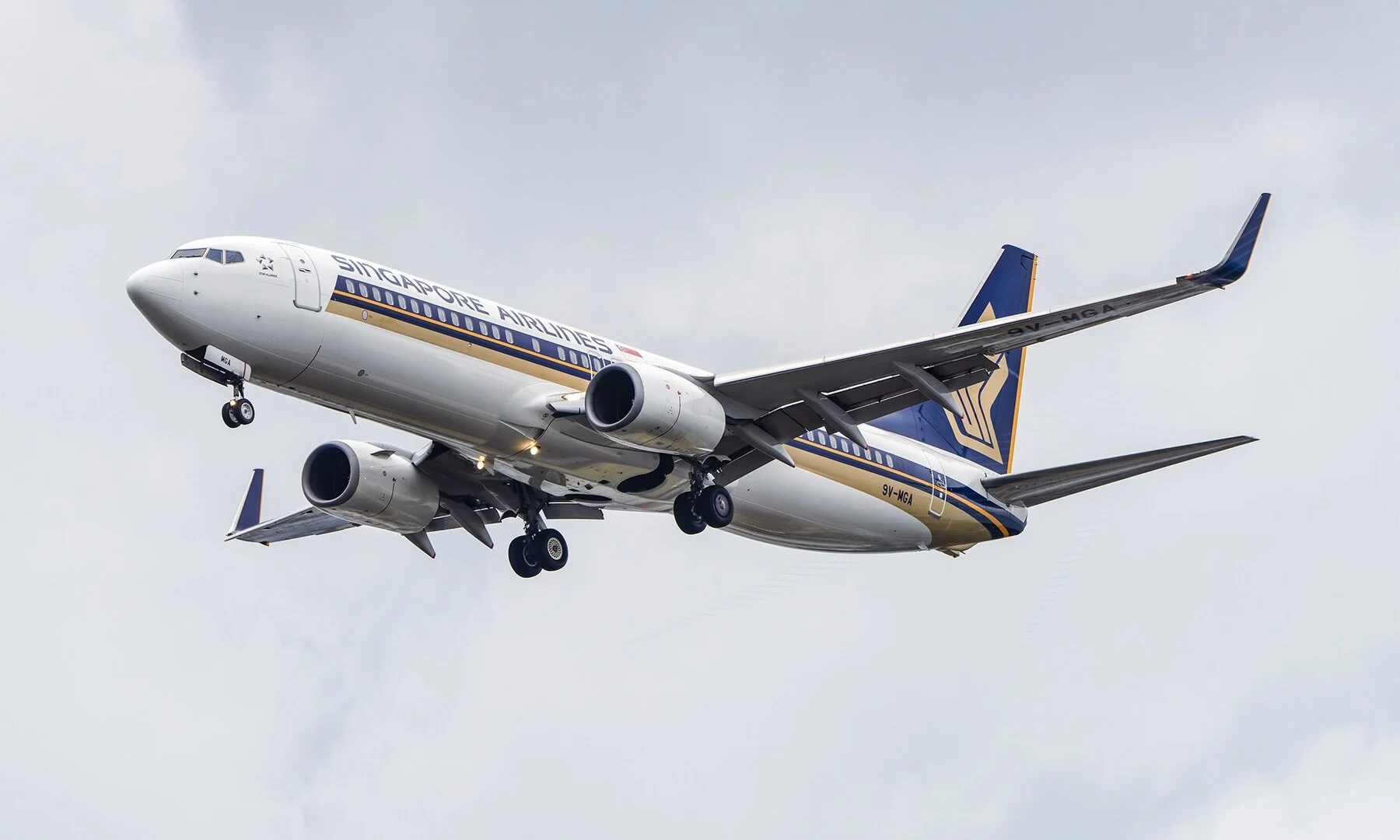
Why are Asia’s Skies vulnerable?
Experts say Asia’s aviation boom has outpaced the systems needed to track and deter onboard crime. Unlike checked baggage theft, which is logged and monitored through ground-handling processes, cabin theft falls into a grey zone — part airline responsibility, part law enforcement issue, with no shared regional reporting framework.
Unattended bags are the weak link. On long flights, passengers sleep, move seats, or leave belongings behind while visiting restrooms. Syndicates typically work in pairs or trios: one scans for valuables, another keeps crew watch, and a third distracts if necessary. The theft itself can take seconds.
Cabin surveillance cameras, when installed, have helped solve cases, but they remain optional and controversial. Airlines cite cost, while pilot associations and regulators have raised concerns about privacy and misuse.
As a result, many aircraft still rely on crew vigilance alone — a tall order on full flights with hundreds of passengers.
The Reporting Gap
Another challenge is what happens after the crime. Not all passengers report thefts immediately, assuming items were misplaced or stolen elsewhere.
By the time a report is filed, suspects may already be on another flight. Without shared databases across airlines and airports, patterns are slow to emerge, and repeat offenders can slip through unnoticed.
Captain Abdul Manan Mansor of the University College of Aviation Malaysia argues that airlines need to lead the response.
Better crew training, clearer reporting protocols, and selective investment in technology could significantly reduce opportunities for theft, he said. Just as important is using data to identify high-risk routes and times.

A Quiet Recalibration of Passenger Behaviour
For frequent flyers, the response has been subtle but telling. Travellers increasingly keep valuables under seats rather than overhead, avoid storing wallets in carry-ons, and stay alert when strangers handle nearby bins. What was once paranoia is becoming a habit.
The irony is that air travel remains statistically safer than ever — yet inside the cabin, a different kind of vulnerability has emerged. As Asia’s airlines chase growth and efficiency, crime syndicates have shown equal agility, adapting to new routes and fuller planes.
For now, the battle against the mile-high crime club is being fought in fragments: arrests here, warnings there, and a growing awareness that safety does not end at the cabin door.
Whether the industry can turn that awareness into a coordinated defence may determine whether the skies remain a place of trust — or just another crowded space where crime follows opportunity.
Bottom Line
In-flight theft in Asia is no longer an occasional nuisance but an organised, cross-border crime exploiting aviation’s rapid recovery.
As passenger volumes rise, airlines face mounting pressure to close security gaps, improve reporting, and restore passenger confidence before the cabin becomes the industry’s weakest link.
Stay tuned with us. Further, follow us on social media for the latest updates.
Join us on Telegram Group for the Latest Aviation Updates. Subsequently, follow us on Google News
