


COLORADO– U.S. aviation authorities are reviewing a rare real-world use of Garmin’s Autoland technology after a Beechcraft King Air B200 completed a fully automated emergency landing near Denver. The incident occurred on December 20 and involved an aircraft operated by Buffalo River Aviation following a sudden loss of cabin pressurization.
The turboprop departed Aspen (ASE) with two pilots onboard and no passengers, later landing safely at Rocky Mountain Metropolitan Airport (BJC) near Denver (DEN). The operator has confirmed that the pilots remained conscious and capable throughout the event, countering early reports that suggested crew incapacitation.

https://commons.wikimedia.org/wiki/File:Beechcraft_200_Super_King_Air,_Bristow_Helicopters_JP6168749.jpg
Autoland Emergency Use
Buffalo River Aviation stated that the pilots “consciously elected” to allow Garmin’s Autoland system to retain control of the aircraft after it activated automatically.
According to Flight Global, the King Air, registered as N479BR and owned by Gunner Aviation, encountered a rapid and uncommanded loss of pressurization while climbing through 23,000 feet.
As cabin altitude exceeded preset safety thresholds, Garmin’s Emergency Descent Mode and Autoland systems engaged as designed. The pilots donned oxygen masks and monitored the automation while assessing flight conditions.
The company emphasized that reports of pilot incapacitation were inaccurate and stemmed from the system’s automated emergency communications.
According to Buffalo River, the flight crew remained fully prepared to take over if required but judged it safer to keep the system engaged.
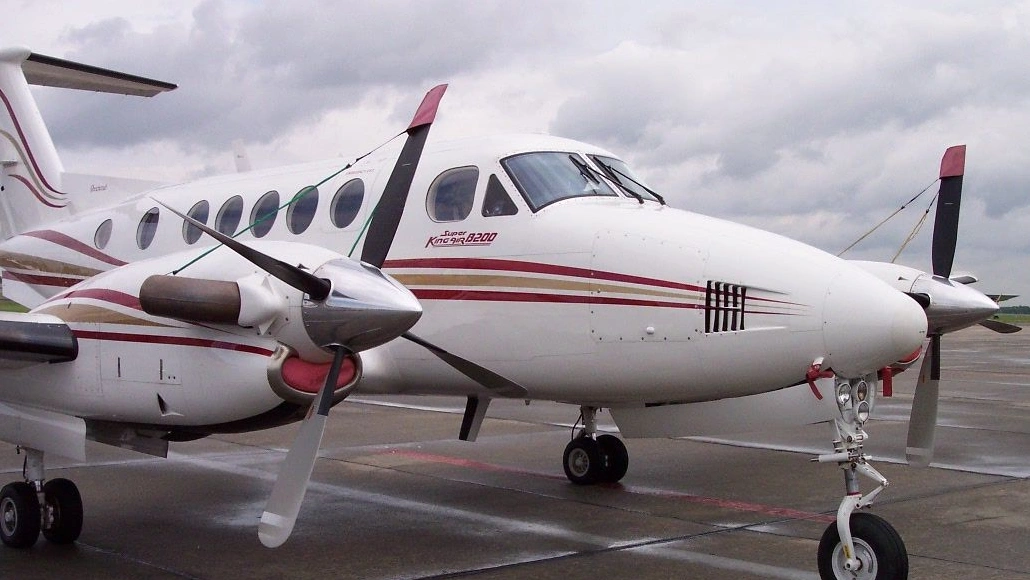
https://commons.wikimedia.org/wiki/File:Beechcraft_Super_King_Air_B200_vr.jpg
Pilot Decision Explained
The pilots’ decision was influenced by several operational factors present at the time of the emergency.
These included instrument meteorological conditions, mountainous terrain, active icing, and uncertainty surrounding the cause of the pressurization failure.
Garmin’s emergency systems operate in a binary manner, either fully engaged or disengaged, which further shaped the crew’s conservative decision-making.
Allowing Autoland to continue reduced cockpit workload during a high-risk phase of flight.
The aircraft touched down at approximately 14:20 local time without incident, demonstrating the system’s capability to manage navigation, communication, approach, and landing autonomously. Buffalo River stated that the system performed exactly as expected throughout the event.
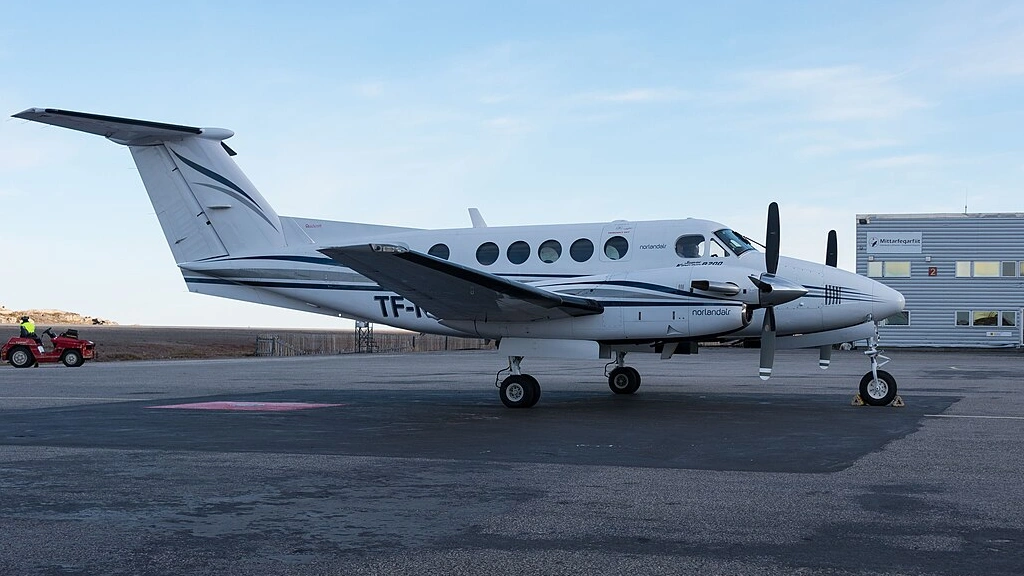
https://commons.wikimedia.org/wiki/File:2017-09-20_Norlandair_Super_King_Air_B200_(TF-NLB),_at_Nuuk_Airport.jpg
FAA Investigation Status
The Federal Aviation Administration has opened an investigation into the incident, though it has released limited information so far.
The agency has confirmed only that the pilot lost communication with air traffic control during the flight.
Garmin described the event as the first complete, start-to-finish emergency use of Autoland in an operational environment. The manufacturer noted that around 1,700 aircraft worldwide are currently equipped with the system.
Autoland is approved across a growing range of aircraft, including multiple King Air variants, Cirrus Vision Jets, Cessna Citations, Daher TBMs, Piper M600s, and Honda Aircraft HA-420 HondaJets.
The system is also installed on Beechcraft’s Denali, which is targeting certification in 2026.
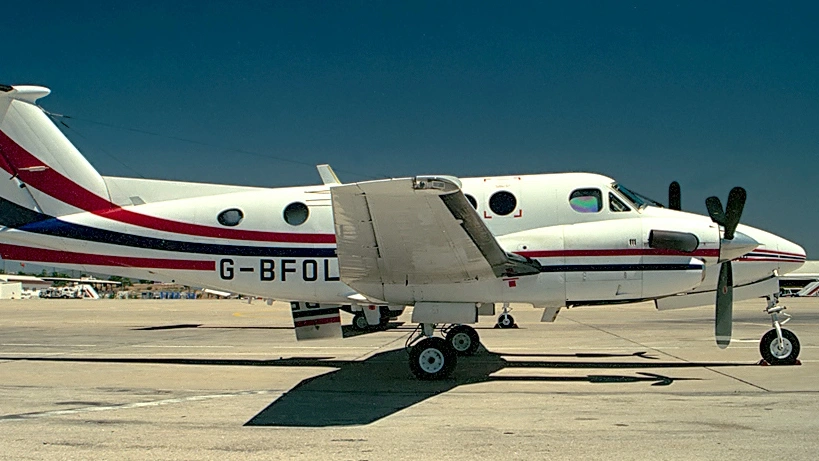
https://commons.wikimedia.org/wiki/File:2017-09-20_Norlandair_Super_King_Air_B200_(TF-NLB),_at_Nuuk_Airport.jpg
Bottom Line
The King Air B200 incident marks a milestone in aviation automation, showing how advanced safety systems can support pilots during complex emergencies.
While the FAA investigation continues, the event underscores Autoland’s potential as a valuable risk-mitigation tool rather than a last-resort response to pilot incapacitation.
Stay tuned with us. Further, follow us on social media for the latest updates.
Join us on Telegram Group for the Latest Aviation Updates. Subsequently, follow us on Google News
