

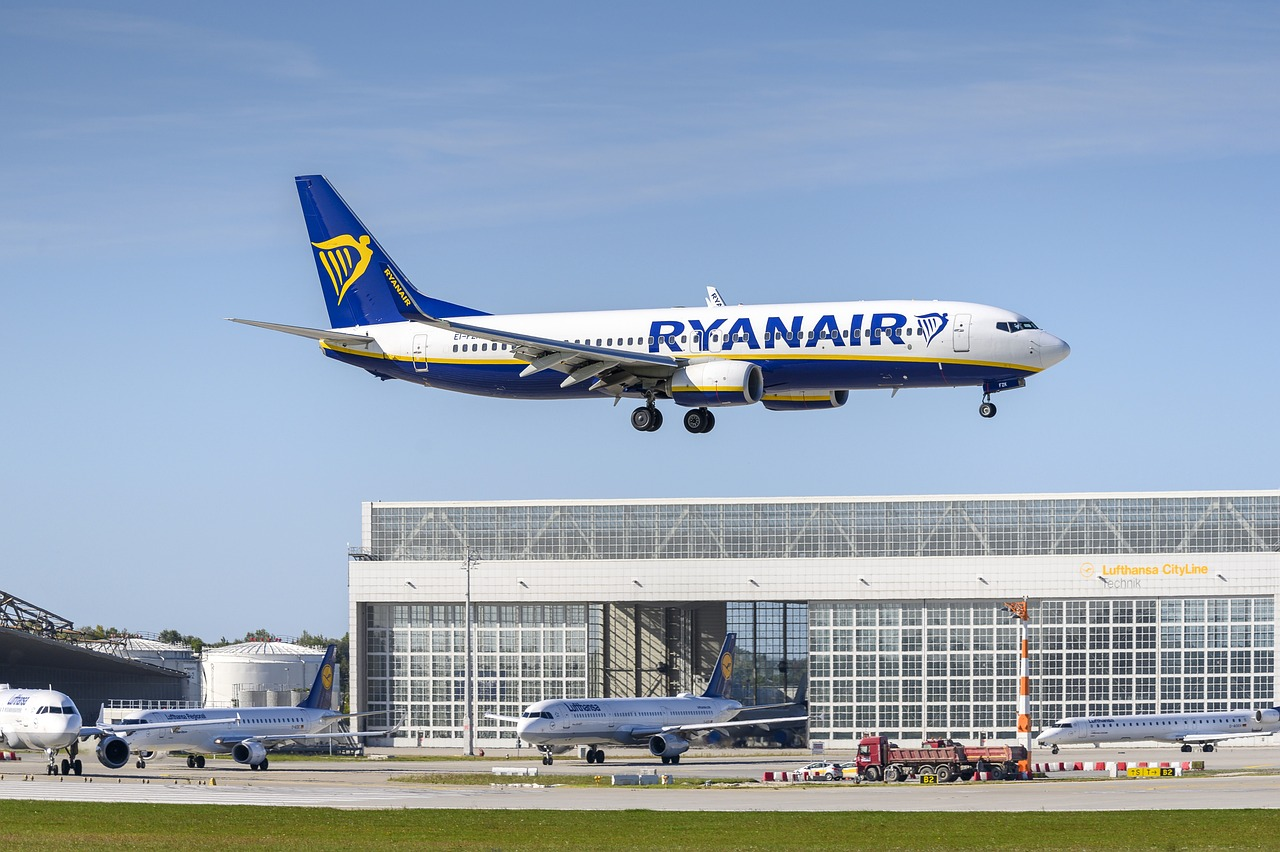
DUBLIN- Ireland is home to the world’s largest operator of the Boeing 737-800, a distinction firmly held by Ryanair (FR). The Irish low-cost carrier has built its dominance through scale, standardization, and a cost-driven operating model that relies heavily on this single narrowbody aircraft type.
Headquartered in Dublin, Ryanair operates an expansive short-haul network centered on major bases such as London Stansted (STN). Its reliance on the Boeing 737-800 has shaped not only its fleet strategy but also its scheduling intensity, airport choices, and overall cost structure across the continent.
Ryanair: Largest Boeing 737-800 Operator
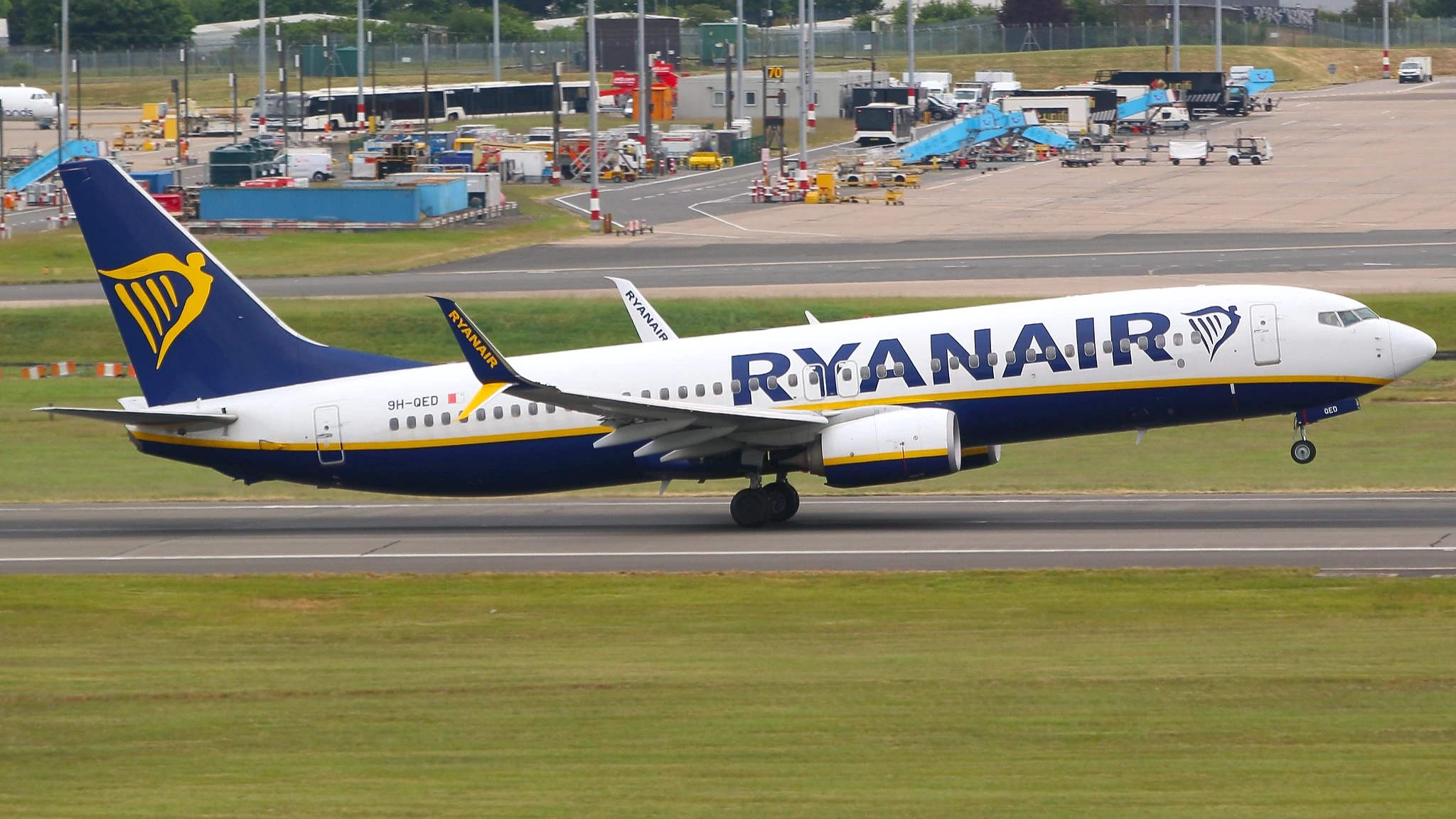
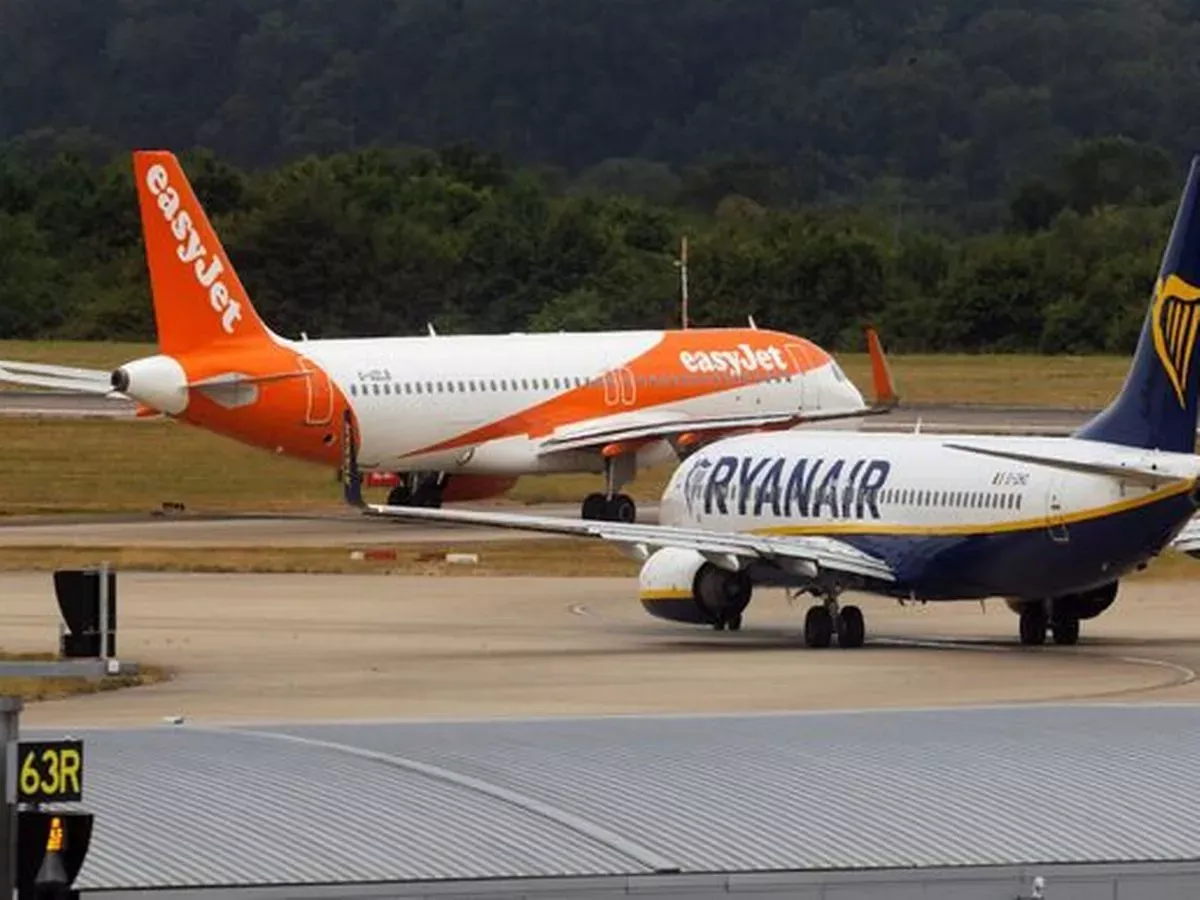
Ryanair operates the largest Boeing 737-800 fleet in the world, with nearly 400 aircraft either active, inactive, or operated under wet lease arrangements.
This concentration makes the airline the undisputed global leader for the type, surpassing both legacy carriers and other low-cost competitors.
According to Simple Flying, the airline introduced the 737-800 in 1999 and steadily expanded its fleet to support rapid network growth.
A standardized fleet allows Ryanair to simplify pilot training, streamline maintenance, and maintain high aircraft utilization rates across hundreds of routes.
Although Ryanair is transitioning toward newer Boeing 737 MAX variants, the 737-800 remains a core workhorse. These aircraft continue to operate the majority of high-frequency European routes, particularly on dense city pairs with strong year-round demand.
High Frequency Routes
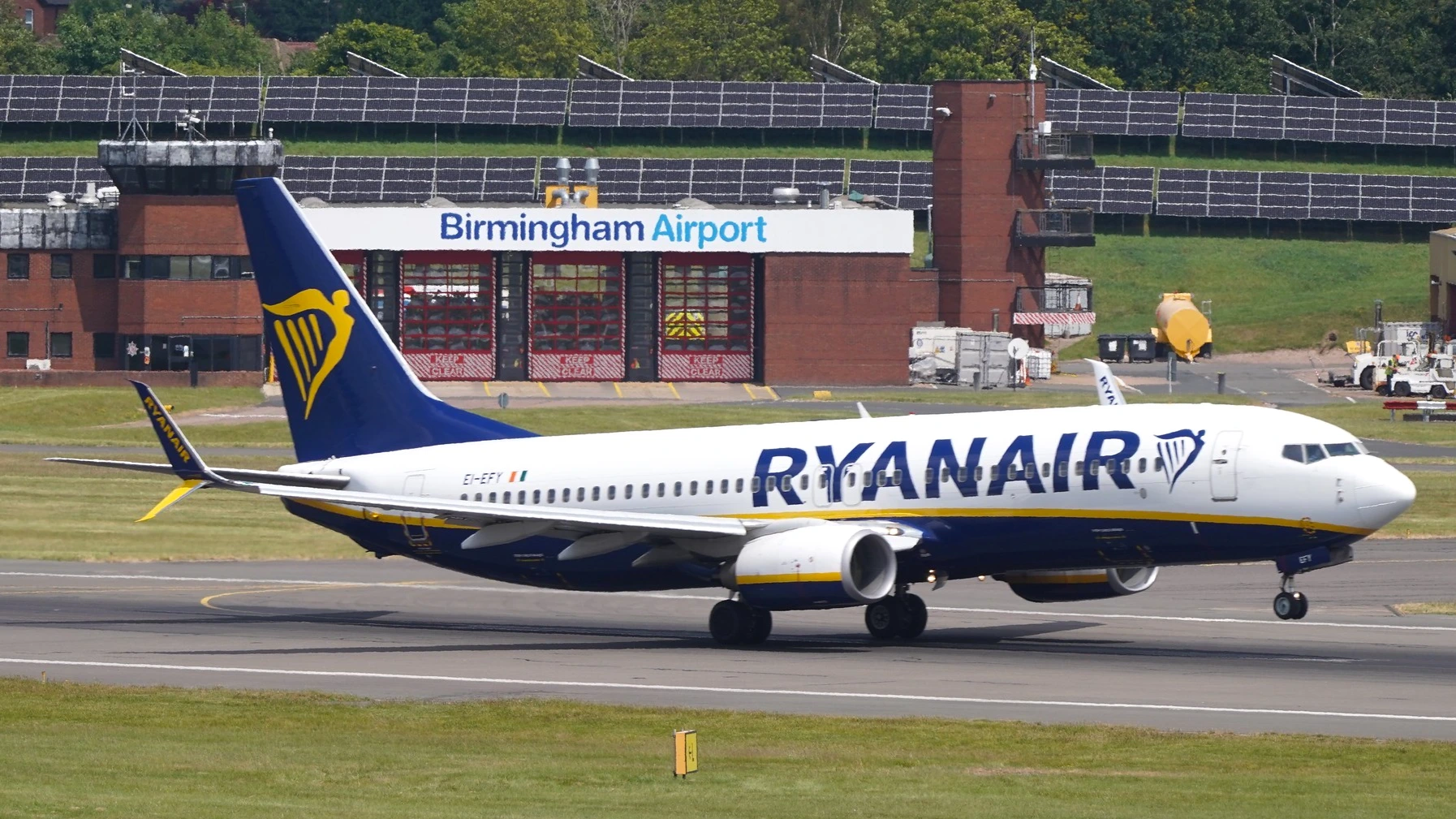
Ryanair deploys its 737-800s intensively on some of Europe’s busiest short-haul routes. Services such as London to Dublin, Dublin to Manchester, and Rome to Palermo regularly exceed 100 roundtrip flights per month, highlighting the aircraft’s central role in the airline’s schedule.
The 737-800 also supports longer intra-European sectors, including flights from northern Europe to the Canary Islands.
While newer aircraft handle the longest leisure routes, the 737-800 remains capable of covering distances exceeding 2,500 miles when required.
London Stansted stands out as Ryanair’s largest base, hosting the airline’s highest aircraft count and serving as a key operational anchor. From this base, the airline feeds traffic across Western, Central, and Southern Europe using a pure point-to-point model.
Cost Driven Strategy
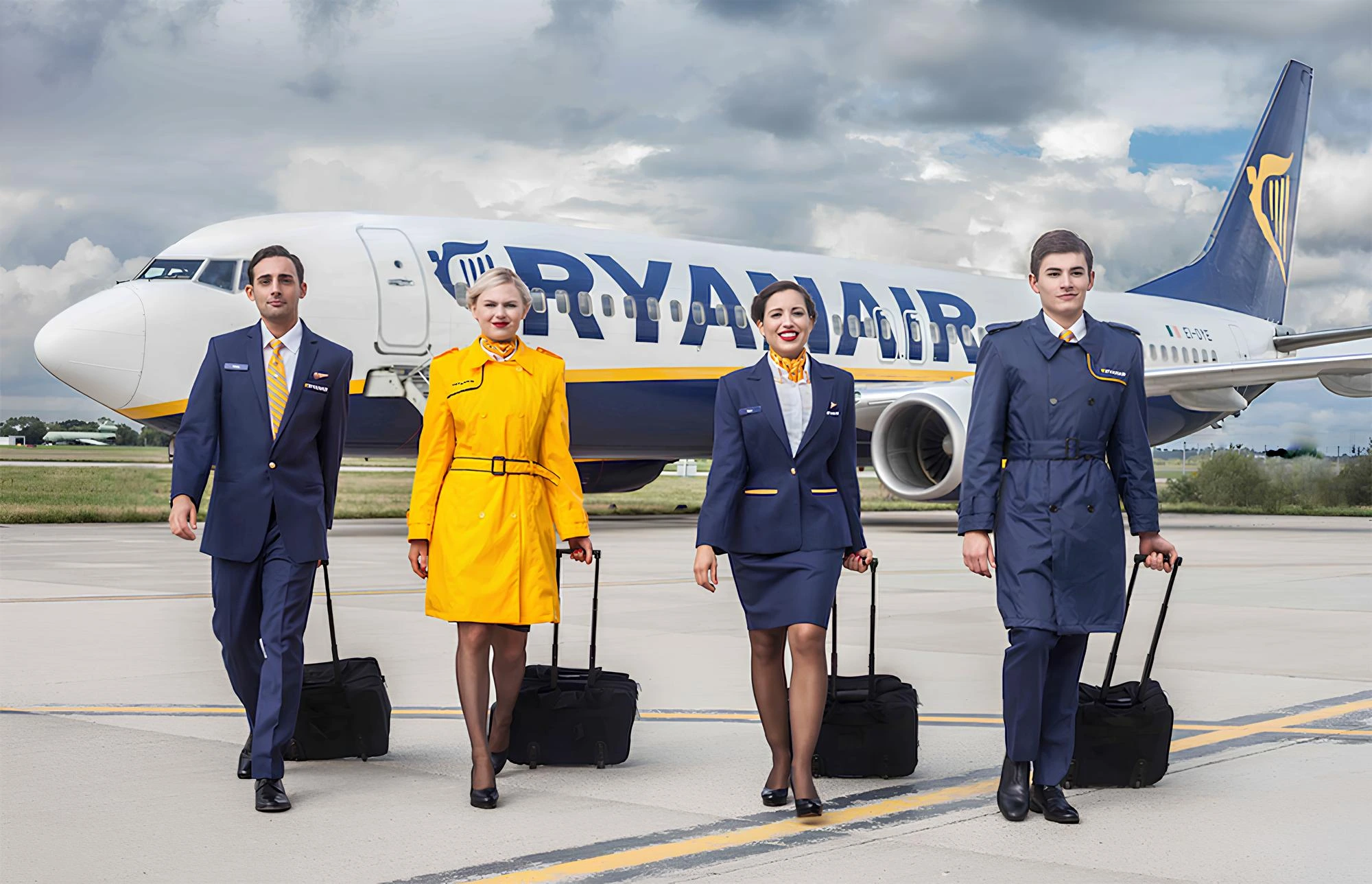
Ryanair’s success with the Boeing 737-800 stems from relentless cost discipline rather than network complexity. High seating density, single-class cabins, and fast turnaround times keep unit costs among the lowest in Europe.
Ancillary revenues further reinforce the model, with optional services such as baggage, seat selection, and priority boarding accounting for a significant share of income.
This structure allows Ryanair to advertise extremely low base fares while preserving profitability.
The airline also treats aircraft as mobile assets, quickly shifting capacity when airport fees or government taxes rise. Recent seat cuts and base reductions underscore how tightly Ryanair aligns fleet deployment with operating economics.
Bottom Line
Ryanair’s position as the world’s largest Boeing 737-800 operator reflects a strategy built on scale, simplicity, and cost control.
While fleet modernization continues, the 737-800 remains a cornerstone of Europe’s largest low-cost operation and a key driver of Ryanair’s market dominance.
Stay tuned with us. Further, follow us on social media for the latest updates.
Join us on Telegram Group for the Latest Aviation Updates. Subsequently, follow us on Google News
