

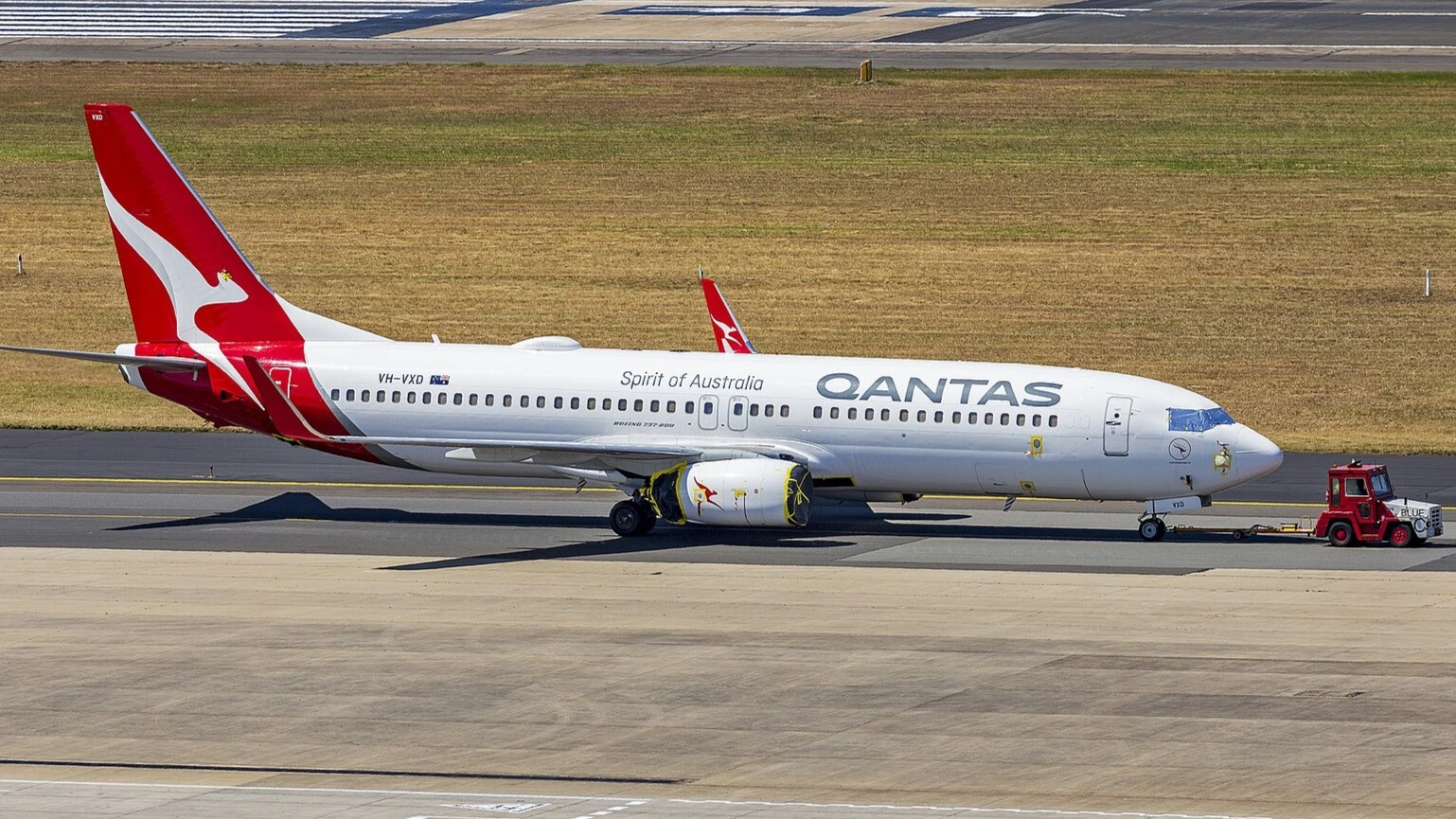
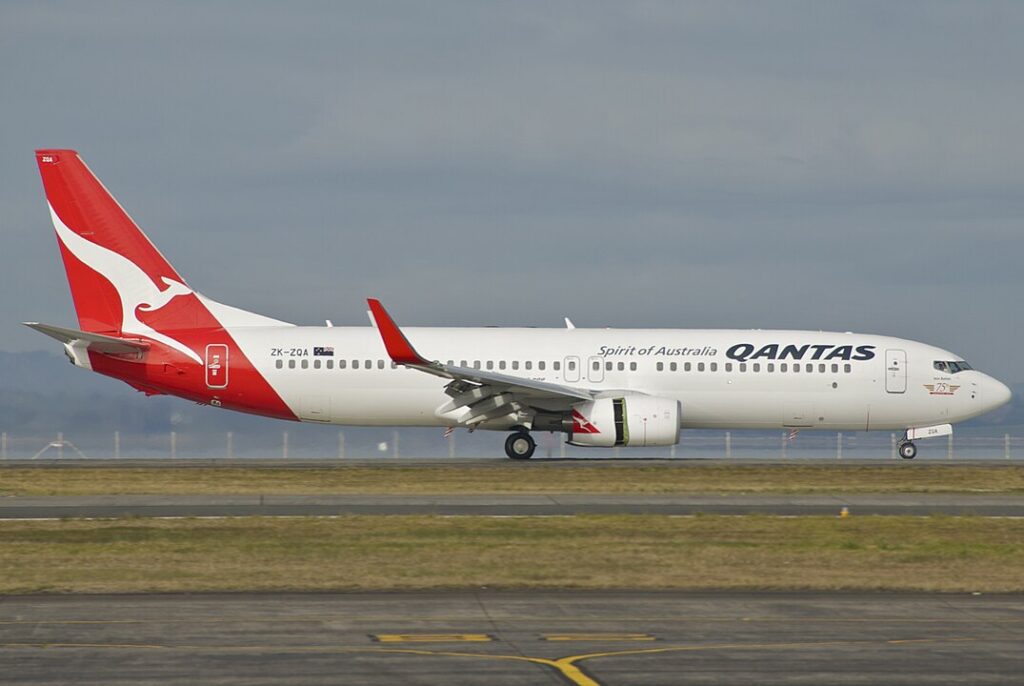
SYDNEY- A Qantas Airways (QF) Boeing 737 flight from Canberra Airport (CBR) to Sydney Airport (SYD) departed almost five tons heavier than the crew believed after a mistyped system code removed 51 actual passengers from the load data.
The mistake began when a staff member entered the wrong aircraft type, which triggered system-wide errors that went unnoticed until after takeoff, according to PYOK.
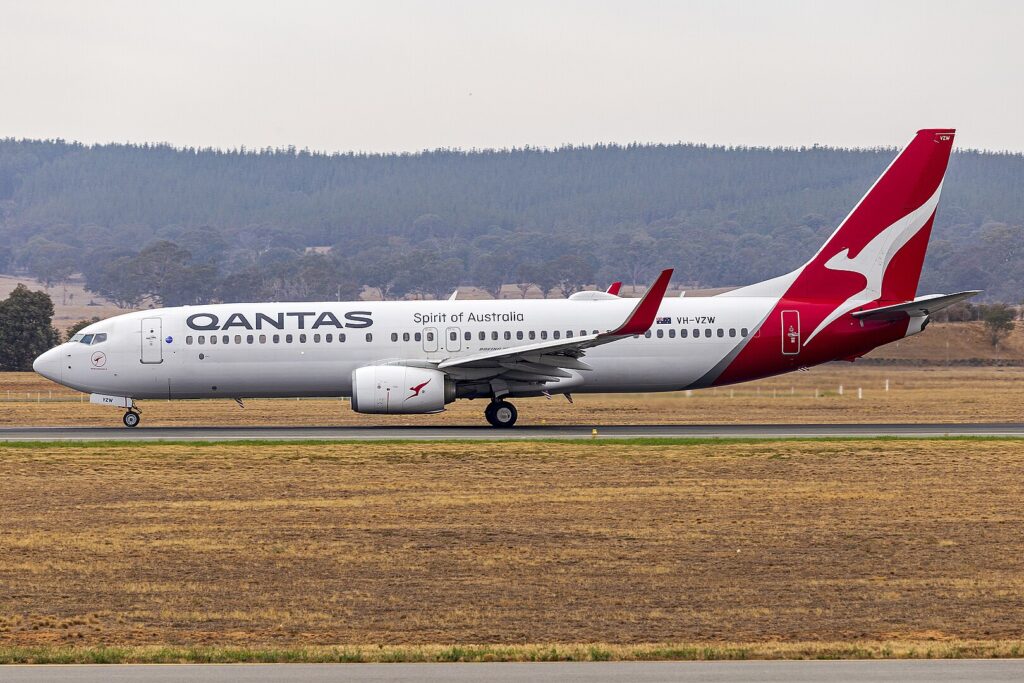
Qantas 737 Flew with Over 4 Tons of Extra Weight
The sequence started during a weather diversion on December 1, 2024, when the Perth PER to Sydney SYD flight stopped in Canberra CBR to wait out storms. During the turnaround, a Qantas staff member had to add an intermediate stop in the internal planning system.
This manual entry required the aircraft code. The worker looked up the correct code 73RA01 for the Boeing 737 but accidentally entered 71RA01, which belongs to the smaller Boeing 717.
The system responded by offloading all Business Class passengers and marking others as standby.
Although the staffer quickly caught the initial error and contacted an off-duty manager to unlock the flight and correct the code, the system retained the offloaded passengers in standby status. This flawed data was then fed into the loadsheet that determines aircraft weight and performance.
Once passengers reboarded, gate agents noticed a mismatch between the actual passenger count and the system list, but the loadsheet had already moved through departments and reached the pilots. Despite internal doubts about the accuracy of the data, the finalized load sheet was issued.
Attempts to warn the crew came too late. While inputting performance numbers, the pilots silenced radio chatter and ignored a phone call to avoid distractions.
A gate agent was also asked to pass along the warning, but the message never reached the cockpit. The flight departed with incorrect weight data. Only at 15000 feet did an ACARS message alert the pilots.
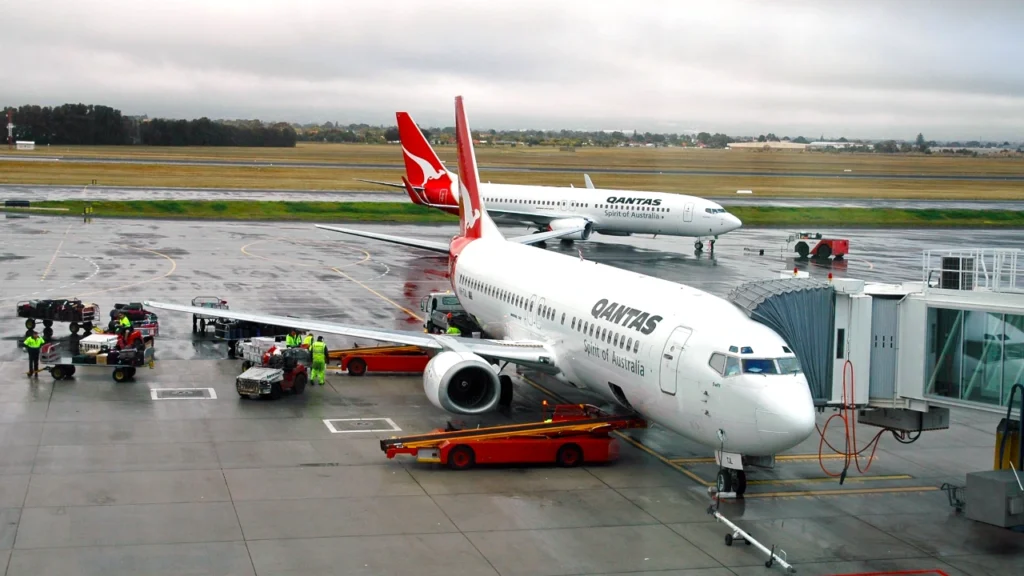
A Clear Timeline of Key Events
- 3:15 pm Aircraft arrives at Canberra
- 3:26 pm Wrong aircraft code entered, removing 51 passengers from the system
- 3:32 pm Off-duty manager unlocks the flight, and the code is corrected
- 4:32 pm Passengers reboard for Sydney
- 4:46 pm Large standby count discovered
- 5:00 pm Final loadsheet issued despite concerns
- 5:04 pm Load controllers attempt to contact pilots
- 5:05 pm Gate agent asked to relay the message
- 5:12 pm Doors closed, and crew unaware of discrepancy
- 5:37 pm ACARS message alerts pilots in flight
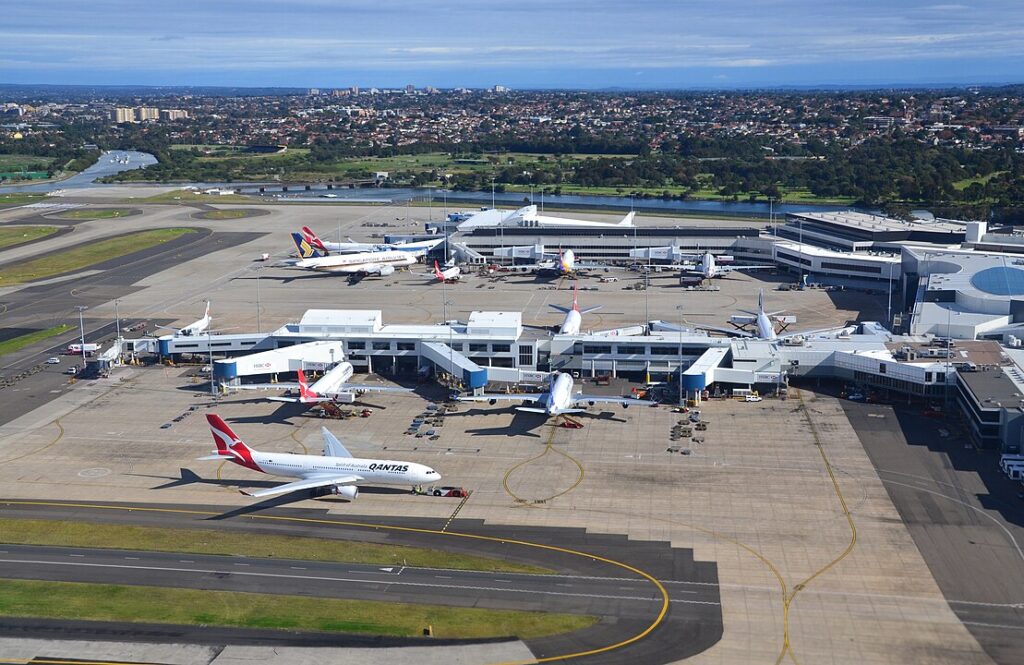
Findings From the Transport Safety Investigation
Australian Transport Safety Bureau Director of Transport Safety Dr Stuart Godley stated that the incorrect load data increased the risk of degraded takeoff performance.
He emphasized that the crew’s decision to use full runway length and avoid headwind reductions created safety margins that prevented an incident.
Dr Godley added that the same error under different conditions could have produced a more serious outcome.
Procedural Changes Implemented by Qantas
Following the investigation, Qantas has adopted several changes designed to prevent a repeat.
- Staff must conduct a manual passenger headcount if the system shows any discrepancy.
- When pilots cannot be reached while on the ground, air traffic control must be notified so the aircraft does not depart until critical information is passed on.
Bottom Line
A single incorrect keystroke set off a chain reaction that distorted passenger counts, load data, and aircraft performance calculations.
The Qantas Boeing 737 departed roughly five tons heavier than the crew believed, yet additional safety margins ensured a stable takeoff. The event led to new safeguards aimed at eliminating similar errors.
Stay tuned with us. Further, follow us on social media for the latest updates.
Join us on Telegram Group for the Latest Aviation Updates. Subsequently, follow us on Google News
