

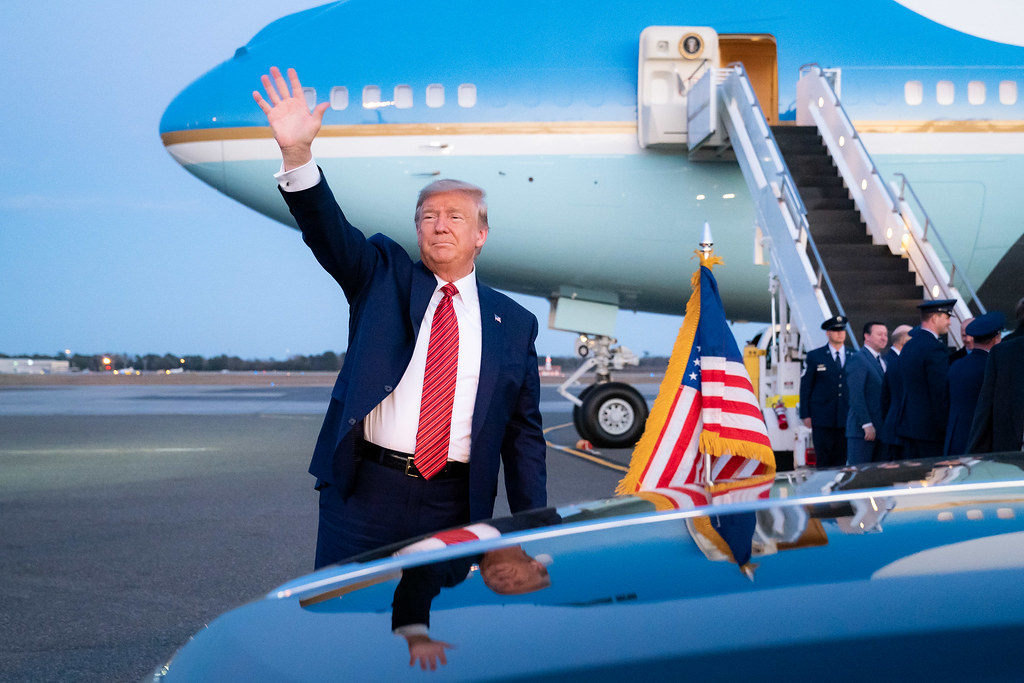
Washington became the focal point of a major immigration policy decision after a federal judge rejected a high-profile legal challenge to a steep new visa fee introduced by U.S. President Donald Trump. The ruling carries implications for employers across sectors that rely on skilled foreign labor, including aviation, technology, and healthcare.
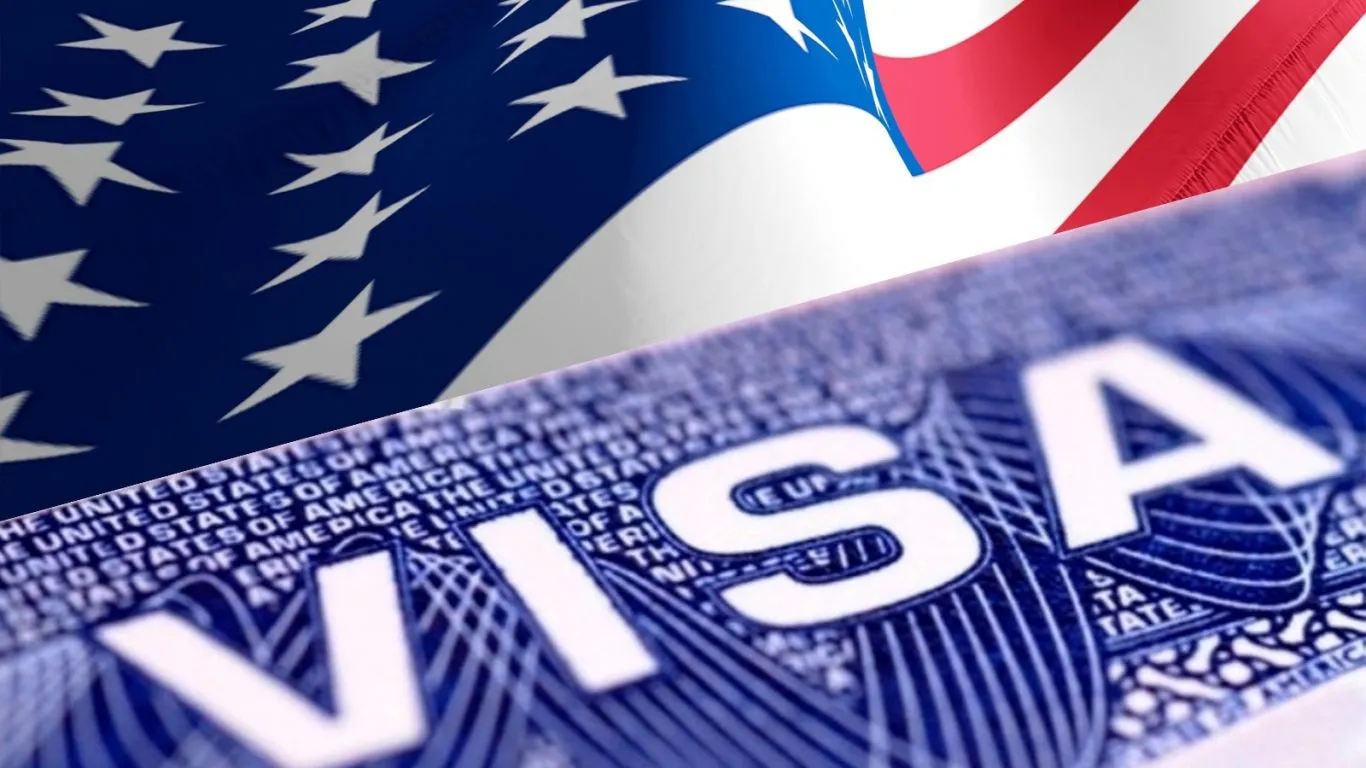
The case was heard in Washington, D.C., where businesses with global operations, including major carriers, closely watched the outcome. The decision allows the administration to proceed with a $100,000 fee on new H-1B visas, sharply increasing the cost of hiring highly skilled foreign professionals.
Court Upholds Authority
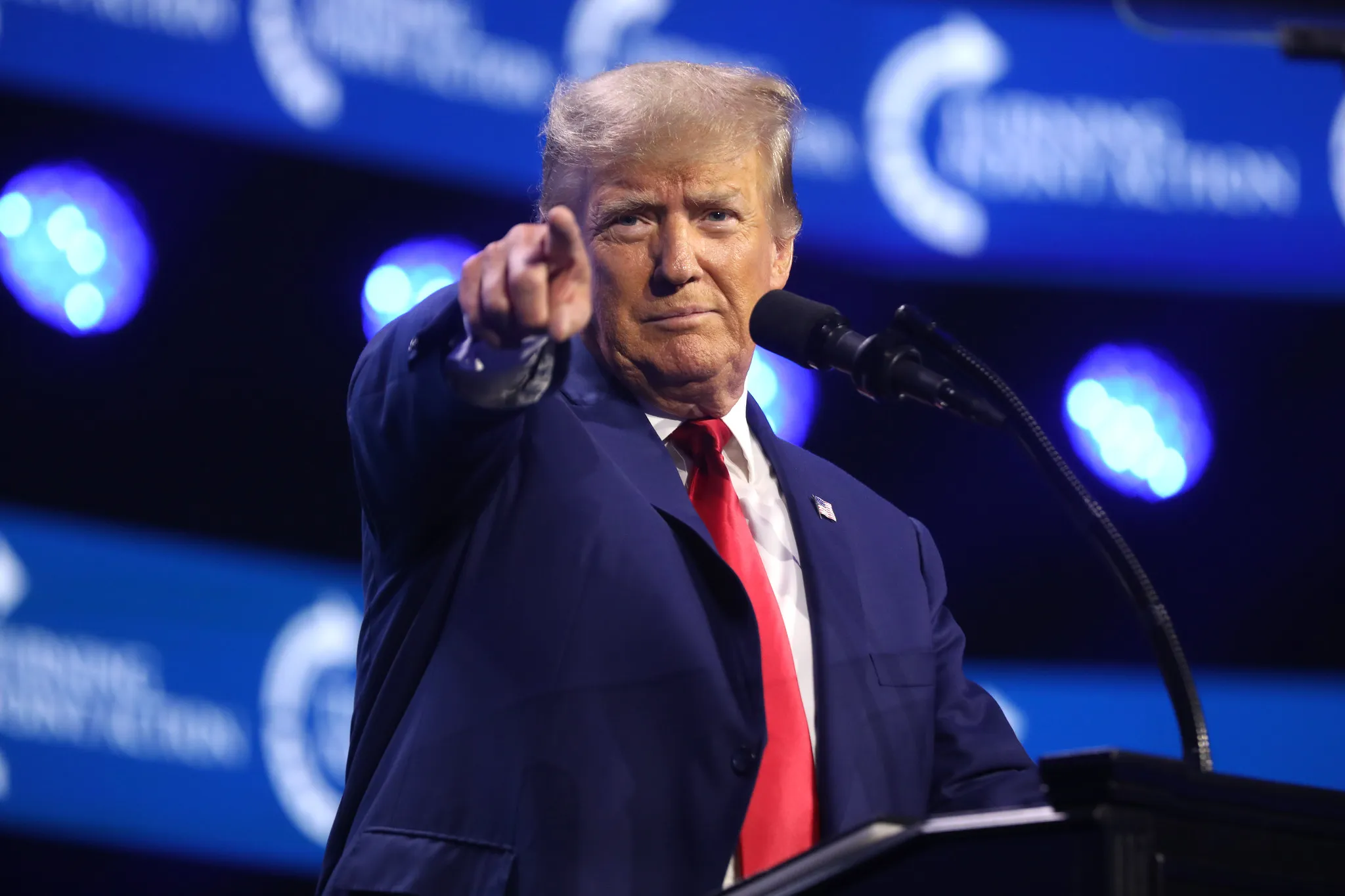
U.S. District Judge Beryl Howell dismissed arguments brought by the U.S. Chamber of Commerce, the country’s largest business lobby group.
The court ruled that the president acted within broad legal authority to regulate immigration through executive action.
Judge Howell concluded that disagreements over the economic or political wisdom of the fee did not fall within the court’s role. She emphasized that as long as the policy fits within existing legal boundaries, the judiciary must uphold it.
The ruling reinforces executive discretion in immigration matters, particularly when framed as part of broader national policy. The White House did not issue an immediate public response following the decision.
Business Groups React
The Chamber of Commerce warned that the new fee could strain employers that depend on H-1B workers. It argued that many small and medium-sized businesses would struggle to absorb a six-figure visa cost.
Business leaders said the fee may force companies to choose between higher labor expenses and reduced hiring. Hospitals, research institutions, and service providers were cited as sectors likely to feel the impact.
Despite the setback, the Chamber signaled it is reviewing further legal options. Other lawsuits from Democratic-led states and coalitions of employers, nonprofits, and religious organizations remain active.

Impact On H-1B Program
The H-1B visa program allows U.S. employers to hire foreign workers in specialty fields such as engineering, aviation systems, software, and medical research.
Each year, 65,000 standard visas are issued, with an additional 20,000 reserved for applicants holding advanced degrees, reported The Hindu.
Previously, total H-1B-related fees typically ranged between $2,000 and $5,000, depending on employer size and filing type. The new $100,000 fee represents a dramatic escalation in cost.
For industries tied to global mobility, including airlines, aircraft manufacturers, and airport technology providers, the ruling may affect workforce planning. Companies that rely on international expertise may reassess hiring strategies or shift investment priorities.
Bottom Line
The federal court’s decision clears the way for one of the most expensive skilled-worker visa fees in U.S. history. While legal challenges continue, the ruling strengthens executive power over immigration policy and raises serious cost considerations for employers dependent on global talent.
Stay tuned with us. Further, follow us on social media for the latest updates.
Join us on Telegram Group for the Latest Aviation Updates. Subsequently, follow us on Google News
