

Relocating to another country can be an exciting opportunity, but not every destination makes the process straightforward. While some nations have streamlined immigration systems and strong support for international residents, others present significant challenges through strict visa requirements, language barriers, complex bureaucracy, cultural differences, or limited employment pathways for foreigners.
According to William Russell’s 2026 expat analysis, the following countries are among the most difficult places for expatriates to relocate to successfully. Importantly, a difficult relocation process does not necessarily mean these countries are undesirable places to live. Many consistently rank among the world’s safest, healthiest, or most prosperous nations. Instead, they require greater preparation, patience, and adaptability from newcomers.
Most Difficult Countries to Relocate to in 2026
Whether due to complicated residency regulations, extensive paperwork, demanding work permit procedures, or significant cultural adjustments, these countries can test even experienced expatriates. Here are the Top 10 Most Difficult Countries to Relocate to in 2026.
1. Indonesia
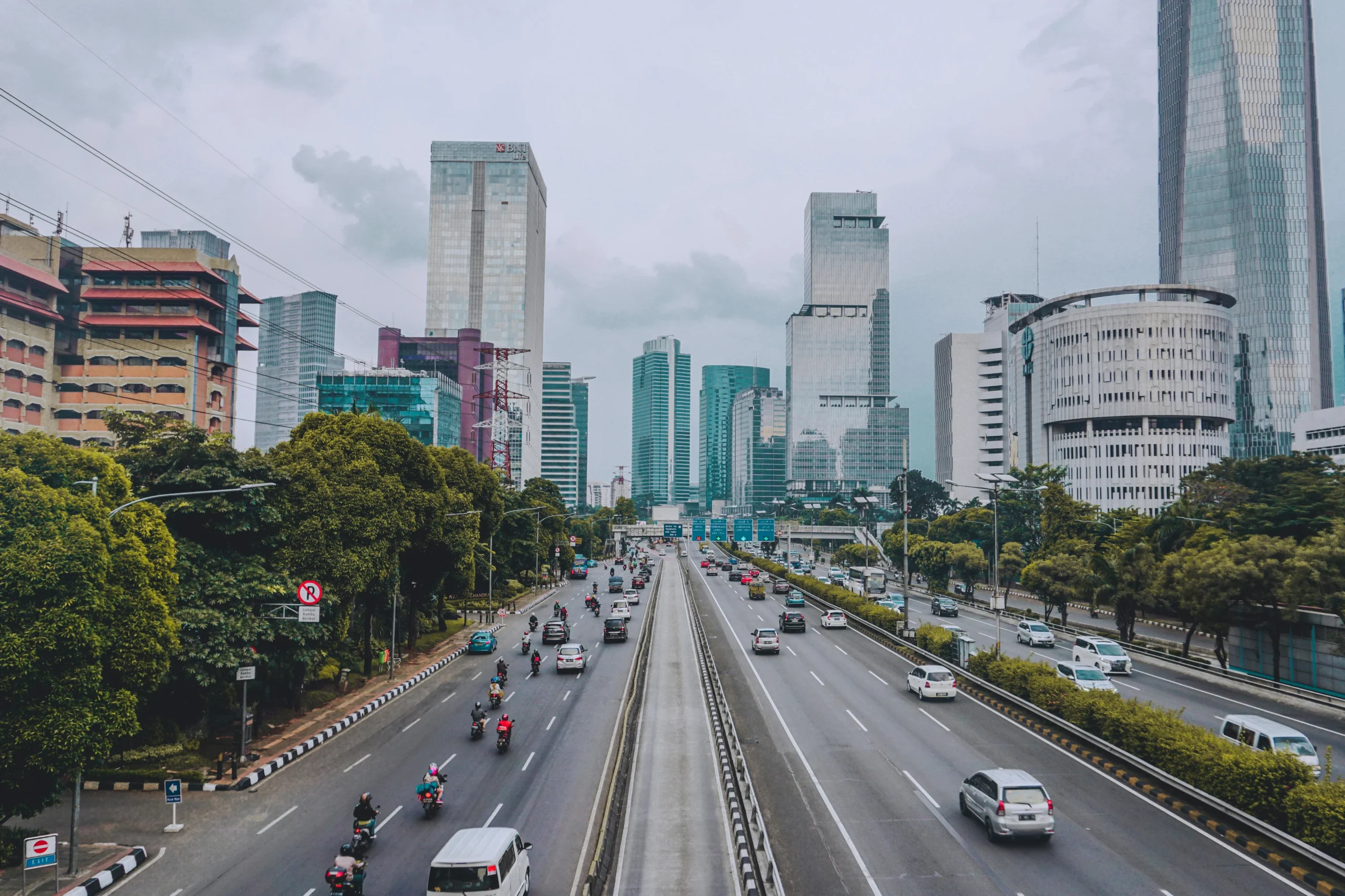
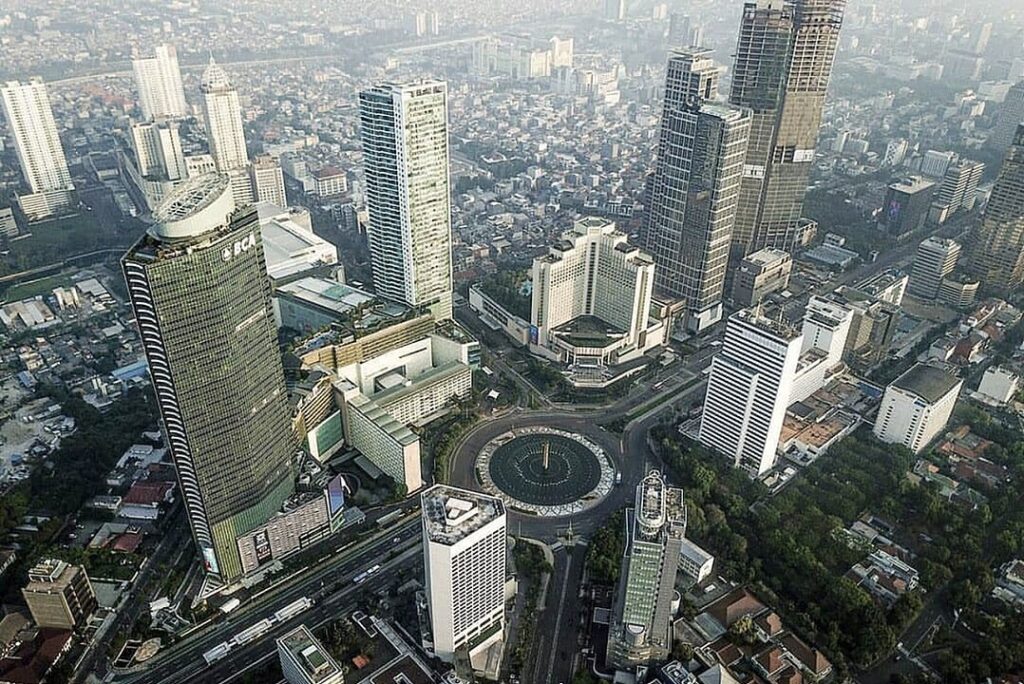
Indonesia ranks as the most challenging country for relocation in 2026. While the archipelago offers beautiful tropical scenery, affordable living in many regions, and a rich cultural heritage, moving there permanently can be considerably more complex than many expatriates expect.
Foreigners often face changing immigration regulations, multiple visa categories, and lengthy administrative procedures. Long-term residency typically requires employer sponsorship, business investment, retirement qualifications, or family connections. Navigating documentation across various government departments can also prove time-consuming.
Language presents another challenge outside major tourist destinations. Although English is commonly spoken in business and hospitality sectors, learning Bahasa Indonesia greatly improves everyday life and communication with local authorities.
Indonesia’s vast geography also means healthcare, infrastructure, and public services vary significantly between islands. While Jakarta and Bali provide modern facilities, more remote regions may offer fewer services for international residents.
Despite these obstacles, Indonesia remains highly attractive for entrepreneurs, retirees, and digital professionals willing to navigate its administrative complexity.
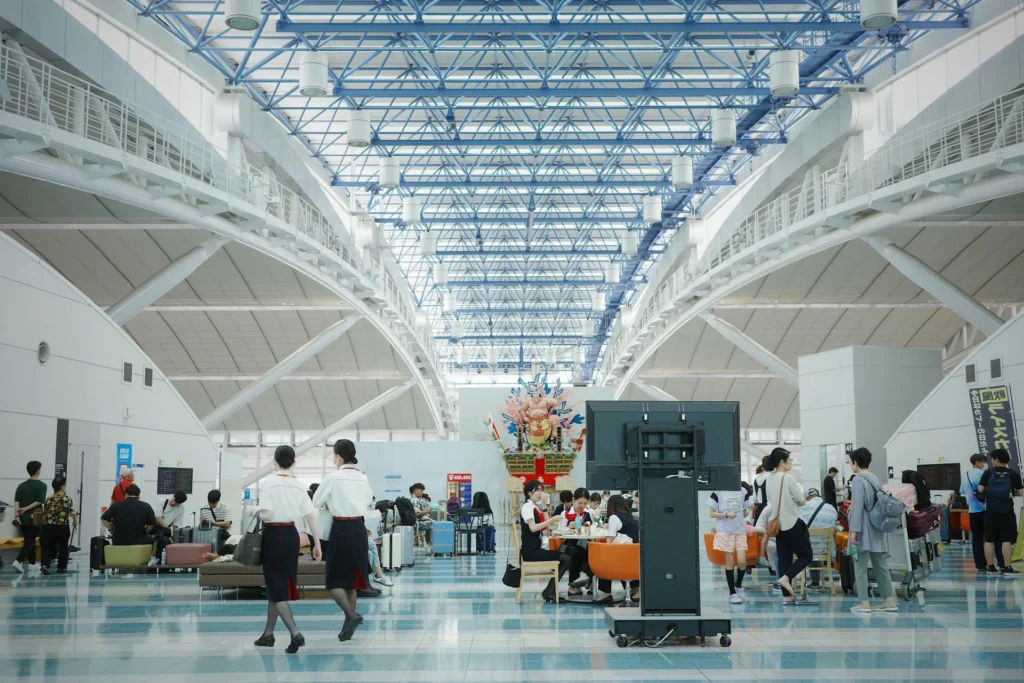
2. Japan
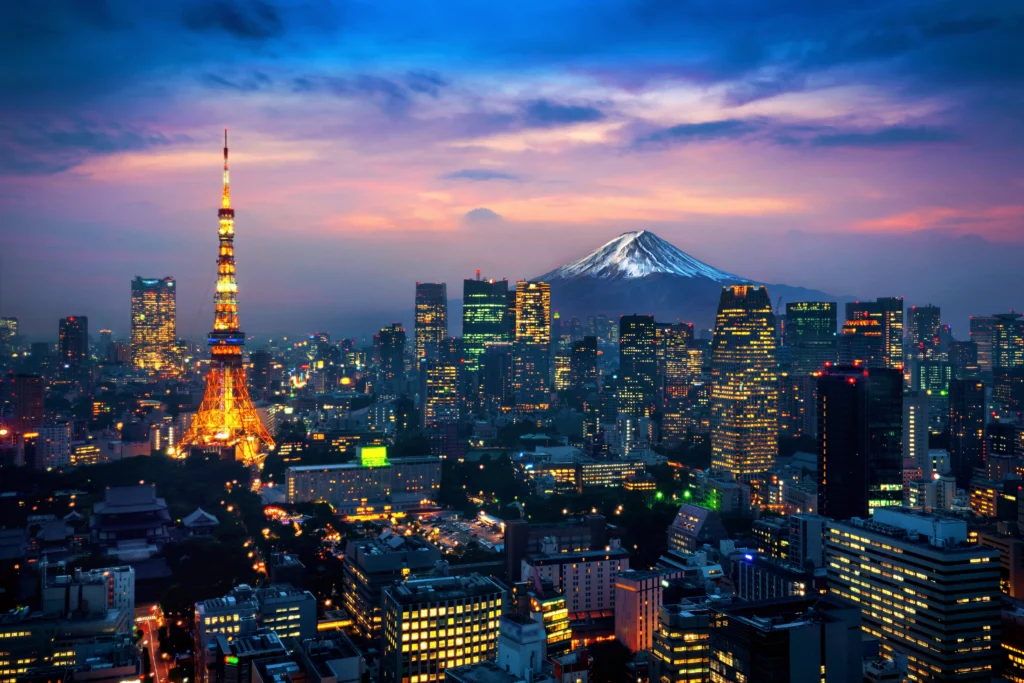
Japan’s exceptional safety, advanced infrastructure, and outstanding quality of life continue attracting professionals from around the world. However, relocating successfully requires considerable adjustment.
The Japanese language remains one of the biggest barriers. Although English usage has increased in larger cities, many government offices, contracts, banking services, and healthcare providers primarily operate in Japanese. Daily life becomes significantly easier for expatriates who develop language skills.
Workplace culture also differs substantially from many Western countries. Long working hours, formal business etiquette, consensus-based decision-making, and hierarchical corporate structures often require adjustment.
Housing procedures can be unfamiliar, with guarantor requirements, key money, and extensive paperwork common during the rental process. Immigration procedures are generally well organised but require careful documentation depending on visa category.
Nevertheless, expatriates who adapt successfully often enjoy one of the world’s safest, cleanest, and most technologically advanced societies.
3. Lithuania
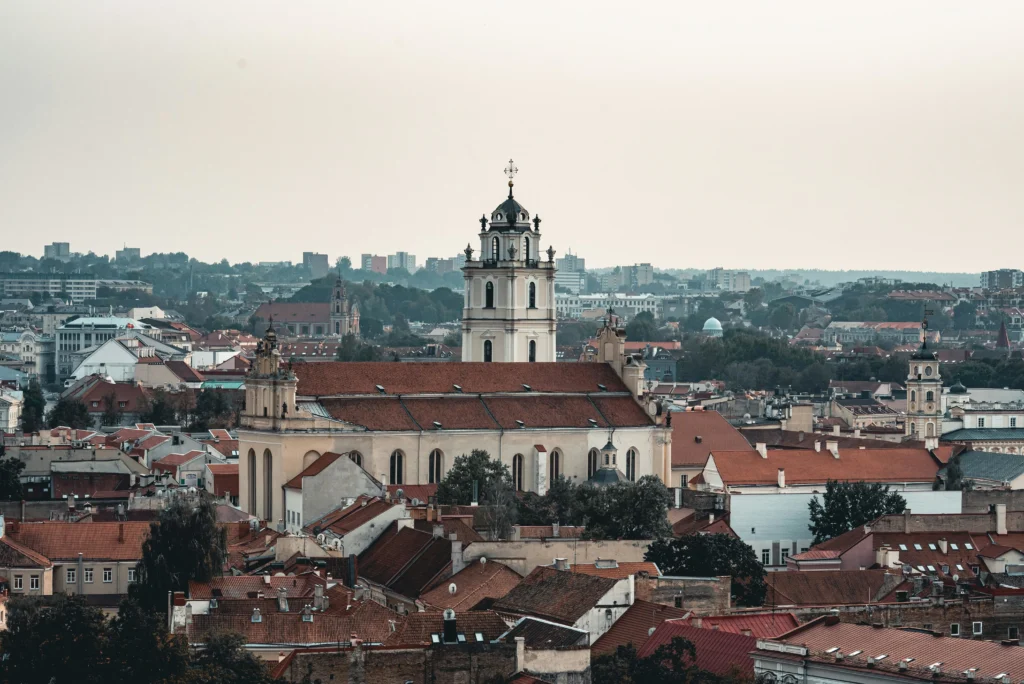
Lithuania has become increasingly attractive for technology companies and startups, but relocation can still present several difficulties for international newcomers.
Outside multinational businesses and larger cities such as Vilnius and Kaunas, English proficiency varies considerably. Administrative procedures frequently require documents in Lithuanian, necessitating professional translation or local assistance.
Foreign professionals may encounter lengthy residency processing, document verification, and evolving immigration regulations depending on nationality and employment status. Learning local administrative procedures often requires patience during the first months after arrival.
Although living costs remain lower than in many Western European countries, integrating socially may take time due to cultural differences and language barriers.
Lithuania’s expanding economy and improving digital infrastructure continue attracting expatriates despite these initial challenges.
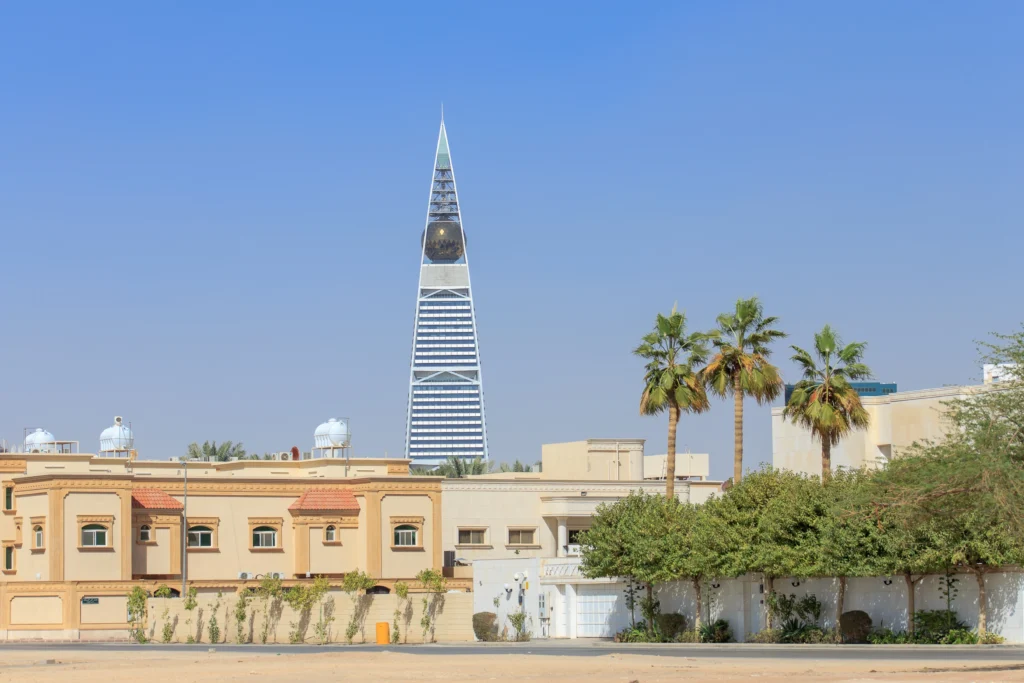
4. Saudi Arabia
Saudi Arabia has undergone significant social and economic reforms in recent years, making the country increasingly accessible to foreign professionals. However, relocating remains considerably more demanding than in many other destinations.
Employment sponsorship remains central to most relocation pathways. Residency permits, employment contracts, and visa processes often depend heavily on employer support. Administrative requirements can vary according to profession and nationality.
Foreign residents must also adapt to local customs, legal regulations, and cultural expectations. While recent reforms have modernised many aspects of daily life, respecting local traditions remains essential.
Arabic is the official language, although English is widely used within many international companies and professional sectors. Healthcare standards are excellent in major cities, while tax-free salaries continue attracting skilled workers.
For expatriates prepared to understand local customs and regulations, Saudi Arabia offers rewarding professional opportunities despite its relatively complex relocation process.

5. Malaysia
Malaysia combines modern cities with affordable living and a multicultural society, yet relocating there involves more administrative complexity than many people anticipate.
Long-term residency options often depend upon employment, investment, retirement programmes, or specific visa schemes. Immigration requirements periodically change, requiring applicants to remain updated throughout the process.
Although English is widely spoken, administrative procedures sometimes require interaction with multiple government departments. Property regulations, banking requirements, and residency documentation can also involve additional paperwork.
Fortunately, Malaysia’s strong healthcare system, excellent infrastructure, relatively affordable cost of living, and welcoming multicultural communities help offset many of these initial relocation challenges.

6. Greece
Greece offers Mediterranean living, rich history, and beautiful coastlines, but administrative procedures have traditionally presented difficulties for new arrivals.
Obtaining residency, registering with public authorities, arranging taxation, and completing legal documentation often involve multiple government offices. Processing times can occasionally be longer than expatriates expect.
Learning at least basic Greek greatly assists daily interactions, particularly outside tourist areas. Bureaucratic requirements may also differ depending on employment, retirement, family reunification, or investment pathways.
Once settled, expatriates enjoy excellent climate, vibrant culture, renowned cuisine, and relatively affordable living compared with several other Western European destinations.
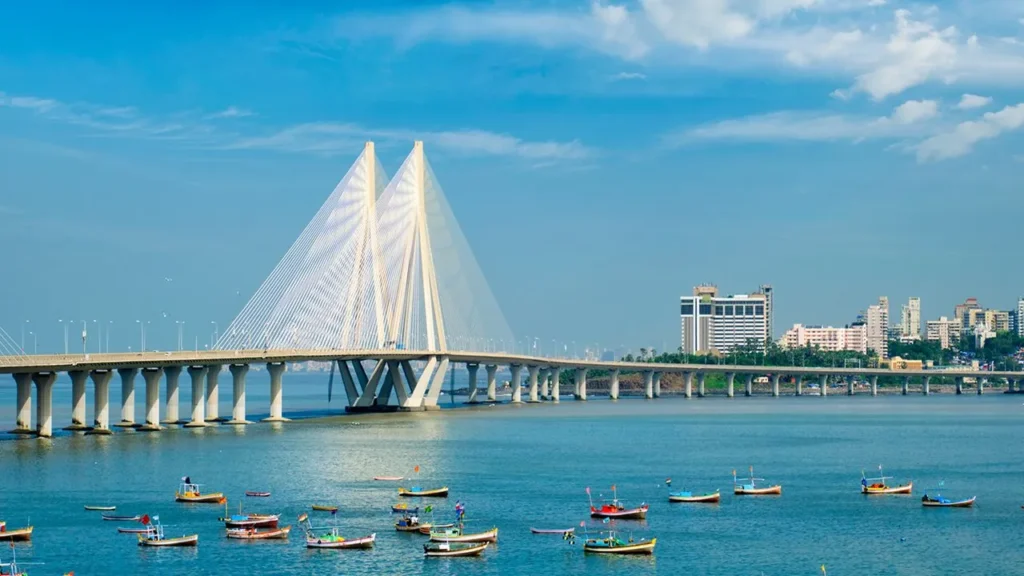
7. India
India remains one of the world’s fastest-growing major economies and offers enormous opportunities across technology, manufacturing, healthcare, education, and financial services. However, relocating successfully requires flexibility and careful preparation.
Visa regulations vary considerably according to employment, business activities, education, journalism, and volunteering. Documentation requirements can be extensive, while registration procedures may differ between states.
The country’s remarkable diversity also presents cultural adjustments. Languages, customs, cuisines, climates, and administrative processes vary dramatically across different regions.
Traffic congestion, population density, and infrastructure differences between metropolitan and rural areas require additional adaptation for many newcomers. Nevertheless, India’s expanding economy continues attracting thousands of international professionals each year.
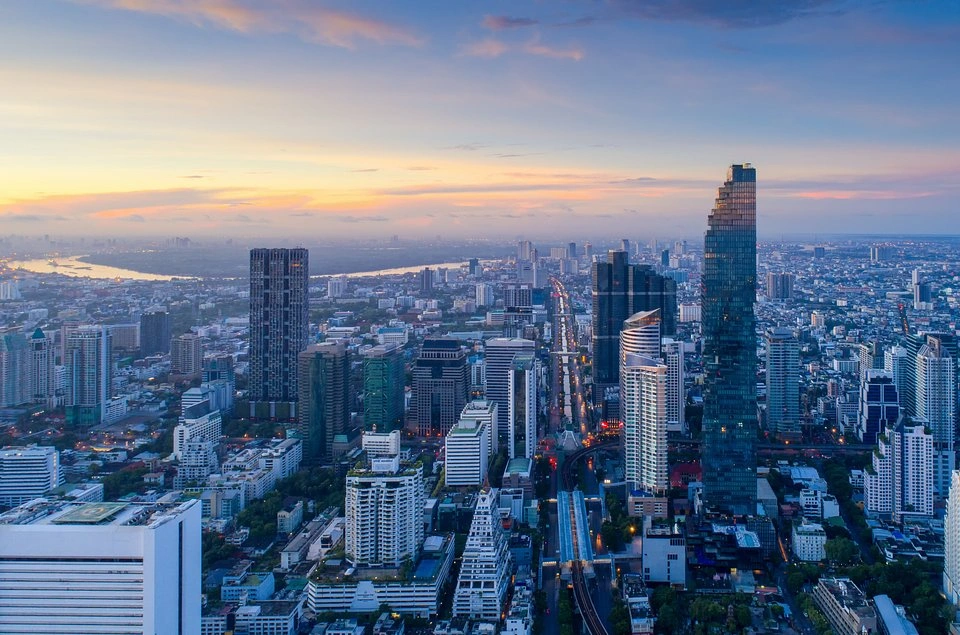
8. Thailand
Thailand remains one of Southeast Asia’s most popular destinations for retirees, entrepreneurs, and digital professionals. Despite its popularity, long-term relocation is often more complicated than short-term visitors realise.
Visa categories include employment, retirement, investment, education, and family reunification, each carrying different financial and documentation requirements. Immigration regulations may change periodically, requiring careful planning.
Language can also present challenges outside major tourist destinations, while opening bank accounts, purchasing property, and obtaining certain permits sometimes involve additional administrative procedures.
Once established, expatriates benefit from excellent healthcare, affordable living costs, beautiful landscapes, and a welcoming local culture.
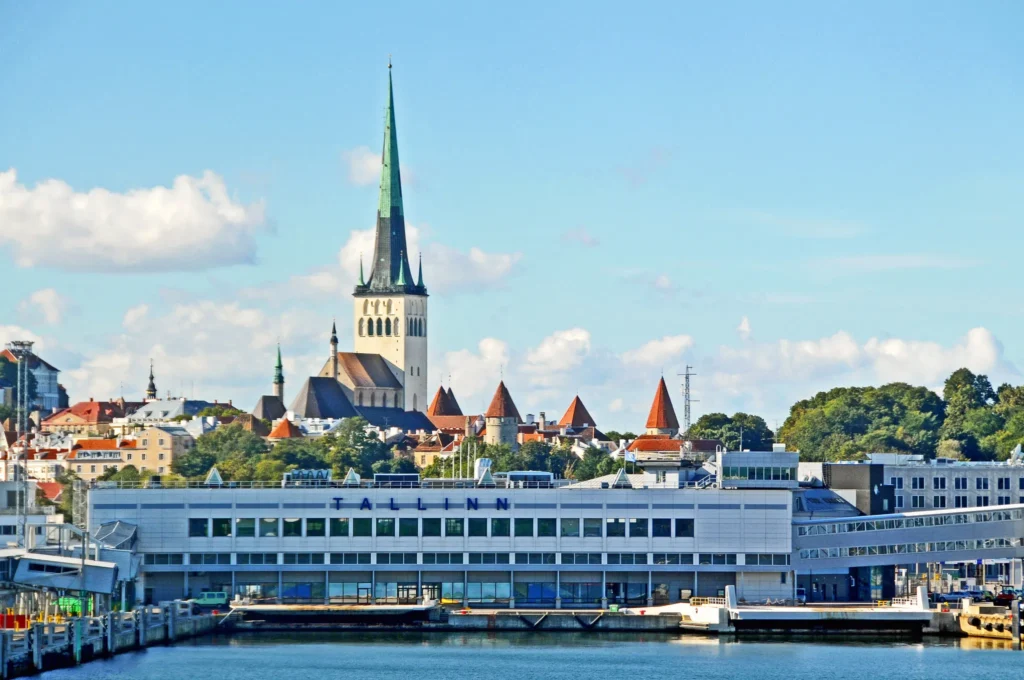
9. Estonia
Estonia has built an international reputation for digital innovation and e-government services. However, relocating still presents several challenges despite its highly advanced online infrastructure.
Foreign residents must satisfy residency requirements, document verification, and employment or business eligibility before obtaining long-term residence. Although digital government services simplify many processes, initial registration still requires careful preparation.
Estonian is the primary official language, although English is widely spoken among younger generations and technology professionals. Winters can also require adjustment for expatriates arriving from warmer climates.
Estonia remains especially attractive for entrepreneurs due to its globally recognised digital ecosystem and supportive business environment.

10. Finland
Finland completes the top ten despite consistently ranking among the world’s happiest countries.
The relocation process often involves detailed documentation for residence permits, employment, education, or family reunification. Processing timelines can vary depending on application type and applicant nationality.
The Finnish language represents another significant challenge for many expatriates. Although English proficiency is excellent throughout much of the country, learning Finnish greatly improves employment prospects and long-term integration.
The Nordic climate, particularly long winters and limited daylight during certain months, may also require adjustment for newcomers from warmer regions.
Despite these challenges, Finland rewards expatriates with exceptional healthcare, education, public safety, environmental quality, and work-life balance.
Why Are Some Countries More Difficult to Relocate To?
Several common factors make international relocation more demanding:
- Strict immigration and visa requirements.
- Complex residency documentation.
- Employer sponsorship obligations.
- Language barriers.
- Cultural adaptation.
- Extensive government bureaucracy.
- Housing regulations.
- Banking and financial documentation.
- Recognition of foreign qualifications.
- Frequent immigration policy changes.
Successfully managing these challenges often requires careful planning before departure.

Relocation Trends in 2026
- Governments seek highly skilled migrants – Many countries continue prioritising applicants with specialised qualifications, professional experience, or investment capital.
- Digital services improve administration – Although bureaucracy remains challenging in some countries, online government services continue simplifying many application processes.
- Cultural preparation becomes increasingly important – Successful relocations increasingly depend upon understanding local customs, workplace expectations, and language before arrival.
- Immigration regulations continue evolving – Many governments regularly update visa policies to address labour shortages, economic priorities, and population trends.
Preparing for a Challenging International Move
Expats considering relocation to these destinations can improve their chances of success by researching visa requirements thoroughly, preparing documentation well in advance, learning the local language where possible, understanding cultural expectations, securing professional legal or immigration advice when necessary, and maintaining flexibility throughout the application process.
Although relocation may require additional effort, many expatriates ultimately find the rewards outweigh the initial administrative challenges.
Bottom Line
The Top 10 Most Difficult Countries to Relocate to in 2026, according to William Russell, demonstrate that relocating abroad often involves much more than booking a flight.
Despite challenges, every country featured in this ranking offers valuable opportunities, strong economies, rich cultures, or exceptional quality of life. For expatriates willing to invest time, patience, and preparation, these destinations can still provide highly rewarding long-term experiences.

FAQs
According to William Russell’s rankings, Indonesia is the most challenging country due to its complex residency pathways, changing immigration requirements, and administrative procedures.
No. Many countries on this list consistently rank highly for safety, healthcare, education, and overall quality of life despite having more demanding immigration processes.
Careful planning, understanding immigration rules, organising documentation early, researching local culture, learning basic language skills, and seeking professional relocation advice can make the transition significantly smoother.
Stay tuned with us. Further, follow us on social media for the latest updates.
Join us on Telegram Group for the Latest Aviation Updates. Subsequently, follow us on Google News
