

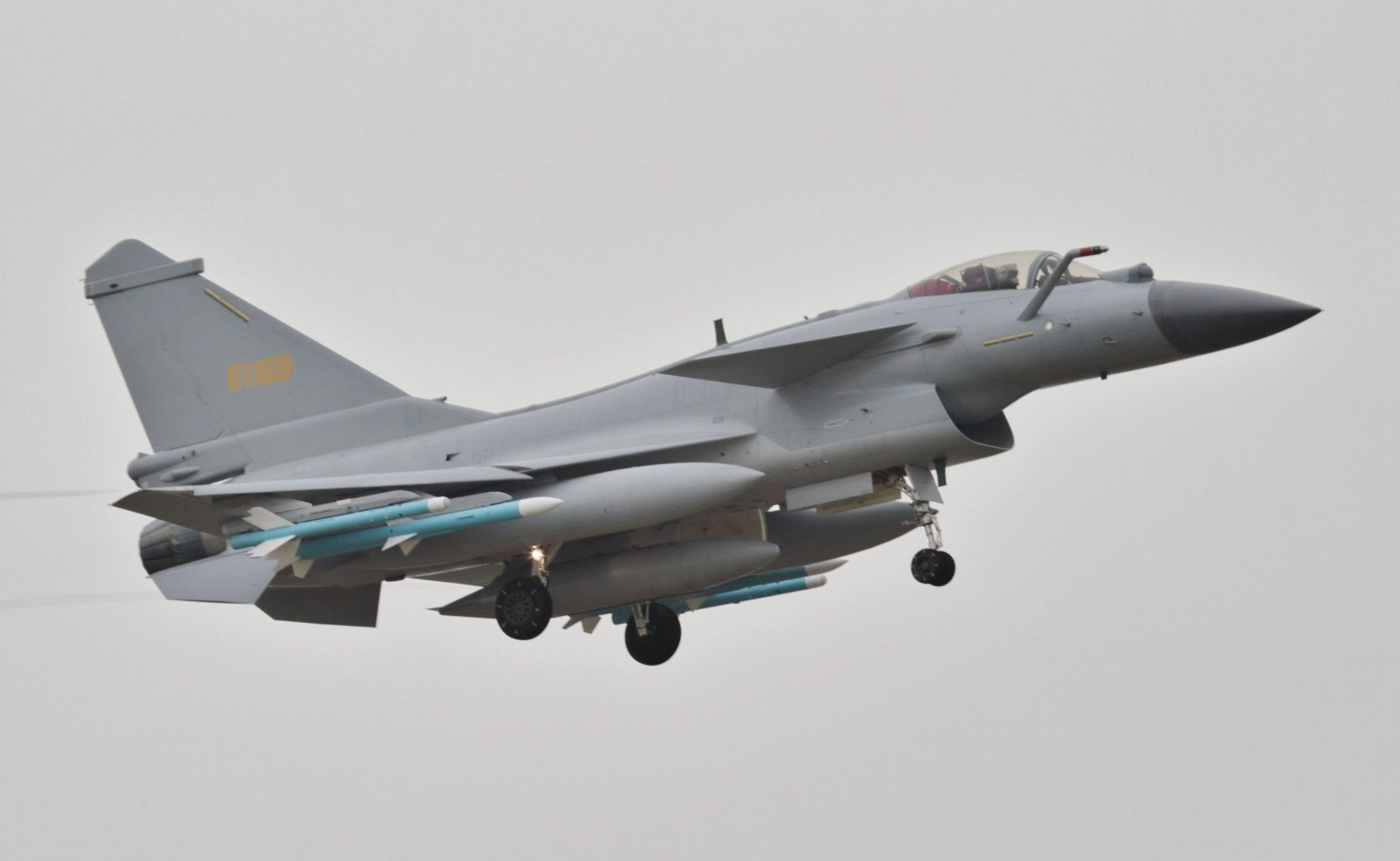
CHENGDU- China is accelerating its push into the global combat aircraft export market through 3 active fighter programs: the FC-31, Chengdu J 10C, and JF-17.
A recent assessment from the US Department of Defense highlights how these platforms are strengthening Beijing’s position as a competitive military aerospace supplier.
The report underscores growing international interest in Chinese fighters as cost-effective and politically accessible alternatives to Western aircraft.
This trend is reinforced by expanding production capacity, fewer export restrictions, and steady improvements in avionics, weapons integration, and stealth design.
China’s Expanding Aerospace Capabilities
China’s military aerospace sector is undergoing rapid expansion, marked by the parallel development of crewed fighters, uncrewed systems, and naval aviation assets.
According to an unclassified Pentagon report to Congress, China is aligning domestic force modernization with export-oriented production, a strategy increasingly visible across its fighter portfolio, as reported by TWZ.
While the report offers limited new detail on individual People’s Liberation Army programs, it confirms the debut of 2 stealth aircraft with novel tailless configurations, informally designated J-36 and J-XDS.
These designs indicate a focus on reduced radar cross-sections and improved survivability against advanced air defense networks.
Additional highlights include the land-based J-35A fifth-generation fighter and the J-15D carrier-based electronic warfare aircraft.
The assessment also references a new airborne early warning and control platform derived from the Y-20B transport aircraft.
This system intends to detect and track advanced stealth targets, signaling China’s growing emphasis on counter-stealth operations.
Aircraft Carriers and Naval Aviation Momentum
One of the most strategically significant disclosures is China’s stated objective to field 6 aircraft carriers by 2035. If achieved, this would bring its total carrier fleet to 9, including the Fujian, which began sea trials in May.
Satellite imagery further suggests progress on a fourth carrier, widely expected to introduce nuclear propulsion.
There are also indications that at least 1 additional conventionally powered carrier remains under development.
Collectively, these efforts would narrow the numerical gap with the US Navy’s 11 active nuclear-powered supercarriers and significantly expand China’s capacity for sustained carrier-based air operations.
FC-31: Stealth Fighter With Export Potential
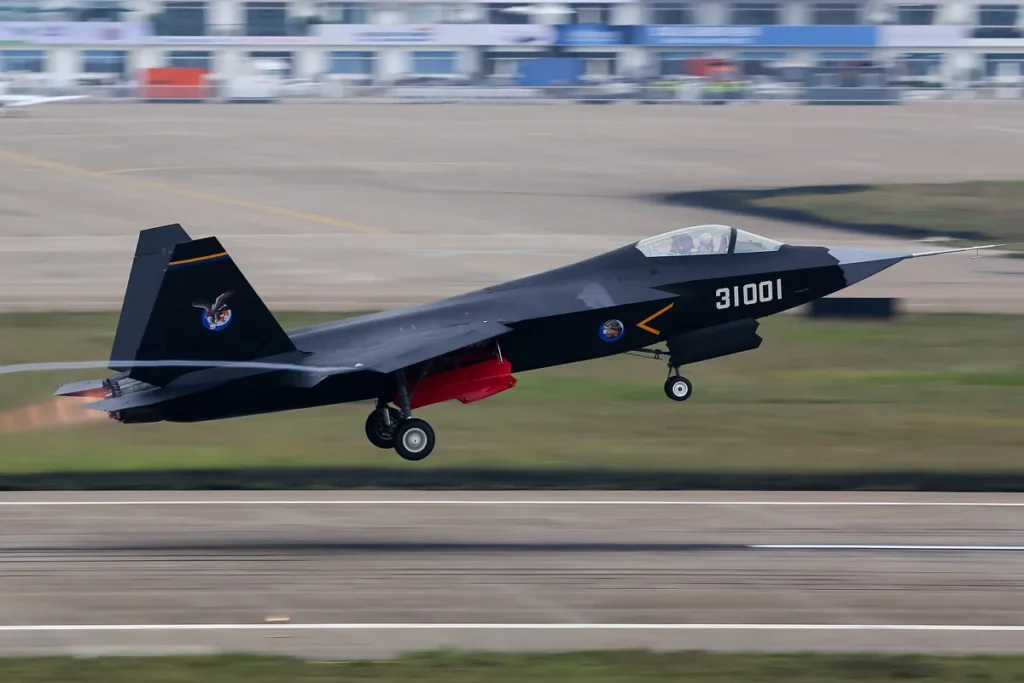
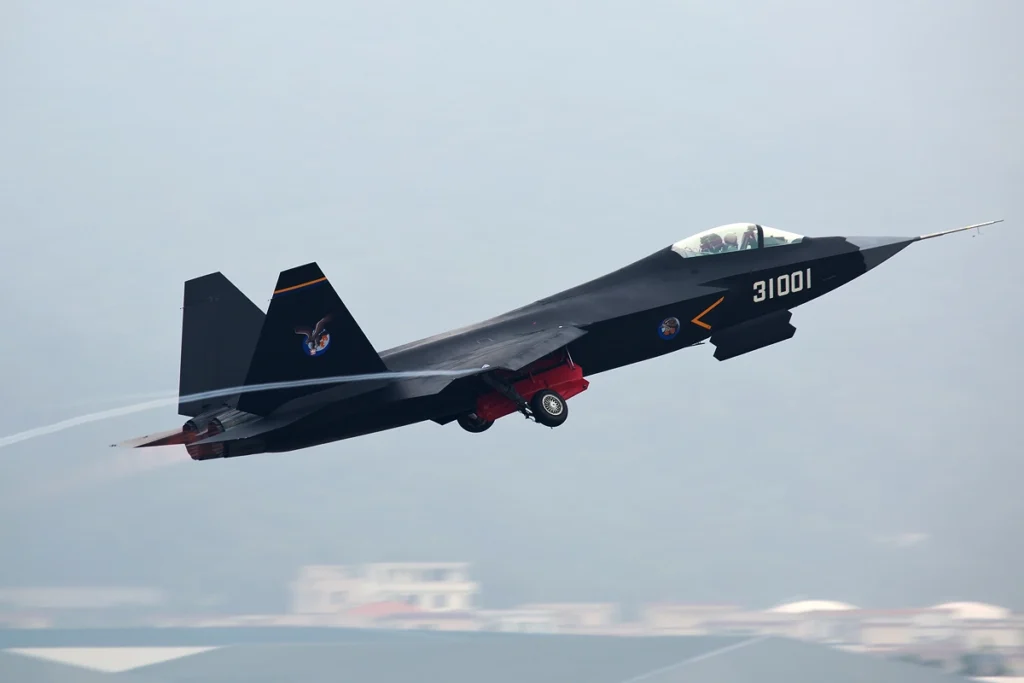
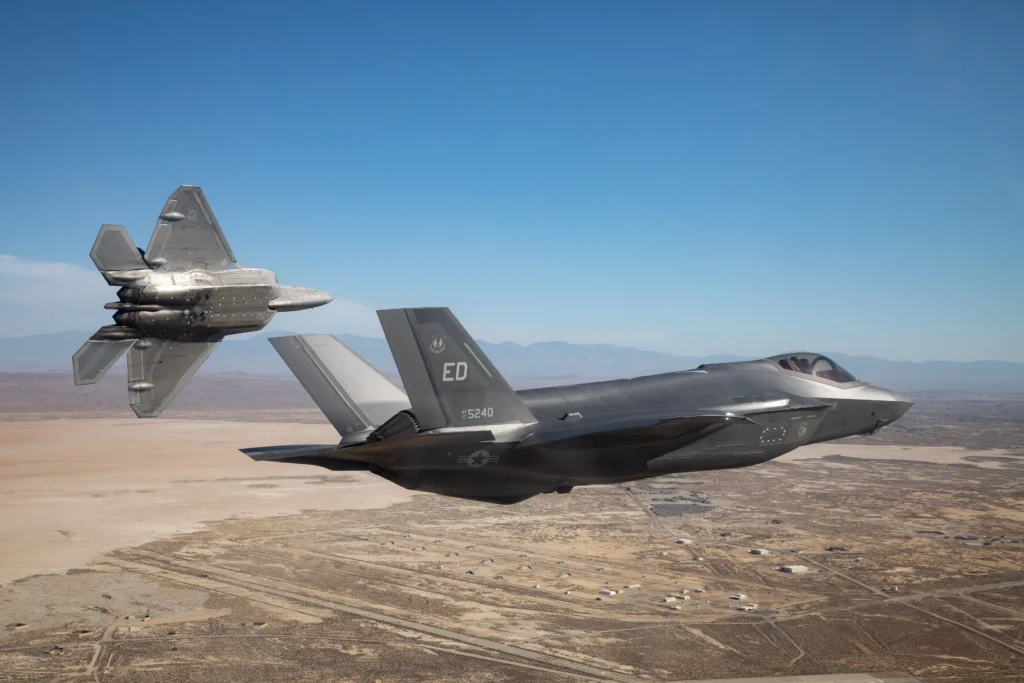
For exports, the Pentagon identifies the fifth-generation Shenyang FC-31 as China’s most ambitious offering.
As of May 2025, the aircraft has not received any confirmed foreign orders, but Egypt, Saudi Arabia, and the United Arab Emirates are cited as interested parties.
The FC-31 first flew in 2012, followed by a substantially redesigned prototype in 2016. Development has since focused on the carrier-capable J-35 for the PLA Navy and the land-based J-35A.
Despite this domestic focus, foreign sales remain a central objective, as the original FC-31 design primarily aimed for export.
Notably, Pakistan is absent from the Pentagon’s list of potential FC-31 customers, despite earlier official statements indicating interest in a land-based variant. This omission stands out given Islamabad’s long-standing defense relationship with Beijing.
Middle East Market Dynamics
Interest from Egypt, Saudi Arabia, and the United Arab Emirates reflects broader regional demand for advanced fighters amid shifting procurement policies.
Egypt previously pursued 24 Russian Su-35s before US sanctions threats under CAATSA halted the deal, with some aircraft reportedly diverted to Algeria.
Saudi Arabia faces a crowded fighter acquisition landscape. Long-anticipated Eurofighter Typhoon purchases have stalled, while talks have included Dassault Rafale, Boeing’s F-15EX, and potential access to the F-35A.
Exporting stealth fighters to Saudi Arabia or the UAE would represent a major policy shift for Washington, making the FC-31 an attractive alternative.
The UAE had earlier approved a $23.37 billion arms package that included 50 F-35As, but later signaled reluctance due to stringent safeguards aimed at preventing Chinese access to sensitive technologies.
J-10C: Combat-Tested and Actively Marketed
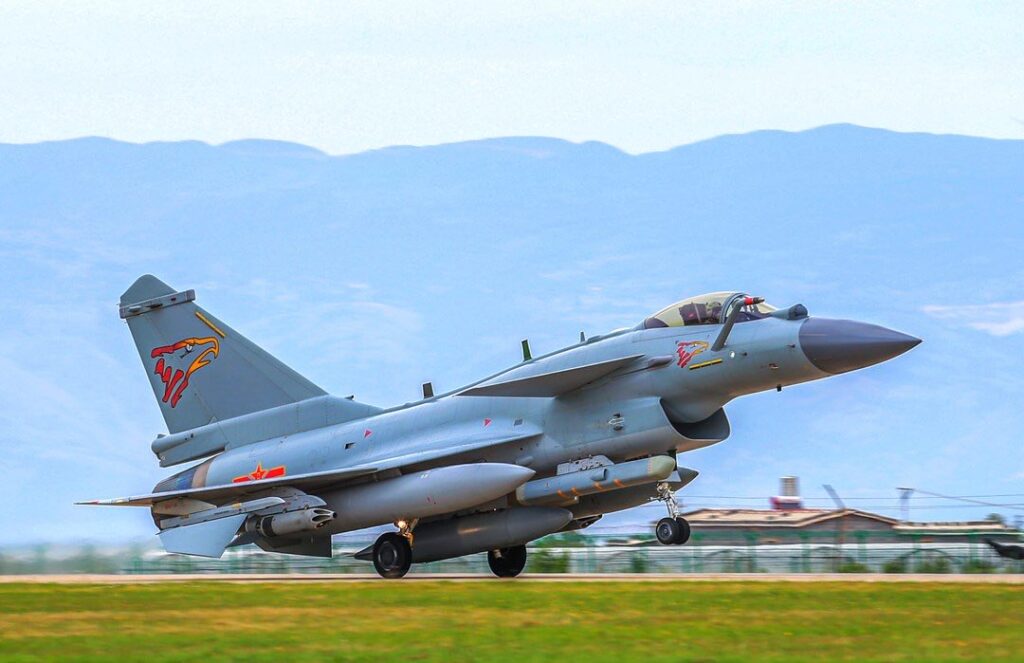
The fourth-generation Chengdu J-10C has so far been exported only to Pakistan, which has ordered 36 aircraft since 2020, with 20 delivered.
The fighter entered combat service during recent India–Pakistan clashes, drawing attention to its performance and its integration with PL-15 long range air to air missiles.
China has actively highlighted these engagements to promote the aircraft internationally. Countries including Egypt, Uzbekistan, Indonesia, Iran, and Bangladesh have expressed varying levels of interest, although many are also considering Western alternatives.
Indonesia has already contracted for Rafale fighters and announced plans to acquire F-15EX derivatives, while Bangladesh recently signed a letter of intent with Italy’s Leonardo for Eurofighter Typhoons.
Iran’s Fighter Gap and Limited Options
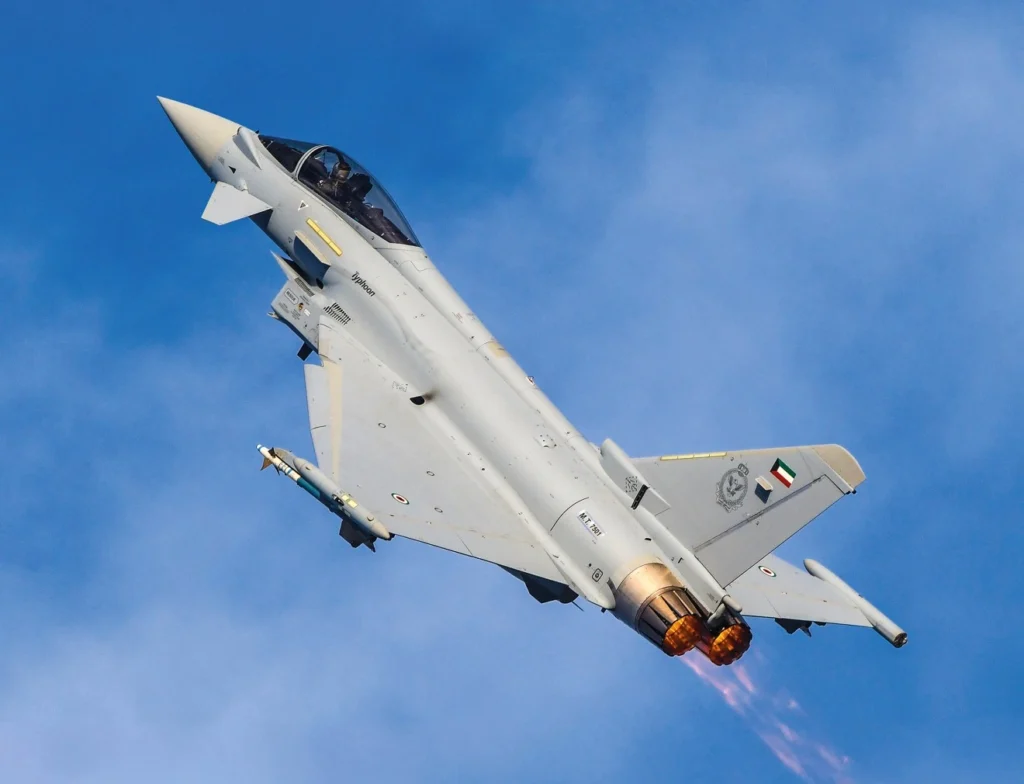
Iran represents a potentially stronger prospect for Chinese fighters. Years of sanctions and arms embargoes have left its air force heavily reliant on aging platforms.
Previous discussions around acquiring Su-35s have not resulted in deliveries, and recent conflict-related losses have further strained Tehran’s fighter inventory.
In this context, the J-10C could offer a viable path to partial fleet renewal, provided political and logistical constraints can be managed.
China’s Most Successful Fighter Jet
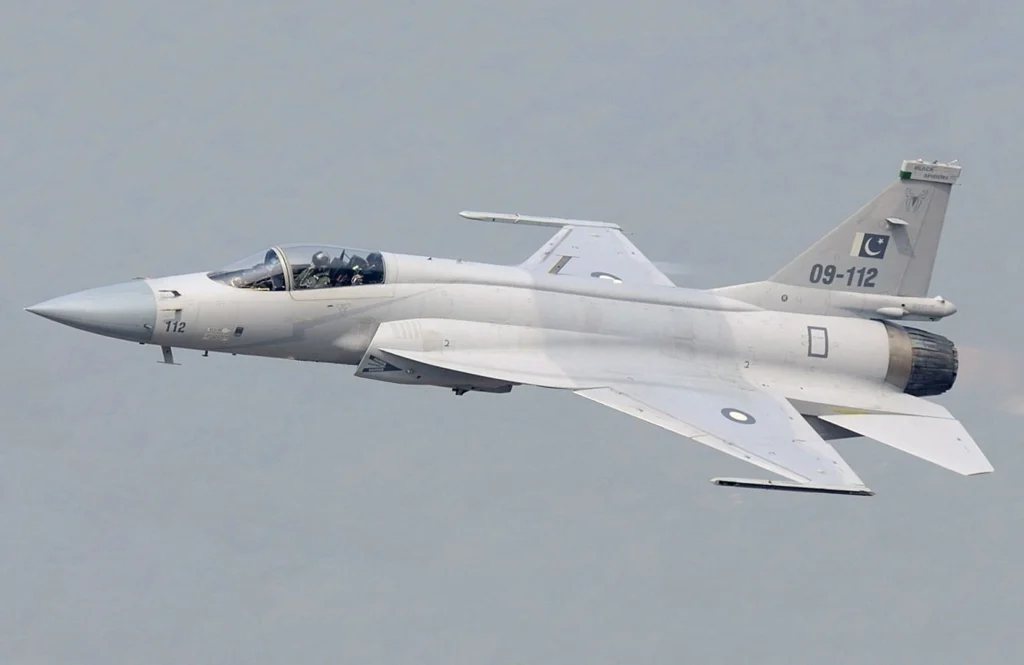
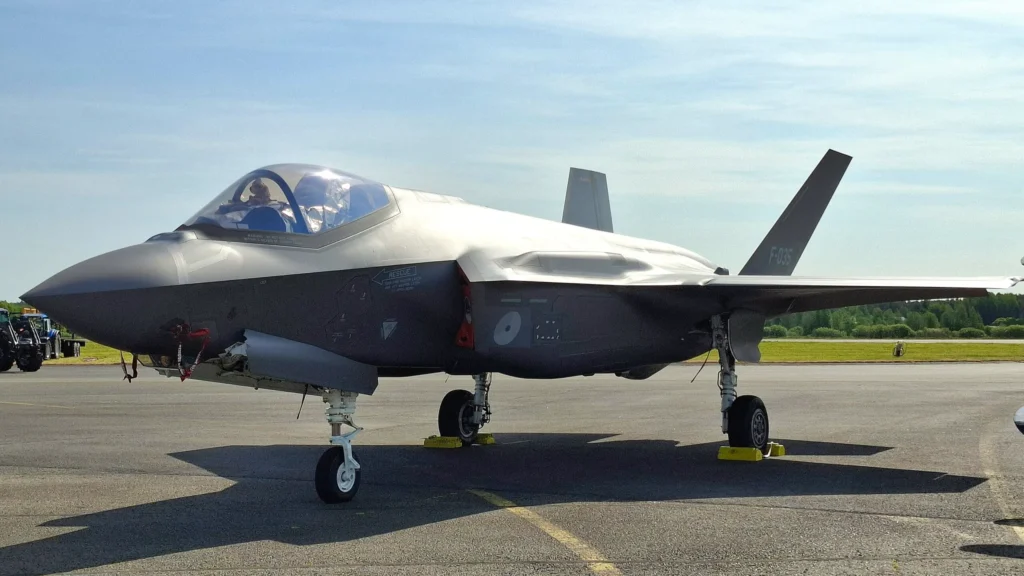
The JF-17 Thunder, co-developed with Pakistan, is the most commercially successful of China’s fighter exports.
As of 2024, confirmed operators include Pakistan, Azerbaijan, Myanmar, and Nigeria, with negotiations underway with Iraq.
Iraq’s interest is notable given its existing fleet of US supplied F-16IQs. While these aircraft have proven reliable for strike missions, chronic maintenance challenges and past withdrawals of contractor support have raised concerns about long-term fleet readiness.
The JF-17 offers a lower-cost option to expand fighter numbers with fewer sustainment constraints.
Later JF-17 variants also incorporate improved avionics, including AESA radar, enhancing their appeal beyond basic light fighter roles.
Beyond crewed aircraft, China is rapidly advancing in uncrewed combat systems. The Pentagon notes Beijing’s pursuit of capabilities analogous to the US Collaborative Combat Aircraft concept, enabling manned–unmanned teaming.
These systems could complement fighters such as the FC-31 or J-10C, extending advanced airpower concepts to smaller air forces.
Arms exports remain a core component of China’s foreign policy and complement broader Belt and Road initiatives.
Chinese systems draw many developing nations, particularly in Africa, due to lower costs, flexible payment terms, and fewer political conditions.
China is also more willing than most Western suppliers to structure deals involving trade offsets, resource access, or extended financing, further enhancing its competitiveness.
Future Outlook
With 3 distinct fighter platforms covering multiple capabilities and price segments, China is positioning itself increasingly well to compete at the higher end of the global combat aircraft market.
Securing an FC-31 export order would represent a major breakthrough, helping offset development costs and lowering unit prices through expanded production.
Taken together, these trends suggest China’s role as a global fighter supplier will continue to grow, reshaping competition in markets long dominated by Western manufacturers.
Stay tuned with us. Further, follow us on social media for the latest updates.
Join us on Telegram Group for the Latest Aviation Updates. Subsequently, follow us on Google News
