

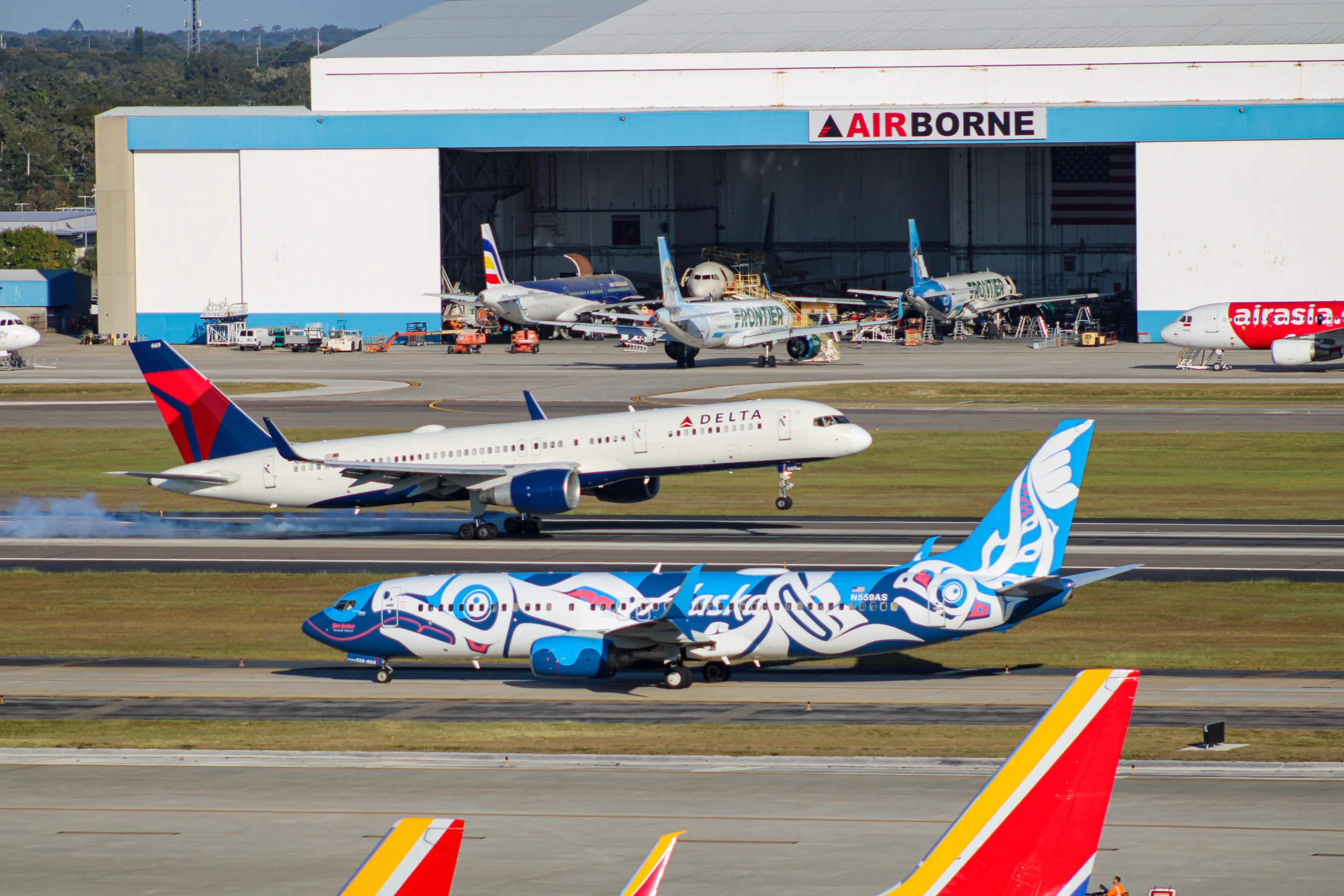
LONDON- Delta Air Lines (DL) is accused of withholding documents sought by Alaska Airlines (AS) in its trademark lawsuit against Virgin Group in the United Kingdom. The dispute ties into Alaska’s claim that Virgin Atlantic (VS) enabled infringing activity involving Delta-operated flights in the United States.
The subpoena centers on sales linked to Virgin Atlantic’s platform, which allowed loyalty members to redeem points for Delta-operated services within the domestic U.S. market through airports such as Seattle (SEA) and Atlanta (ATL). Alaska argues these activities violated its exclusive rights tied to the former Virgin America brand.
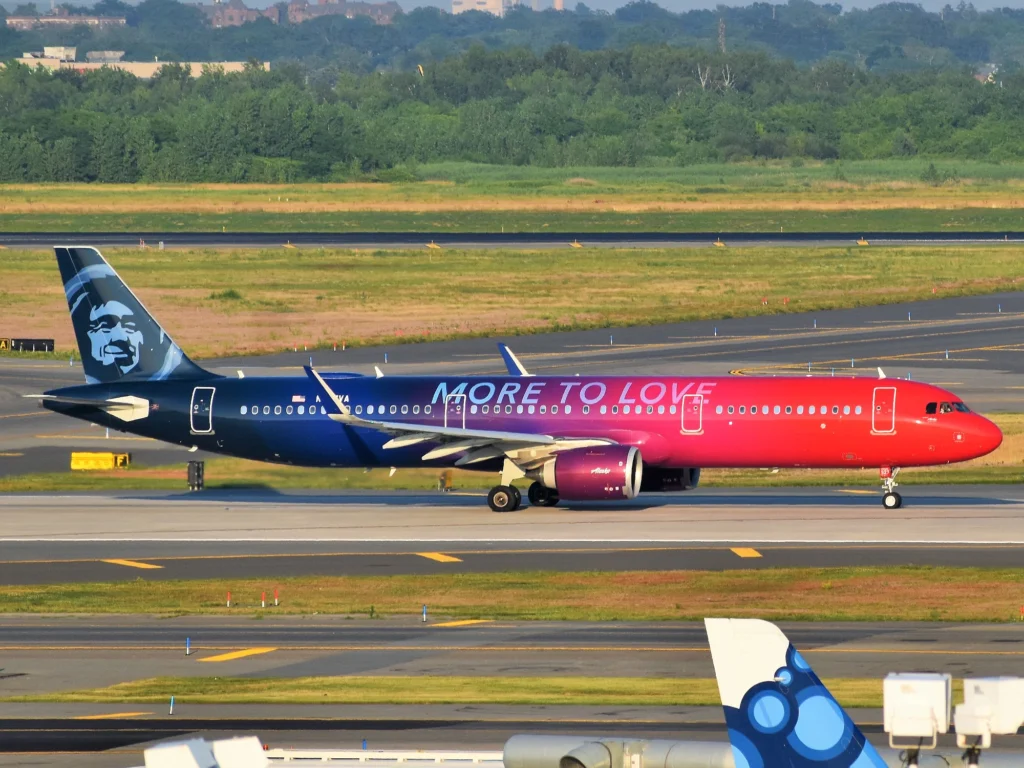
Alaska Airlines Accuses Delta of Hiding Evidence
Alaska Airlines secured approval from a U.S. court to obtain discovery from Delta for use in its ongoing U.K. litigation. The request follows Alaska’s finding that Virgin Atlantic marketed and sold Delta-operated domestic flights under the Virgin brand, an activity Alaska asserts breached its exclusive trademark rights.
Delta is not a party to the U.K. case, but Alaska maintains that the carrier holds critical records showing when the alleged infringement began, how widely it spread, and who benefited financially. Alaska’s position is that Delta profited from the activity and thus holds direct knowledge of the conduct at issue.
Delta has now opposed the subpoena, calling Alaska’s request overly broad. Alaska rejects that characterization, stating that the documents and testimony sought are narrowly linked to the Virgin Atlantic loyalty program activity and how it may have diverted customers into Delta’s network.
How the Dispute Developed
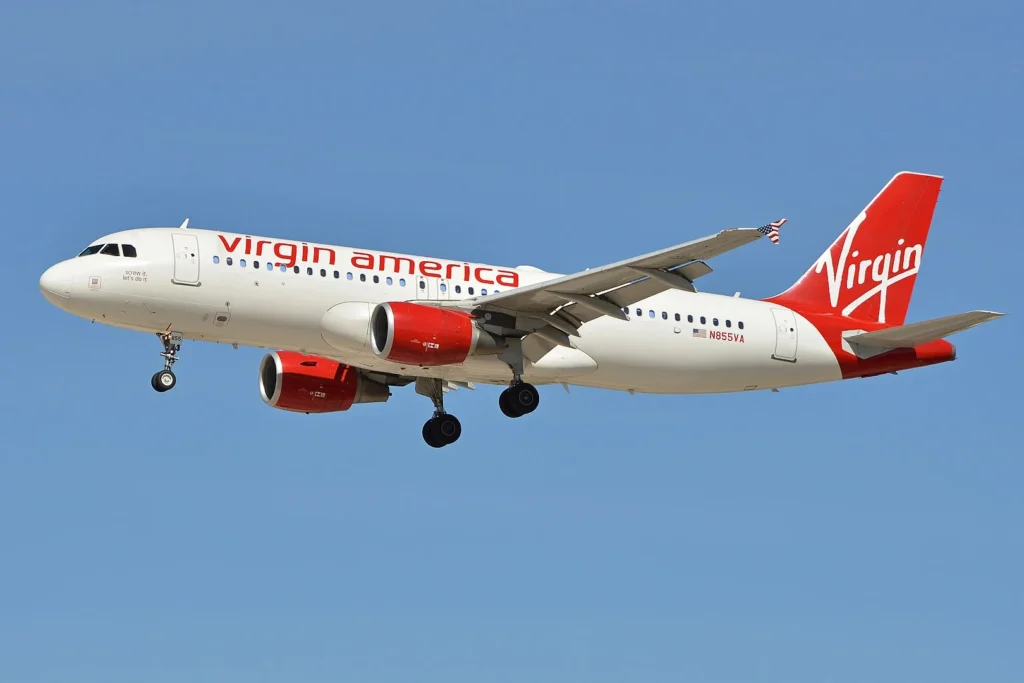
The conflict traces back to Alaska’s 2016 acquisition of Virgin America and the associated trademark license that granted Alaska exclusive rights to use the Virgin brand on domestic U.S. flight operations.
Alaska retired the Virgin America brand in 2019 and stopped paying royalties under a clause that allowed suspension of payments if the trademarks were no longer used.
Virgin Group disputed Alaska’s interpretation and sued in the U.K., where courts ruled that Alaska still owed minimum royalties due to the value of the exclusive rights. During that litigation, Alaska learned that Virgin Atlantic had been promoting Delta-operated domestic flights under the Virgin brand through its Flying Club program.
This activity, according to Alaska, undercut the exclusivity it was paying for. Alaska then initiated a separate U.K. breach claim asserting the trademark license was terminated by Virgin’s violation and that damages are owed.
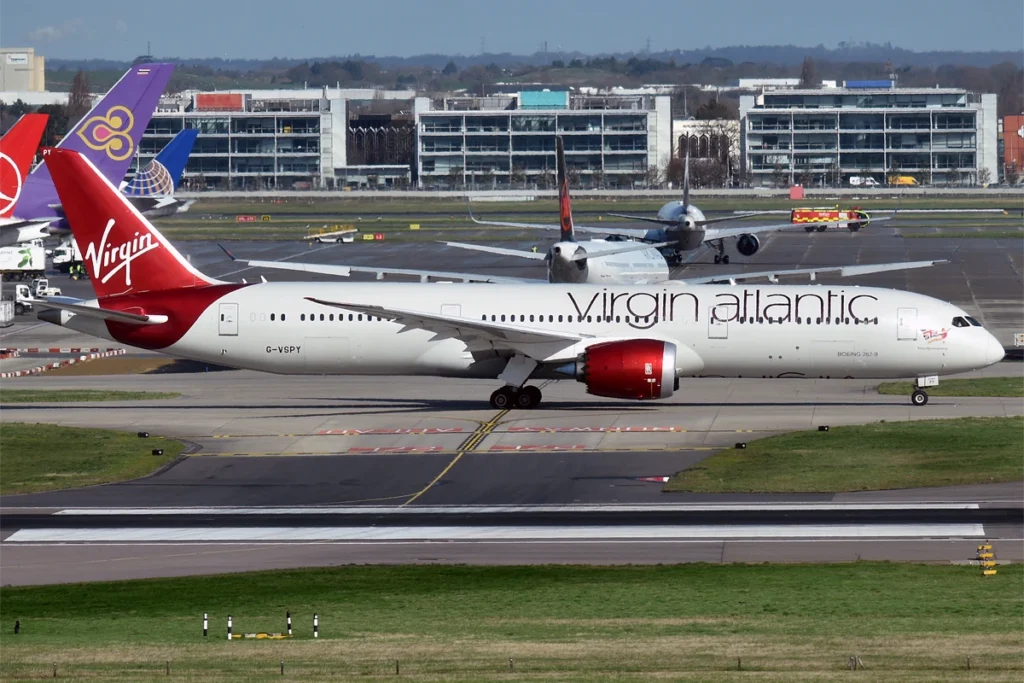
Virgin Atlantic’s Loyalty Channel and Delta’s Role
Flying Club members could use earned or transferred points to buy Delta-operated domestic flights. Points could be accumulated through partner airlines, co-branded credit cards, or the Virgin Group’s broader loyalty ecosystem. Alaska alleges that this setup diverted revenue and loyalty traffic toward Delta, giving both Virgin and Delta commercial benefit tied to marks Alaska was contractually entitled to control in the U.S. market.
The carrier also notes the competitive history between Alaska and Delta, including the termination of their partnership shortly after Alaska’s merger with Virgin America and Delta’s subsequent expansion across Seattle.
The Section 1782 Path and Court Timeline
Alaska filed a Section 1782 application in July 2025 to obtain discovery from Delta for use in the U.K. proceedings. The U.S. court approved the request in October 2025.
Alaska then served Delta with a subpoena requesting testimony and documentation detailing the scope of the Flying Club sales, their financial impact, and any related coordination between Virgin Atlantic and Delta.
Delta responded in December 2025 with an objection and asked the court for permission to file a motion to quash the subpoena entirely. A ruling may come directly from the joint filing or proceed to full briefing and a potential hearing.
Status of the U.K. Case
The U.K. breach litigation continues. Alaska argues that Virgin’s conduct terminated the trademark license and that no further royalties are owed.
The carrier seeks damages that could potentially offset or recoup prior royalty payments. Evidence from Delta, if eventually produced, may influence how the U.K. court assesses the scale and impact of the alleged infringement.
Stay tuned with us. Further, follow us on social media for the latest updates.
Join us on Telegram Group for the Latest Aviation Updates. Subsequently, follow us on Google News
