

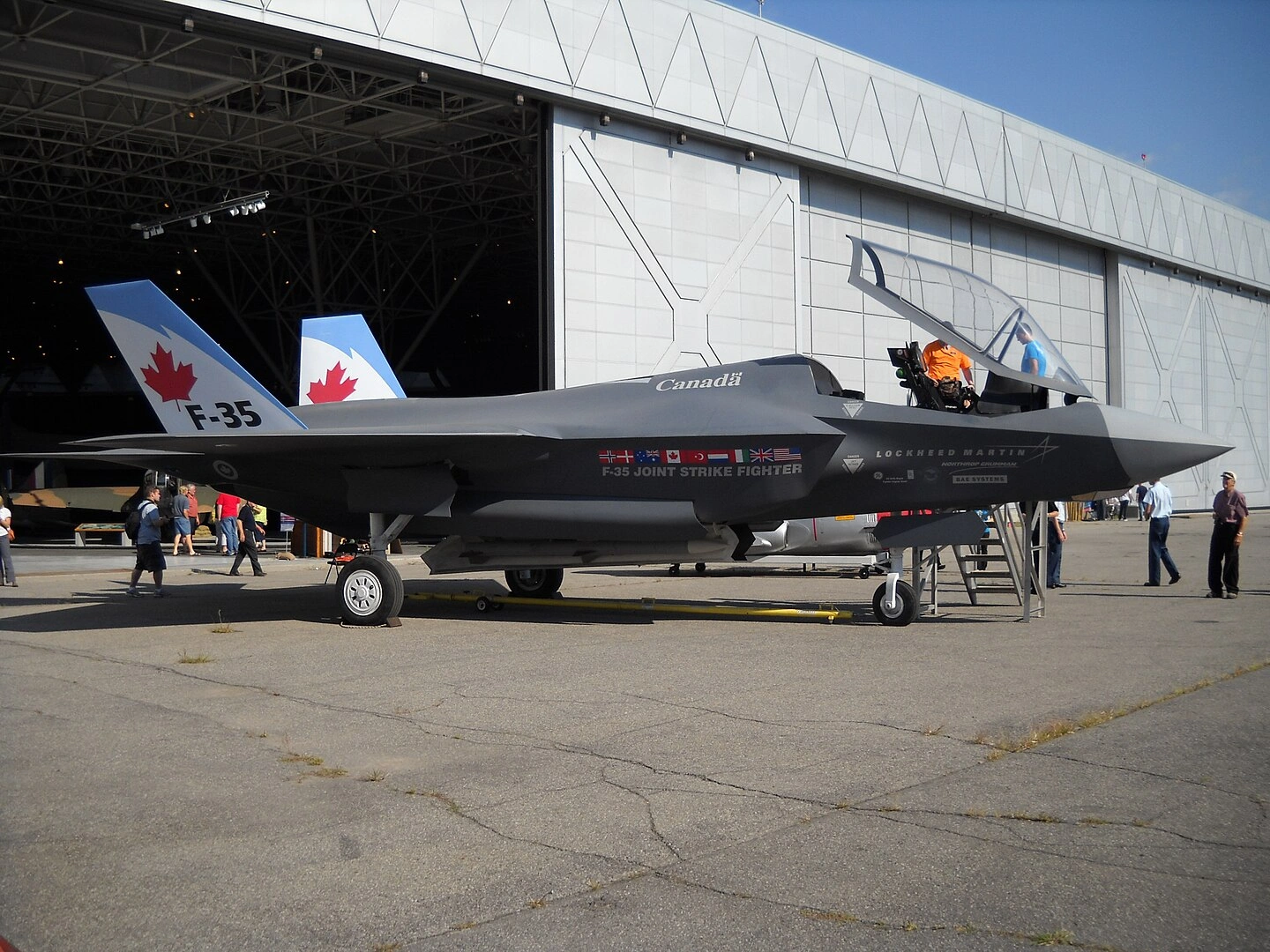
ALBERTA- The Royal Canadian Air Force’s incoming F-35A fleet is set to reshape how Canada protects its airspace and supports the North American Aerospace Defense Command at bases like Cold Lake (YOD) and Bagotville (YBG). Major General Chris McKenna outlines how these fighters will fit into a broader modernization push.
Canada’s plan spans new aircraft, upgraded Arctic Forward Operating Locations such as Inuvik (YEV) and Yellowknife (YZF), and major investments in tankers and sensors. Reported by TheWarZone, the program moves ahead even as the government reviews long-term fighter commitments.
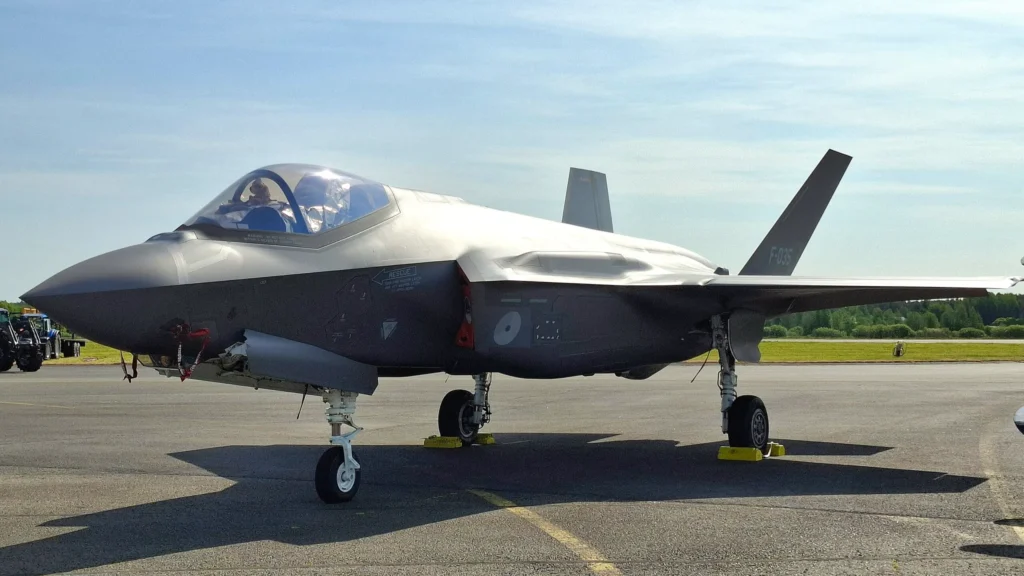
Canada NORAD Commander on F-35 Jets
Canada is in the middle of its largest Air Force recapitalization since World War II. The F-35A is central to that plan, paired with new tankers, MQ-9 drones, and P-8 maritime patrol aircraft beginning in 2027. McKenna’s role is to ensure each system aligns with NORAD’s mission to detect and deter high-end threats across the Arctic and northern approaches.
He notes that Canada has paid for an initial set of 16 F-35As, with the broader 88 aircraft program under government review. Despite that review, planning continues because the Air Force must be ready for the fighters’ 2026 arrival at Luke Air Force Base. The focus is on operational overmatch.
Canada needs aircraft that can outrun and out-sense advanced threats, and the F-35 offers that mix of sensor integration, weapons, and interoperability with the United States.
NORAD inputs shape these decisions. McKenna states that any fighter Canada selects must defeat fifth-generation adversaries, manage Arctic distance and weather, and link into binational networks.
Alternatives like the Swedish Gripen E are acknowledged, but he stresses that the competition concluded in 2023, and the government will decide the next steps.
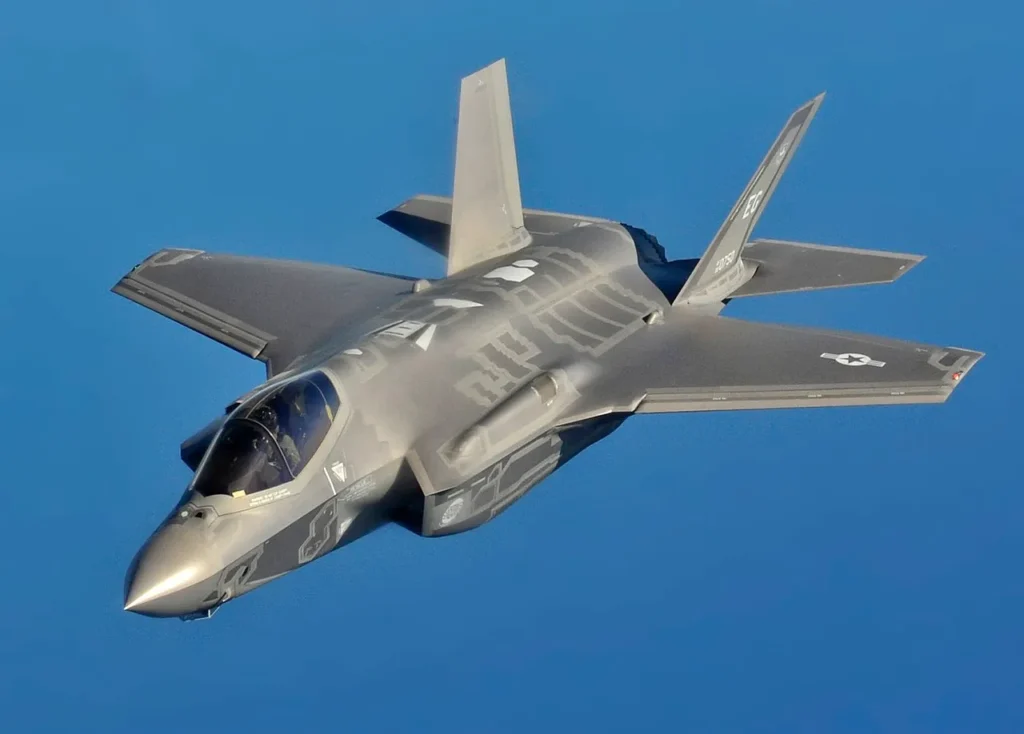
Preparing Northern Basing and Runway Upgrades
Canada relies on four Forward Operating Locations across the Arctic. Inuvik, Yellowknife, Iqaluit (YFB), and Goose Bay (YYR) provide dispersal points to shorten response times.
Inuvik’s 6,000-foot runway is being lengthened to 9,000 feet by the end of the decade to support both fighters and the upcoming Airbus A330 Multi Role Tanker Transports.
The runway project is complex due to permafrost and soil instability, but it is essential for new tanker operations. The F-35 variant Canada is purchasing includes a drag chute and tail hook, which helps in winter conditions, but still requires longer pavement. Infrastructure upgrades also cover fuel storage, weapons facilities, accommodations, and operational spaces.
McKenna expects northern infrastructure funding to draw heavily from Canada’s NORAD modernization plan. He also notes that southern operating bases in Comox (YQQ), Winnipeg (YWG), Trenton (YTR), and Greenwood (YZX) will host F-35s as needed.
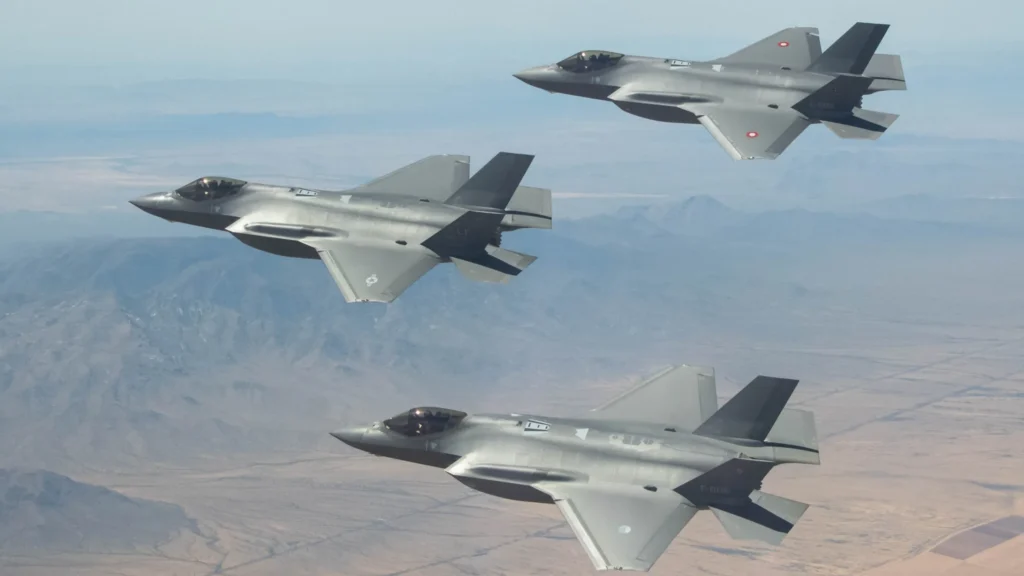
Building New Fighter Wings and Training Pipelines
Canada is rebuilding Cold Lake and Bagotville to accommodate the F-35A, replacing older hangars and facilities. Full operational occupancy is planned for 2030 to 2031.
Initial jets will be delivered in 2026 to Luke AFB for training. The first group of Canadian pilots heads to Arizona this year.
By late 2028, the first fighters are expected to reach Canada using temporary housing facilities until the new infrastructure is complete.
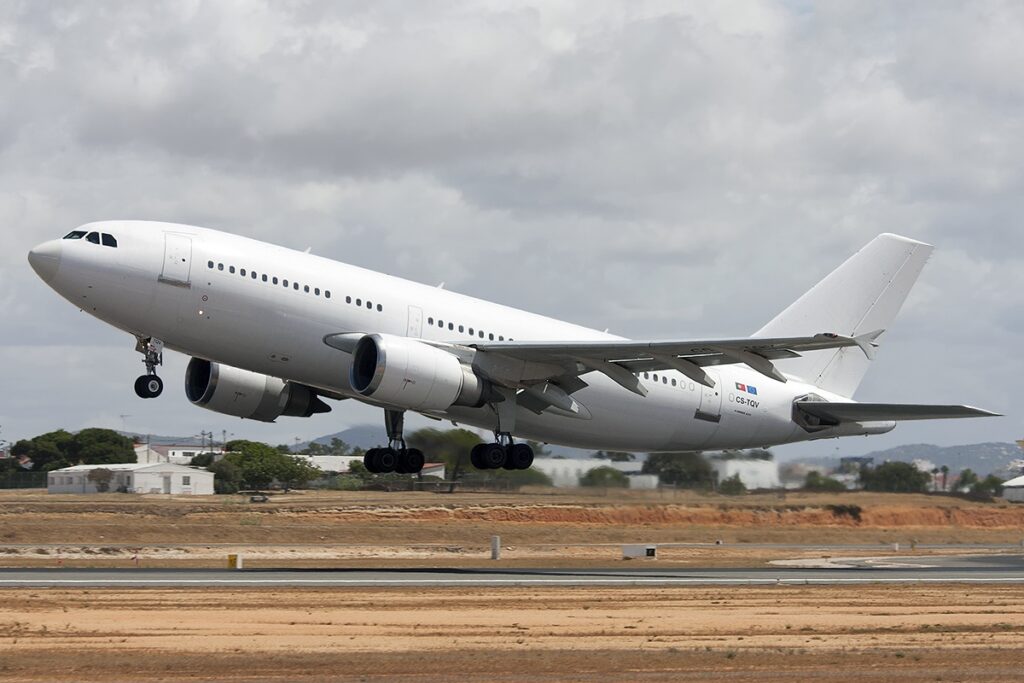
Tanker Expansion and Strategic Mobility
Canada’s current fleet of A310 tankers can only refuel probe-equipped fighters. The new A330 MRTTs will introduce boom refueling, which is required for F-35A operations. Canada acquired five lightly used A330s and four new builds. The first tactical tanker arrives in mid 2027, followed by a VIP transport.
Once the MRTT fleet is complete, Canada will expand from one tanker line of tasking to five. This shift allows Canada to support NORAD missions directly instead of relying on U.S. Air Force tankers based at Fairchild and Bangor. McKenna expects the handover to be completed around 2031.
Runway strengthening and expanded taxiway widths are underway at Trenton and Edmonton, including new shelters to maintain readiness during severe weather. Trenton’s northern ramp now requires a rail spur to support increased fuel deliveries.
Hornet Upgrades, Counter Drone Tools, and Future Weapons
The CF18 Hornet will remain in service until 2032. McKenna highlights recent upgrades, including the AN APG79(v)4 AESA radar and new AIM 9X and AIM 120D3 missiles. These changes support cruise missile defense and small target detection.
Canada is evaluating the Advanced Precision Kill Weapon System for counter-UAS missions, but no contract or formal recommendation has been made.
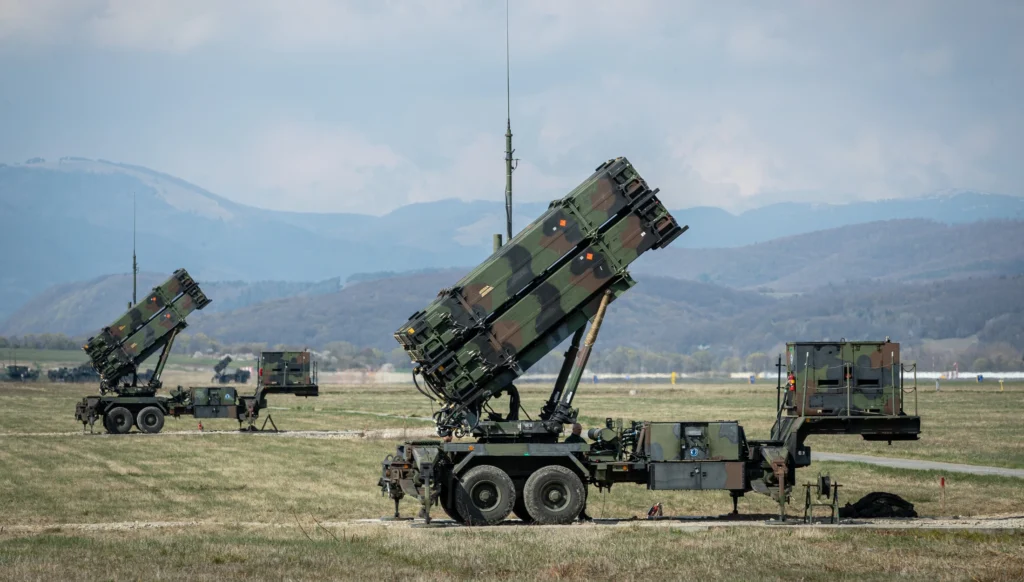
Layered Air Defense and Ground-Based Systems
High-volume missile threats cannot be addressed by fighters alone. Canada and the Army are exploring layered air defense that incorporates ground-based systems such as Patriot, IRIS T, and SAMP T.
The Army leads the procurement analysis, while Air Force officers are embedded to ensure interoperability with NORAD.
Canada already uses Saab’s RBS 70 for NATO forces in Latvia. Future systems must support both NATO deployments and homeland defense.
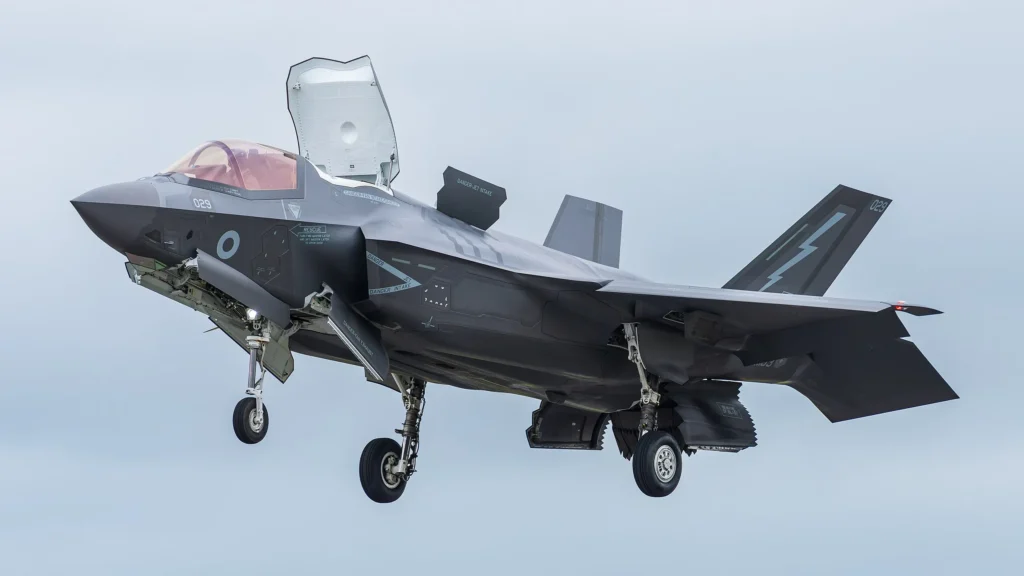
Fleet Size, Readiness, and F-35 Availability Rates
The planned fleet of 88 F35s was determined through operational research, balancing NORAD commitments, NATO expectations, and force generation needs. McKenna notes that the number remains sufficient for today’s threat environment, but future adjustments may be needed as adversary capabilities evolve.
On availability rates, he acknowledges GAO reporting but notes positive observations from operational users in Alaska and Wisconsin, who operate F-35s in cold climates. The key factor is a well-trained maintenance force and a strong domestic industrial base.
You can read the complete interview at The War Zone.
Stay tuned with us. Further, follow us on social media for the latest updates.
Join us on Telegram Group for the Latest Aviation Updates. Subsequently, follow us on Google News
