


International Civil Aviation Day is observed each year on December 7 to recognize the global value of civil aviation and the framework that keeps international air travel safe and orderly.
The date traces back to the signing of the Chicago Convention in 1944, the agreement that created the International Civil Aviation Organization and reshaped how nations cooperate in the skies.
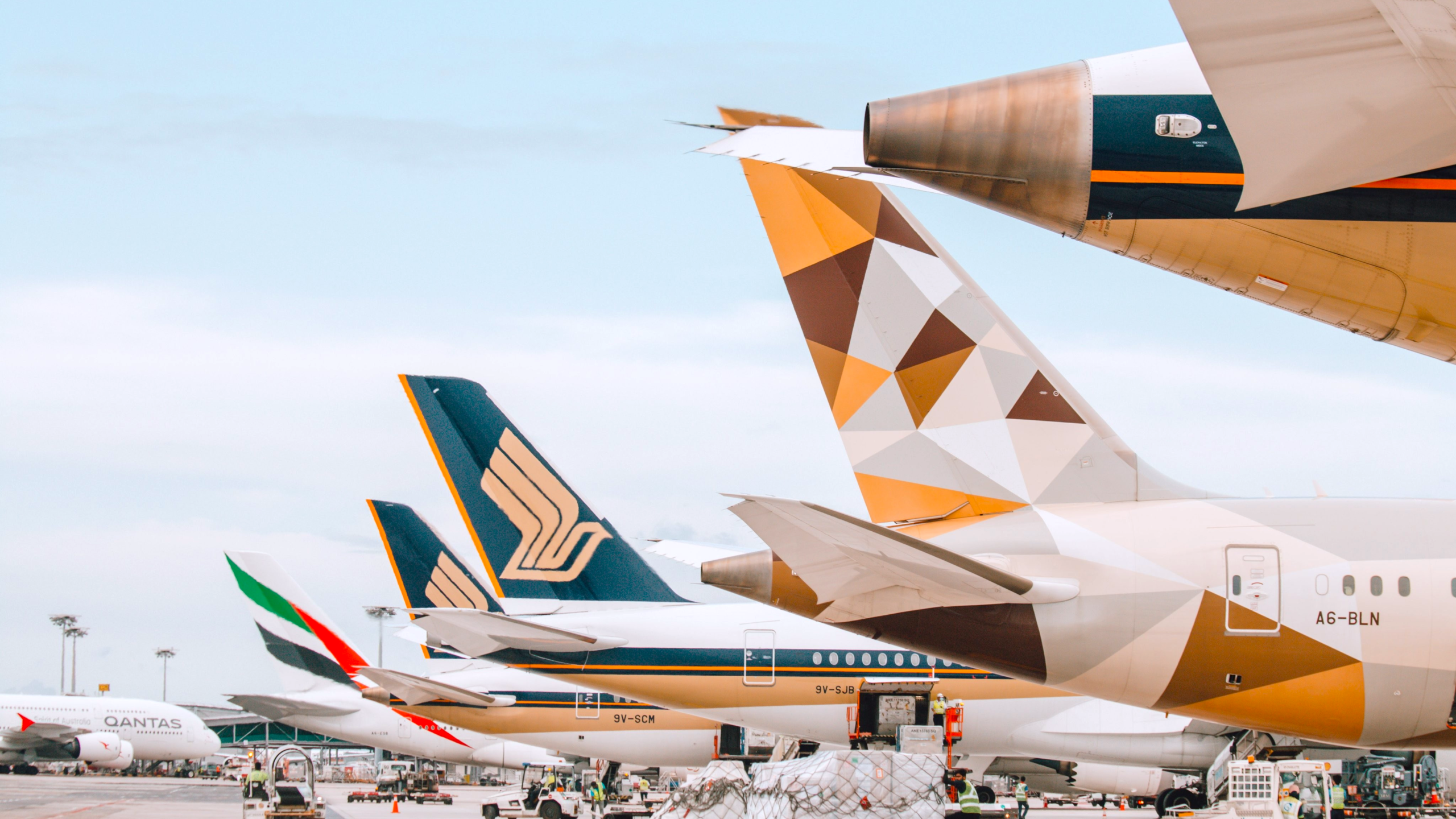
The origin and purpose of International Civil Aviation Day
International Civil Aviation Day was formally proclaimed by the United Nations General Assembly in 1996. However, the International Civil Aviation Organization had already begun marking the occasion in 1994, aligning it with the 50th anniversary of the Chicago Convention.
The purpose of the day is clear. It highlights how international air transport supports economic growth, social development, and global connectivity. It also reinforces the central role of ICAO in coordinating safe, secure, and sustainable aviation across borders.

The Chicago Convention and its global impact
The Convention on International Civil Aviation, commonly called the Chicago Convention, was signed on December 7, 1944, in Chicago by 52 states. It entered into force on April 4, 1947, following its 26th ratification, the same day ICAO officially came into existence.
The convention established the legal and technical foundation for international aviation. It defined national sovereignty over airspace, set principles for international air services, and created uniform rules for safety, security, navigation, and aircraft operations.
Over time, the convention has been amended eight times to reflect changes in technology and aviation practices.
As of March 2019, 193 states were parties to the convention, representing near universal global participation in a shared aviation system.
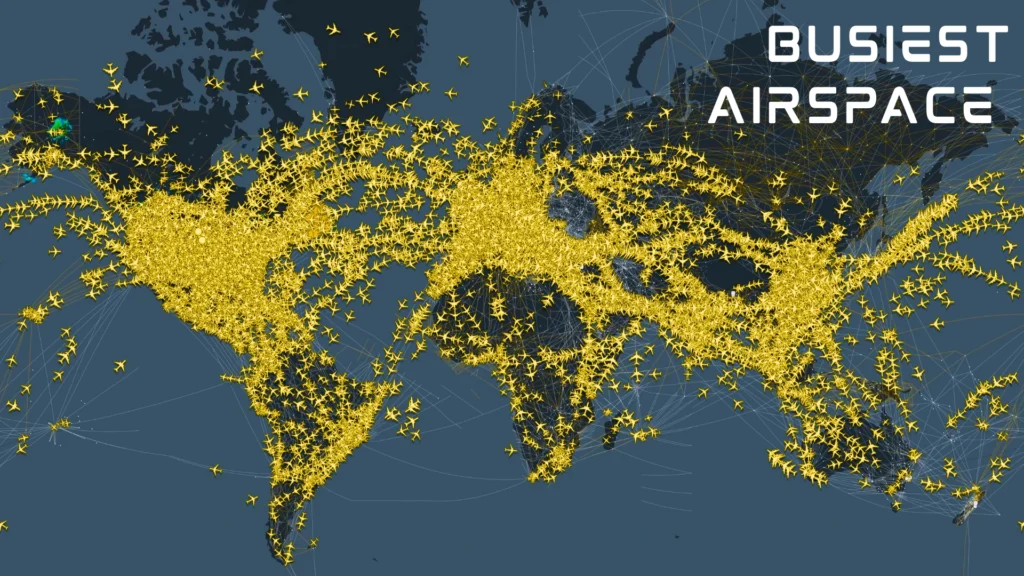
Core principles enshrined in the convention
Several key articles of the Chicago Convention continue to shape global aviation today. Every state holds complete sovereignty over the airspace above its territory.
States are prohibited from using weapons against civil aircraft in flight. Clear rules govern scheduled international air services, customs landings, entry procedures, and aircraft inspections.
The convention also standardizes requirements for aircraft documentation, crew licensing, radio communications, and the mutual recognition of certificates issued by other states, provided they meet agreed international standards. These provisions ensure predictability, safety, and fairness across international operations.
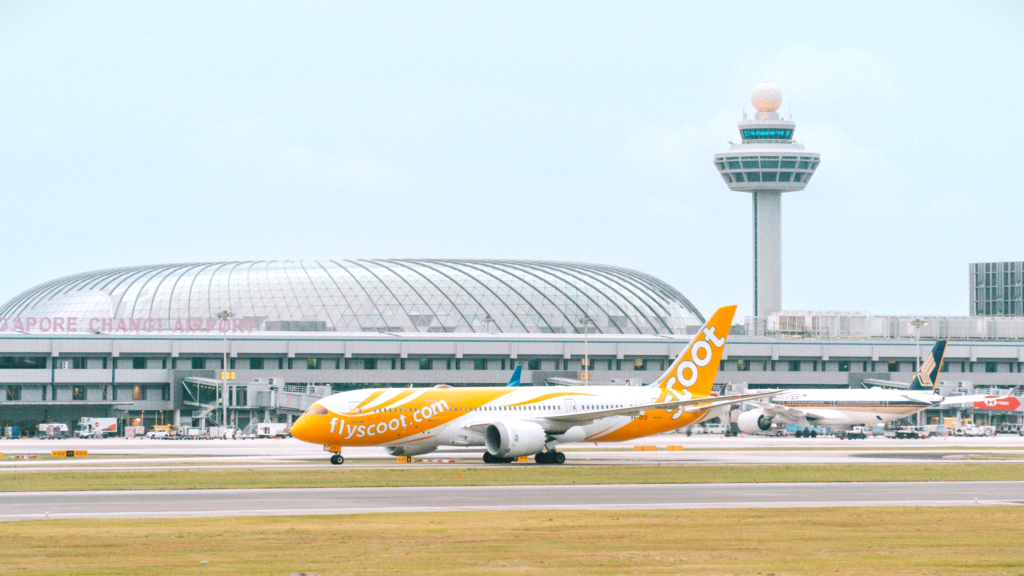
ICAO annexes and global aviation standards
The convention is supported by nineteen annexes containing Standards and Recommended Practices.
These annexes cover nearly every aspect of civil aviation, including personnel licensing, rules of the air, meteorology, aircraft operations, airworthiness, air traffic services, accident investigation, aviation security, and environmental protection.
Environmental provisions, such as aircraft noise standards, engine emissions limits, and the Carbon Offsetting and Reduction Scheme for International Aviation, reflect the sector’s growing focus on sustainability. The annexes are regularly updated to keep pace with operational and technological change.
International Civil Aviation Day in the modern era
International Civil Aviation Day now aligns closely with broader United Nations goals, including the 2030 Agenda for Sustainable Development. Aviation is recognized as a critical enabler of trade, tourism, humanitarian assistance, and international cooperation.
Every five years, ICAO marks milestone anniversaries with a dedicated global theme.
December 7, 2024, marked the 80th anniversary of the Chicago Convention, celebrating eight decades of coordinated international aviation and reaffirming commitments to safety, innovation, and environmental responsibility.
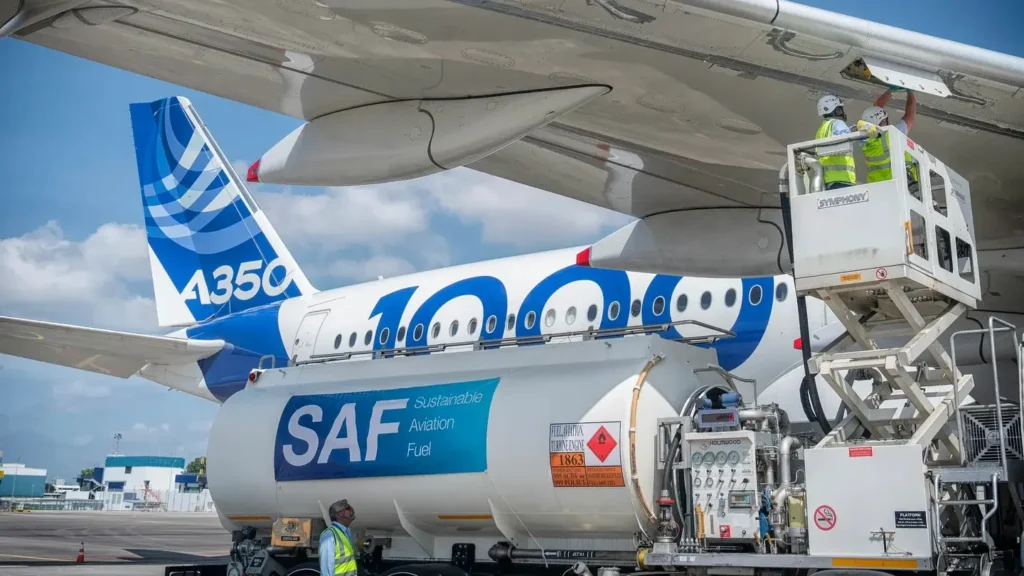
Looking ahead at aviation’s future
ICAO’s Strategic Plan for 2026 to 2050 outlines a long-term vision as global air traffic is projected to reach 12.4 billion passengers by mid-century. The plan emphasizes safety, security, economic viability, operational efficiency, and environmental sustainability.
Emerging technologies such as artificial intelligence, blockchain, and unmanned aircraft systems are expected to play an increasing role. ICAO supports these developments through flexible regulatory approaches that encourage innovation while preserving global harmonization.
International Civil Aviation Day remains a reminder that global aviation functions because nations choose cooperation over fragmentation, guided by principles first set down in Chicago more than eighty years ago.
Stay tuned with us. Further, follow us on social media for the latest updates.
Join us on Telegram Group for the Latest Aviation Updates. Subsequently, follow us on Google News
