

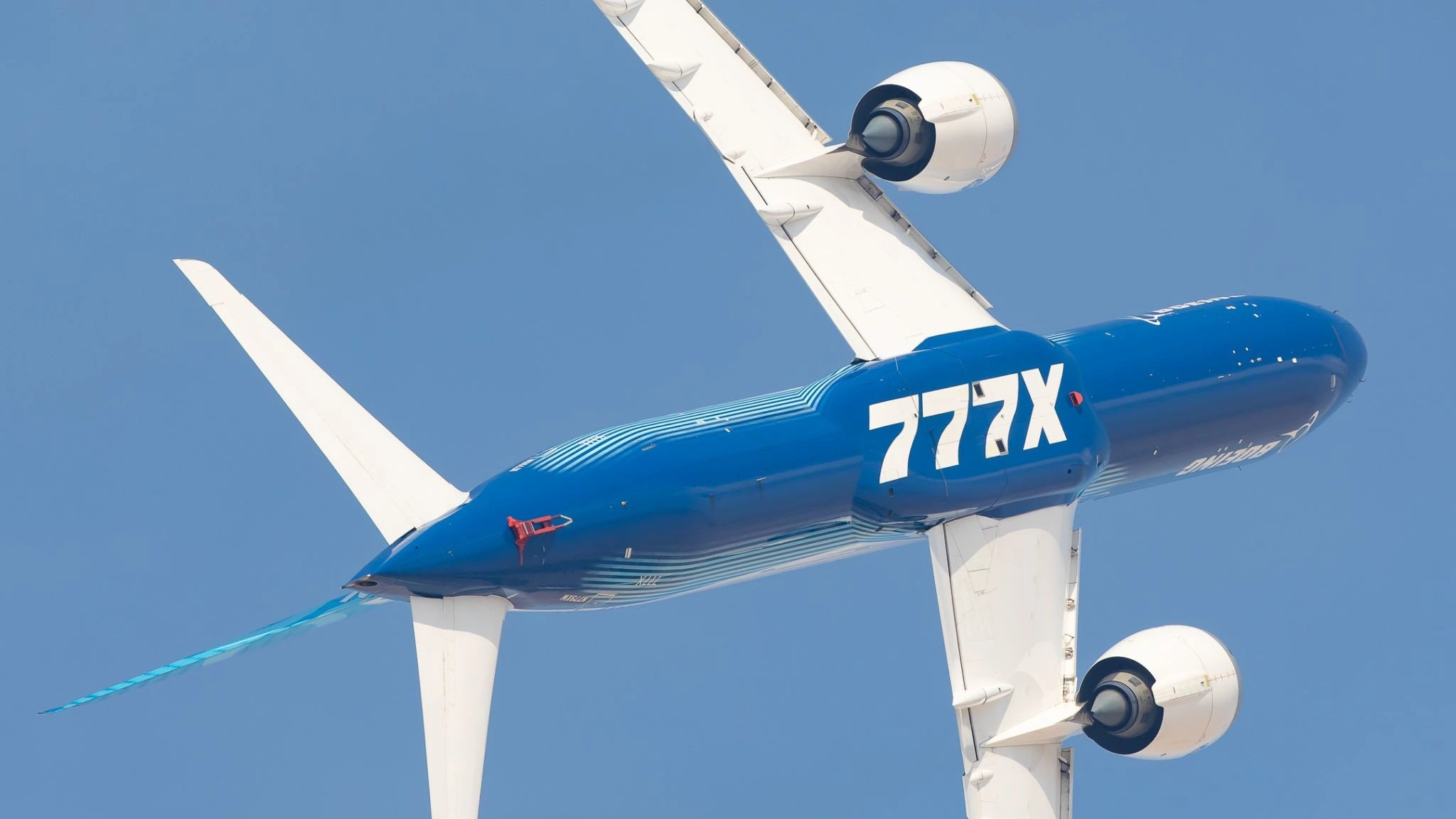
FORT WORTH- American Airlines (AA) is evaluating new widebody aircraft as it prepares for future fleet needs, while an American Airlines pilot has flown the Boeing 777-9 and praised the aircraft. The flight does not confirm an order.
The Boeing 777-9 program remains under certification, with Boeing targeting first delivery in 2027. American Airlines is currently considering aircraft from Boeing and Airbus as it plans its long-haul fleet for the 2030s.
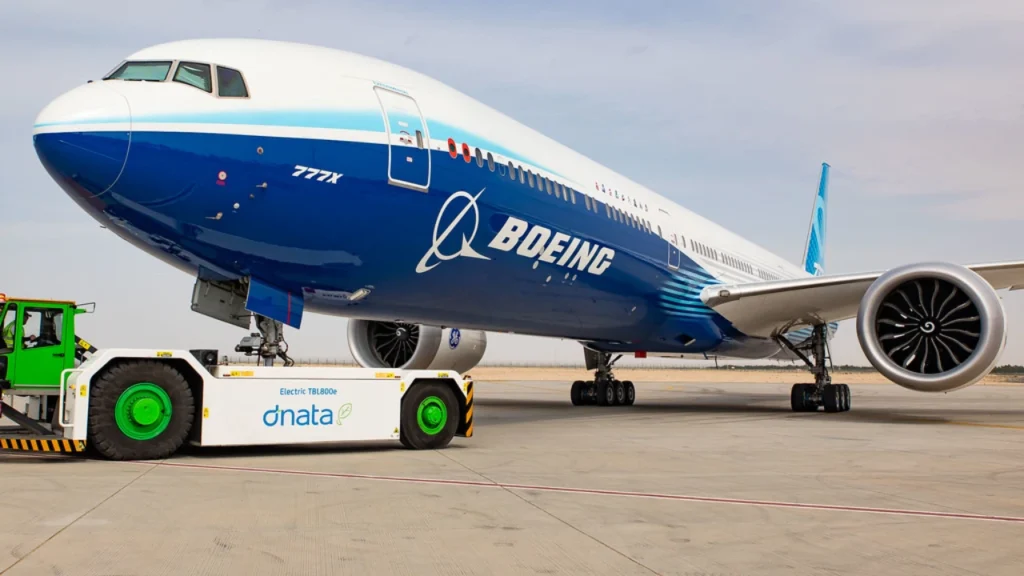
American Airlines Pilot Tests Boeing 777-9
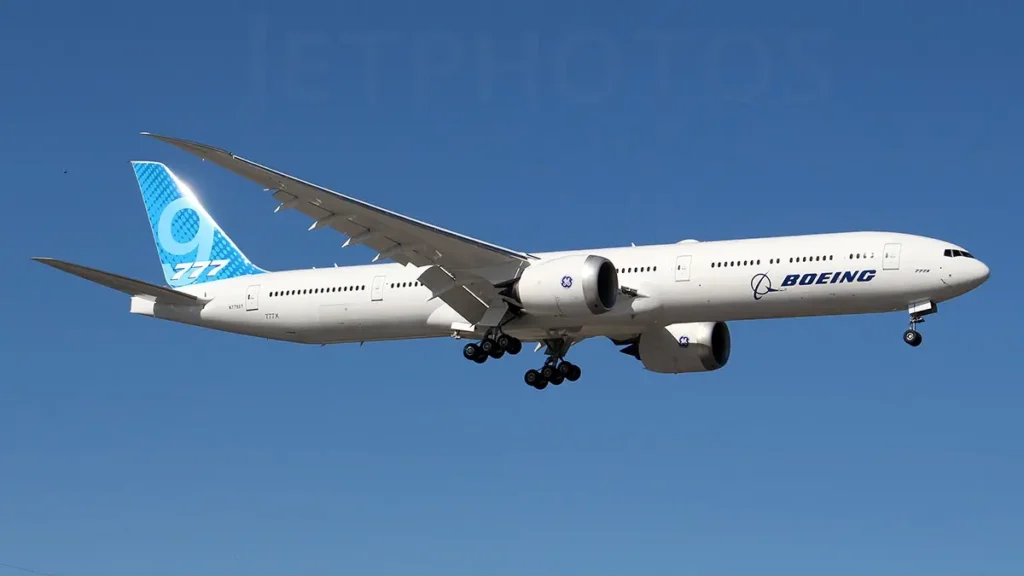
The American Airlines pilot described flying the Boeing 777-9 as a once-in-a-lifetime opportunity and called the aircraft amazing. She highlighted its folding wingtips and the large GE Aerospace GE9X engines.
The flight has attracted attention because American Airlines is actively evaluating new widebody aircraft. However, the pilot’s participation does not establish that American has selected the 777-9 or placed an order with Boeing.
Boeing has involved airline pilots in its 777-9 certification and human factors work. The manufacturer said more than 200 airline pilots participated in 118 days of human factors evaluations across seven locations, including Miami and Seattle. Crews from five airlines took part in the final phase.
Those evaluations primarily involved simulators, while the footage involving the American Airlines pilot shows time in the actual aircraft. That distinction makes the flight notable, but it still does not provide confirmation of an American Airlines 777-9 purchase.
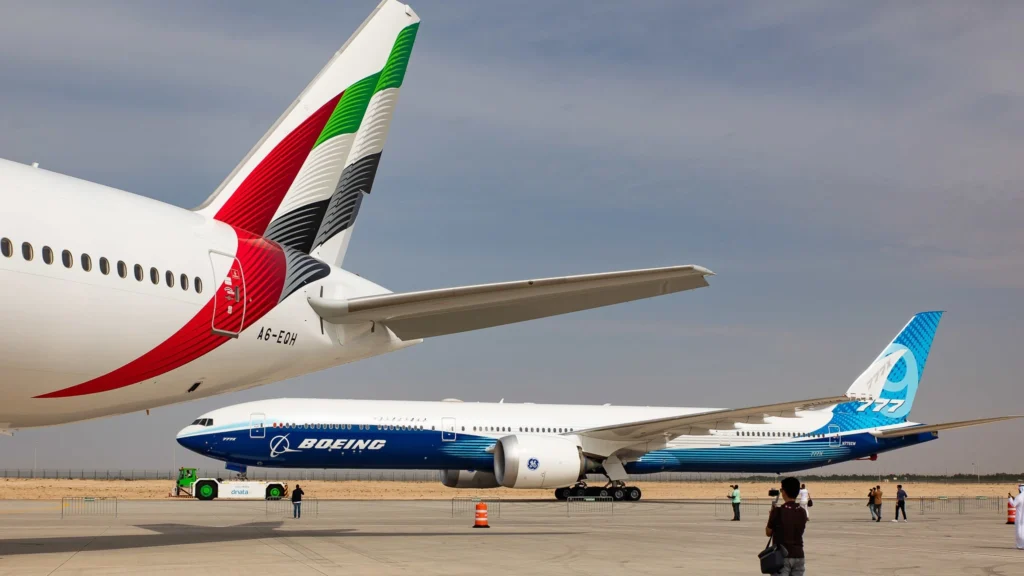
Boeing 777-9 Offers Major Capacity and Range
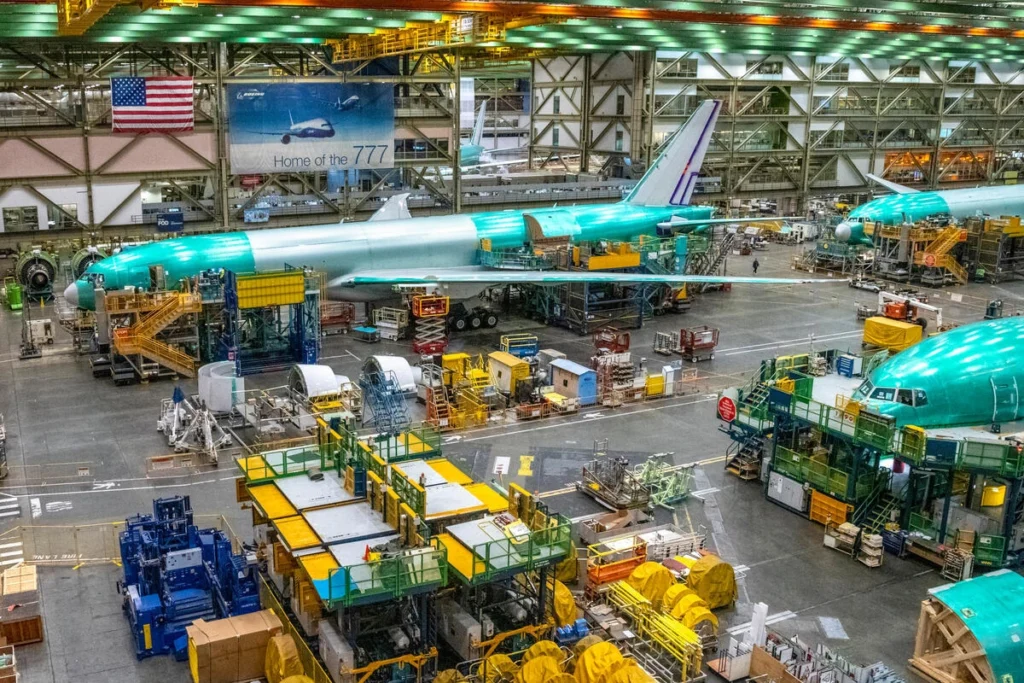
The 777-9 combines the basic fuselage architecture of the 777 with a new composite wing, an updated flight deck, and GE9X engines.
Boeing lists the aircraft with a two-class capacity of 375 to 450 seats and a range of up to 8,000 nautical miles. At 251 feet 9 inches long, the 777-9 is around nine feet longer than the 777-300ER.
The aircraft also introduces several cabin features associated with Boeing’s 787, including larger windows, lower cabin altitude, improved humidity, and a quieter cabin environment.
One of the 777X’s most distinctive features is its folding wingtips. The wing reaches 235 feet 5 inches during flight but folds to 212 feet 9 inches on the ground. The design allows the aircraft to achieve greater aerodynamic efficiency while remaining compatible with airport gates designed for existing 777 aircraft.
Boeing claims the 777X will provide approximately 20% lower fuel consumption than the aircraft it replaces and 10% lower operating costs than competing aircraft. These economics are particularly attractive when the aircraft operates with strong passenger demand.
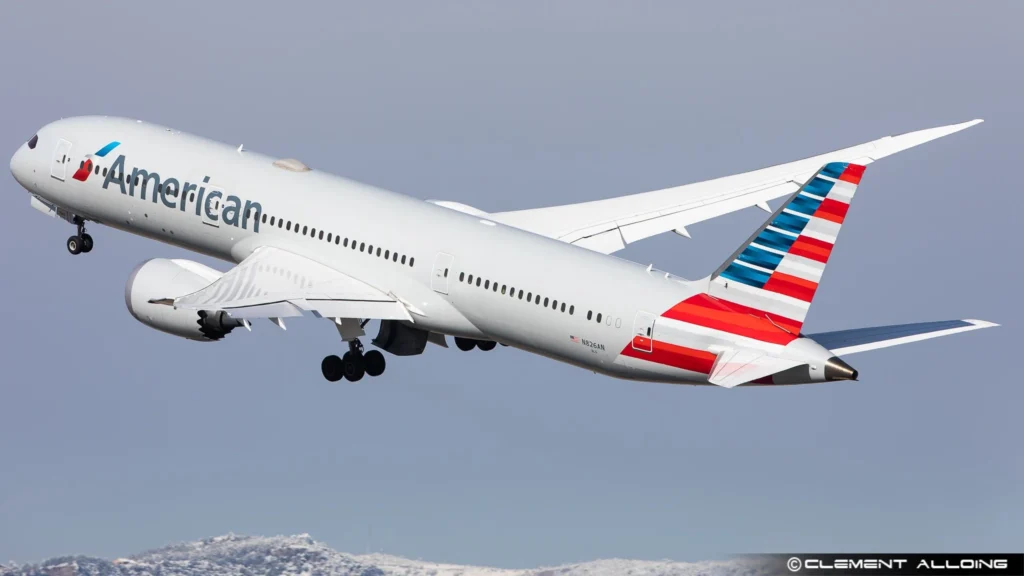
American Airlines Needs More Long-Haul Capacity
American Airlines significantly reduced its long-haul fleet during the pandemic. The airline retired 75 long-haul-capable aircraft, including 24 Airbus A330s, 17 Boeing 767s and 34 Boeing 757s.
The fleet reduction left American with fewer options when international demand recovered. The airline subsequently faced constraints during the strong transatlantic market between 2022 and 2024.
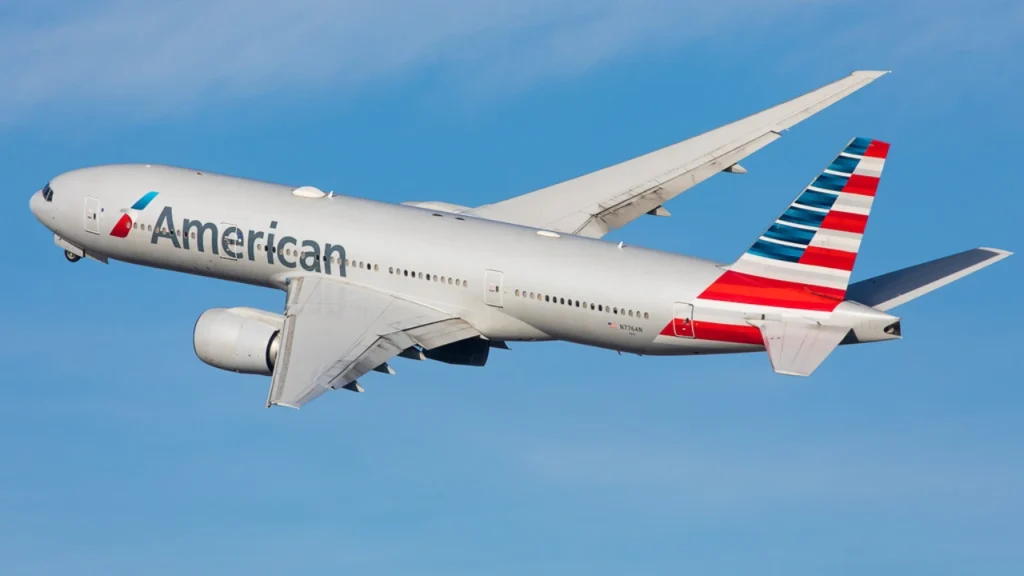
American Airlines continues to have 19 Boeing 787-9 aircraft on firm order, with options for another 28. The airline also operates 47 Boeing 777-200ERs and 20 Boeing 777-300ERs.
The 777-200ER fleet is significantly older, while the 777-300ER fleet is younger and better suited to high-demand international markets. American plans to retrofit and extend the service lives of existing aircraft, but some 777 retirements are expected during the 2030s.
Why the 777-9 Could Fit Part of American’s Fleet
A Boeing 777-9 order would not necessarily mean a one-for-one replacement of American’s 777-200ER fleet.
The 777-9 is a very large aircraft, and American has historically favored smaller widebody aircraft combined with higher frequencies on many routes. Additional Boeing 787-9s could therefore offer greater flexibility for a broad range of international markets.
Airbus aircraft also remain possible. American previously cancelled an A350 order inherited from US Airways, but the Airbus A350-900 and A330-900 remain potential alternatives for future fleet planning.
The 777-9 could make more sense as a replacement for the 20-aircraft 777-300ER fleet. American uses these aircraft on high-density international routes where additional capacity can be valuable, including services to London Heathrow, Tokyo and Australia.
A future fleet strategy could therefore combine additional 787-9s with a smaller 777-9 fleet. The 787-9 could handle growth and replace older 777-200ERs, while the 777-9 could provide additional capacity on the airline’s busiest long-haul routes.
Boeing 777X Certification Remains a Key Factor
The 777-9 has not yet received passenger-service certification. Boeing reported in July that 98% of its certification flight testing had been completed and maintained its expectation for first delivery in 2027.
The program has faced substantial delays compared with its original schedule. An eventual American Airlines order would therefore be a long-term fleet decision rather than an immediate capacity solution.
The absence of an existing U.S. airline order for the passenger 777X also makes American’s evaluation significant. However, participation by an American pilot in Boeing’s flight activity should not be treated as evidence of a finalized purchase agreement.
American Could Consider Multiple Widebody Options
American’s current fleet requirements leave several possible paths.
The Boeing 787-9 remains the most flexible option because of its size, range, and existing place within American’s fleet. The airline could also consider the Airbus A350-900 or A330-900 if the economics and operational requirements are favorable.
The Boeing 787-10 could also return to consideration. American CEO Robert Isom previously said the aircraft did not fit the airline’s network, but Boeing has since increased its certified maximum takeoff weight. American has also placed greater emphasis on premium international flying, potentially changing the aircraft’s suitability.
The 777-8 remains another Boeing option, but it is farther from passenger service than the 777-9.
For American, the key issue is therefore not simply whether the 777-9 is attractive. The larger question is how much capacity the airline needs on its highest-demand international routes and how that capacity should be distributed across its future widebody fleet.
Stay tuned with us. Further, follow us on social media for the latest updates.
Join us on Telegram Group for the Latest Aviation Updates. Subsequently, follow us on Google News
