


FORT WORTH- American Airlines (AA) is facing a US Department of Transportation (DOT) complaint over a policy that refunds passengers 40% of the ticketed fare on an affected segment after an involuntary cabin downgrade. The airline’s current Conditions of Carriage continue to state that formula.
The complaint focuses on whether a fixed 40% refund properly reflects the value of a premium cabin that was not delivered. A fare comparison between John F. Kennedy International Airport (JFK) and London Heathrow Airport (LHR) illustrates the size of the difference.
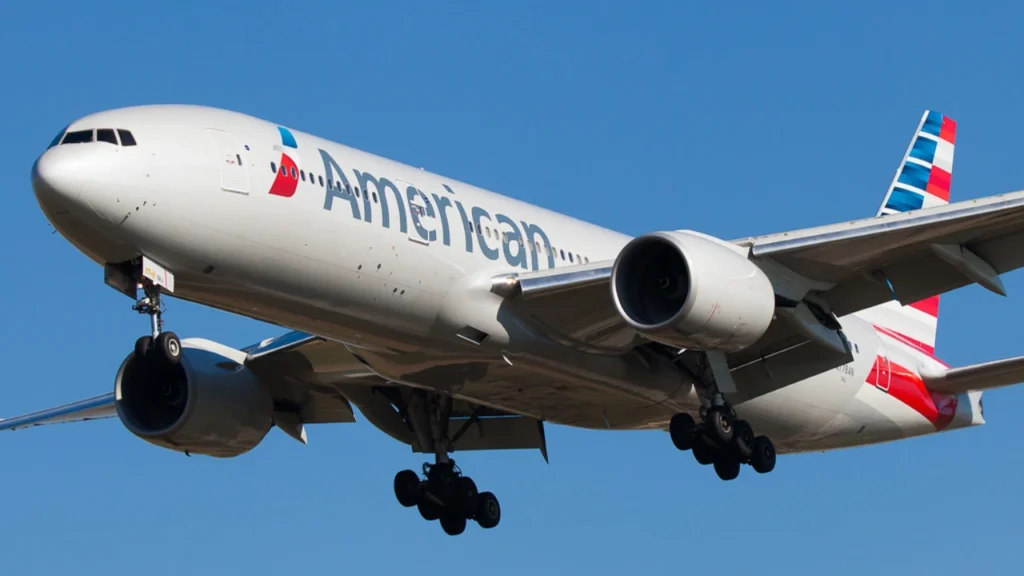
American Airlines’ 40% Refund Rule Under Scrutiny
American Airlines quietly changed its downgrade compensation rules and reflected the change in its Conditions of Carriage and International Tariff.
Under the current published Conditions of Carriage, a passenger involuntarily downgraded to a lower cabin receives a refund equal to 40% of the ticketed fare on the affected flight segment. The page is currently marked as updated May 12, 2026.
The change attracted scrutiny from Benjamin Edelman and Mike Borsetti, who filed a complaint with the DOT.
Their case page says the complaint challenges American’s 40% provision as improper, unfair and deceptive. As of the latest published update on August 26, 2026, the case status is listed as “Briefing underway.”
The JFK-LHR Fare Example
Edelman and Borsetti examined a one-way American Airlines fare between JFK and LHR approximately three days before departure. In their example, the lowest available coach fare was $949, while the lowest Business Class fare was $10,644.
Applying American’s 40% formula to the $10,644 Business Class fare would produce a refund of about $4,258. The passenger would then have an effective cost of about $6,386 for a coach seat.
The same analysis noted that American was selling a coach seat on that market for $949. That would leave the downgraded passenger paying about $5,437 more than the quoted coach fare after receiving the 40% refund.
That calculation is the core of the complaint’s argument. The percentage does not necessarily track the actual difference in market prices between the two cabins.
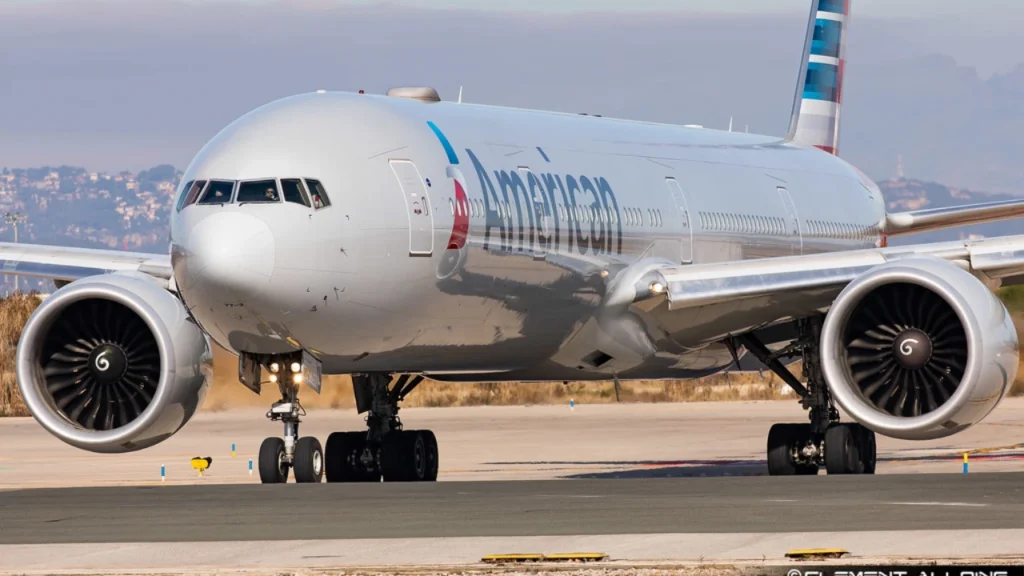
Analysts Argue for Much Larger Refund
Edelman and Borsetti also examined transatlantic airfare data compiled by Cirium. Their analysis cited an average one-way transatlantic coach fare of $435 in 2023, compared with $1,845 for Business Class.
Because the average Business Class fare was about 4.2 times the average economy fare, the analysts argued that appropriate compensation for a downgrade would be about 76%, rather than American’s fixed 40% refund.
They also estimated that the appropriate refund would be about 73% on transcontinental flights between JFK and Los Angeles and about 72% between LaGuardia and Dallas-Fort Worth.
Those percentages are the analysts’ proposed calculations. They are not refund rates established by the DOT.
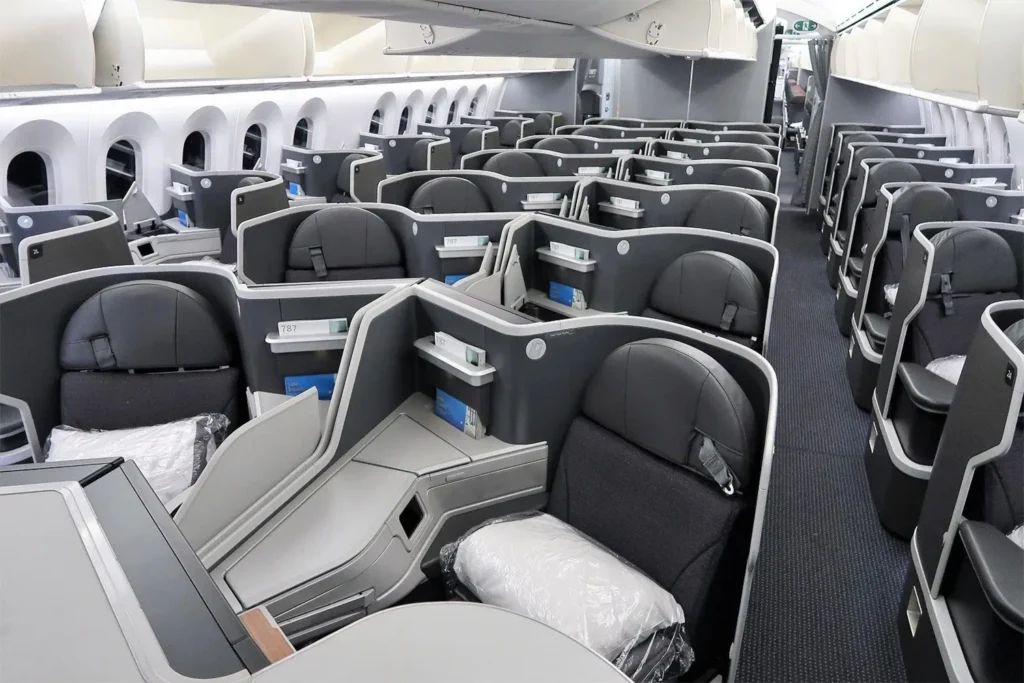
What Can Cause an Involuntary Downgrade?
An involuntary downgrade can happen for several reasons. The original complaint analysis cites broken seats and last-minute aircraft changes caused by maintenance or other operational issues.
In some cases, the downgrade can also occur when an airline has sold more tickets than the aircraft configuration can accommodate in a particular cabin.
The circumstances therefore can range from equipment problems to situations involving airline-controlled capacity decisions.
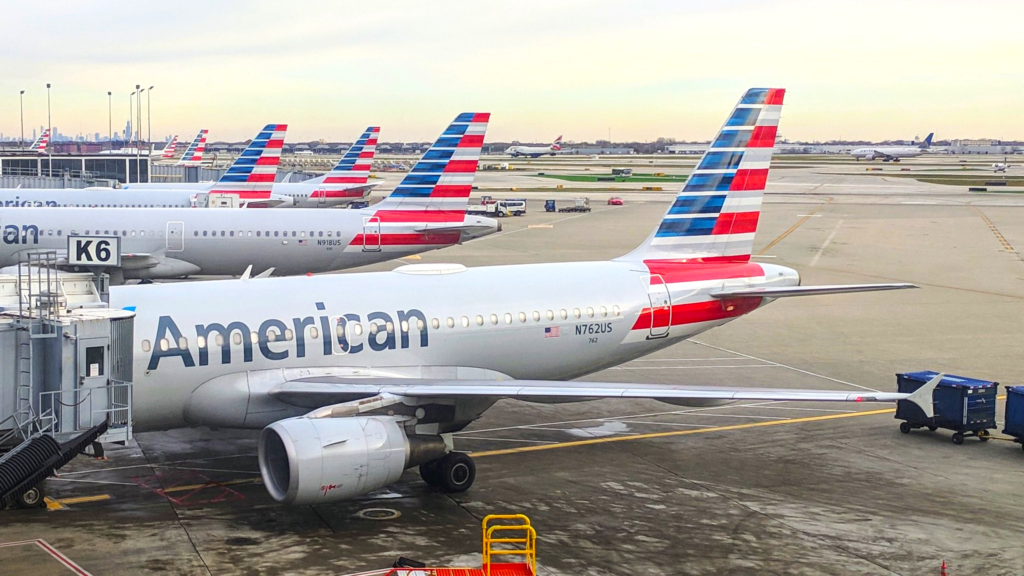
What DOT Rules Say About Downgrades
The regulatory dispute involves several different provisions, and their scope matters.
The DOT’s current consumer guidance states that an involuntary downgrade to a lower class of service is a significant change. If a passenger chooses not to travel because of the significant change, the passenger can receive a refund.
If the passenger continues traveling after an involuntary downgrade, the airline must refund the difference between the original fare and the downgraded fare.
Separately, 14 CFR §260.6 requires a full and prompt refund when a covered passenger holds a ticket for a canceled or significantly changed flight and chooses not to travel on the changed itinerary, accept rebooking, or accept alternative compensation.
The rule does not itself establish a universal 40% formula for passengers who continue traveling after a downgrade.
Edelman and Borsetti also cited 14 CFR §253.7, which addresses terms restricting refunds. The regulation provides that a carrier may not impose such terms unless the passenger receives conspicuous written notice of the relevant terms on or with the ticket.
The complainants argue that American’s downgrade policy conflicts with federal requirements because the 40% formula can leave passengers substantially under-refunded.
American Airlines Defends Its Methodology
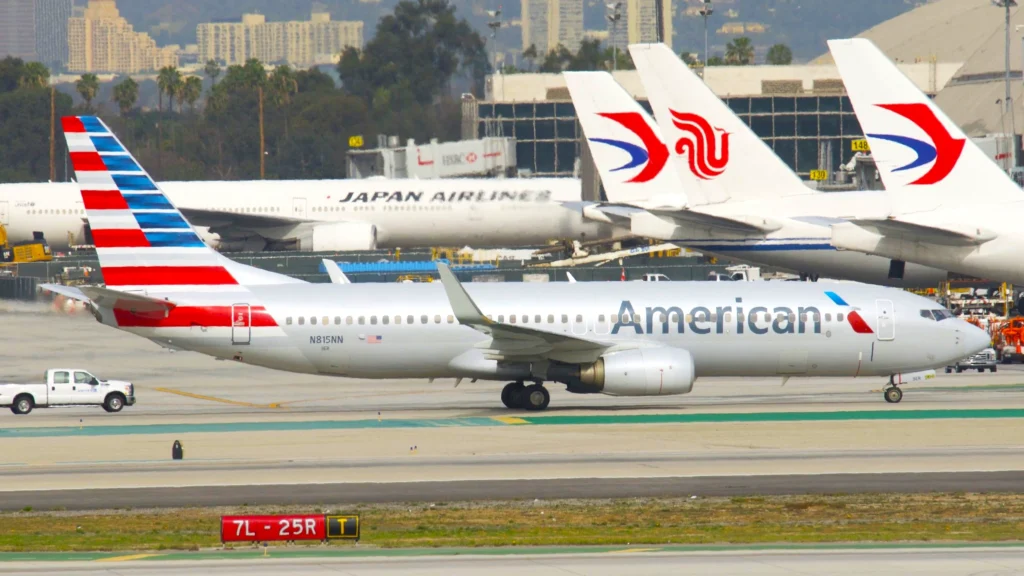
American has argued that airfare is highly dynamic and that calculating the exact lower-cabin fare for every downgrade can be difficult.
Rather than reconstructing a lower-cabin fare for each individual passenger, the airline chose what it described as a standardized proxy.
Its position is that a 40% refund returns a substantial portion of the fare while recognizing that the passenger still received the principal air transportation service on the selected flight.
American also argues that passengers can reject the downgraded travel and seek a refund instead. Its regulatory position therefore treats the 40% payment as the compensation applicable when the passenger continues traveling in the lower cabin.
American’s Argument Contains a Key Admission
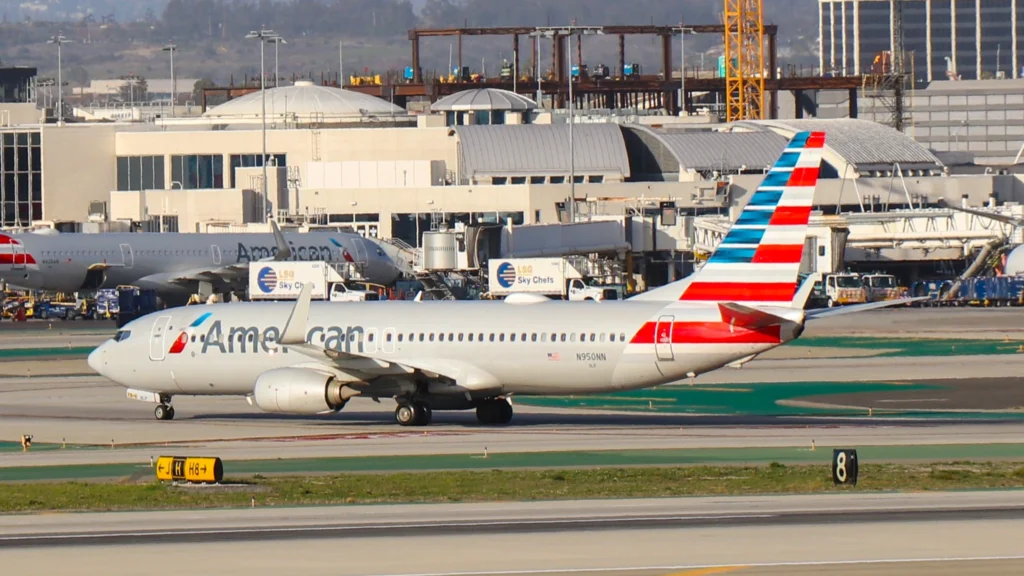
American’s response also acknowledged that the phrase “appropriate refund” may allow more than one calculation methodology.
That statement is significant because it leaves room for methods other than the airline’s original 40% formula.
Edelman and Borsetti argue that American’s own reasoning undermines its defense because the carrier is not only acknowledging multiple possible methodologies but is also moving to replace the 40% system.
American Is Changing the Refund Method
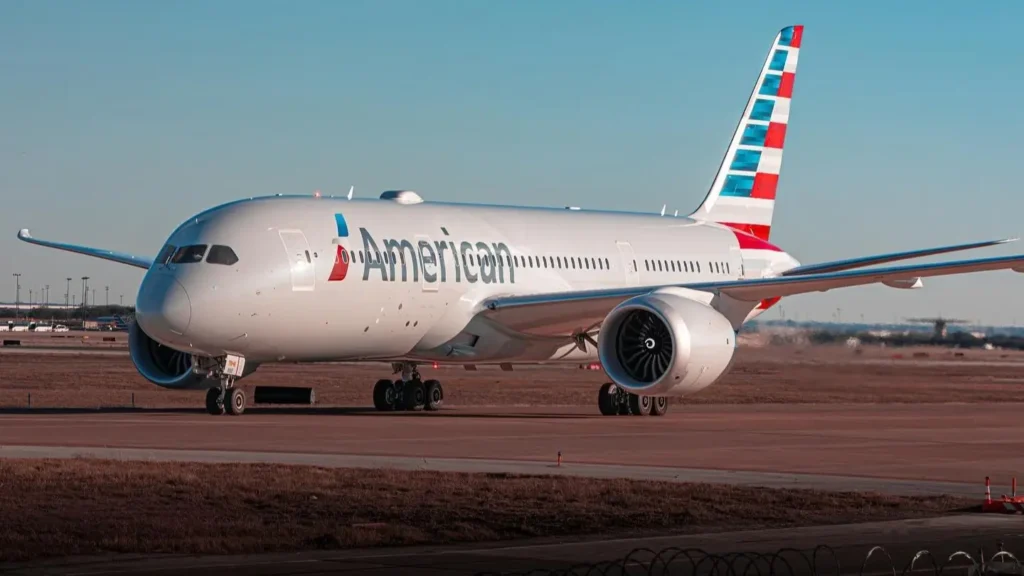
While defending the 40% rule before the DOT, American has been developing a replacement approach based on the average ticket price paid by passengers in the cabin to which the traveler was downgraded.
That would replace the fixed 40% formula with a calculation tied more directly to fares in the lower cabin.
Edelman and Borsetti argue that American would not overhaul a methodology it believed was already fully lawful and proper.
They asked the DOT to consider the treatment of passengers who may have been under-refunded under the earlier system and to ensure that any replacement methodology is adequate, filed and enforceable.
Complaint Remains Under Review
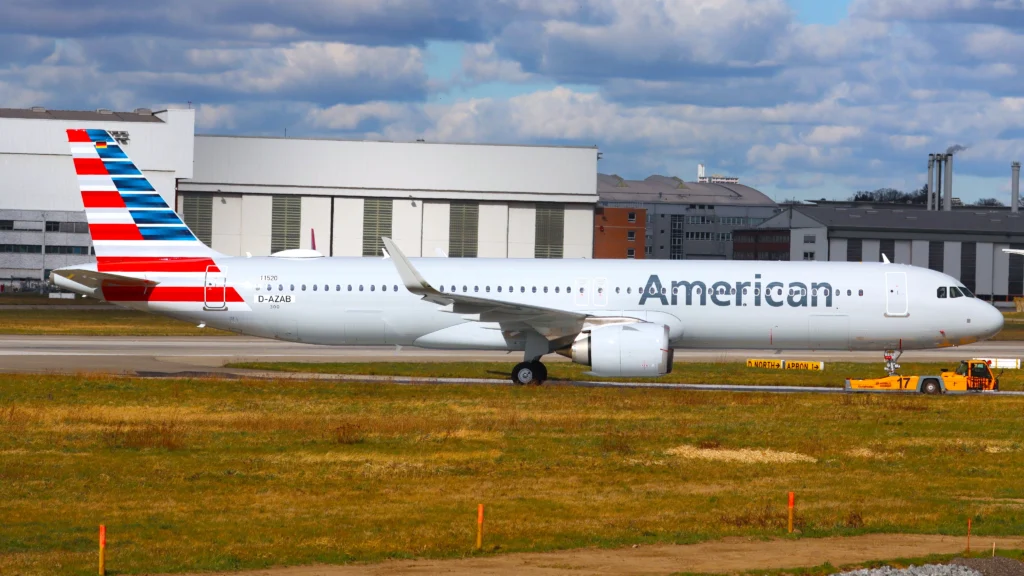
The latest case information published by Edelman lists the American Airlines downgrade compensation complaint as “Briefing underway.” The case page identifies the dispute as involving American’s revised Conditions of Carriage and International Tariff and its 40% refund provision.
The DOT has therefore not issued a final decision on the complaint at the time of the latest available case update.
PYOK has also covered the dispute as attention has grown around American’s downgrade refund policy.
What Dispute Means
The dispute comes down to how the value of a downgraded cabin should be measured.
American’s current published rule uses a fixed 40% of the ticketed fare on the affected segment. The complainants argue that the refund should instead reflect the actual difference between the premium fare and the value of the lower cabin, pointing to fare data where the gap is much larger than 40%.
The outcome will depend on how the DOT evaluates American’s existing methodology, the complainants’ fare-based analysis, and the airline’s proposed replacement.
Stay tuned with us. Further, follow us on social media for the latest updates.
Join us on Telegram Group for the Latest Aviation Updates. Subsequently, follow us on Google News
