


TORONTO- Air Canada (AC) has launched a new nonstop seasonal service connecting Toronto and Rio de Janeiro, expanding its South America network.
The three-times-weekly service operates through March 2026 and targets growing demand for leisure and cultural travel to Brazil.

Air Canada New Flights to Rio de Janeiro
The new Toronto–Rio de Janeiro route creates a direct connection between two major economic and cultural hubs.
It improves travel efficiency by removing the need for intermediate stops and positions Air Canada to capture strong seasonal demand during Brazil’s peak summer tourism period.
Air Canada views the route as part of its wider international expansion strategy. Rio de Janeiro already ranks among the most popular Brazilian destinations for Canadian travelers, and the new service is expected to accelerate inbound tourism growth.
The timing also aligns with Brazil’s current rise in international visitor numbers, driven by sustained tourism promotion and improved global connectivity.
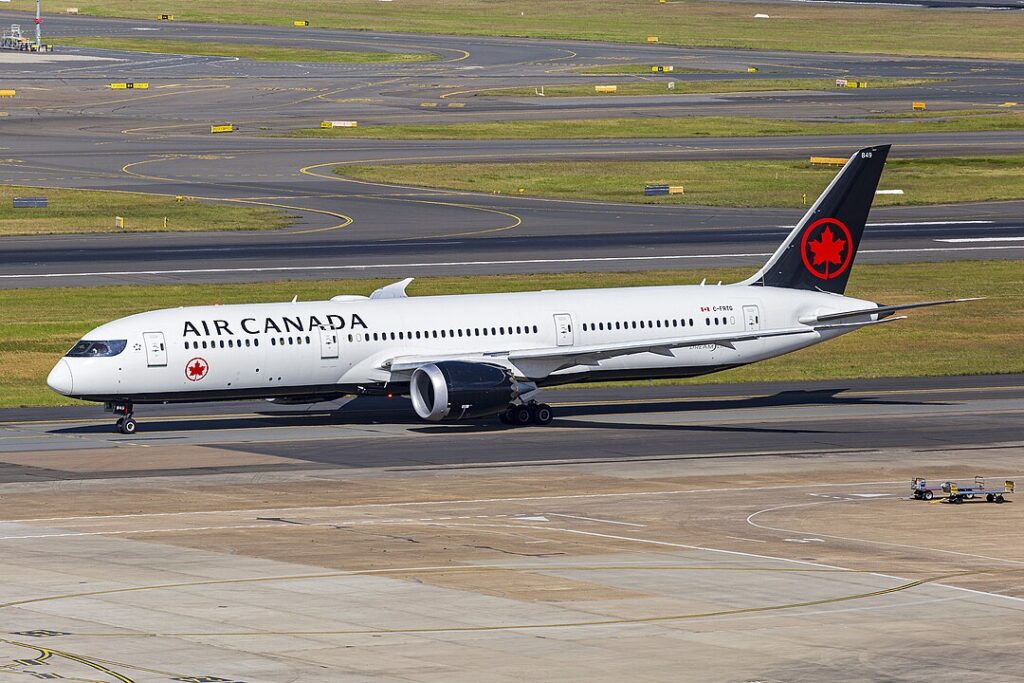
Aircraft, Cabin Options, and Onboard Services
Flights on the Toronto–Rio route are operated using the Boeing 787-9 Dreamliner. The aircraft features Signature Class, Premium Economy, and Economy Class cabins, offering flexibility for a wide range of travelers.
Aeroplan members receive complimentary onboard text messaging, sponsored by Bell. This benefit adds value for loyalty members, particularly on long-haul international flights.
Eligible customers departing from Toronto Pearson International Airport benefit from Air Canada’s premium ground services. These include access to the Air Canada Signature Suite, recognized by Skytrax for Business Class lounge dining, along with personalized Concierge service and Maple Leaf Lounge access in the international departures area.
These services are designed to support premium demand on long-haul routes and reinforce Air Canada’s positioning in the global airline market.

Tourism and Economic Impact for Rio de Janeiro
Local tourism authorities expect the Toronto connection to generate measurable economic benefits. The route strengthens Rio de Janeiro’s position in the North American market and supports higher visitor flows across the state.
Officials from Brazil’s tourism bodies and Rio’s airport operator have highlighted steady growth in Canadian arrivals over the past year. The new nonstop service is seen as a catalyst for deeper bilateral tourism, business travel, and event-driven traffic between Canada and Brazil.
Air Canada Network Overview
Air Canada is Canada’s largest airline and a founding member of Star Alliance. It serves more than 180 destinations across six continents and holds a Four-Star Skytrax rating. The airline’s Aeroplan loyalty program partners with 45 airlines worldwide.
Through Air Canada Vacations and Air Canada Cargo, the group maintains a diversified travel and logistics portfolio. Air Canada has also outlined a long-term ambition to achieve net-zero greenhouse gas emissions by 2050.

Rio de Janeiro Travel Guide
Rio de Janeiro blends dramatic landscapes, iconic landmarks, and lively urban culture into one of the world’s most visited cities. From Atlantic beaches to rainforest peaks, the city offers experiences across every travel style and budget.
This guide covers what to see, how to stay safe, typical costs, and when to visit. It is designed to help travelers plan efficiently while avoiding common pitfalls.
A City Defined by Nature, Culture, and Scale
Founded in the 16th century by the Portuguese, Rio de Janeiro has grown into a metropolis of more than 12 million people. The city’s identity is shaped by its geography, where mountains, rainforest, and coastline exist within the urban core.
Rio attracts backpackers, Carnival visitors, and luxury travelers in equal measure. While crime requires attention, informed planning and awareness allow visitors to experience the city confidently and responsibly.

Iconic Experiences That Define Rio
Christ the Redeemer and Corcovado
Christ the Redeemer stands 30 meters tall atop Corcovado Mountain and overlooks the entire city. Access is available via cog train, licensed vans, or hiking trails, although solo hiking is not advised for safety reasons.
Sugarloaf Mountain
Rising 396 meters above Guanabara Bay, Sugarloaf offers panoramic views of Rio’s coastline and skyline. The cable car ride is especially popular at sunrise and sunset.
Copacabana and Ipanema Beaches
Copacabana and Ipanema are the city’s most famous beaches, with constant activity and extensive dining options nearby. Barra da Tijuca, Prainha, and Leme provide quieter alternatives.
Carnival and Samba Culture
Rio Carnival is among the world’s largest festivals, centered on samba parades, street parties, and live music. Tickets and accommodation sell out months in advance.
Football at Maracanã Stadium
Football is central to Brazilian culture. Maracanã Stadium hosts matches featuring Flamengo, Vasco, Botafogo, and Fluminense, with tickets accessible to most budgets.
Additional Places Worth Exploring
Tijuca National Park
The world’s largest urban rainforest spans more than 8,300 acres and features hiking trails, waterfalls, and wildlife. Guided tours provide safer access and a deeper context.
Santa Teresa and Selarón Steps
Santa Teresa is known for its historic tram, hillside views, and artistic character. The nearby Selarón Steps display over 2,000 hand-laid tiles from artists worldwide.
Botanical Garden and Zoo
Rio’s Botanical Garden houses more than 8,000 plant species, while the city zoo focuses on Brazil’s native and endangered wildlife.
Museums and Historic Sites
Highlights include the Museum of Tomorrow, São Bento Monastery, Ilha Fiscal, and Sitio Roberto Burle Marx, each reflecting Rio’s scientific, religious, and architectural heritage.

Staying Safe in Rio de Janeiro
Petty crime is the most common concern, particularly at night and in crowded tourist areas. Visitors should avoid walking alone after dark, keep valuables concealed, and use licensed taxis or ride-hailing apps.
Visitors should avoid favelas unless accompanied by a licensed guide, refrain from renting cars, and remain alert in public transport. Emergency assistance is available by dialing 190. Travel insurance is strongly recommended.
Where to Stay
Choosing the right neighborhood is essential due to Rio’s size and traffic. Lapa suits nightlife-focused travelers, while Ipanema and Copacabana offer beach access and strong transport links. Staying near intended activities reduces travel time and cost.
Typical Travel Costs
Accommodation ranges from hostel dorms at 65 to 110 BRL per night to mid-range hotels and Airbnbs between 150 and 350 BRL.
Meals vary from 8 BRL street food to 80 BRL sit-down dining.
Public transport fares generally fall below 5 BRL per trip.
Daily Budget Estimates
Backpacker travelers can manage on approximately 215 BRL per day by using hostels, public transport, and free attractions.
Mid-range travelers should plan around 470 BRL per day.
Upscale travel starts near 825 BRL per day, excluding premium experiences.

Getting Around the City
Rio’s metro system is reliable and covers major areas, including Ipanema, Botafogo, and Barra da Tijuca. Ferries connect coastal and island destinations, while cycling is practical along beachfront routes.
Taxis and ride-hailing services are widely used and reasonably priced. Car rentals are not advised due to traffic conditions and safety concerns.
Best Time to Visit Rio de Janeiro
December to March offers peak summer weather with high temperatures and minimal rain. April to May and October to November provide milder conditions and fewer crowds.
Carnival in February brings higher prices and limited availability. Booking several months in advance is essential for this period.
Stay tuned with us. Further, follow us on social media for the latest updates.
Join us on Telegram Group for the Latest Aviation Updates. Subsequently, follow us on Google News
