

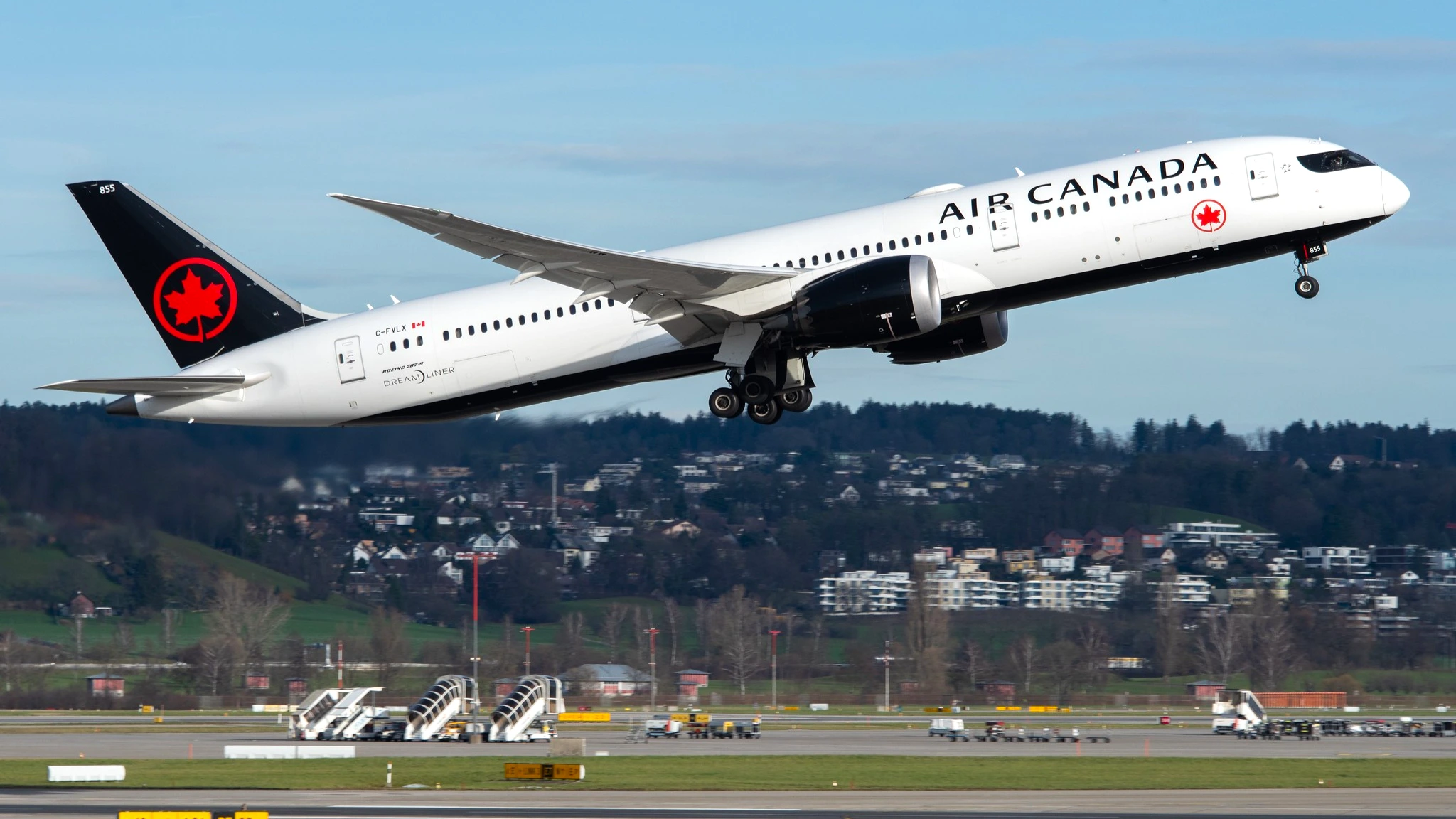
MONTREAL- Air Canada (AC) is expanding its sixth freedom strategy by routing Europe–Latin America traffic through Toronto Pearson International Airport (YYZ), Montréal International Airport (YUL), and Vancouver International Airport (YVR).
The airline reported a 10% increase in sixth freedom revenues in 2025 compared to 2024, reaching record levels.
Capacity growth toward Quito, Ecuador (UIO), Lima, Peru (LIM), and Rio de Janeiro, Brazil (GIG) supports this strategy, while European links from Palma de Mallorca, Spain (PMI), Toulouse, France (TLS), and Edinburgh, United Kingdom (EDI) strengthen connecting flows.
According to Aviation Week, improved schedule quality drove stronger transit performance despite softer US demand.
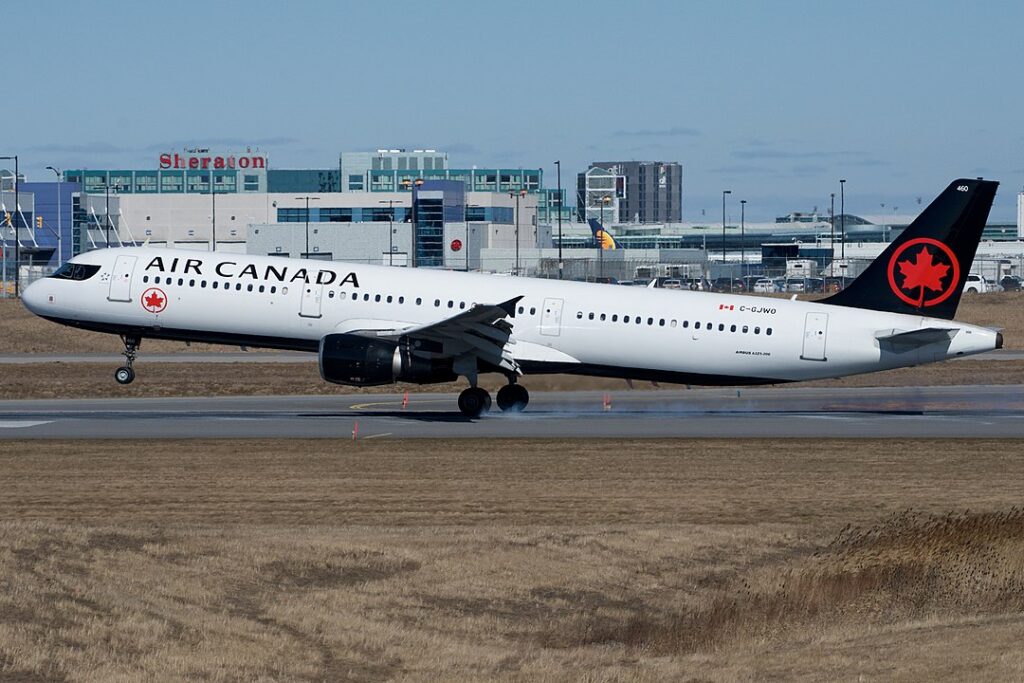
Air Canada Focus to Sixth Freedom Growth
Air Canada continues to use Canada’s geographic position to connect European travelers to South America and the Caribbean through its three major hubs.
Mark Galardo, Chief Commercial Officer and President Cargo, stated during a Feb. 13 earnings discussion that sixth freedom revenues increased 10% year over year in 2025, reaching record levels.
The airline clarified that South American growth does not represent a diversion of capacity away from the US market.
Instead, the strategy focuses on capturing incremental transit flows between Europe and Latin America.
Galardo described Latin America and the Caribbean as a broad geography with multiple demand segments that support network expansion.
For the winter season, Air Canada increased seat capacity from Canada to Latin America and the Caribbean by 16% year over year.
The airline will resume service between Toronto and Quito in December 2026 after suspending the route in March 2020. Flights to Lima and Rio de Janeiro will restart up to six weeks earlier than in winter 2025 to 2026.
The carrier also shifted some US transborder capacity into the Caribbean. Galardo reported positive load factors and positive yields in nearly every Caribbean destination, indicating strong absorption of added capacity.

US Transborder and Domestic Performance
Air Canada’s US transborder revenue declined 10.4% year over year in 2025 on a 9.6% reduction in capacity.
Traffic decreased 12%, while yields increased 1.9%. The airline expects current market conditions in transborder routes to remain stable in the near term.
Domestically, Air Canada projects approximately 5% capacity growth during the spring and summer seasons.
Demand and capacity remain balanced across Montreal, Toronto, and Vancouver. Exposure to weaker regional markets remains limited.
Corporate Demand and Long Haul Markets
Corporate demand across the North Atlantic recorded nearly 30% growth in traffic to Europe and the Pacific.
The airline attributes part of this increase to Canada’s efforts to diversify trade corridors. This demand supports long haul network stability and premium cabin performance.
Fleet Modernization and Capacity Outlook
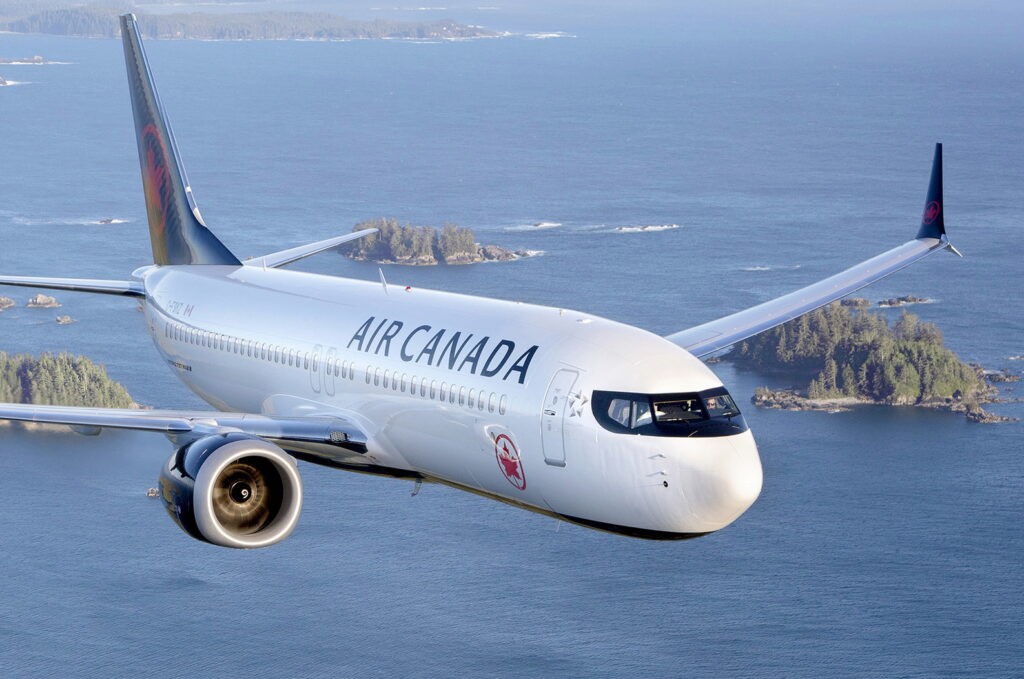
Air Canada expects delivery of 35 aircraft in 2026. Chief Financial Officer John Di Bert stated that capacity growth will be modestly constrained because many deliveries will occur in the second half of the year.
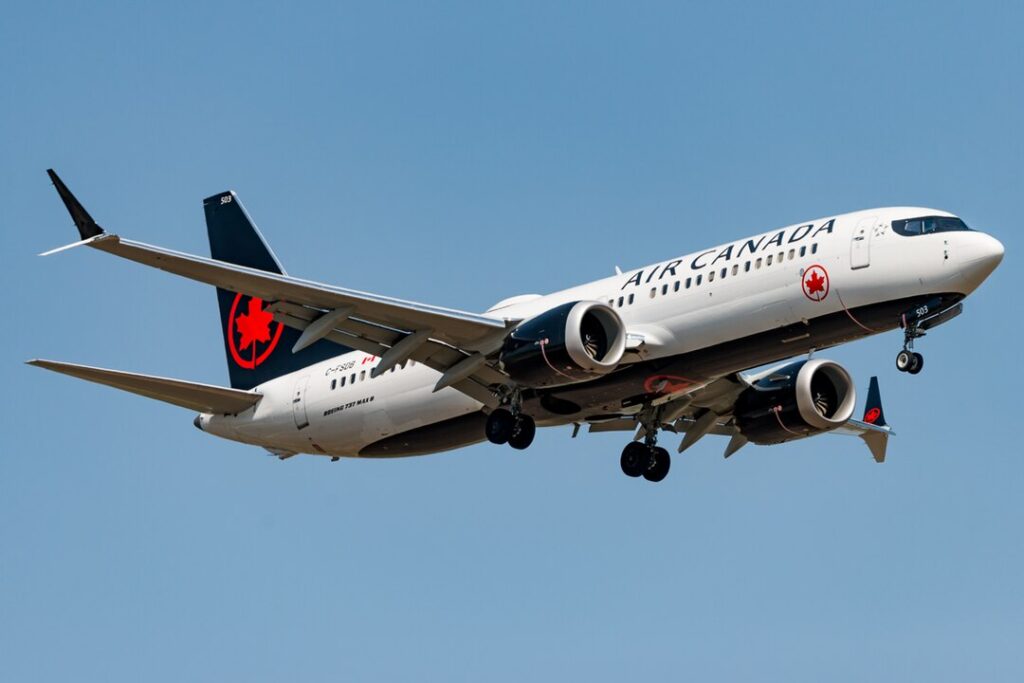
Available seat miles will also decline due to the transfer of Boeing 737 MAX aircraft to Rouge and planned retirements of older aircraft.
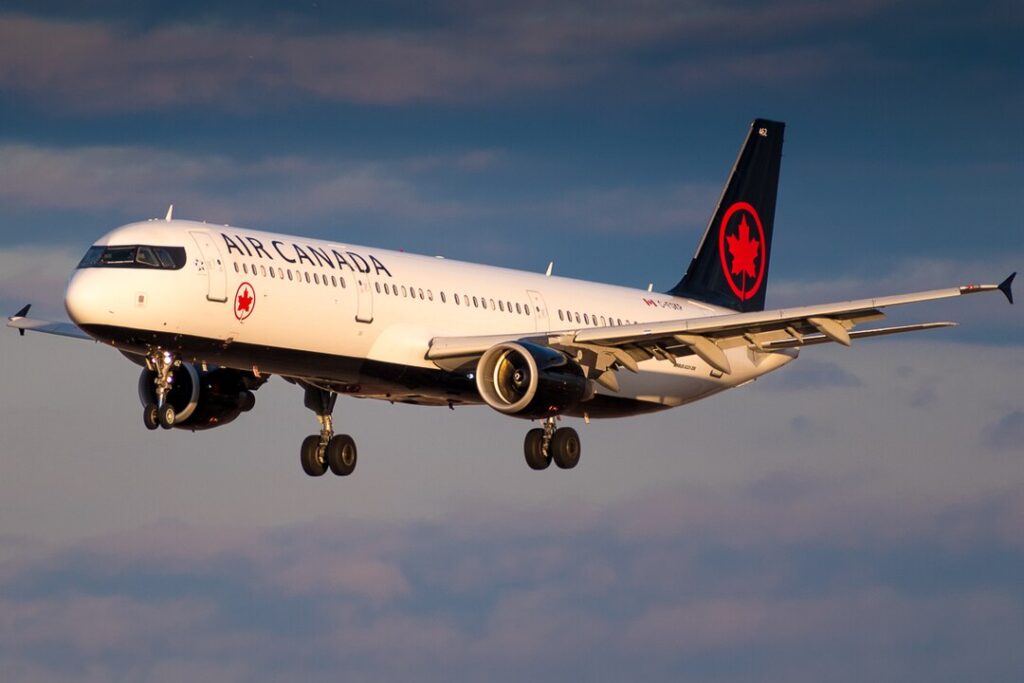
The first Airbus A321XLR will enter service early this year. The aircraft will operate seasonal service between Montreal and Palma de Mallorca, year round service between Montreal and Toulouse, and seasonal service between Montreal and Edinburgh.
The A321XLR will also support a consistent year round product on select North American routes to strengthen the airline’s premium offering.
Air Canada has ordered eight Airbus A350-1000 aircraft and secured purchase rights for eight additional units.
The firm aircraft will replace the airline’s oldest Airbus A330-300 fleet. The Aviation Week Fleet Discovery database shows Air Canada operates 18 A330-300 aircraft, with two currently inactive.
Financial Results Overview
For 2025, Air Canada reported net income of C$644 million, equivalent to $474 million, compared with C$1.7 billion in 2024. Operating revenues increased from C$22.2 billion to C$22.3 billion, while expenses rose from C$21 billion to C$21.4 billion.
Fourth quarter performance improved significantly. Net income reached C$296 million, reversing a C$644 million loss in the fourth quarter of 2024.
Revenue increased from C$5.4 billion to C$5.8 billion, while expenses declined from C$5.6 billion to C$5.4 billion.
Air Canada’s sixth freedom strategy reflects disciplined capacity management, targeted Latin American expansion, and long-term fleet modernization.
The approach positions the airline to capture transit growth between Europe and Latin America while maintaining balanced exposure across key markets.
Stay tuned with us. Further, follow us on social media for the latest updates.
Join us on Telegram Group for the Latest Aviation Updates. Subsequently, follow us on Google News
