

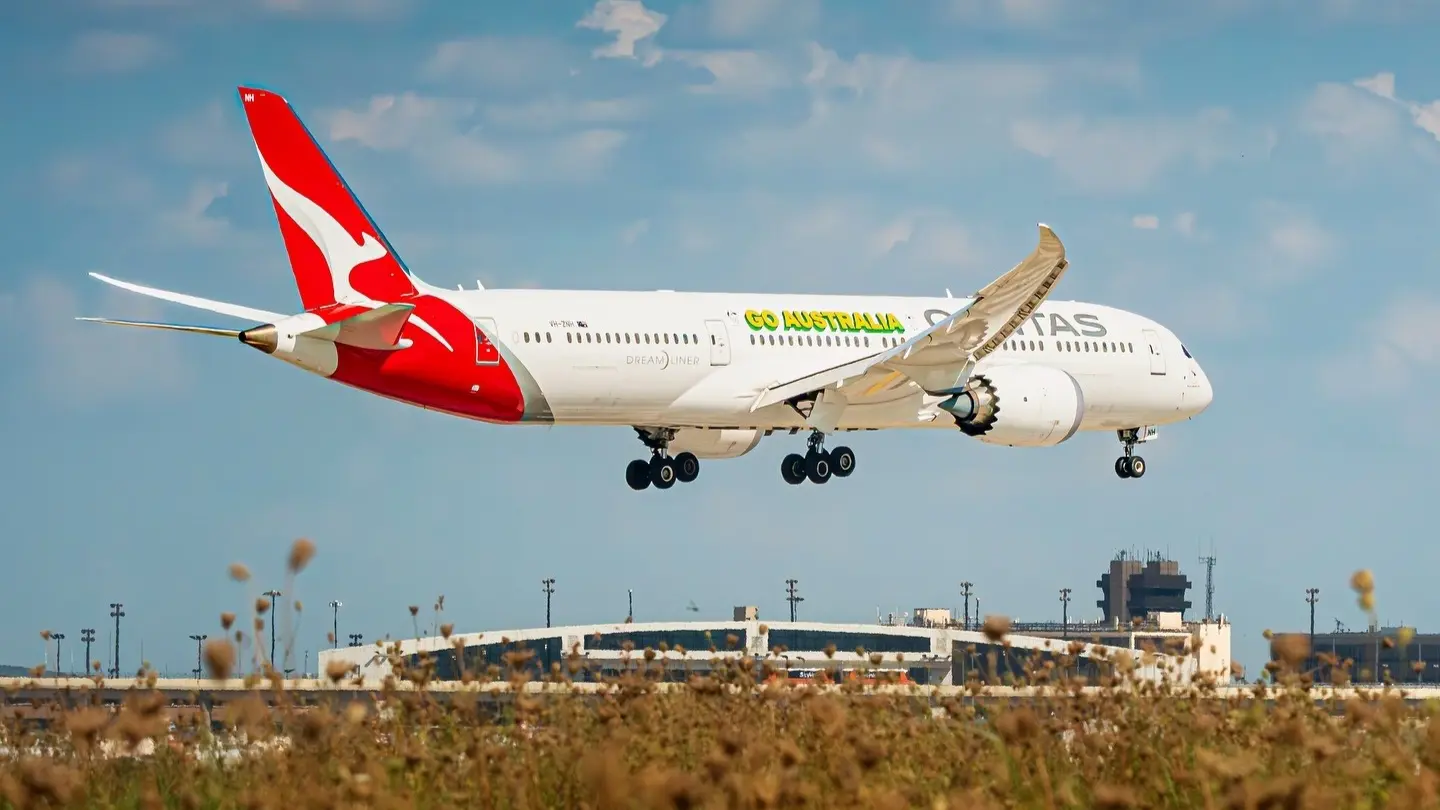
PERTH— A Western Australia case involving digital intrusion and aviation security concerns has resulted in a jail sentence for Michael Clapsis, a 44-year-old IT worker who created a fake in-flight Wi-Fi network designed to mimic the onboard service of Qantas (QF).
The incident first emerged when staff on a domestic flight operated by Qantas identified an unfamiliar network that closely resembled the airline’s official portal.

Fake Qantas WiFi Sting Exposes Hacker
Investigators found that Clapsis had deployed a modified Wi-Fi Pineapple device to create an “evil twin” hotspot. This network redirected passengers attempting to join the airline’s free Wi-Fi to his own service, enabling him to gather login information and other sensitive data.
He allegedly operated these networks both on aircraft and inside terminals, raising security concerns about passenger data protection and potential reputational damage to the airline.
The court heard that Clapsis attempted to remotely wipe his phone and delete more than 1,700 files from his laptop shortly after his activities were detected.

Years of Image Theft
Clapsis’s suspicious activity triggered an Australian Federal Police investigation, which later led to Clapsis’s arrest at Perth Airport (PER) in April 2024.
Authorities uncovered a sophisticated scheme that blended aviation-related cyber deception with years of privacy violations targeting women and girls through hacked online accounts.
Beyond the aviation-related cyberattack, police uncovered a separate pattern of offending dating back to 2015. Clapsis had been accessing or attempting to access private online accounts belonging to at least 17 women and girls.
Authorities found more than 700 images and videos in his possession, many involving nudity or sexual activity, and some belonging to minors.
Victim statements presented in court described shock, humiliation, and a persistent sense of vulnerability after learning their private content had been accessed without consent, ABC reported.

Clapsis Court Sentencing
During the sentencing hearing at the District Court in Perth, Judge Darren Renton described the conduct as “systemic” offending carried out over many years.
He said the actions severely impacted every victim, and he also noted the potential reputational risks that Qantas faced after the onboard Wi-Fi impersonation incident.
The court was told that Clapsis struggled with shame, had autism spectrum disorder, and had lost his job in April 2024 before attempting to work through irregular temporary jobs.
Clapsis was sentenced to a total of seven years and four months in prison and will be eligible for parole in 2030. He held his head in his hands as the sentence was read, while prosecutors emphasized the seriousness of both the cyberattack and long-term privacy breaches.
Bottom Line
The case highlights the scale of damage a single fake Wi-Fi network can cause within the aviation environment, particularly when paired with wider cyberoffending.
For airlines and passengers, the incident reinforces ongoing concerns about data security, network spoofing, and digital trust onboard flights.
Clapsis’ jail term concludes a multi-layer investigation that combined aviation operations, cybersecurity, and online privacy enforcement.
Stay tuned with us. Further, follow us on social media for the latest updates.
Join us on Telegram Group for the Latest Aviation Updates. Subsequently, follow us on Google News
