

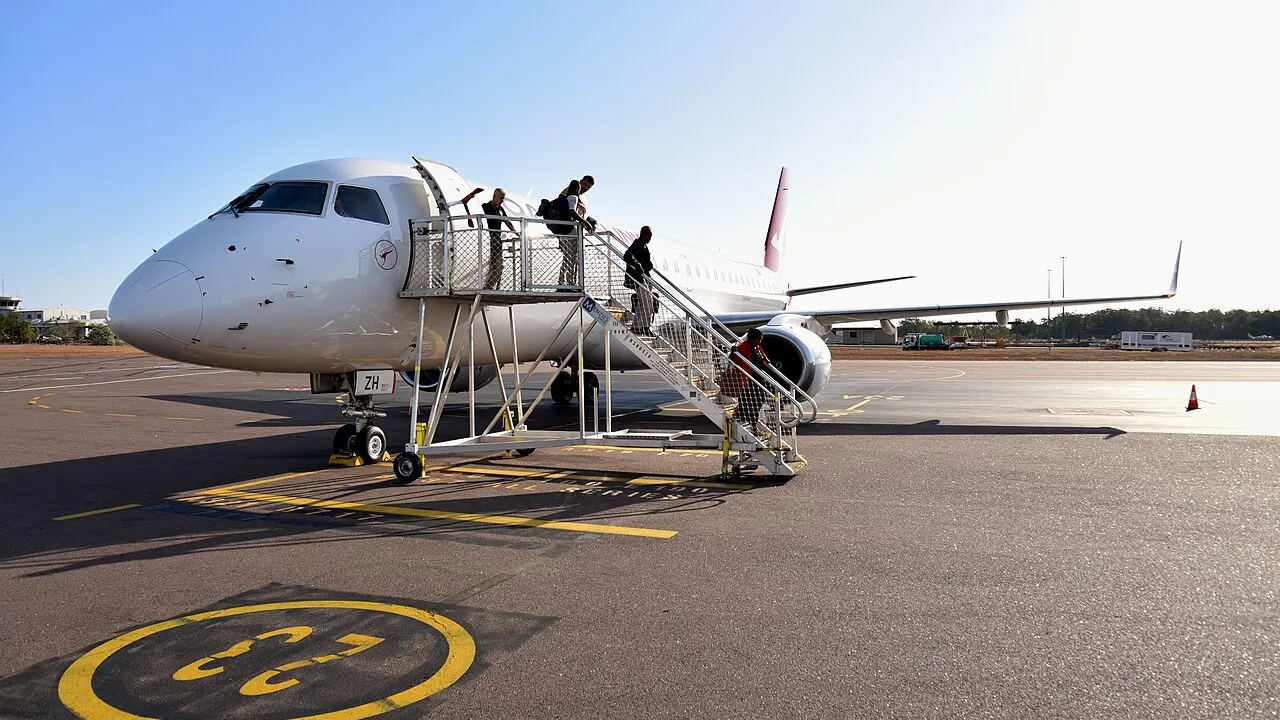
SYDNEY– Qantas Airways (QF) has proposed procedural changes to how aircraft doors are opened and closed, saying the move will enhance safety and streamline ground operations.
The proposal follows a recent incident involving Jetstar (JQ), a subsidiary of the Qantas Group, in which a plane taxied for departure with a cargo door left open at Sydney Airport (SYD). While no passengers were in danger, the event prompted heightened scrutiny of ground-handling.
Qantas Door Safety Changes
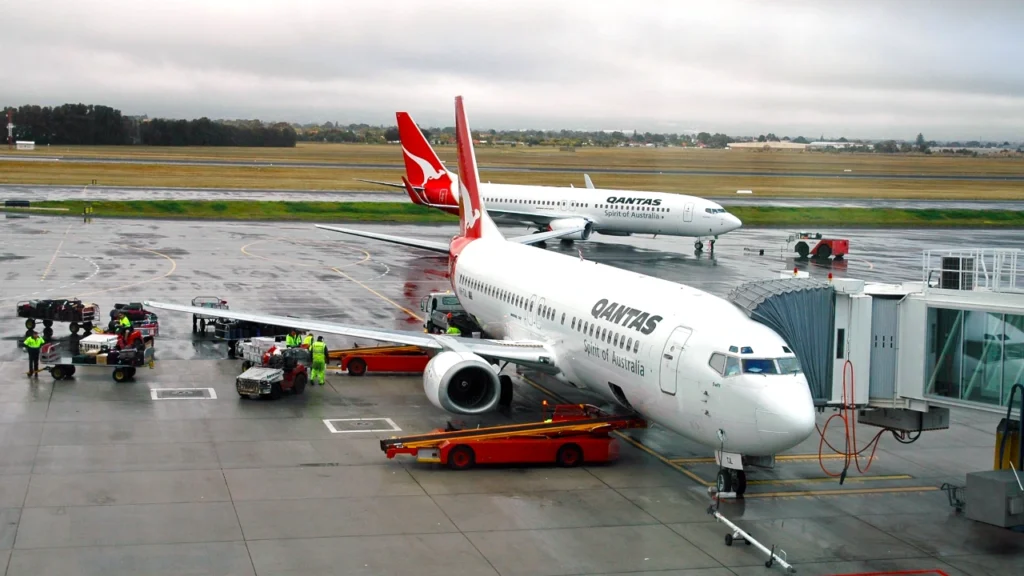
Qantas said its review found that overlapping responsibilities between ground service providers and customer service agents contributed to near misses involving door and stair operations.
By allowing a single team to manage both functions, the airline believes it can minimize confusion and strengthen accountability.
A Qantas spokesperson, who was quoted in Australian Aviation, said the change would “make our operations more safe, not less,” emphasizing that no customer service agent roles or hours would be affected.
The airline added that the revised procedure aligns with global industry best practices and is already in place across QantasLink, Jetstar, and its international stations.
The update would assign a single workgroup to handle both aircraft stairs and door operations, consolidating responsibilities currently shared between different teams.
The company confirmed that consultations are underway with its Health and Safety representatives before implementing the changes, reiterating its position that the plan is safety-driven, not cost-cutting.
Australian Union Pushes Back
The Australian Services Union (ASU) has strongly opposed the proposal, arguing it could undermine in-house safety oversight and open the door to outsourcing key operational tasks.
ASU Assistant National Secretary Scott Cowen criticized the airline, saying the move shifts responsibility for staff and passenger safety to third-party handlers:
For Qantas to claim this is about reducing risk is cynical and misleading…Our members do vital work each day to ensure safe and secure travel. Shifting responsibility is not the way to go.
Cowen also pointed to the Jetstar cargo door incident as evidence of what can happen when safety-critical duties are handled externally, adding
Highly trained, directly employed Qantas staff provide a level of safety that cannot be replicated by an outsourced model
Bottom Line
Qantas maintains that no outsourcing will occur as part of this procedural shift and that the move reflects practices already in use across other airlines globally.
While unions remain skeptical, the carrier insists the change will reduce risks and improve control during ground operations.
As discussions continue, both sides agree on one point: ensuring safety remains Qantas’s top priority.
Stay tuned with us. Further, follow us on social media for the latest updates.
Join us on Telegram Group for the Latest Aviation Updates. Subsequently, follow us on Google News
