

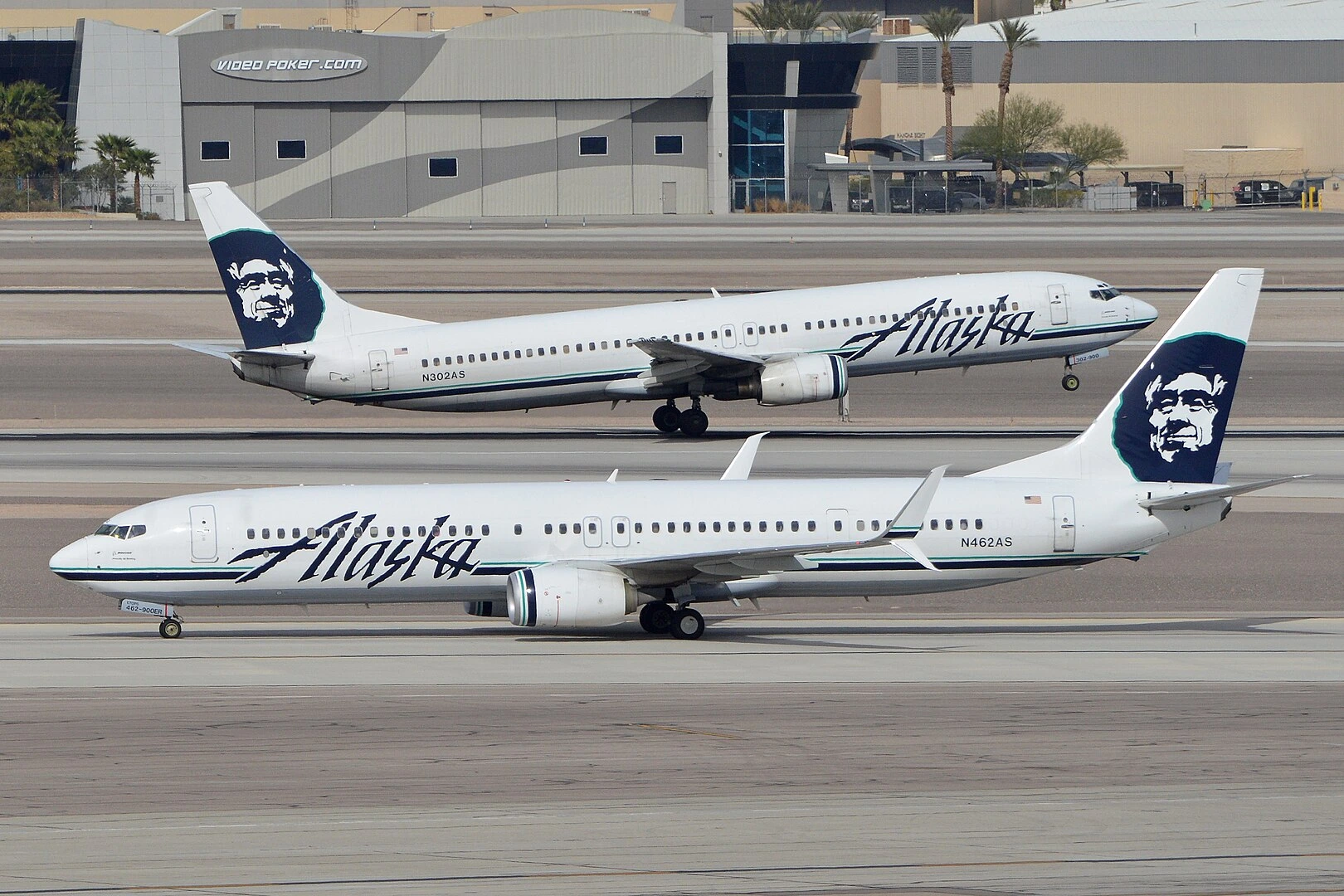
SEATTLE- Alaska Airlines (AS) has long prided itself on being a fiercely independent U.S. carrier with a stronghold in the Pacific Northwest and West Coast markets. Based in Seattle, the airline’s growth has always been tied to operating a reliable, efficient fleet designed to serve both major coastal hubs and smaller regional cities across the western United States.
In 2025, Alaska Airlines operates a fleet of 331 aircraft with 96 more on order, making it one of the largest carriers in North America. While JetBlue and other mid-sized competitors have moved toward an all-Airbus strategy, Alaska has gone in the opposite direction: leaning heavily into Boeing narrowbodies.
The airline’s fleet is almost entirely made up of Boeing 737s and Embraer 175s, reflecting both its Boeing loyalty and its focus on efficiency through fleet commonality.
But the future holds change. After years of flying only narrowbodies, Alaska is preparing for the arrival of the Boeing 787 Dreamliner, marking its first widebody fleet and signaling broader international ambitions. Meanwhile, it continues to modernize with new-generation Boeing 737 MAX aircraft, positioning itself to compete more aggressively in the domestic U.S. and beyond.
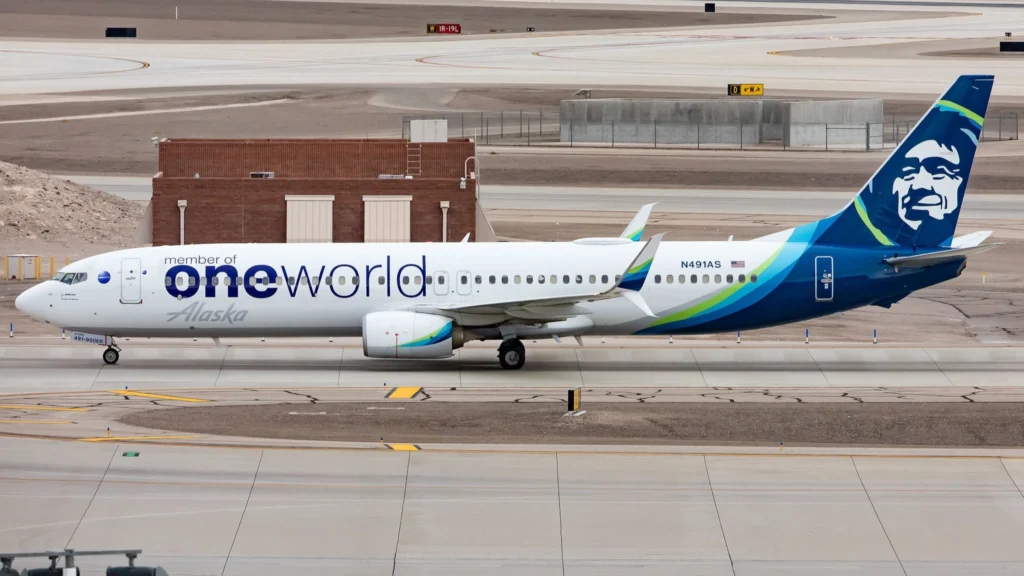
Mainline Fleet: A Boeing Stronghold
The core of Alaska Airlines’ fleet is built on the Boeing 737 family, and that reliance has only deepened after the retirement of Airbus aircraft inherited from Virgin America.
The airline still operates 11 Boeing 737-700s, but these older jets are gradually being retired. Their smaller capacity makes them less competitive on high-demand routes, and they are likely to leave the fleet entirely by the end of the decade.
The Boeing 737-800 forms a larger share of Alaska’s fleet, with 56 aircraft in service. Configured in multiple layouts, the -800 serves as a workhorse for mid-range domestic routes. However, as more MAX deliveries arrive, the -800s are expected to be phased out, similar to what other U.S. carriers are doing with their older NG models.
The backbone of today’s mainline fleet is the Boeing 737-900ER, of which Alaska operates 79 aircraft. These jets provide the higher capacity needed for transcontinental flights and busy hub-to-hub markets, allowing the airline to maximize efficiency on high-volume routes.
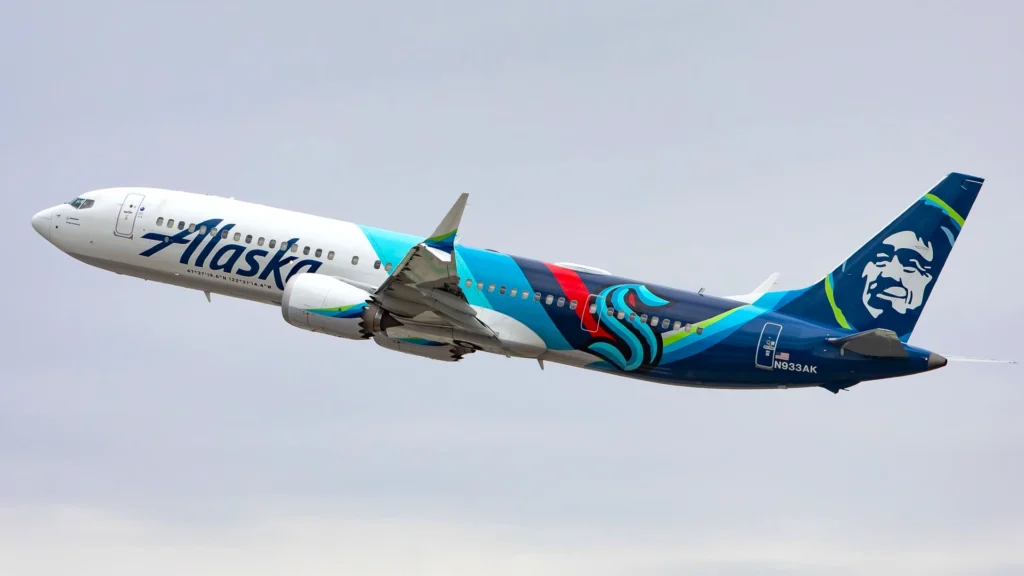
The transition to the 737 MAX family is already underway. Alaska flies 5 Boeing 737 MAX 8s and a substantial 80 Boeing 737 MAX 9s, with the latter becoming the new backbone of its fleet. The MAX 9 combines lower fuel burn with nearly identical seating capacity to the 737-900ER, giving Alaska more range and cost flexibility.
The airline is also set to receive the 737 MAX 10, with 63 orders placed and deliveries scheduled from 2027. Once introduced, the MAX 10 will give Alaska its highest-capacity narrowbody yet, suitable for dense domestic markets and flights from Seattle or Los Angeles to Hawaii.
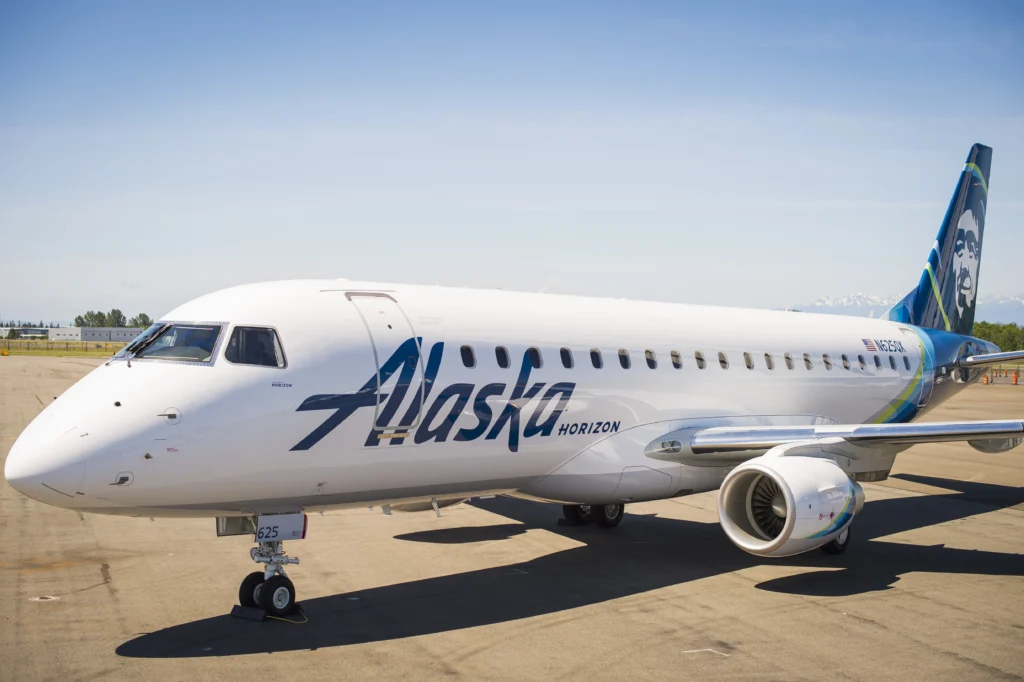
Regional Fleet: The Role of Horizon and SkyWest
While the Boeing 737 family dominates Alaska’s mainline flying, the airline’s network strategy relies heavily on regional connectivity. Smaller markets across the Pacific Northwest and California are served by the Embraer 175, operated by both Horizon Air (Alaska’s wholly owned subsidiary) and SkyWest Airlines.
As of 2025, Alaska’s regional fleet includes 47 Embraer 175s operated by Horizon and another 42 operated by SkyWest, with a few more deliveries scheduled. These jets typically seat 76 passengers and are configured with First, Premium Class, and Economy cabins, ensuring product consistency with mainline flights.
The Embraer 175 provides Alaska with flexibility to serve smaller cities while still feeding traffic into hubs like Seattle, Portland, San Francisco, and Los Angeles. Its efficiency and passenger comfort make it the ideal aircraft for routes that would not justify a larger 737. Importantly, the E175 fleet has allowed Alaska to maintain a strong regional presence even as competitors reduce service to smaller airports.
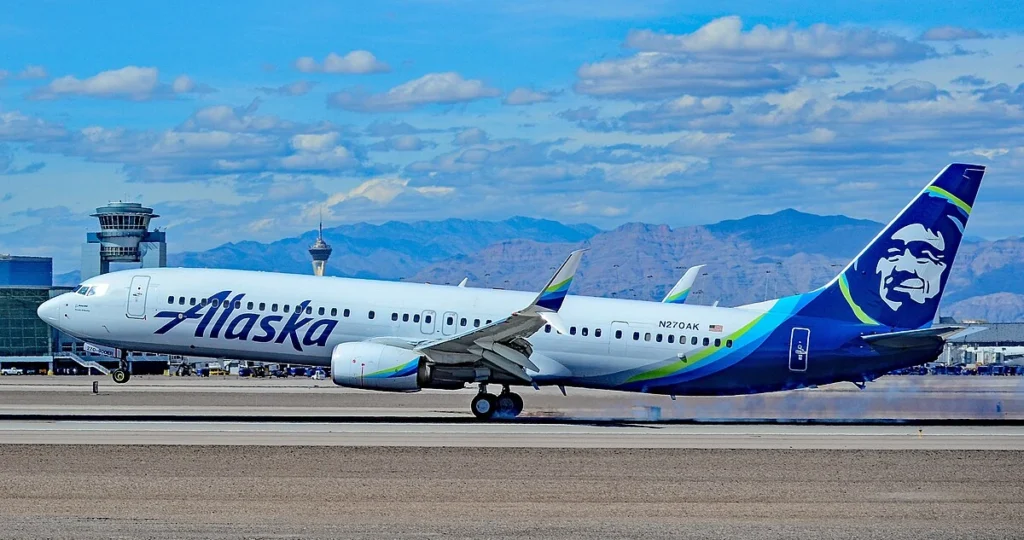
Cargo and Special Operations
Alaska Airlines also maintains a dedicated cargo fleet, reflecting its strong ties to communities in Alaska, where air transport is a lifeline.
The airline operates three Boeing 737-700 Freighters and two Boeing 737-800 Freighters, ensuring reliable cargo service to remote parts of the state. These aircraft transport everything from essential supplies to mail and perishable goods, underlining Alaska’s role as more than just a passenger airline.
This cargo fleet is unique among major U.S. airlines, which typically rely on integrated cargo carriers like FedEx or UPS. For Alaska, however, freighters are central to its identity and community service obligations in its home state.
Boeing 787 and Future Growth
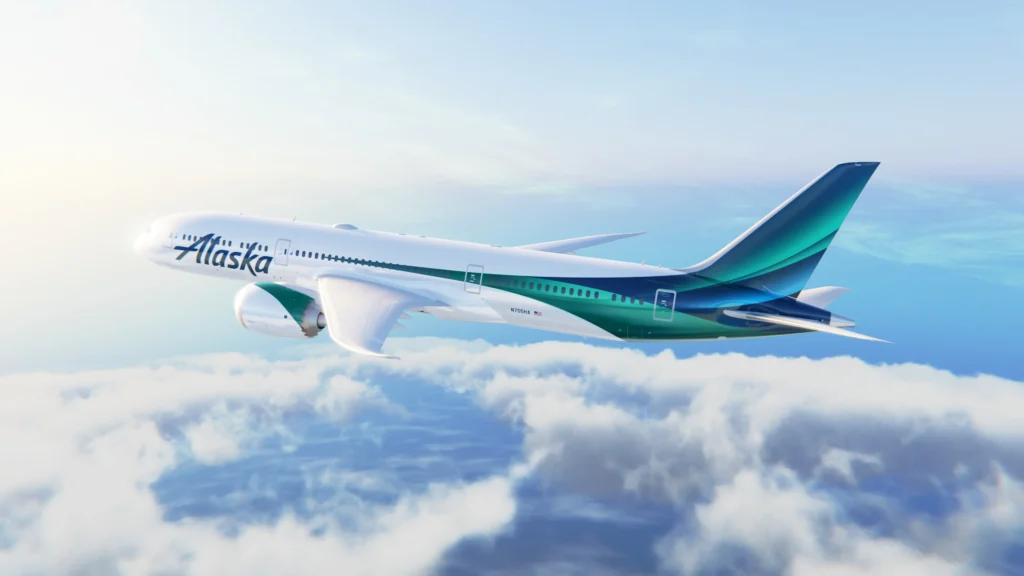
Perhaps the most significant development for Alaska Airlines is its order for the Boeing 787 Dreamliner. In 2025, the airline will have 12 Boeing 787-9s on order with deliveries beginning later this year. These aircraft will mark Alaska’s entry into true long-haul flying, opening opportunities for nonstop routes to Asia and Europe directly from Seattle.
Alaska has also converted some of its commitments to the Boeing 787-10, with five on order. The -10 variant offers even more seating capacity, making it well-suited for dense transpacific routes where Alaska can leverage its Seattle hub.
In addition to its own orders, Alaska is set to take delivery of four 787-9s transferred from Hawaiian Airlines (HA) by 2026, further accelerating its widebody expansion. This development is a major shift for the carrier, which has historically avoided long-haul international flying.
The move reflects both the need to remain competitive against Delta and international carriers in Seattle, as well as the growth potential of long-haul premium markets.
Conclusion
With 331 aircraft in service and 96 on order, Alaska Airlines remains one of the most Boeing-dedicated carriers in the world. Its reliance on the 737 family ensures operational simplicity, while the Embraer 175 provides the necessary regional connectivity. The addition of the Boeing 787 will finally give Alaska an international long-haul capability that it has lacked until now.
There are risks, including dependence on Boeing’s delivery timelines and challenges with introducing a new aircraft type into the fleet. But the strategy is clear: consolidate domestic strength with the 737 MAX while using the Dreamliner to expand into new international markets.
By the end of the decade, Alaska Airlines could look very different from the regional-focused airline it once was. With a modern fleet spanning regional jets, narrowbodies, freighters, and now widebodies, Alaska is positioning itself as a global competitor while still staying true to its Pacific Northwest roots.
Stay tuned with us. Further, follow us on social media for the latest updates.
Join us on Telegram Group for the Latest Aviation Updates. Subsequently, follow us on Google News.
