

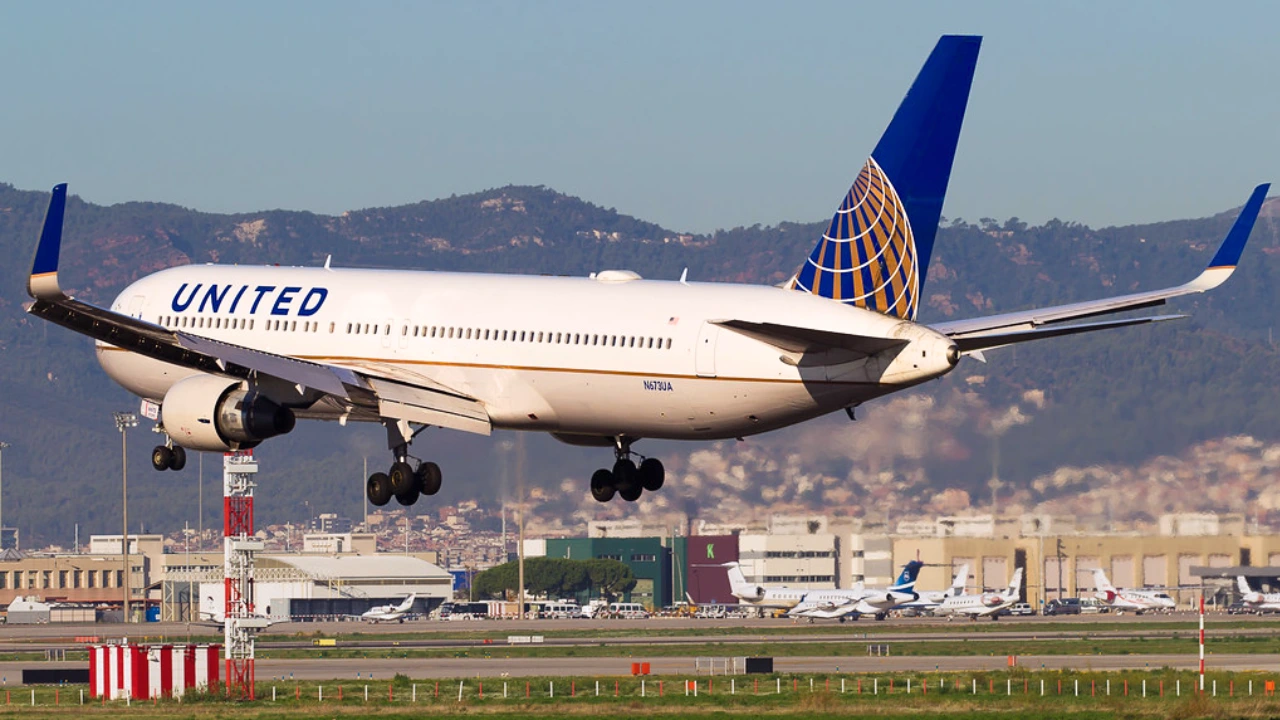
ATLANTA- A passenger on United Airlines (UA) Flight 925 dropped a laptop into the side of a business class seat while crossing the Atlantic, triggering a fire-risk concern.
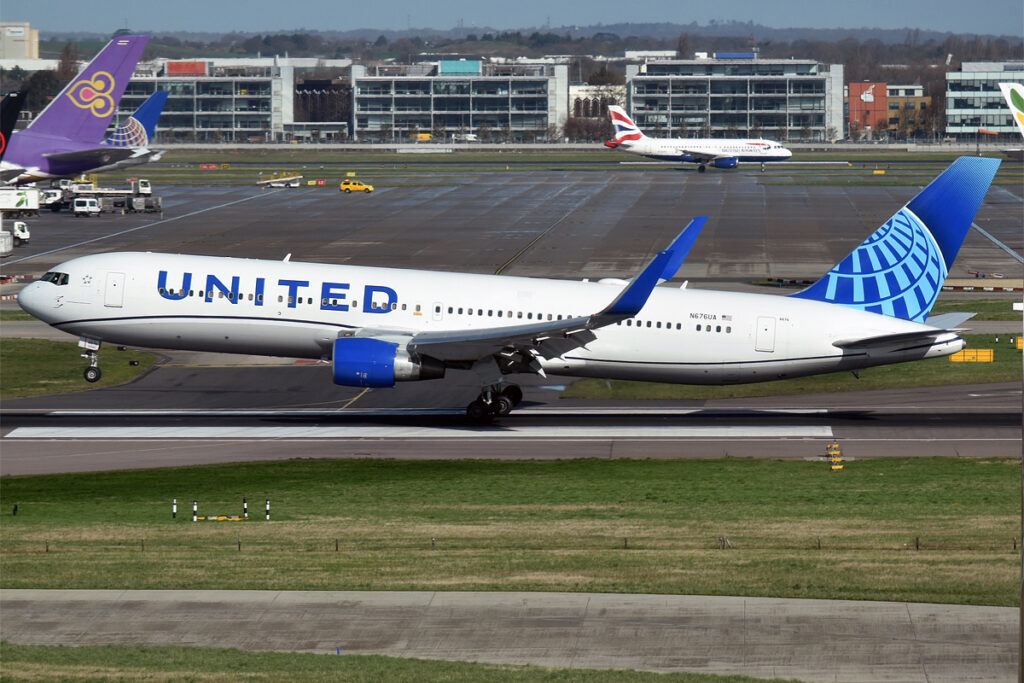
The incident occurred aboard a United Boeing 767 flight operating from London Heathrow (LHR) to Washington Dulles (IAD), diverted to Dublin Airport (DUB).
The laptop’s location made it inaccessible to the crew, creating uncertainty around its lithium-ion battery status and leading to a controlled turn back toward Ireland. Flight 925 ultimately landed in Dublin shortly after 8 PM local time for maintenance inspection.
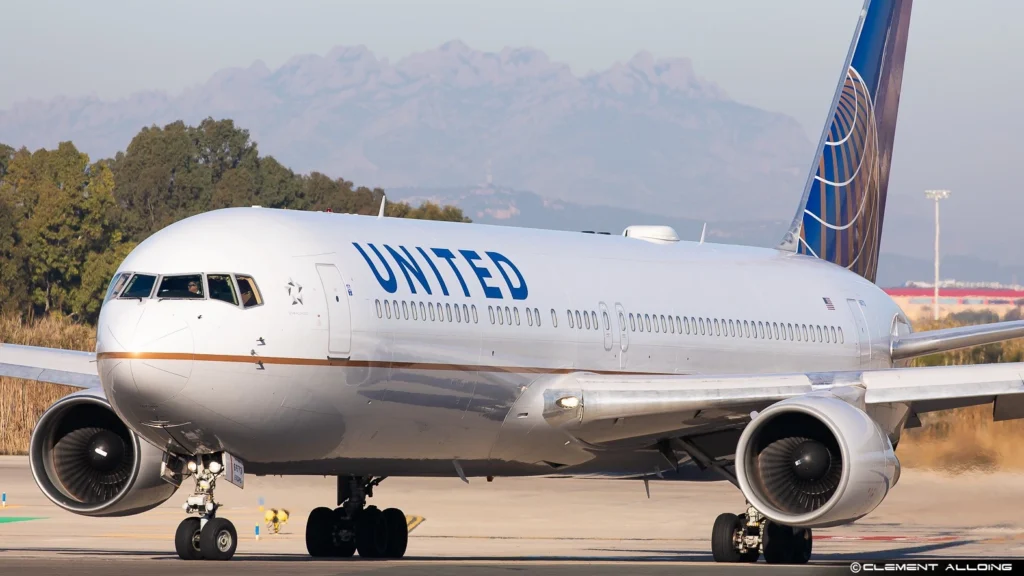
United Airlines Flight Diverts
United Airlines Flight UA925 had been scheduled for an 8-hour journey to Washington, but 2 hours after departure, the crew detected that the passenger’s laptop had slipped into the narrow gap between the seat and the cabin wall.
The aircraft was more than 250 miles from Ireland’s west coast when the cockpit initiated the diversion.
According to Business Insider, aviation enthusiasts later identified the ACARS message, noting the trapped device.
United told Business Insider that the aircraft diverted “as a precaution to retrieve a customer’s laptop that had fallen in between the seat and the side wall.”
The airline added that “Maintenance crews retrieved the laptop, inspected the aircraft, and the flight later departed for Washington Dulles.”
Lithium-ion batteries can enter thermal runaway when damaged or overcharged, causing rapid temperature increases that may result in smoke or fire.
Because the laptop could not be seen or reached, the crew could not confirm whether pressure, heat, or seat mechanisms had compromised the battery. Airlines have tightened rules on power banks and portable electronics this year due to similar risks.
The aircraft spent nearly 3 hours on the ground in Dublin before departing again at 11 PM local time. Flight 925 reached Washington at 1:14 AM, arriving five hours later than planned.
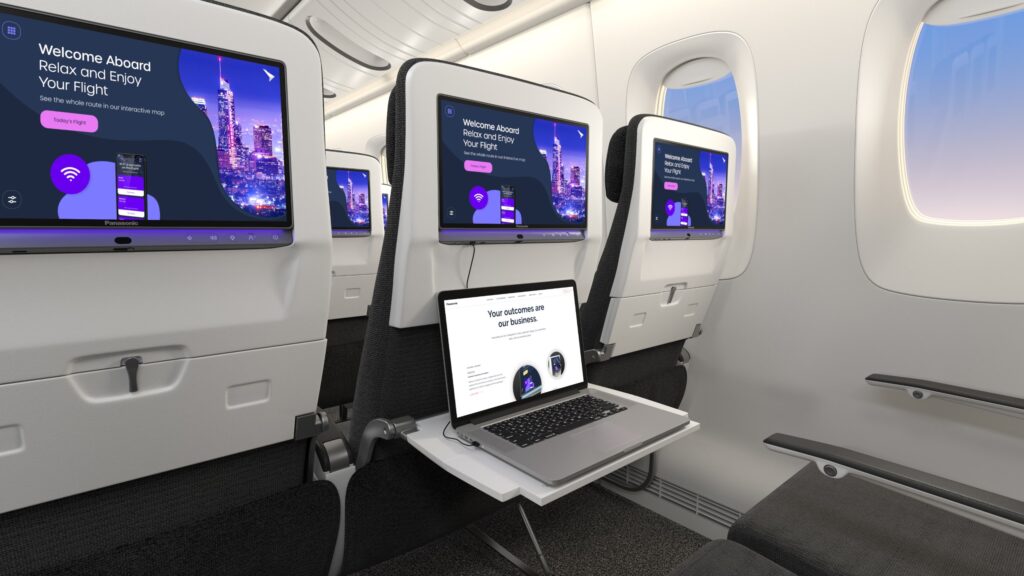
Operational Procedures for Trapped Device
Cabin crews follow defined protocols when passengers lose electronic devices inside seats or structural gaps. Modern business class seating includes electrical motors, wiring channels, and pressure points that may crush or bend personal electronics.
Any mechanical compression of a lithium-ion battery can lead to dangerous thermal instability.
When crew members cannot access or monitor a trapped device, standard procedure often requires a diversion.
Fire-containment tools can only be used when the device is reachable. Airlines advise passengers to notify crew immediately when losing devices to prevent seat movement that could damage hidden batteries.
Airports receiving these diversions prepare maintenance teams in advance, allowing technicians to remove seat components, inspect surrounding structures, and confirm safe conditions before releasing the aircraft.
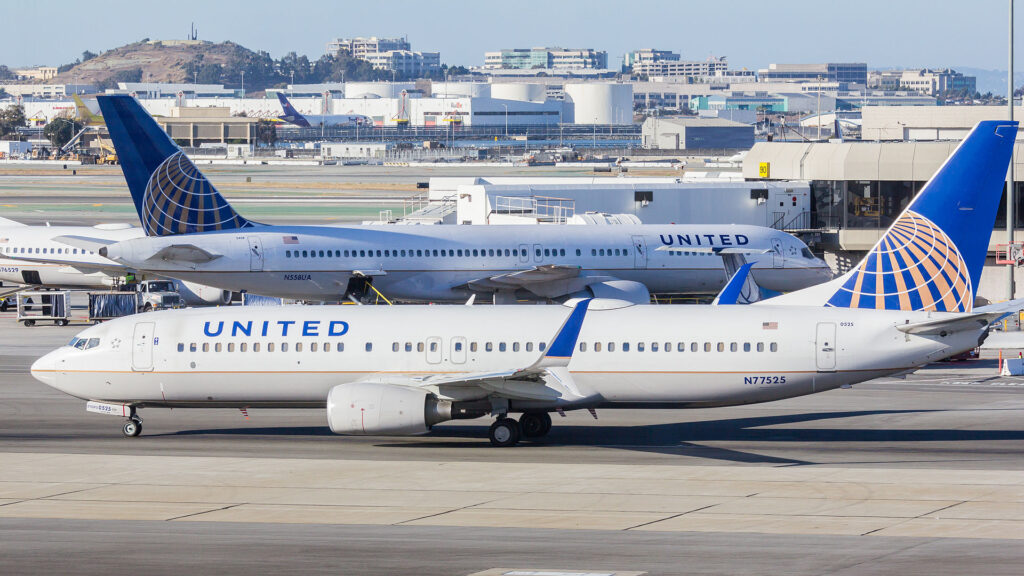
Similar Incident
Five weeks earlier, another diversion occurred involving United Airlines Flight UA126, operated by a Boeing 767-400ER.
Shortly after takeoff from Washington Dulles (IAD) on October 15, 2025, pilots reported that a passenger’s active laptop had slipped through the cabin wall and into the cargo compartment below.
About 100 miles southeast of Boston, the crew notified air traffic control that the lithium-powered laptop was lodged in an area not covered by cargo fire-suppression systems.
While the device posed no immediate threat, the pilots stated, “We don’t know the status of it, we can’t access it, we can’t see it,” and added, “So our decision is to return to Dulles and find this laptop before we can continue over the ocean.”
The 24 year old aircraft, registered N76054, landed safely at 12:35 AM before departing again for Rome at 03:24 AM following device recovery and inspection. No emergency was declared, and the crew described the decision as an abundance of caution.
Safety Measures for Portable Electronics
Airlines are enhancing training for identifying and containing overheated lithium-ion batteries and are adopting improved seat designs that reduce gaps where devices can fall.
Power-bank regulations have tightened globally as part of broader industry efforts to mitigate fire risks.
Manufacturers are introducing reinforced housings, removable access panels, and restricted seat-movement zones to prevent devices from becoming trapped.
These measures complement emerging cabin policies that stress early reporting and immediate suspension of seat operation when a device is lost.
Stay tuned with us. Further, follow us on social media for the latest updates.
Join us on Telegram Group for the Latest Aviation Updates. Subsequently, follow us on Google News
