

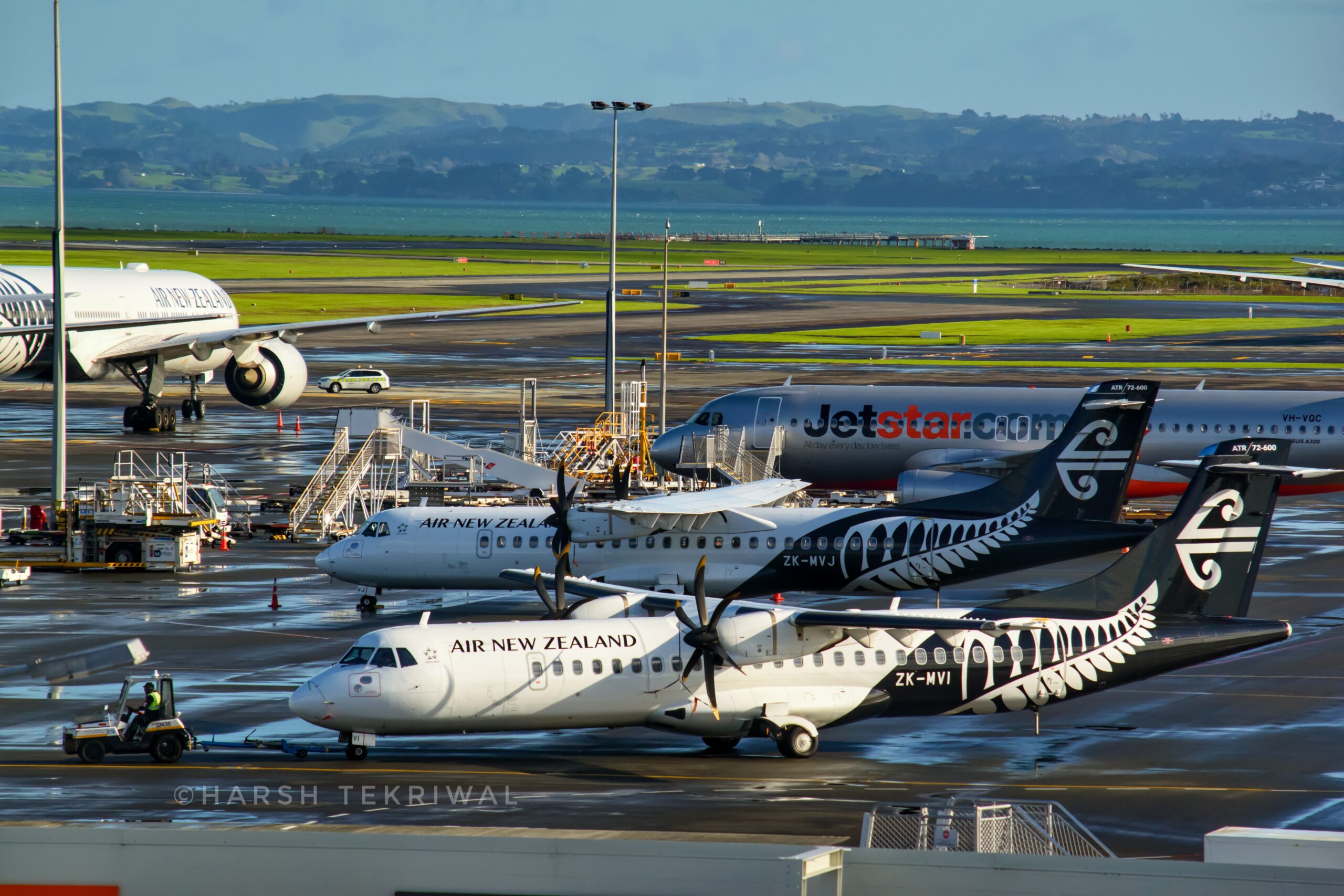
AUCKLAND- Air New Zealand (NZ) flight from Auckland (AKL) to Nelson (NSN) returned to Auckland after an engineering issue triggered an engine shutdown alert.
Emergency teams were sent to the airport as a precaution, and the aircraft landed safely without further incident.
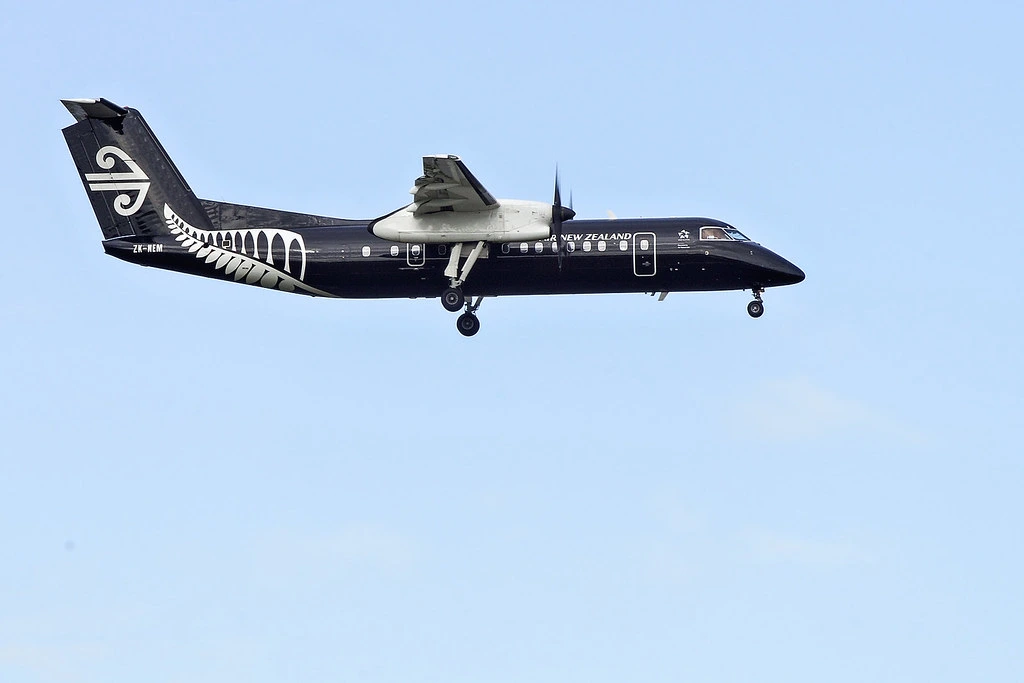
Air New Zealand Flight Returns to Auckland
The aircraft was en route to Nelson when the crew reported an engineering problem linked to an engine shutdown indication. Standard safety protocols required an immediate return to Auckland, where emergency services were placed on standby.
Fire and Emergency deployed nine trucks and more than 30 personnel, while St John dispatched multiple ambulances and its major incident unit to support airport operations.
Air New Zealand confirmed that the landing proceeded normally. The airline’s maintenance team began inspections shortly after arrival to determine the source of the fault.
According to the carrier, the incident was managed according to its established safety procedures, and customer support teams were activated to assist affected passengers.
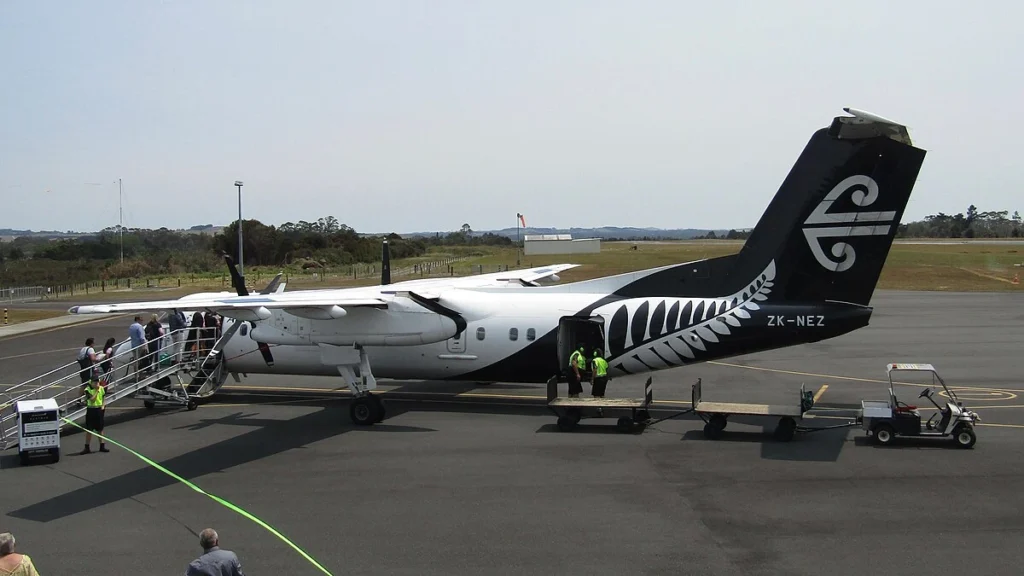
Emergency Services Mobilised At The Airport
Emergency responders prepared for potential escalation, positioning resources around the runway area as the flight approached. Their rapid mobilisation aligned with national aviation safety requirements and ensured medical and firefighting support were ready if needed.
Air New Zealand acknowledged the disruption and issued an apology to customers booked to travel to Nelson. The airline began arranging alternative travel options to minimise delays.
Nathan McGraw, the carrier’s chief safety and risk officer, emphasised that safety remained the airline’s priority and confirmed an engineering investigation is underway.
The maintenance team will assess the aircraft to identify the cause of the alert. Findings will determine when the aircraft can return to service. The airline noted that such technical checks are routine after in-flight warnings.
Similar Incidents
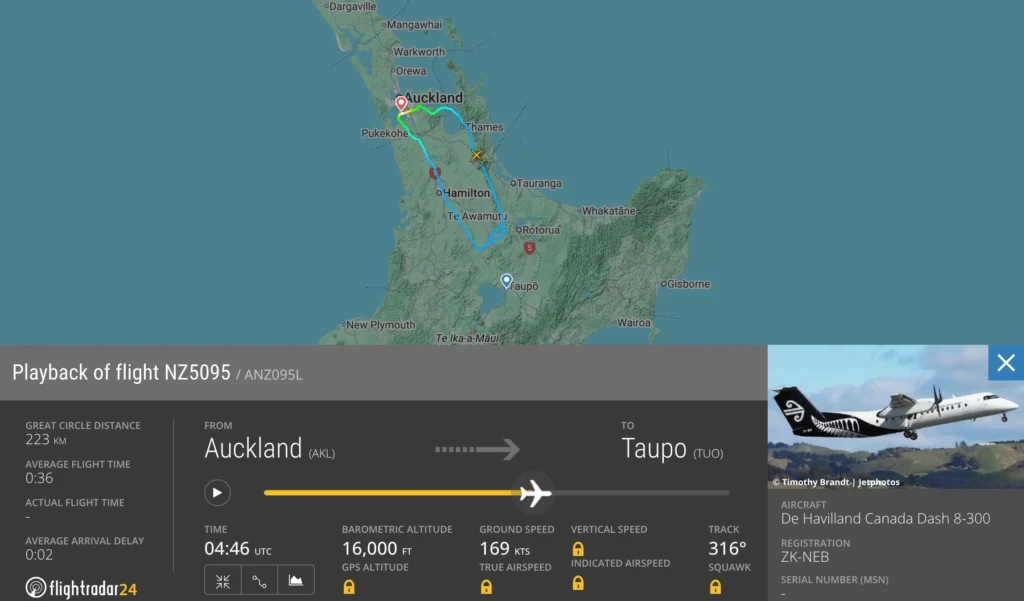
An Air New Zealand service operating from Auckland (AKL) to Taupō (TUO) returned to base after pilots detected a system indication during flight. The aircraft had almost reached its destination before the crew made the precautionary decision to head back.
The ATR operating as Flight NZ5095 landed safely in Auckland about 40 minutes after departure, where engineers began a full inspection of the aircraft.
Operational Decision Behind the Midair Turnback
Air New Zealand stated that the cockpit crew received an onboard alert and followed standard procedure by returning to Auckland for technical checks. The airline reported that there was no emergency declaration and the aircraft remained fully controllable throughout the flight.
Flight tracking data indicated that the aircraft had completed a significant portion of the AKL to TUO route before making a controlled turn back to Auckland. The landing was routine and handled without disruption at the airport.
Alex Marren, Air New Zealand’s Chief Operating Officer, confirmed that customers were rebooked on the next available flights. The airline arranged support for all affected passengers and reiterated that safety protocols guide all operational decisions.
Engineering teams carried out a detailed assessment once the aircraft was positioned at the stand. The airline did not disclose the exact cause of the system indication.
Passenger Handling and Rebooking
Air New Zealand organized alternative travel options for those booked on NZ5095. Ground teams managed rebooking and provided additional assistance to ensure minimal onward disruption. Operations continued normally at Auckland Airport after the aircraft’s safe arrival.
The airline’s engineering division performed a full evaluation of the aircraft before authorizing its next assignment. Such inspections follow established safety guidelines that require technical teams to verify all systems before releasing the aircraft back into service.
Stay tuned with us. Further, follow us on social media for the latest updates.
Join us on Telegram Group for the Latest Aviation Updates. Subsequently, follow us on Google News
