

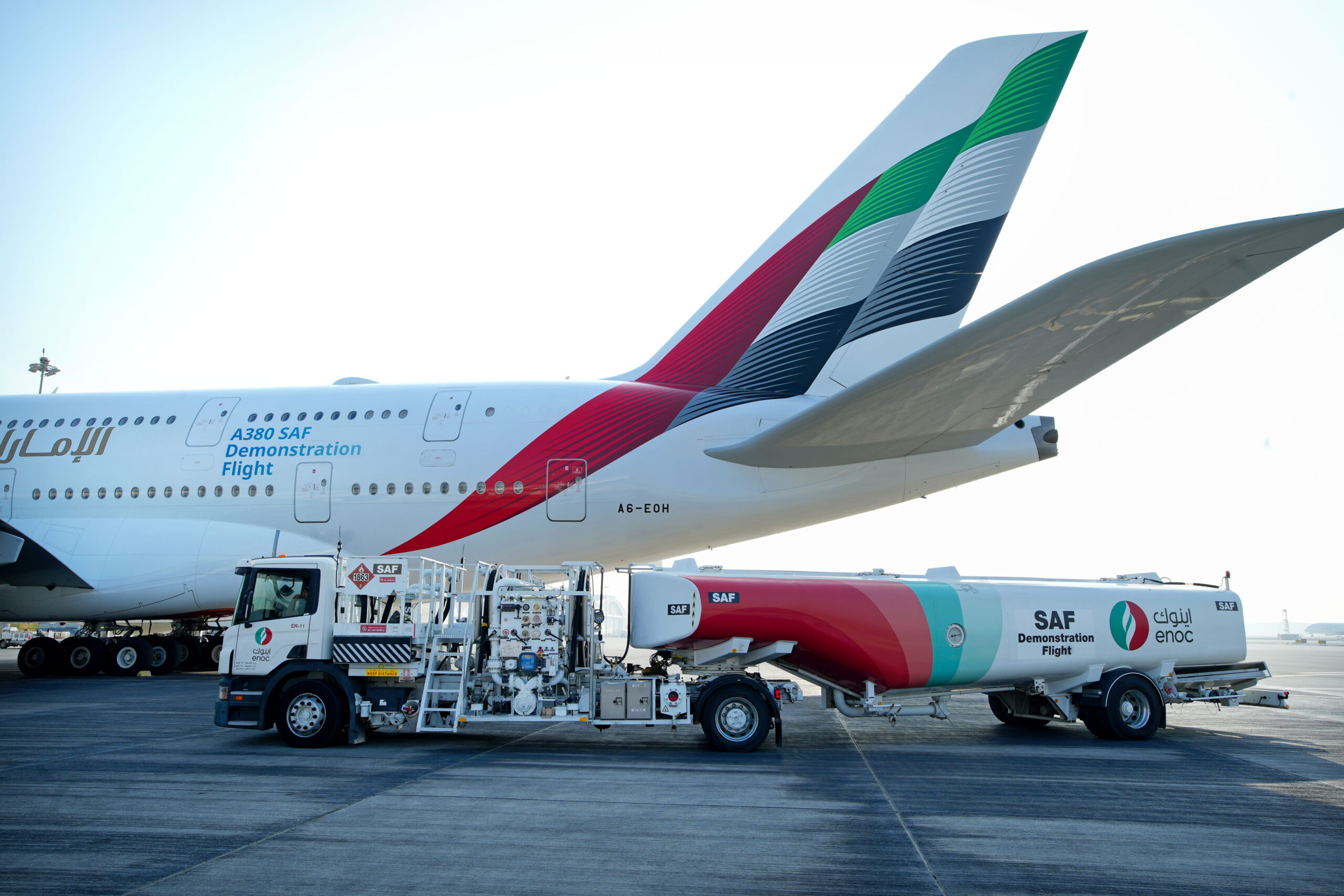
DUBAI— The United Arab Emirates (UAE) is advancing plans to make sustainable aviation fuel (SAF) mandatory for its carriers, according to Sharif Al Olama, Undersecretary for Energy and Petroleum Affairs at the Ministry of Energy and Infrastructure.
Currently, Emirates (EK) and Etihad Airways (EY) operate under a “soft requirement” that encourages them to use one percent of SAF by 2031, but the government now aims to move to a compulsory mandate.
UAE Eyes SAF Mandate for Airlines
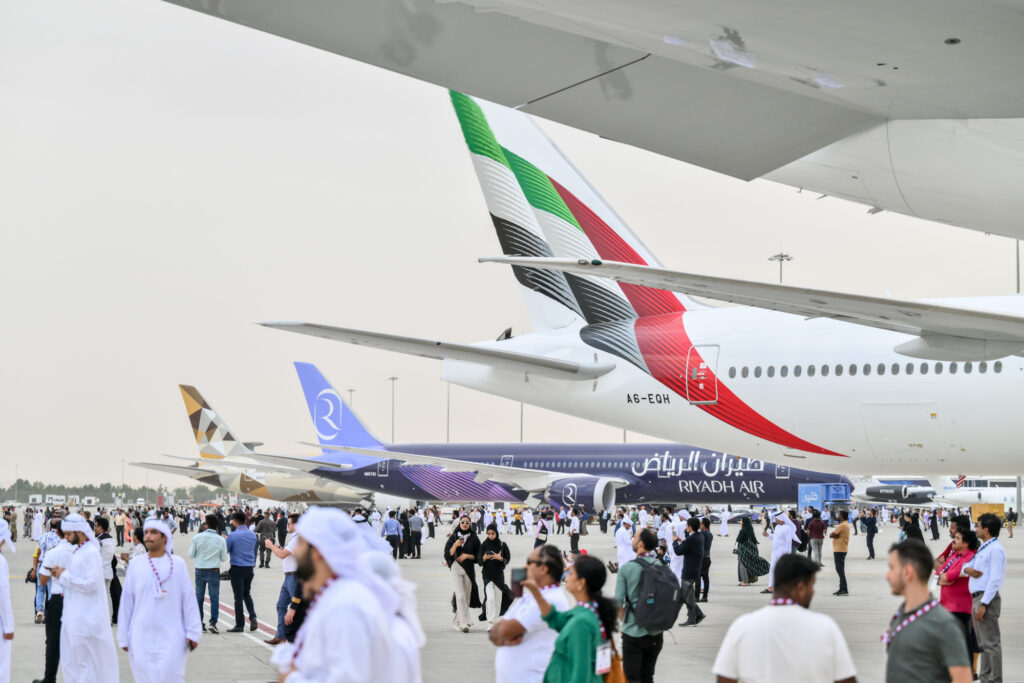
Al Olama revealed the shift ahead of a meeting of the UAE government’s SAF & Low Carbon Aviation Fuel (LCAF) Executive Committee held alongside Airbus at the Dubai Airshow.
According to Aviation Week, He said the earlier voluntary policy was introduced to measure the national airlines’ willingness and test market readiness.
The transition from voluntary to mandatory SAF use reflects a more assertive stance by the UAE government.
Al Olama said policymakers are now assessing how a mandate would affect airline operations and how added costs might ultimately be passed on to passengers.
The government is seeking a careful balance: promoting sustainability while protecting the financial health of its national carriers.
UAE’s Production Ambition
Despite its cautious policy rollout, the UAE remains deeply committed to rapidly scaling SAF production. Al Olama described the country as “ready to hit the ground running” and stressed its capacity to drive the global transition.
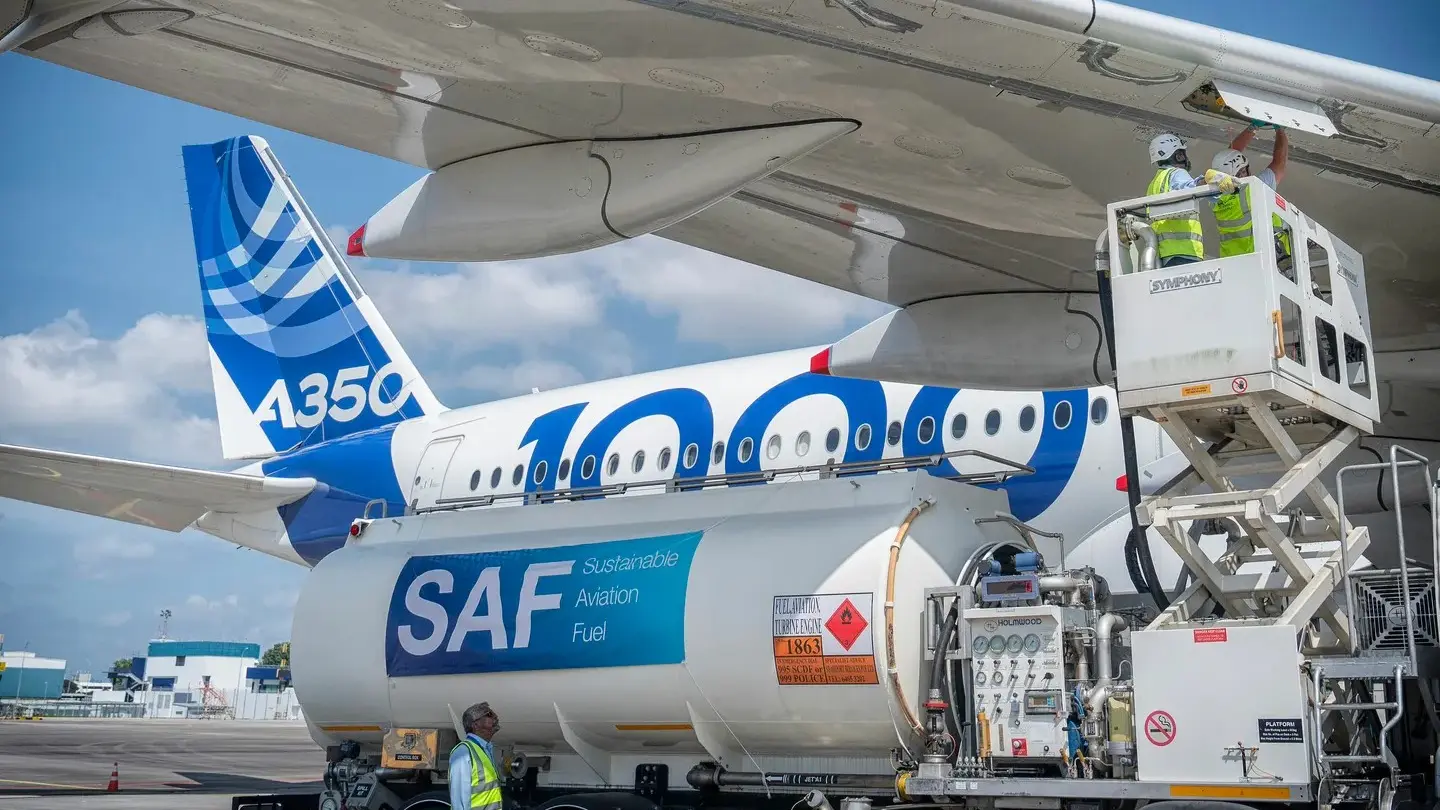
Part of that strategy involves a proposed SAF production plant in Hong Kong (HKG), in partnership with UK-based Chinook Hydrogen. If successful, Al Olama envisions it serving as a model for similar domestic facilities.
Domestically, the UAE is already making tangible progress. A SAF plant is under development in the Fujairah Oil Industry Zone (FOIZ), backed by MENA Biofuels.
It aims to process used cooking oil and waste to produce certified SAF in quantities aligned with the country’s 2030 roadmap.
Phase I of the project, costing US$200 million, will yield 125 million litres annually — roughly 18 percent of the UAE’s 2030 target — and a second phase will double that production.

Cost Implications
Implementing a SAF mandate could raise the cost of airline operations, since SAF remains more expensive than conventional jet fuel. Al Olama acknowledged that the government is cautious about how these costs could affect ticket prices.
He emphasized that further studies are underway to understand and mitigate any financial burden on airlines — and by extension, passengers.
Beyond domestic goals, the UAE sees itself as a global leader in the sustainable aviation transition. By investing in SAF infrastructure and innovation, Al Olama argued that the country can influence international SAF adoption.
He described the UAE’s approach as pragmatic but ambitious — combining market incentives, production scale, and regulatory action.
Bottom Line
The UAE is poised to shift from a voluntary SAF policy to a mandatory mandate for its airlines, signaling a major step in its environmental strategy.
With a 1 percent voluntary target already in place for 2031, the government is now studying the economic and operational impact of making SAF use compulsory. At the same time, it is scaling up domestic production through a SAF plant in Fujairah and exploring international collaborations like a proposed facility in Hong Kong.
The move underscores the UAE’s ambition to lead globally in sustainable aviation, balancing green goals with economic realities
Stay tuned with us. Further, follow us on social media for the latest updates.
Join us on Telegram Group for the Latest Aviation Updates. Subsequently, follow us on Google News
