

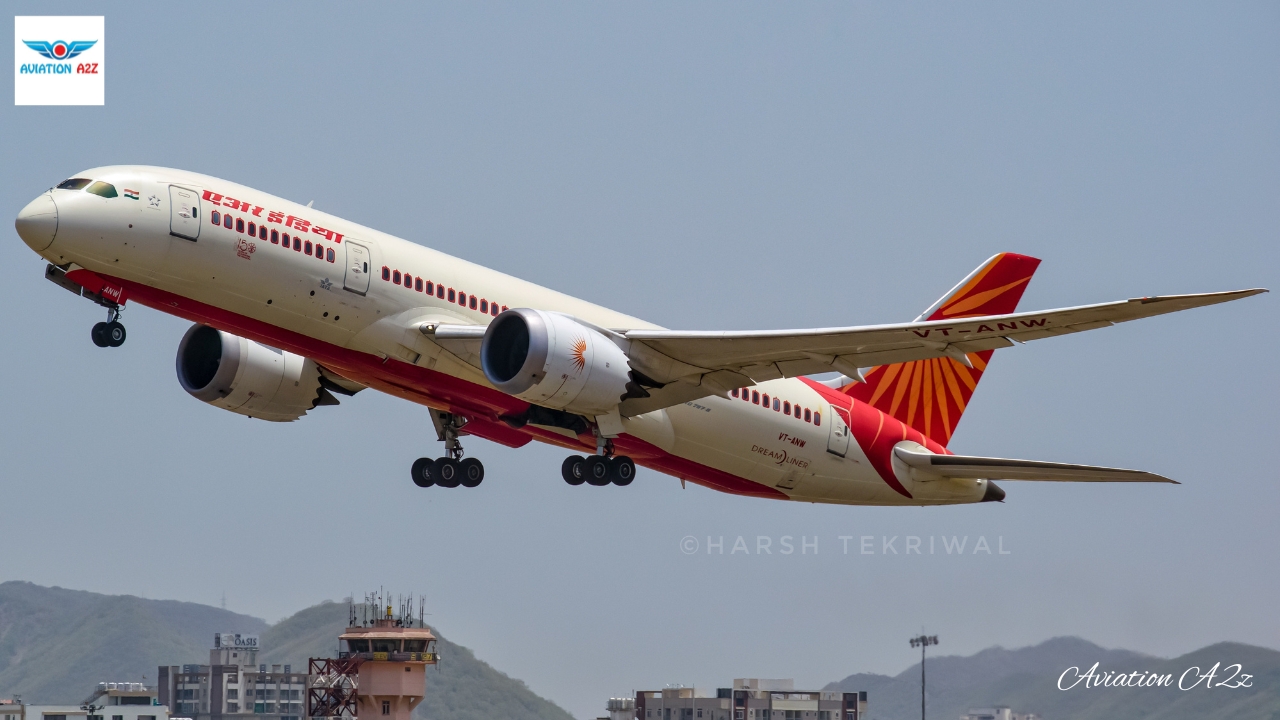
DELHI- Tata Group-owned Air India (AI) will resume nonstop flights between Delhi (DEL) and Shanghai Pudong (PVG) from February 1, 2026, marking its return to mainland China after nearly six years. The airline also plans to launch Mumbai (BOM) to Shanghai (PVG) services in 2026, subject to regulatory clearance.
The move strengthens connectivity between India and China, with Shanghai becoming the Air India group’s 48th international destination. Air India currently carries more international passengers than any other Indian carrier.
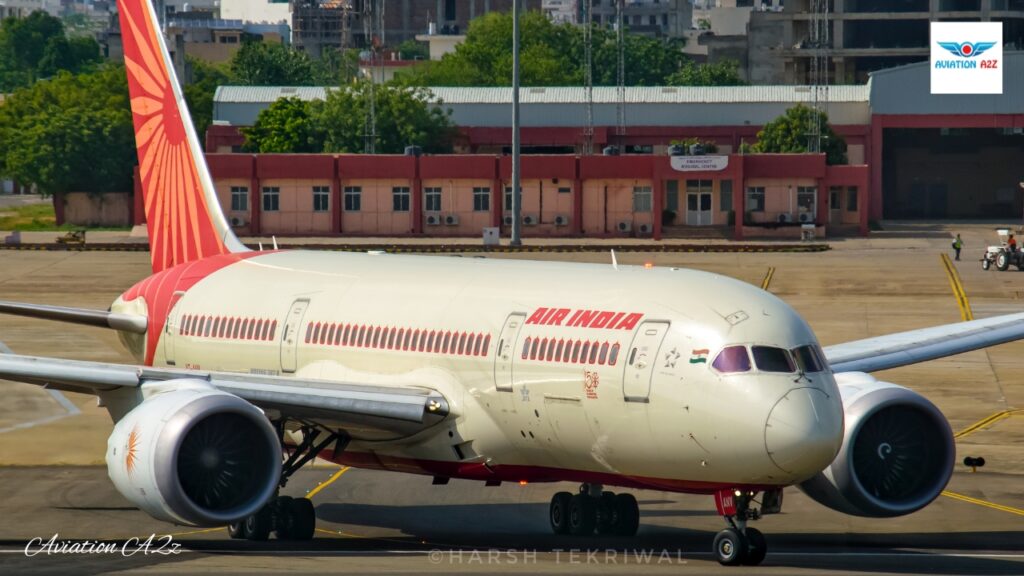
Air India Shanghai Flights
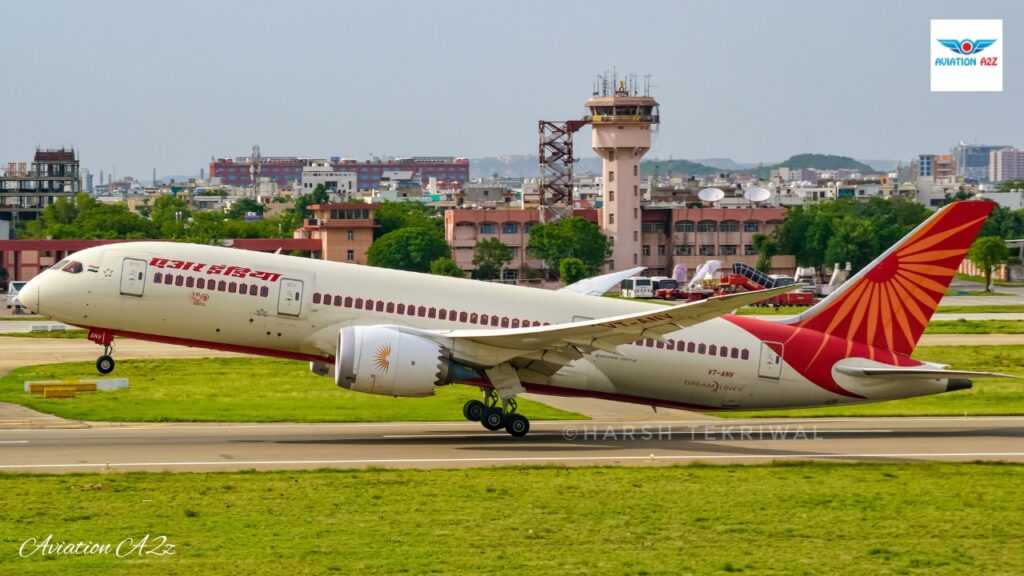
Air India will deploy its Boeing 787-8 on the Delhi Shanghai route with four weekly frequencies. The aircraft offers 18 flat beds in Business Class and 238 seats in Economy, supporting a balanced mix of business and leisure demand.
The restart follows recent diplomatic agreements that reinstated air links suspended in early 2020. Air India first entered the mainland China market in October 2000, and the return reinforces long-term bilateral travel and trade flows across the region.
The airline expects the restored route to strengthen cooperation across pharmaceuticals, technology, education, and related sectors.
According to Air India’s leadership, the route aims to support travellers pursuing business, healthcare, academic, and cultural opportunities across both markets.
Flight Schedule
Here’s a schedule of Air India flights between Delhi and Shanghai:
| Flight | Route | Departure | Arrival | Days |
|---|---|---|---|---|
| AI352 | Delhi to Shanghai | 1200 | 2020 | Tue, Thu, Fri, Sun |
| AI351 | Shanghai to Delhi | 2200 | 0315 +1 | Tue, Thu, Fri, Sun |
Note: All timings are local. +1 indicates next-day arrival.
The Boeing 787-8 assigned to this route offers modern cabin features designed for long-haul comfort.
Business Class flat beds serve corporate and diplomatic travellers, while Economy Class provides ample space for extended journeys. The service pattern is aligned with demand from both ends of the corridor.
Seats on the Delhi Shanghai flights are opening progressively across Air India’s website, mobile app, airport ticketing offices, global contact centres, and travel agent partners. Additional flights, including the planned Mumbai service, will be announced after regulatory approvals.
Shanghai Travel Guide
Visitors flying in on carriers such as China Eastern Airlines (MU) land at Shanghai Pudong Airport (PVG), the gateway to a city that signals modern China at full scale. The high-speed maglev pushes toward the center as the skyline forms a first impression built on speed, ambition, and commercial power.
Shanghai’s reach extends far beyond its futuristic surface. Historic districts, European-era architecture, leafy neighborhoods, and long-standing cultural habits still shape how the city lives and moves.
Most Populous City of China
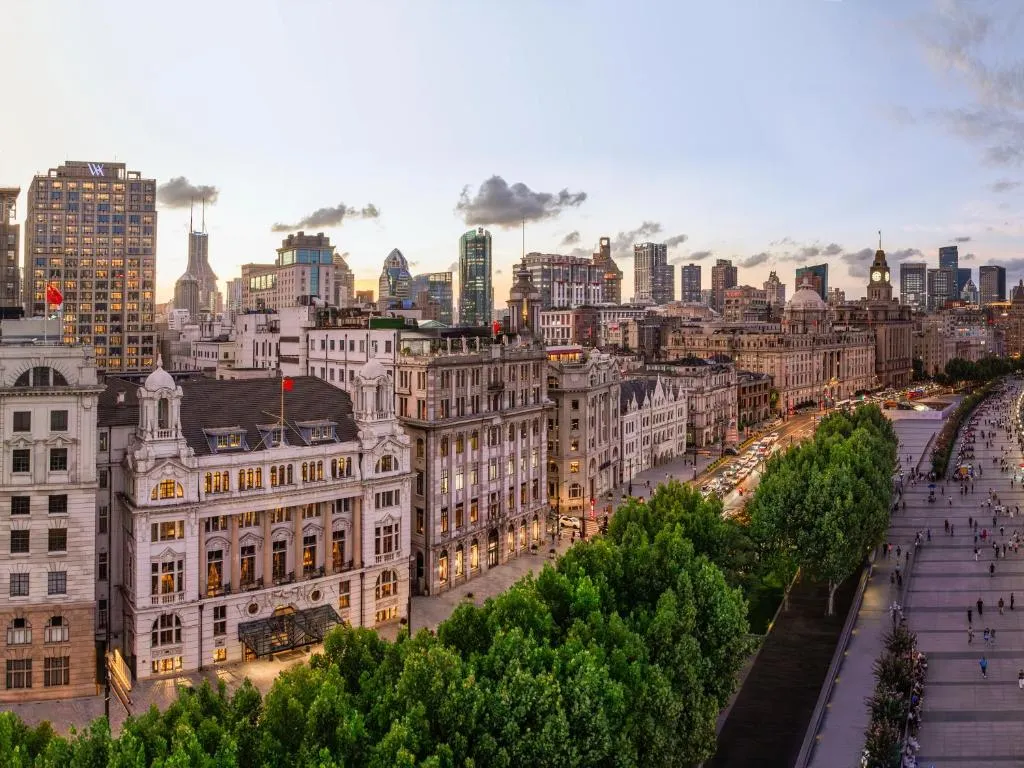
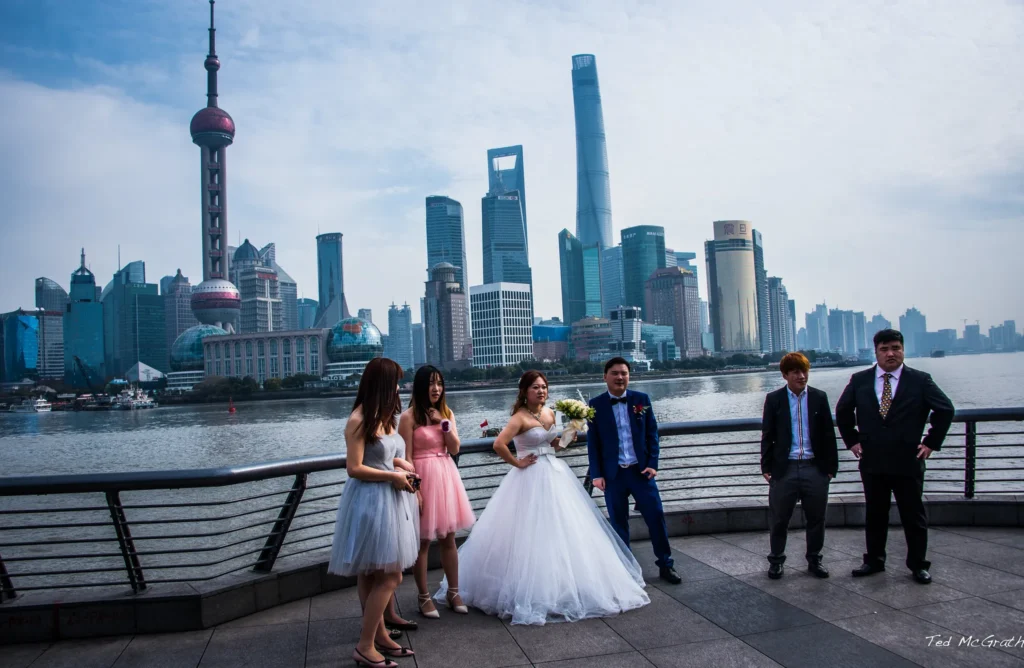
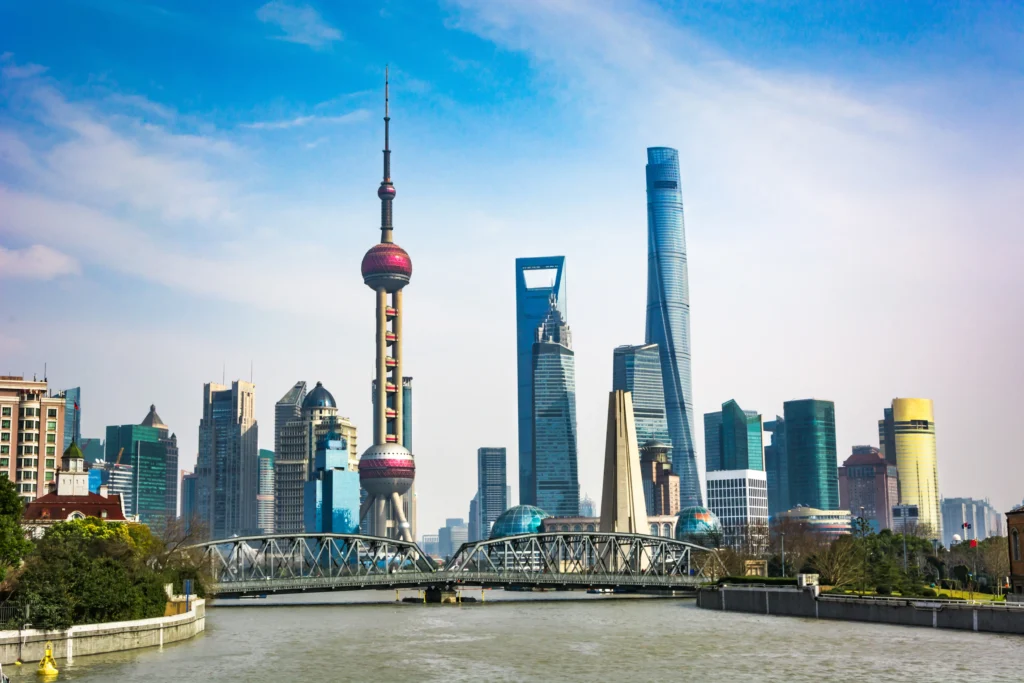
Shanghai presents itself as the commercial heart of China with a landscape that blends global finance, heritage streets, and rapid development. The Bund anchors this duality.
Its early twentieth-century buildings line up against the towers of Lujiazui across the Huangpu River. Visitors come for architecture, top-tier hotels, historical stories, and early morning tai chi scenes along the waterfront.
Pudong’s transformation speaks to the city’s ambition. The Shanghai Tower reaches 632 meters and offers one of the highest observation decks in the world.
The Shanghai World Financial Center, Jing Mao Tower, and Oriental Pearl Tower add to this vertical cluster. Clear days reward visitors with panoramic views that show just how vast the metro area truly is.
Neighborhoods such as Xuhui, Jing’an, and Huangpu reveal a different pace. Tree-lined streets, independent cafes, small eateries, and local boutiques carry traces of old Shanghai. These districts are where traditional living and global lifestyles intersect on the same block. Walkability makes these areas ideal for exploring the city’s everyday rhythms.
Key Places and Cultural Highlights
Historic Water Towns
Several ancient canal towns sit within reach of central Shanghai. Wuzhen draws interest for its restored lanes and canals that glow at night. Zhujiajiao is the most accessible since it sits on the metro network. Visitors often pair a canal walk with the Water Heavens music show designed by composer Tan Dun.
Architecture and Heritage
Shanghai’s rapid growth has overshadowed parts of its past, but pockets of important architecture remain. The former French Concession still carries European design influences. Art deco buildings across the city add another layer of heritage. Historic Shanghai, a local organization, offers guided access to notable structures that are normally closed to the public.
Museums and Cultural Stops
Shanghai Museum provides a broad overview, but smaller institutions offer sharper insight. The Propaganda Poster Art Centre traces social and political history through original posters from the early years of the People’s Republic. Its basement setting gives it a hidden atmosphere despite now being officially recognized.
Where to Stay
The riverfront between People’s Square and Lujiazui holds many of the city’s most recognizable hotels. The Peace Hotel, Peninsula, and Waldorf Astoria maintain a link to Shanghai’s early twentieth-century glamor. Lujiazui’s skyscrapers host high-altitude stays at the Park Hyatt, Grand Hyatt, and J Hotel.
Boutique options add variety. The Waterhouse Hotel near the Cool Docks shows industrial character repurposed into a design hotel. The former French Concession and Jing’an districts offer smaller hotels, guesthouses, and well-curated boutique properties such as the PuLi Hotel and Spa.
For a retreat outside the dense center, visitors can consider the hotels at Shanghai Disneyland or destination resorts like Amanyangyun, which incorporates restored Ming and Qing dynasty buildings and camphor trees brought from Fujian.
Food and Drink
The dining landscape is broad and diverse. The former French Concession and Jing’an districts concentrate many of the standout restaurants, bars, and cafes. Streets such as Anfu Lu, Wukang Lu, and Fumin Lu attract steady foot traffic thanks to their mix of noodle stalls, fine dining venues, cocktail bars, and bakeries.
Pudong’s most notable stop is Flair at the Ritz-Carlton, a rooftop bar with clear views of the Oriental Pearl Tower. At the traditional end of the spectrum, Jia Jia Tangbao and Lin Long Fang specialize in xiaolongbao.
October is prime season for hairy crab, a regional delicacy. Old Jesse remains a long-running favorite for Shanghainese dishes. Visitors seeking guided tastings often turn to UnTour Food Tours.
Activities Worth Planning
Fuxing Park offers a counterbalance to the city’s constant construction and redevelopment. Morning visits reveal groups practicing saxophone, singing, dancing, or joining exercise routines. The park’s origins date back to 1909 under the French authorities.
A simple walk remains one of the best experiences. The former French Concession and Jing’an preserve a sense of scale and greenery that stands out in a city of 25 million people. Many routes connect attractions, shops, and residential streets in a compact and accessible format.
Practical Information
The local currency is the renminbi. Almost all residents rely on mobile payments through WeChat Pay or Alipay, which also power most taxis and ride-hailing services such as DiDi. Cash is used far less than in many cities.
Shared bikes are available widely, but also require registration through the same apps. Most visitors benefit from preparing these tools before arrival.
Stay tuned with us. Further, follow us on social media for the latest updates.
Join us on Telegram Group for the Latest Aviation Updates. Subsequently, follow us on Google News
