

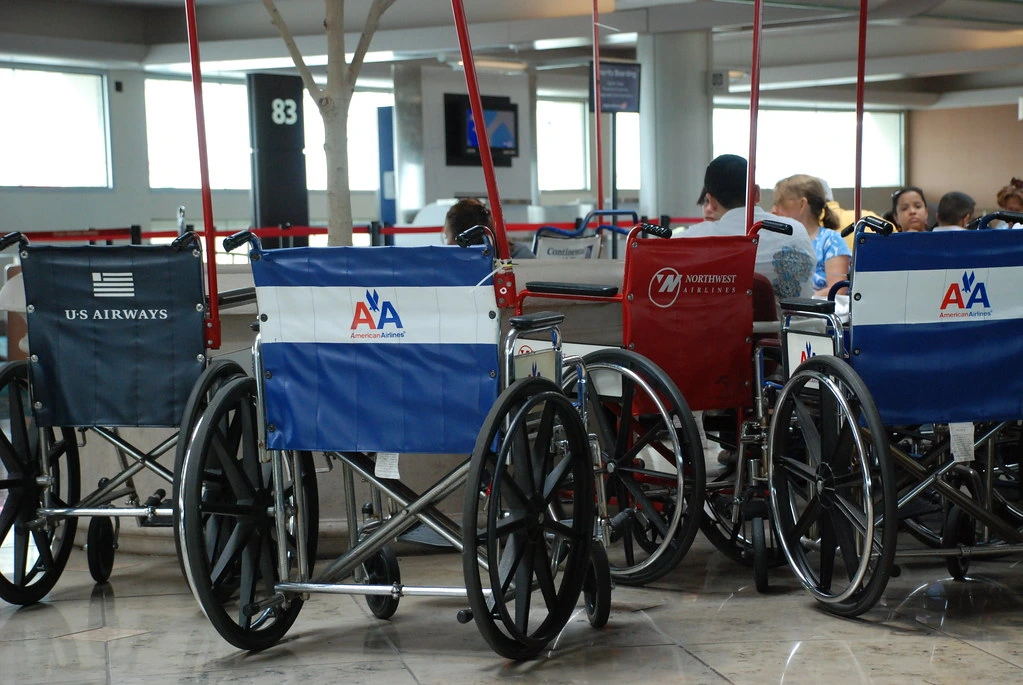
FORT WORTH- Gloryanna Samuel filed a lawsuit against American Airlines (AA) in November 2025, claiming a wheelchair attendant from subsidiary Envoy Air abandoned her at a gate in Miami International Airport (MIA).
This incident forced her to miss a connecting flight to Tampa International Airport (TPA) and spend the night in a cold airport room, worsening her medical conditions.
The case, Samuel v. American Airlines, Inc. & Envoy Air, Inc., seeks damages for negligence under the laws of the U.S. Virgin Islands.
Federal aviation rules mandate timely assistance for disabled passengers. Yet, Samuel endured swelling, arm pain, and elevated blood pressure after the April 2025 flight from Henry E. Rohlsen Airport (STX) to MIA.
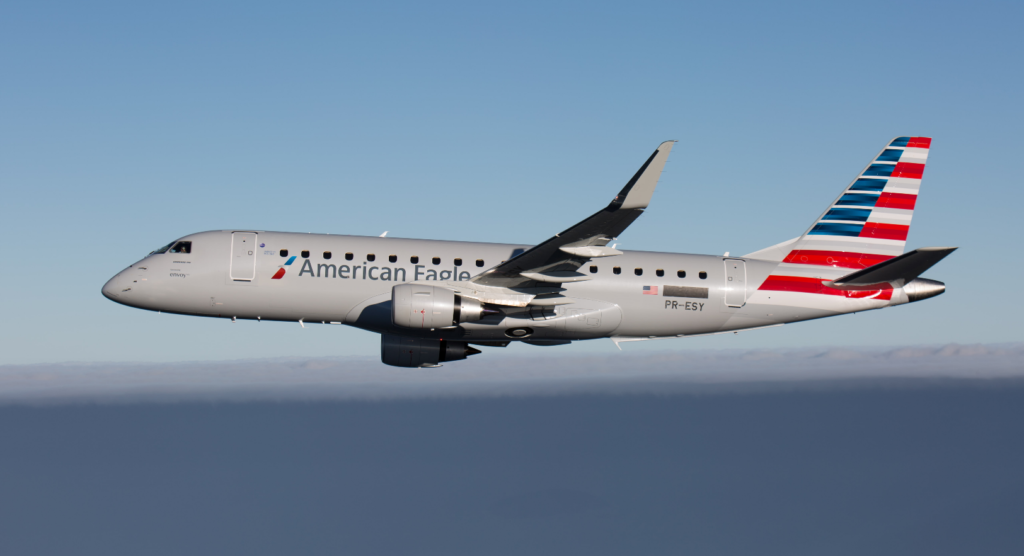
American Airlines Wheelchair Passenger Lawsuit
Samuel boarded her flight from St. Croix (STX) to Miami (MIA) in April 2025, requesting wheelchair support due to chronic health issues.
American Airlines staff provided initial aid upon landing at MIA, but the Envoy Air attendant left her unattended at the Tampa (TPA) gate for over 30 minutes, violating federal guidelines under 14 CFR Part 382.
Without assistance, Samuel missed her connection. Rebooked for the next morning, she requested overnight accommodations, but airline representatives denied the option.
Directed to a chilly public lounge, she slept propped in a chair, leading to immediate physical distress, including foot and eye swelling, left-arm strain, and blood pressure spikes that intensified her pre-existing ailments.
According to View from the Wing, such oversights expose airlines to scrutiny, especially after American Airlines (AA) faced a $50 million fine in 2024 for mishandling disabled passengers and wheelchairs.
In MIA, Envoy Air handles these services directly, underscoring the carrier’s direct accountability.

Legal Framework and Passenger Rights
US Department of Transportation rules require airlines to offer prompt wheelchair aid for boarding, deplaning, and terminal navigation, prohibiting unattended waits beyond 30 minutes.
The Air Carrier Access Act lacks private lawsuits, but state negligence claims proceed, as affirmed in Third Circuit precedents like Elassaad v. Independence Air.
Filed in the US District Court for the District of the Virgin Islands (Case No. 1:2025-cv-00037), the suit leverages local laws for remedies.
Abdullah v. American Airlines supports damage awards under territory statutes, even if federal safety standards preempt conflicting rules.
American Airlines (AA) may counter with the Airline Deregulation Act preemption, arguing assistance qualifies as a preempted “service,” though Third Circuit rulings favor plaintiffs in wheelchair cases.
Jurisdiction poses challenges; events at MIA could prompt transfer to Florida’s Southern District, where Mennella v. American Airlines upheld preemption for boarding aids. Alternatively, venues in Delaware (incorporation site) or Texas (HQ) align with circuits more receptive to airline defenses.
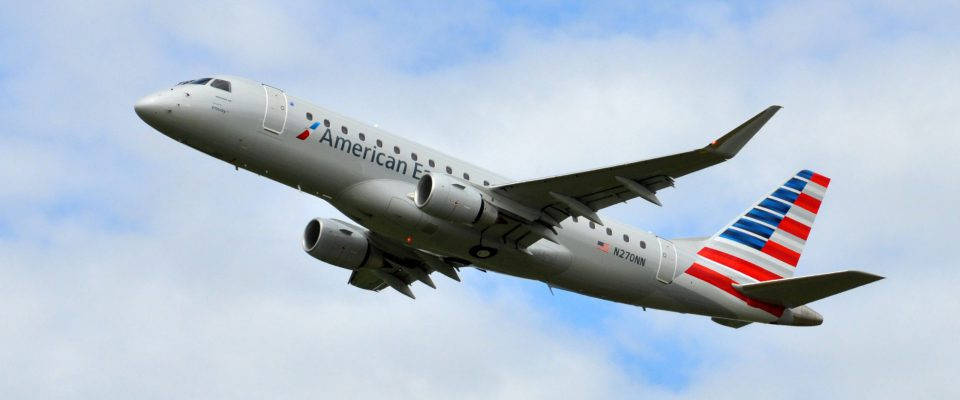
Airline Defenses and Broader Implications
American Airlines (AA) likely emphasizes pre-existing conditions to dispute injury causation from one night’s exposure. Security footage may reveal if Samuel declined aid or delayed requests, weakening abandonment claims.
The airline holds no obligation for hotels under Part 382 for missed connections, framing denial as procedural rather than negligent.
Discovery could prove a breach if unattended time exceeded limits, bolstering Samuel’s case. Yet linking transient discomfort to permanent harm remains difficult, suggesting a modest settlement over trial, driven by public sympathy for a vulnerable plaintiff and the airline’s poor wheelchair record.
Industry-wide, American Airlines ranks lowest in wheelchair handling, per DOT data, with outsourcing at many airports irrelevant to liability.
This lawsuit reinforces calls for stricter enforcement, potentially influencing training and oversight at hubs like MIA.
Stay tuned with us. Further, follow us on social media for the latest updates.
Join us on Telegram Group for the Latest Aviation Updates. Subsequently, follow us on Google News
