

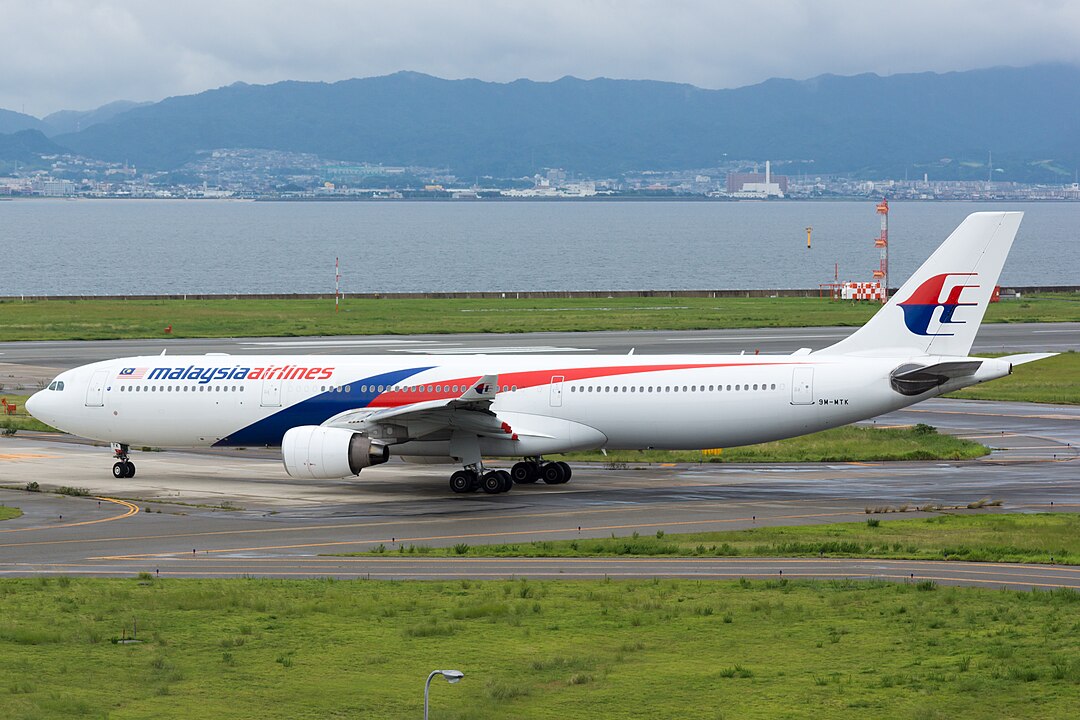
MELBOURNE— During nighttime operations in September 2023, the crews of two wide-body international flights failed to recognise that runway 34 at Melbourne Airport had been temporarily shortened, and as a result, each aircraft extended its take-off roll and lifted off just metres above an active works site at the runway end.
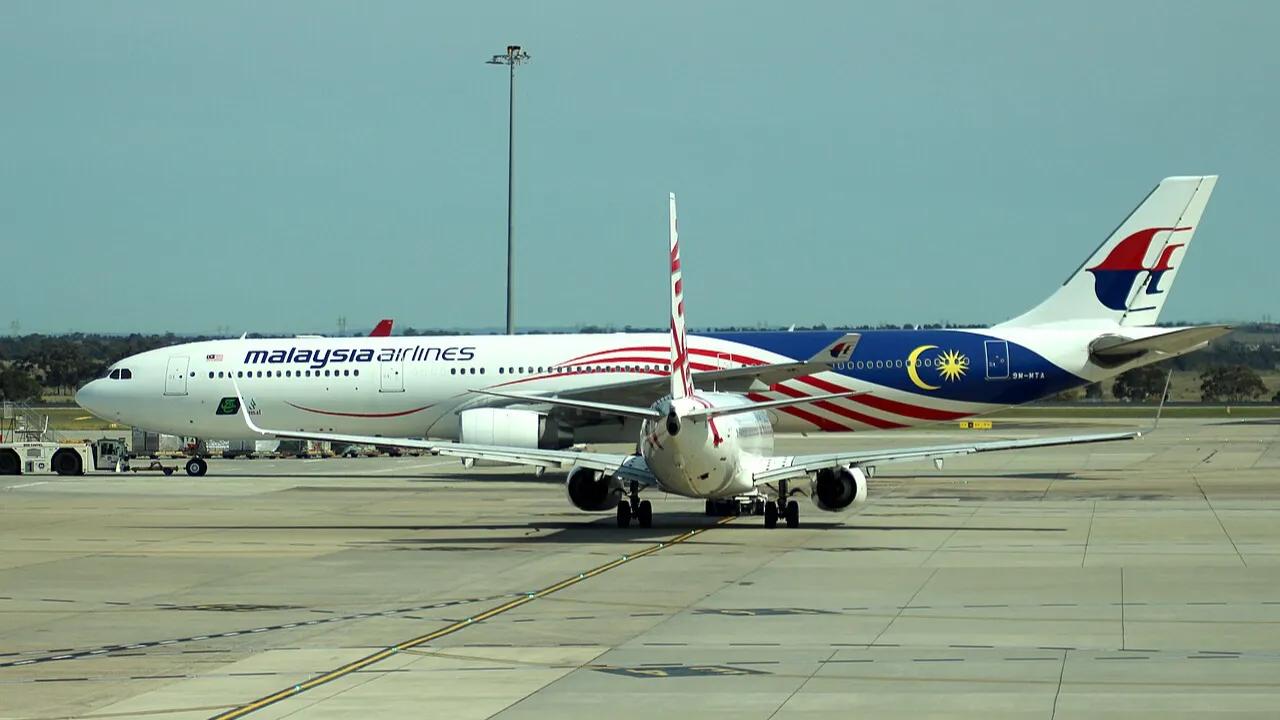
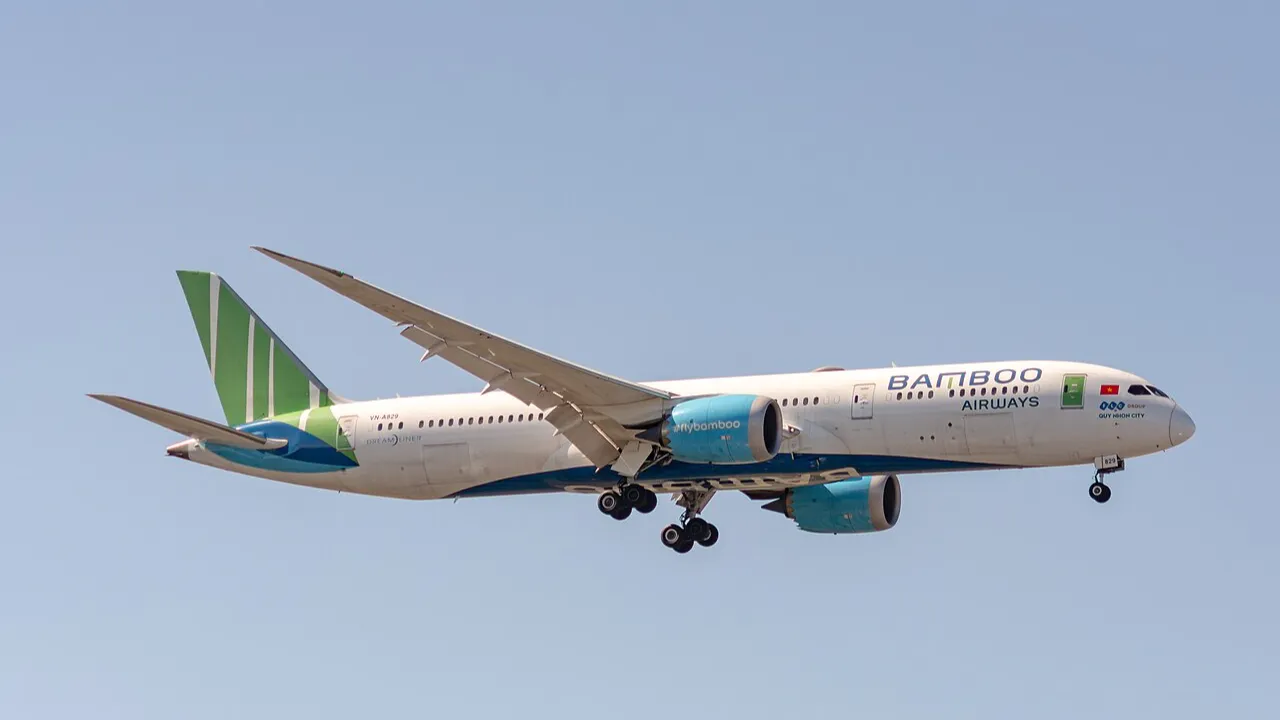
The first incident involved a Malaysia Airlines (MH) Airbus A330-300 (MH) departing for Kuala Lumpur (KUL), and the second a Bamboo Airways (QH) Boeing 787-9 bound for Hanoi (HAN).
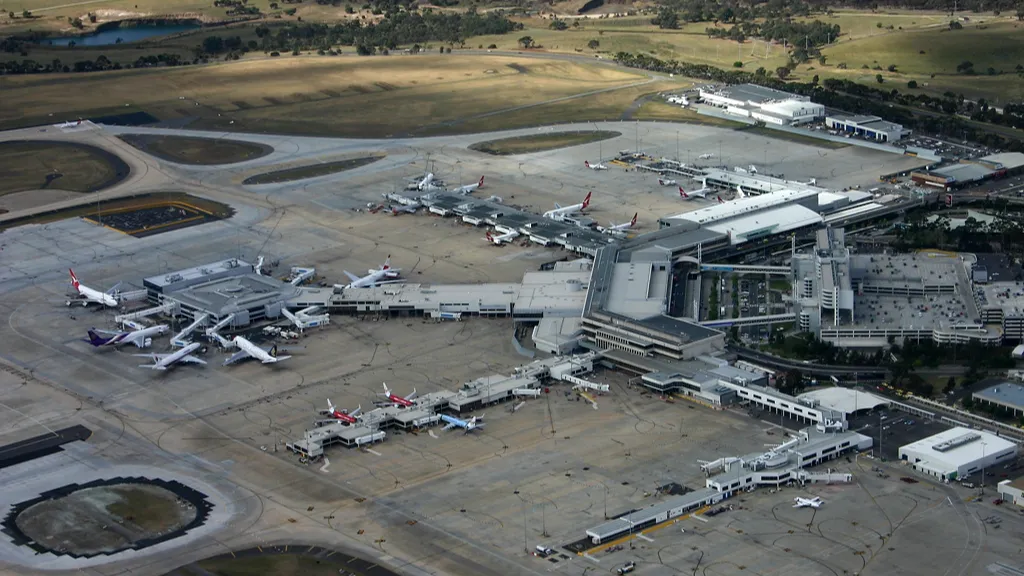
https://commons.wikimedia.org/wiki/File:Tullamarine_International_terminal_Vabre-1.jpg
A330 and 787 Crew Miss Reduced Runways
The Australian Transport Safety Bureau (ATSB) determined that runway 34’s declared distance was cut from 3,659 m to 2,089 m to accommodate overnight resurfacing works.
Despite a formal NOTAM and automatic terminal information service (ATIS) broadcast, neither crew recognized the change when planning their departures.
In the MH incident on 7 September, the A330 cleared the works area by about 7 m; in the QH incident on 18 September, the 787 passed within 4.5 m.
In both cases, the flight crews used standard take-off performance calculations based on the full runway length instead of the reduced available length.
Neither flight crew identified that the runway was significantly shortened, despite the relevant NOTAM being provided in their flight briefing packs.
This was confirmed by ATSB Chief Commissioner Angus Mitchell:
And while both crews accessed a version of the ATIS that mentioned the shortened runway, they only noted to air traffic control the weather information from the ATIS, and not the reduced runway length.
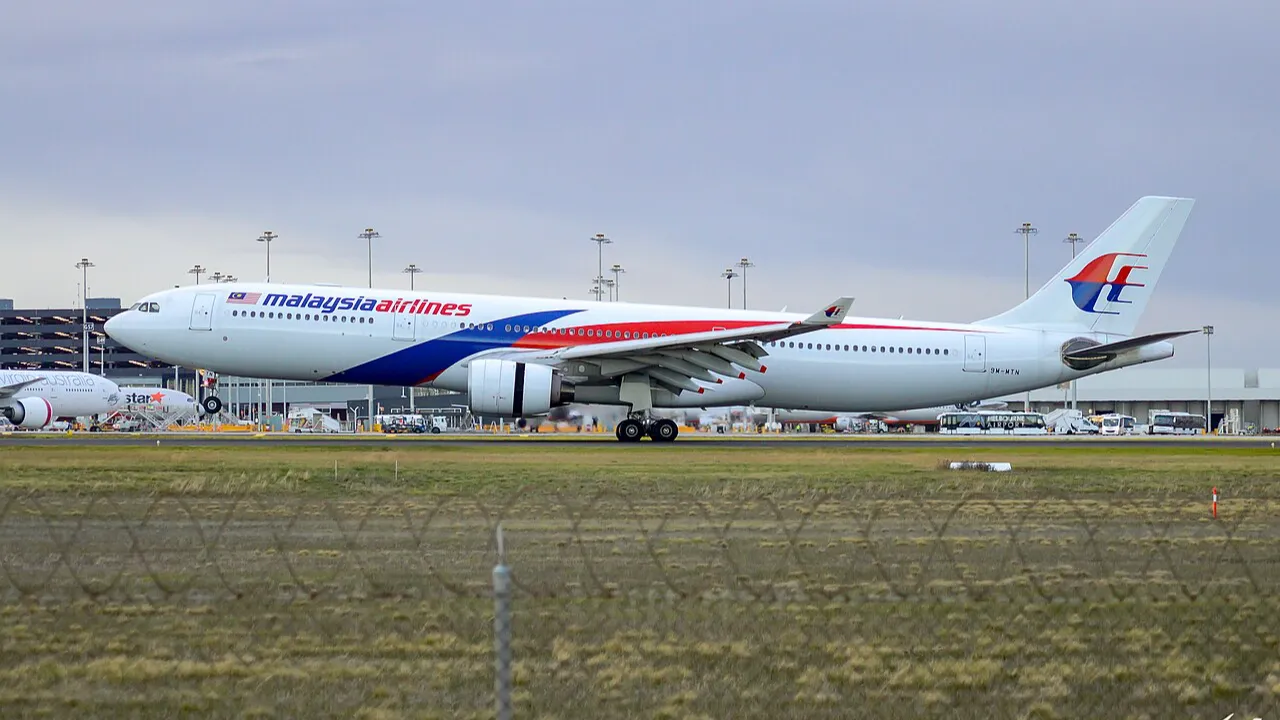
https://commons.wikimedia.org/wiki/File:Malaysia_Airlines_9M-MTN_Airbus_A330-323_Melbourne_International_Airport_(MEL_YMML)_(50367159606).jpg
Crew & Dispatcher Oversight
The investigation stressed that although dispatchers accounted for the shortened runway in performance sheets, they did not highlight the change to the crew.
Each crew assumed full-length runway performance, selected reduced thrust settings accordingly, and did not query this aspect during briefing or take-off roll. Workload, time pressure and expectation of normal operations contributed to the oversight.
The ATSB noted that pilots are ultimately responsible for identifying safety-critical aerodrome information, yet procedural defences alone proved insufficient.
Wider Safety Implications
As a result of these incidents, both airlines revised their dispatch and briefing procedures to ensure runway-available-distance changes are clearly flagged.
The ATSB recommended that the International Civil Aviation Organization (ICAO) review Annex 11 and related standards so that air traffic controllers verify receipt of safety-critical aerodrome information by flight crews.
Additionally, new visual aids and conspicuous signage conforming to ICAO Annex 14 amendments—such as orange unserviceability signage—are being introduced at aerodromes to provide an extra layer of defence where procedural systems fail.
Bottom Line
The near-miss events at Melbourne Airport highlight how temporary changes to aerodrome infrastructure can challenge entrenched operational assumptions.
When dispatchers, crews, and air traffic services rely solely on routine procedures, critical information can be overlooked.
By combining clearer briefing protocols, visual signage, and controller-crew verification, aviation stakeholders aim to strengthen defences against similar runway-length-oversight hazards in the future.
Stay tuned with us. Further, follow us on social media for the latest updates.
Join us on Telegram Group for the Latest Aviation Updates. Subsequently, follow us on Google News
